

 シェアする
シェアする シェアする
シェアする
 詳細を見る
詳細を見る

 ダウンロード
 似ている作品
 スライドショー
 統計情報
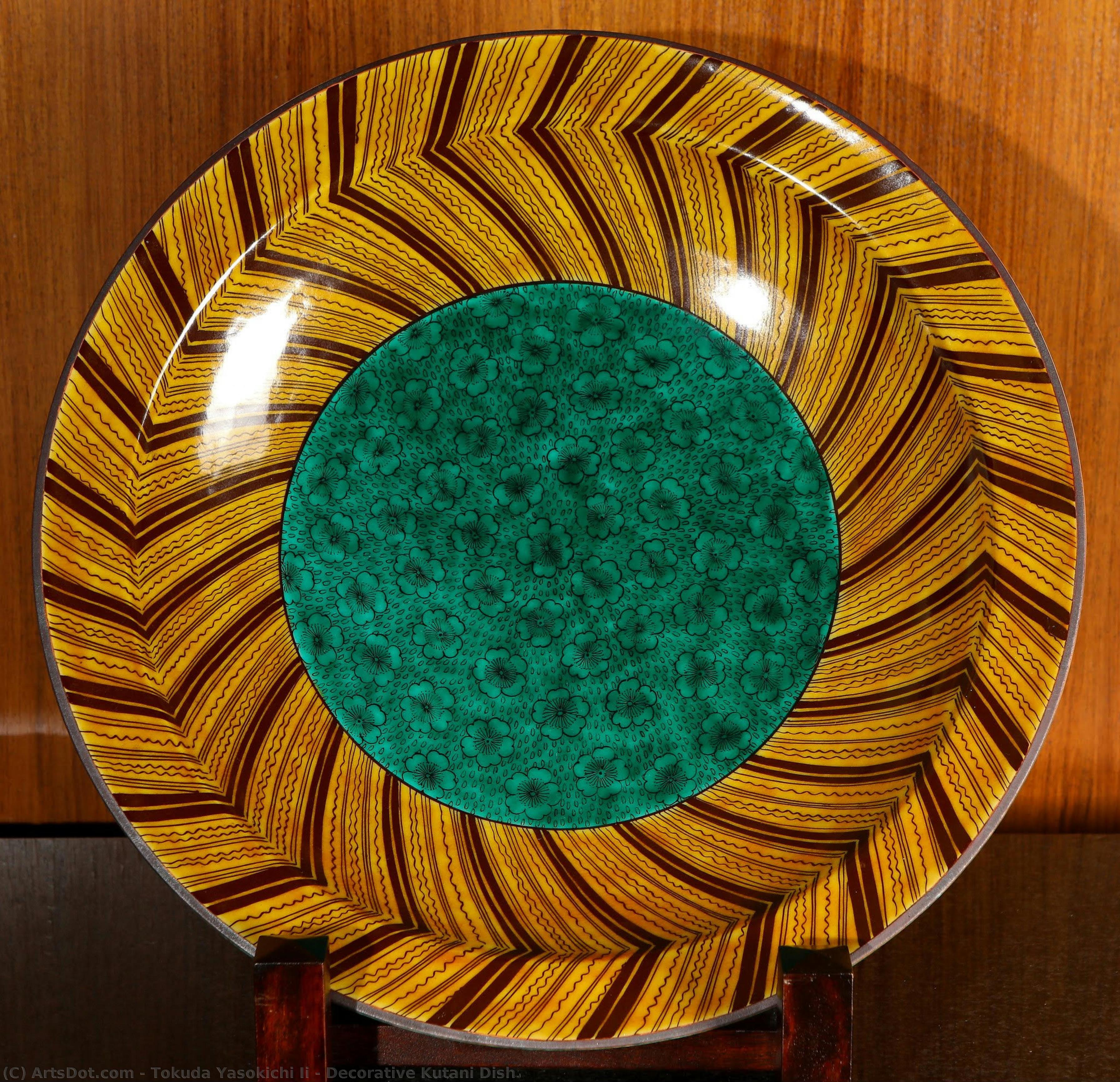
統計情報Decorative Kutani Dish
 Ceramics
- Kutani ware
 Modern
 7.0 x 45.0 cm
 詳細を見る
詳細を見る
手描き油彩複製画
当社のアーティストが、お客様のご希望のサイズと額縁に合わせて、キャンバスに手描きで制作する油彩画です。 ( プリント版に切り替え デジタル画像販売へ切り替え)




































作品のオリジナル比率に合わせた、当店の規定サイズからお選びください。

特定のフレームやスペースに合わせて、ご希望のサイズをご入力いただけます。選択されたサイズが元の画像の比率と異なる場合、アートワークをトリミングするか、手描きで要素を追加して絵画を拡張いたします。デジタルモックアップ を制作し、制作開始前にご確認(承認)をいただきます。
画面上のプレビューは、実際のトリミングや拡張を正確に反映しているものではありません。最終的な構図は、モックアップによってのみ正確にご確認いただけます。
カスタムサイズもご利用いただけますが、元の比率を維持するためには、あらかじめ用意されたリストからサイズを選択することをお勧めいたします。
ご注文後、ArtsDot.com チームより詳細な指示をお送りするとともに、仕上がりイメージ(モックアップ)をご提供いたします。


 ガラスオプションは、110cm未満のサイズでのみご利用いただけます。

Decorative Kutani Dish
複製技法
複製画のサイズ
-


合計金額
$ 263
A Symphony of Glaze and Tradition
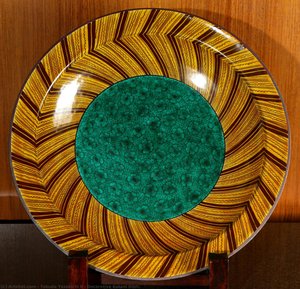
In the delicate dance of light and color, the Decorative Kutani Dish by the master Tokuda Yasokichi II emerges as a breathtaking testament to the enduring spirit of Japanese ceramic excellence. This exquisite piece is not merely an object of utility but a canvas where the ancient traditions of Kutani ware meet a modern, experimental sensibility. The dish presents a captivating palette of verdant greens and sun-drenched yellows, creating a visual harmony that evokes the lush, mossy landscapes of Kanazawa. As one gazes upon its surface, the circular motif at the center acts as a focal point for contemplation, drawing the eye into a rhythmic arrangement of hues that seem to pulse with an organic vitality.
The artistry behind this work is deeply rooted in the lineage of the Tokuda family, a dynasty that played a crucial role in the twentieth-century revival of Kutani ceramics. Yasokichi II, inheriting the profound technical knowledge of his father, Tokuda Yasokichi I, infused his work with a revolutionary approach to glazes. This specific dish showcases the artist's ability to manipulate color through the "nitten" style—a method characterized by bold, experimental applications of pigment that transcend traditional boundaries. The interplay between the deep, saturated greens and the luminous yellow accents demonstrates a masterful control over kiln temperatures and chemical compositions, ensuring that each glaze layer possesses a depth and translucency that feels almost liquid.
Beyond its technical brilliance, the dish carries a profound emotional resonance, making it an ideal centerpiece for the discerning collector or interior designer. The warmth of the yellow tones provides a sense of optimism and light, while the grounding green tones offer a connection to the natural world. For those looking to curate a space of serenity and sophistication, this reproduction offers more than just decoration; it offers a piece of living history. Whether placed under soft gallery lighting or integrated into a contemporary dining setting, the dish serves as a conversation starter, inviting observers to appreciate the meticulous craftsmanship and the storied legacy of Japanese ceramic art.
Integrating such a masterpiece into a modern interior allows for a seamless blend of cultural heritage and contemporary elegance. The elongated 7 x 45 cm form provides a unique silhouette that can anchor a mantle, an entryway console, or a curated collection of fine arts. To possess a piece inspired by Yasokichi II is to hold a fragment of the Japanese aesthetic soul—a celebration of color, a tribute to tradition, and an enduring inspiration for the beauty found in the balance of nature and human handiwork.
関連作品
アーティストの略歴
A Legacy of Color and Tradition
Tokuda Yasokichi II (1907 – 1997) stands as a pivotal figure in the revival of Kutani ceramics, a tradition that had waned considerably by the early 20th century. Born into a family steeped in ceramic artistry—his father, Tokuda Yasokichi I, was instrumental in revitalizing Kutani ware—Yasokichi II inherited not only a lineage but also an unwavering dedication to preserving and innovating upon this venerable craft. His journey from humble beginnings to international acclaim exemplifies the transformative power of artistic passion and meticulous craftsmanship.
Growing up amidst the vibrant hues of Kanazawa’s Kutani mines instilled in Yasokichi II a profound appreciation for color, which remains the cornerstone of the Kutani aesthetic. His father, recognizing the importance of preserving the heritage of the craft, actively encouraged his son's artistic pursuits. However, it was the influence of Nakamura Kinpei, a renowned potter who championed the Tokyo-yaki style, that profoundly shaped Yasokichi II’s worldview. Kinpei instilled in him the belief that craftsmanship transcends mere technique; it embodies a profound responsibility for the art form itself and its enduring value. This formative period established a lifelong commitment to honoring ancient traditions while simultaneously pushing the boundaries of creative expression.
The Evolution of a Master
Following the passing of his father, Yasokichi II faced a daunting challenge: maintaining the family trade amidst societal pressures that often favored domestic life over the arduous path of the artisan. Yet, he steadfastly refused to abandon his craft, spurred by the encouragement of his teachers and an intrinsic sense of purpose. This decision solidified his dedication to Kutani ware and cemented its place as his primary artistic focus. He recognized that inheriting the Yasokichi name was not merely a familial obligation but a sacred responsibility to safeguard a legacy that was at risk of fading into history.
As his mastery deepened, Yasokichi II began to infuse his work with a revolutionary approach to glazes. While deeply rooted in the technical knowledge passed down through generations, he embraced an experimental sensibility often referred to as the nitten style. This method was characterized by bold, experimental applications of pigment that transcended traditional boundaries. His ability to manipulate color through complex chemical compositions allowed him to create pieces where deep, saturated greens and luminous yellows seemed to possess an organic vitality. In his most celebrated works, such as his decorative dishes and bowls, the interplay of light and glaze creates a visual harmony that evokes the lush, mossy landscapes of Kanazawa.
Artistic Significance and Lasting Impact
The work of Tokuda Yasokichi II is much more than mere decoration; it is a dialogue between the past and the present. His ability to blend the ancient ko-kutani traditions with modern, abstract sensibilities allowed Kutani ceramics to find new life in a contemporary context. Through his meticulous control over kiln temperatures and the development of unique glazes, he achieved a depth and translucency that feels almost liquid, making his pieces breathtaking testaments to Japanese ceramic excellence.
His contributions to the art world can be summarized through several key achievements:
- Revitalization of Tradition: He played a crucial role in ensuring that the Kutani style survived the industrial shifts of the 20th century.
- Technical Innovation: The introduction of experimental glazing techniques provided a fresh, modern vocabulary for traditional Japanese pottery.
- Cultural Preservation: By maintaining the family lineage and the integrity of the craft, he bridged the gap between the Edo-period origins and modern international appreciation.
Today, the works of Tokuda Yasokichi II continue to resonate with collectors and art enthusiasts worldwide. His pieces serve as a window into a world where the earth's minerals are transformed into poetry, offering a sense of serenity, sophistication, and a profound connection to the natural world.
tokuda yasokichi ii
1907 - 1997 , Japan
基本情報
- Artistic Movement Or Style: Modern & Contemporary Ceramics
- Artists Or Movements Influenced By This Artist: ['Tokyo-yaki']
- Artists Who Influenced This Artist: ['Nakamura Kinpei']
- Date Of Death: 1997
- Full Name: Tokuda Yasokichi II
- Nationality: Japanese
- Notable Artworks: ['Ancient Red Fuji – Bowl with Colored Glazes']
- Place Of Birth: Japan
関連記事
Seafoam & Masterpieces: 10 Paintings Dominated by Medium Sea Green | ArtsDot
Dive into serenity with 10 famous paintings bathed in calming medium sea green. Explore Impressionist masterpieces by Monet, Degas & Renoir. Find museum-quality art reproductions and elevate your home decor at ArtsDot.com.
Chrome Green Masterpieces: 10 Famous Paintings & Their Alluring Hues |
Explore 10 famous paintings where 'Chrome Green' reigns supreme! Discover Monet, Manet & Van Gogh’s masterpieces. Learn the stories behind these iconic artworks and find museum-quality art reproductions for your home at .
Golden Hues: Top 10 Paintings Dominated by Yellow Ochre |
Explore 10 iconic paintings bathed in golden yellow ochre! From Van Gogh's sunflowers to Monet’s haystacks, discover the stories behind these masterpieces. Find museum-quality art reproductions & elevate your home decor on .
Emerald Visions: Top 10 Paintings Dominated by Cadmium Green |
Explore 10 iconic paintings where cadmium green reigns supreme! From Monet to Van Gogh, discover the stories behind these masterpieces & the power of color. Find museum-quality art reproductions and elevate your home decor on .
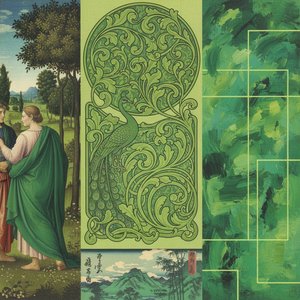
Verdant Visions: Exploring the Symbolism & Aesthetic Impact of Green in Art History
Explore the rich history & symbolism of green in art! Discover iconic paintings, techniques, and how to bring verdant harmony into your home with ArtsDot's expert guide.