


 プレビュー
プレビュー
 プリントを購入
 シェアする
シェアする シェアする
シェアする
 詳細を見る
詳細を見る

 ダウンロード
 似ている作品
 X線調査
X線調査 スライドショー
The calf
 1873
1873 75.0 x 125.0 cm
 国立現代美術館 - ムゼウ・ド・シアード
 詳細を見る
詳細を見る




































作品のオリジナル比率に合わせた、当店の規定サイズからお選びください。

特定のフレームやスペースに合わせて、ご希望のサイズをご入力いただけます。選択されたサイズが元の画像の比率と異なる場合、アートワークをトリミングするか、手描きで要素を追加して絵画を拡張いたします。デジタルモックアップ を制作し、制作開始前にご確認(承認)をいただきます。
画面上のプレビューは、実際のトリミングや拡張を正確に反映しているものではありません。最終的な構図は、モックアップによってのみ正確にご確認いただけます。
カスタムサイズもご利用いただけますが、元の比率を維持するためには、あらかじめ用意されたリストからサイズを選択することをお勧めいたします。
ご注文後、ArtsDot.com チームより詳細な指示をお送りするとともに、仕上がりイメージ(モックアップ)をご提供いたします。


 ガラスオプションは、110cm未満のサイズでのみご利用いただけます。

The calf
複製技法
複製画のサイズ
-


合計金額
$ 263
作品解説
関連作品









アーティストの略歴
Tomás José da Anunciação: A Pioneer of Portuguese Animal and Landscape Painting
Tomás José da Anunciação, born in Lisbon’s Ajuda district in 1818 and tragically passing away in 1879, stands as a pivotal figure in the development of Portuguese art during the Romantic period. More than just a painter, he was a revolutionary who challenged established academic norms and championed a direct engagement with nature – a philosophy that profoundly influenced generations of artists to follow. Initially dismissed by some as an eccentric, da Anunciação’s dedication to meticulous observation and his innovative approach to depicting animals and landscapes cemented his legacy as the foremost artist in this genre within the Iberian Peninsula. Da Anunciação's early artistic education was somewhat unconventional. He enrolled at the Academy of Fine Arts of the University of Lisbon in 1841, but quickly grew disillusioned with its rigid structure and emphasis on idealized forms. Disagreements with his instructor and a general dissatisfaction with the school’s teaching methods led him to leave within just three years, an act that ultimately proved transformative for his career. This departure marked a decisive break from traditional artistic training, setting him on a path of independent exploration and experimentation. Following this initial setback, he found mentorship in João Cristino da Silva, whom he deeply respected and considered his true teacher, recognizing the latter’s commitment to painting “from nature.” This relationship proved crucial, fostering a deep appreciation for direct observation and detailed rendering – principles that would become hallmarks of his distinctive style. From 1847 to 1849, da Anunciação turned his hand to engraving at the arsenal do exército, a period which provided valuable technical skills but ultimately fueled his desire to return to painting. He began exhibiting his work in Paris, Madrid, and Portugal, quickly gaining recognition for his remarkable ability to capture the essence of animals and landscapes with unparalleled realism. His early works were characterized by a meticulous attention to detail, evident in his depictions of livestock – particularly oxen and calves – rendered with astonishing accuracy and sensitivity. Notable amongst these early pieces are “The Calf” (1867), a poignant study of a young animal’s vulnerability, and "Oxen Treading Out Corn at Ribatejo" (circa 1850-52), a powerful depiction of rural life that showcases his mastery of light and shadow. His work in this period was heavily influenced by the Barbizon school of painting, evident in his preference for outdoor settings and his commitment to capturing the immediate impressions of nature. A significant turning point in da Anunciação’s career came with his participation in the Exposition Universelle (1855) in Paris, where he presented “Cinco Artistas em Sintra” (Five Artists in Sintra). This ambitious group painting, a collaborative effort with fellow artists including João Cristino da Silva and José Rodrigues, depicted a gathering of painters amidst the picturesque landscapes of Sintra. The work was an immediate success, lauded for its vibrant colors, dynamic composition, and evocative portrayal of the artistic community. “Cinco Artistas em Sintra” quickly became his most celebrated masterpiece, later purchased by King Ferdinand II – a testament to its artistic merit and da Anunciação’s growing reputation. This painting not only showcased his technical skill but also reflected his broader philosophical commitment to capturing the spirit of Portuguese rural life. Da Anunciação's oeuvre extends beyond animal studies and landscapes; he produced several genre scenes, including “Two Women at a Fountain” (circa 1850) and "The Shepherd’s Rest" (1852), which offer glimpses into the daily lives of ordinary people in Portugal. His works are characterized by a remarkable ability to convey atmosphere and emotion through subtle shifts in color and light. He was particularly adept at capturing the fleeting effects of weather, as seen in his “View of Amora” (circa 1850), which depicts a dramatic storm over the Tagus River. His paintings were housed in various museums, including the National Museum of Ethnology in Lisbon, Portugal, and are readily available for viewing online at https://ArtsDot.com. For more detailed information about his life and work, one can consult the Wikipedia entry: https://en.wikipedia.org/wiki/Tom%C3%a1s_da_anuncia%c3%a7%c3%a3o. Throughout his career, da Anunciação remained committed to painting “from nature,” a practice that was considered radical at the time. He believed that true artistic expression could only be achieved through direct observation and an intimate understanding of the subject matter. This philosophy influenced not only his own work but also the subsequent development of Portuguese art, particularly in the realm of landscape painting. In 1884, the Prémio Anunciação award was established in his honor – a lasting tribute to his contributions to the artistic community and a symbol of his enduring legacy.Da Anunciação’s Enduring Influence
Tomás José da Anunciação's impact on Portuguese art extends far beyond his individual achievements. He fundamentally shifted the way artists approached landscape and animal painting, advocating for direct observation and a rejection of idealized representations. His emphasis on drawing as a preparatory study—a meticulous process of rendering reality with painstaking detail—became a cornerstone of his artistic practice and profoundly influenced generations of Portuguese painters. His work served as an inspiration to artists such as Francisco Metrass, João Cristino da Silva, José Rodrigues, and Victor Bastos, who formed a vibrant group known for their commitment to “painting from nature.” Da Anunciação’s legacy is not merely confined to the realm of art history; it continues to resonate in contemporary Portuguese culture. The Prémio Anunciação award, established in his honor, remains an important recognition of artistic excellence, perpetuating his spirit of innovation and dedication to capturing the beauty of the natural world. His paintings serve as a powerful reminder of Portugal’s rich artistic heritage and the enduring influence of a truly exceptional artist.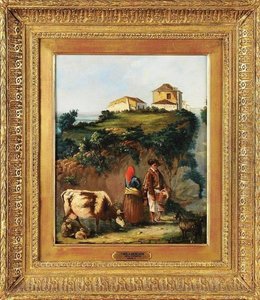
tomás josé da anunciação
1818 - 1879 , Portugal
基本情報
- Artistic Movement Or Style: Romanticism
- Artists Or Movements Influenced By This Artist: ['Silva Porto']
- Artists Who Influenced This Artist: ['João Cristino da Silva']
- Date Of Birth: 1818-10-26 (Lisbon)
- Date Of Death: 1879-04-03
- Full Name: Tomás José da Anunciação
- Nationality: Portuguese
- Notable Artworks:
- View of Amora
- Two Women at a Fountain
- View of Penha de França
- Oxen treading out corn
- Cinco Artistas em Sintra
- Place Of Birth: Lisbon, Portugal

