

 プレビュー
プレビュー
 プリントを購入
 シェアする
シェアする シェアする
シェアする
 詳細を見る
詳細を見る

 ダウンロード
 似ている作品
 X線調査
X線調査 スライドショー
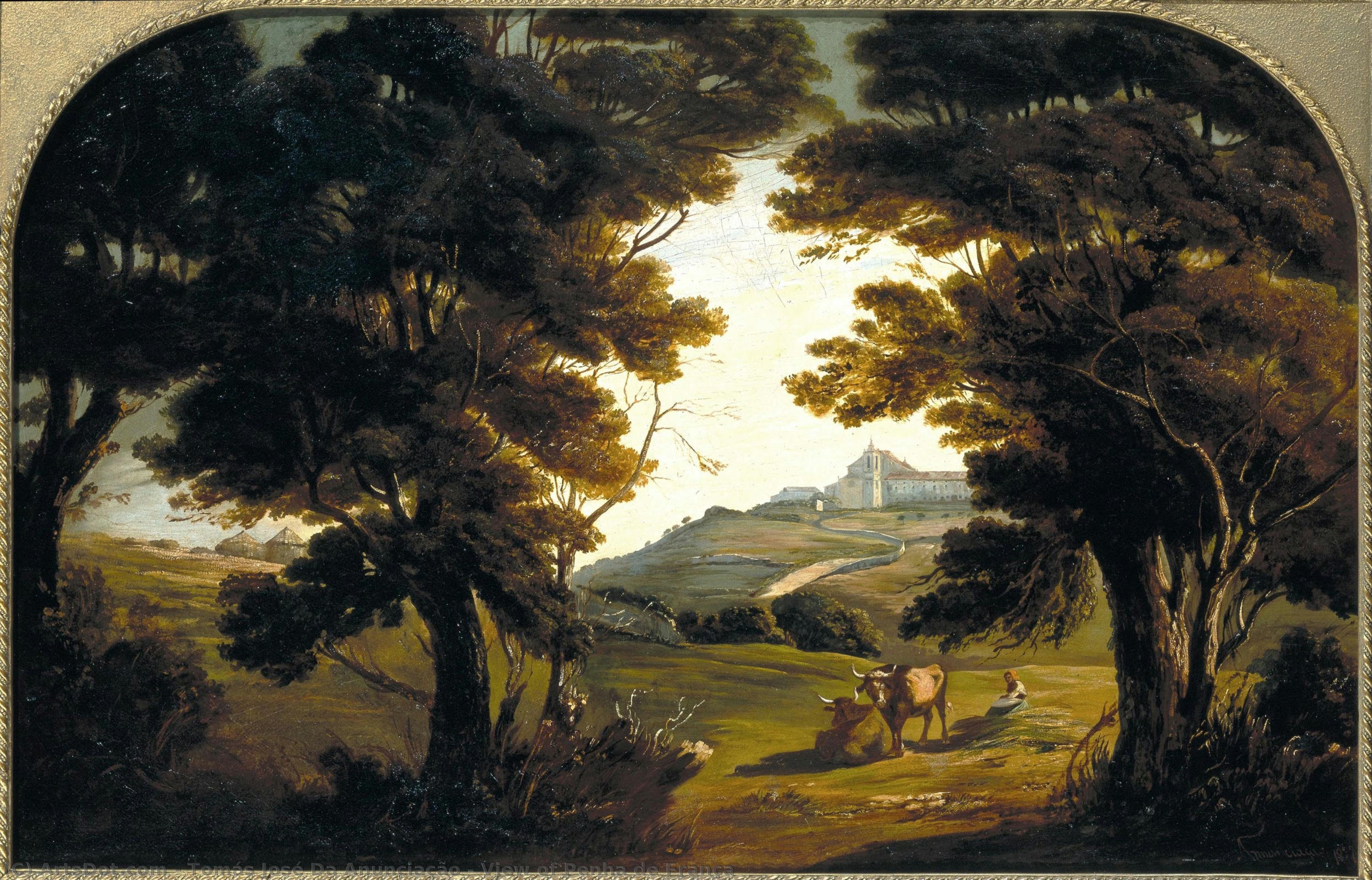
View of Penha de França


 詳細を見る
詳細を見る
オンラインプレビューをはるかに凌ぐ、高解像度で鮮明なデジタル画像をご購入いただけます。
各ファイルは、社内の専門家が高度なツールと熟練した手作業によるレタッチを用いて、細心の注意を払って準備されています。すべての画像において、卓越した鮮明度、正確な色彩再現性、そして繊細なディテールを保証いたします。
最終ファイルは、プロフェッショナルな編集・印刷環境ですぐにご利用いただけるよう最適化された状態で、72時間以内にメールにてお届けいたします。これは、一流のデザインスタジオ、出版社、ギャラリーから信頼されているものと同等の品質です。
デジタル画像のご注文に付随する特典
高品質なデジタル画像配信を、確かな品質で。
ArtsDot.com を選ぶことは、単に画像を手に入れることではありません。それは、プロの手によって精密に仕上げられ、満足保証が付いた高品質なデジタルアートワークを受け取ることを意味します。ご注文いただいた際に自動的に付随する内容は、以下の通りです:

メールですぐにお届け
ご注文から72時間以内に、高解像度のデジタル画像ファイルがメールでお手元に届きます。すぐにそのままご利用いただけます。

AI技術で最適化されたデジタルファイル
お客様の作品は、高度なAIツールと専門家による手作業の編集を組み合わせてプロフェッショナルに最適化されており、細部のディテール、鮮明さ、そして正確な色再現性を最大限に引き出しています。

一生涯無料の再送サービス
ファイルを誤って削除したり、紛失してしまったりしましたか?ご安心ください。いつでも無料で再送いたします。

輸入手数料は一切かかりません
関税や手数料、配送料を気にすることなく、お気に入りのアートワークをすぐにお楽しみいただけます。デジタルダウンロードは常に免税です。

色彩再現の保証
プロ仕様のツールとカラーマネジメント技術を用いることで、デジタル画像が元の色を最大限に忠実に再現することを保証いたします。

60日間満足保証
ご購入いただいたデジタル画像にご満足いただけない場合は、60日以内であれば、修正または100%の返金(理由を問う必要はありません)をさせていただきます。

100% 返金保証
ご満足いただけない場合は、デジタルファイルを受け取ってから60日以内であれば、理由を問わず全額返金いたします。

まとめ買い割引
3枚購入で10%OFF - 5枚購入で15%OFF - 10枚以上購入で20%OFF。クリエイティブなプロジェクト、ギャラリー、エージェンシーに最適です。
作品の詳細
関連作品








作家の略歴
Tomás José da Anunciação: A Pioneer of Portuguese Animal and Landscape Painting
Tomás José da Anunciação, born in Lisbon’s Ajuda district in 1818 and tragically passing away in 1879, stands as a pivotal figure in the development of Portuguese art during the Romantic period. More than just a painter, he was a revolutionary who challenged established academic norms and championed a direct engagement with nature – a philosophy that profoundly influenced generations of artists to follow. Initially dismissed by some as an eccentric, da Anunciação’s dedication to meticulous observation and his innovative approach to depicting animals and landscapes cemented his legacy as the foremost artist in this genre within the Iberian Peninsula. Da Anunciação's early artistic education was somewhat unconventional. He enrolled at the Academy of Fine Arts of the University of Lisbon in 1841, but quickly grew disillusioned with its rigid structure and emphasis on idealized forms. Disagreements with his instructor and a general dissatisfaction with the school’s teaching methods led him to leave within just three years, an act that ultimately proved transformative for his career. This departure marked a decisive break from traditional artistic training, setting him on a path of independent exploration and experimentation. Following this initial setback, he found mentorship in João Cristino da Silva, whom he deeply respected and considered his true teacher, recognizing the latter’s commitment to painting “from nature.” This relationship proved crucial, fostering a deep appreciation for direct observation and detailed rendering – principles that would become hallmarks of his distinctive style. From 1847 to 1849, da Anunciação turned his hand to engraving at the arsenal do exército, a period which provided valuable technical skills but ultimately fueled his desire to return to painting. He began exhibiting his work in Paris, Madrid, and Portugal, quickly gaining recognition for his remarkable ability to capture the essence of animals and landscapes with unparalleled realism. His early works were characterized by a meticulous attention to detail, evident in his depictions of livestock – particularly oxen and calves – rendered with astonishing accuracy and sensitivity. Notable amongst these early pieces are “The Calf” (1867), a poignant study of a young animal’s vulnerability, and "Oxen Treading Out Corn at Ribatejo" (circa 1850-52), a powerful depiction of rural life that showcases his mastery of light and shadow. His work in this period was heavily influenced by the Barbizon school of painting, evident in his preference for outdoor settings and his commitment to capturing the immediate impressions of nature. A significant turning point in da Anunciação’s career came with his participation in the Exposition Universelle (1855) in Paris, where he presented “Cinco Artistas em Sintra” (Five Artists in Sintra). This ambitious group painting, a collaborative effort with fellow artists including João Cristino da Silva and José Rodrigues, depicted a gathering of painters amidst the picturesque landscapes of Sintra. The work was an immediate success, lauded for its vibrant colors, dynamic composition, and evocative portrayal of the artistic community. “Cinco Artistas em Sintra” quickly became his most celebrated masterpiece, later purchased by King Ferdinand II – a testament to its artistic merit and da Anunciação’s growing reputation. This painting not only showcased his technical skill but also reflected his broader philosophical commitment to capturing the spirit of Portuguese rural life. Da Anunciação's oeuvre extends beyond animal studies and landscapes; he produced several genre scenes, including “Two Women at a Fountain” (circa 1850) and "The Shepherd’s Rest" (1852), which offer glimpses into the daily lives of ordinary people in Portugal. His works are characterized by a remarkable ability to convey atmosphere and emotion through subtle shifts in color and light. He was particularly adept at capturing the fleeting effects of weather, as seen in his “View of Amora” (circa 1850), which depicts a dramatic storm over the Tagus River. His paintings were housed in various museums, including the National Museum of Ethnology in Lisbon, Portugal, and are readily available for viewing online at https://ArtsDot.com. For more detailed information about his life and work, one can consult the Wikipedia entry: https://en.wikipedia.org/wiki/Tom%C3%a1s_da_anuncia%c3%a7%c3%a3o. Throughout his career, da Anunciação remained committed to painting “from nature,” a practice that was considered radical at the time. He believed that true artistic expression could only be achieved through direct observation and an intimate understanding of the subject matter. This philosophy influenced not only his own work but also the subsequent development of Portuguese art, particularly in the realm of landscape painting. In 1884, the Prémio Anunciação award was established in his honor – a lasting tribute to his contributions to the artistic community and a symbol of his enduring legacy.Da Anunciação’s Enduring Influence
Tomás José da Anunciação's impact on Portuguese art extends far beyond his individual achievements. He fundamentally shifted the way artists approached landscape and animal painting, advocating for direct observation and a rejection of idealized representations. His emphasis on drawing as a preparatory study—a meticulous process of rendering reality with painstaking detail—became a cornerstone of his artistic practice and profoundly influenced generations of Portuguese painters. His work served as an inspiration to artists such as Francisco Metrass, João Cristino da Silva, José Rodrigues, and Victor Bastos, who formed a vibrant group known for their commitment to “painting from nature.” Da Anunciação’s legacy is not merely confined to the realm of art history; it continues to resonate in contemporary Portuguese culture. The Prémio Anunciação award, established in his honor, remains an important recognition of artistic excellence, perpetuating his spirit of innovation and dedication to capturing the beauty of the natural world. His paintings serve as a powerful reminder of Portugal’s rich artistic heritage and the enduring influence of a truly exceptional artist.
tomás josé da anunciação
1818 - 1879 , Portugal
プロフィール概要
- Artistic Movement Or Style: Romanticism
- Artists Or Movements Influenced By This Artist: ['Silva Porto']
- Artists Who Influenced This Artist: ['João Cristino da Silva']
- Date Of Birth: 1818-10-26 (Lisbon)
- Date Of Death: 1879-04-03
- Full Name: Tomás José da Anunciação
- Nationality: Portuguese
- Notable Artworks:
- View of Amora
- Two Women at a Fountain
- View of Penha de França
- Oxen treading out corn
- Cinco Artistas em Sintra
- Place Of Birth: Lisbon, Portugal

