

 プリントを購入
 シェアする
シェアする シェアする
シェアする
 詳細を見る
詳細を見る

 ダウンロード
 似ている作品
 スライドショー
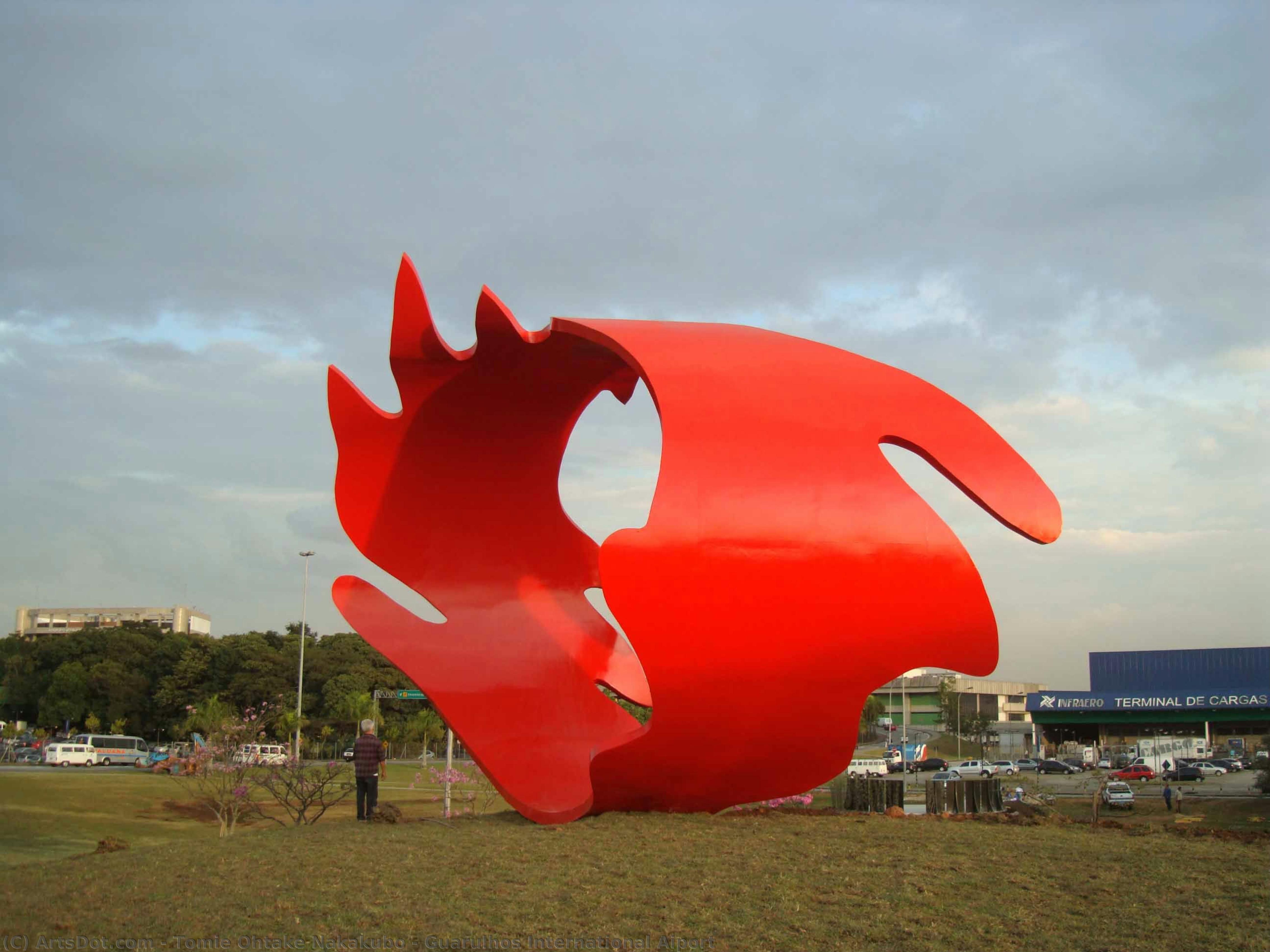
Guarulhos International Aiport


 詳細を見る
詳細を見る




































作品のオリジナル比率に合わせた、当店の規定サイズからお選びください。

特定のフレームやスペースに合わせて、ご希望のサイズをご入力いただけます。選択されたサイズが元の画像の比率と異なる場合、アートワークをトリミングするか、手描きで要素を追加して絵画を拡張いたします。デジタルモックアップ を制作し、制作開始前にご確認(承認)をいただきます。
画面上のプレビューは、実際のトリミングや拡張を正確に反映しているものではありません。最終的な構図は、モックアップによってのみ正確にご確認いただけます。
カスタムサイズもご利用いただけますが、元の比率を維持するためには、あらかじめ用意されたリストからサイズを選択することをお勧めいたします。
ご注文後、ArtsDot.com チームより詳細な指示をお送りするとともに、仕上がりイメージ(モックアップ)をご提供いたします。


 ガラスオプションは、110cm未満のサイズでのみご利用いただけます。

Guarulhos International Aiport
複製技法
複製画のサイズ
-


合計金額
$ 263
A Monumental Encounter at the Gateway of Brazil
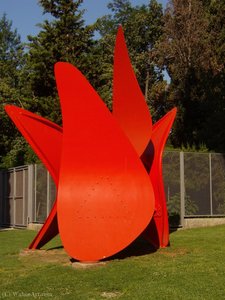
Standing as a vibrant sentinel within the bustling landscape of Guarulhos International Airport, the sculpture by Tomie Ohtake Nakakubo serves as much more than a mere landmark; it is a profound encounter between human engineering and organic abstraction. This striking red metalwork, dating from 2008, commands the surrounding field with an undeniable presence. As travelers navigate the transit of modern life, they are suddenly confronted by a form that feels both ancient and futuristic. The sculpture’s silhouette, reminiscent of a stylized face or a primal creature, emerges from the grassy earth, creating a dialogue between the industrial atmosphere of the airport and the raw, sculptural beauty of the natural world.
The brilliance of this piece lies in its ability to transform a public thoroughfare into a space of contemplation. The deep, saturated red of the metal acts as a visual anchor, pulling the eye away from the grey asphalt and the movement of vehicles toward a singular point of artistic focus. In the context of an international gateway, where thousands pass through in a state of flux, Ohtaké’s work provides a moment of stillness. It invites the observer to pause, much like the figure seen admiring it in the landscape, and to reconnect with the tactile power of form and color.
The Legacy of Abstract Expressionism and Form
To understand the soul of this sculpture, one must look toward the illustrious career of Tomie Ohtake. A pioneer of Japanese-Brazilian modernism, Ohtake brought a unique sensibility to the art scene in São Paulo, blending the delicate precision of her Japanese heritage with the bold, experimental spirit of Brazilian abstraction. This particular work at Guarulhos is a testament to her mastery of informal abstractionism—a style that eschews rigid geometric constraints in favor of fluid, organic shapes that suggest life and movement without explicitly depicting it.
The technique employed here showcases the artist's ability to manipulate heavy, industrial materials into something that feels weightless and breathing. The way the metal curves and folds suggests a biological vitality, as if the sculpture were an organism caught in mid-motion. For collectors and interior designers, this piece represents the pinnacle of public art integration; it is a masterclass in how large-scale abstraction can define a space, providing a sense of prestige and cultural depth to any environment it inhabits.
A Symbol of Connection and Continuity
Beyond its physical attributes, the sculpture carries a profound symbolic weight. As part of Ohtake's extensive contribution to the public spaces of São Paulo, this work embodies the concept of spatial structure—the idea that art should not be confined to galleries but should breathe alongside the community. The red hue can be interpreted as a pulse, a symbol of the lifeblood and energy flowing through the heart of Brazil’s most vital transit hub.
For those seeking to bring the essence of this monumental work into a private collection or a curated interior, a high-quality reproduction offers a gateway to this same emotional resonance. Owning a piece inspired by Ohtake’s Guarulhos sculpture means inviting a sense of dynamic equilibrium into a room. It is an invitation to celebrate the intersection of history, movement, and the enduring power of abstract form, ensuring that the spirit of one of Brazil's most beloved artists continues to inspire awe and reflection.
関連作品
アーティストの略歴
生い立ちとキャリア
大竹冨美中窪、日系ブラジル人として名高いこの視覚芸術家の物語は、1913年11月21日、日本の京都から始まります。彼女の人生は、23歳を迎えた1936年、兄を訪ねてブラジルへと渡ったことで予期せぬ転換点を迎えました。しかし、第二次世界大戦の太平洋戦域の勃発により、故郷への帰路は断たれ、彼女の運命は新たな大地へと刻まれることとなったのです。芸術への旅路
大竹冨美の芸術的な探求が本格的に動き出したのは、1951年、菅野啓介のスタジオを訪れたことがきっかけでした。彼女の芸術家としての足跡は、1957年のサロ・ナシオナル・デ・アルテ・モデルナでの初展覧会から輝きを放ち始め、1961年にはサンパウロ・ビエンナーレへの参加を果たします。さらにその才能は国境を越え、1972年にはヴェネツィア・ビエンナーレの版画部門に、1978年には東京ビエンナーレへと、世界的な舞台でその存在感を示しました。輝かしい功績
彼女の創造性はキャンバスの中だけに留まりませんでした。1980年代後半からは、主にサンパウロを中心に、数十点に及ぶ公共空間のための彫刻作品を世に送り出しました。その多大な貢献に対し、1988年にはサンパウロにおける日本人移民80周年を記念した公共彫刻の功績によりリオ・ブランコ勲章を、そして2006年には文化功労勲章を授与されるという栄誉に浴しています。家族と遺産
大竹冨美は、建築家であるルイ・オオタケとリカルド・オオタケの母でもありました。2015年2月12日、101歳という天寿を全うしてこの世を去りましたが、彼女が視覚芸術の世界に残した遺産は、今もなお色褪せることなく輝き続けています。所蔵・展示施設
- メトロポリタン美術館
- サンフランシスコ近代美術館
- テート
- 大竹冨美の作品をArtsDotで探索する
- ArtsDotの多彩な主題を通じて、ブラジルのインフォルマリズム(非定型抽象主義)についてさらに深く知る
- Wahoo Art タイムラインで西洋美術の進化を学ぶ
結びに
大竹冨美中窪の生涯は、適応力と創造性が持つ強大な力を証明するものです。ブラジルのインフォルマリズムへの彼女の貢献は、芸術界に消えることのない足跡を残し、次世代の表現者たちにインスピレーションを与え続けています。注記: この伝記はさらなる分析のためにドイツ語にも翻訳される予定であり、要望に応じてArtsDot.comおよびWikipediaからの関連リンクが含まれます。

大竹 冨美
1913 - 2015 , 日本
基本情報
- Artistic Movement Or Style: アンフォルメル(非定型抽象)
- Artists Or Movements Influenced By This Artist: ['ブラジル美術']
- Artists Who Influenced This Artist: ['菅野啓介']
- Date Of Birth: 1913年11月21日
- Date Of Death: 2015年2月12日
- Full Name: 大竹 冨美
- Nationality: 日系ブラジル人
- Notable Artworks:
- アシェ研究所
- ジョゼ・メニーノ・ビーチでの出航
- Place Of Birth: 日本、京都
関連記事

Bronze Sculptures That Defined Art History | ArtsDot
Journey through art history with our Top 10 bronze sculptures! Explore masterpieces by Rodin, Michelangelo & more. Discover stories behind iconic statues and find museum-quality reproductions for your home decor at ArtsDot.com.

Kandinsky's Masterpieces: 25 Paintings That Define Abstract Art | ArtsDot
Journey through Wassily Kandinsky's 25 most iconic abstract paintings. Explore his revolutionary use of color, form & spiritual expressionism. Find museum-quality Kandinsky reproductions and elevate your home decor with ArtsDot.com. Discover all masterpieces on ArtsDot.com!

幾何学的抽象絵画を定義した傑作10選|アート、アーティスト、インテリア装飾
モンドリアン、マレーヴィチ…幾何学的抽象絵画を代表する傑作10選。各作品の背景や色彩構成、アーティストの情熱に迫ります。美術館品質の複製画はArtsDot.comで。オンラインでアートコレクションをご覧ください。

The Enduring Form: Exploring Themes & Techniques in Sculpture Across Historical Periods
Explore the rich history of sculpture from ancient masterpieces to contemporary innovations. Discover key techniques, influential artists & investment potential for discerning art collectors.
Henry Moore: Sculpting Modernity – Form, Emotion & the Human Condition
Explore the revolutionary sculptures of Henry Moore – abstract forms, reclining figures & powerful expressions of the human condition. Discover his legacy & artistic process with ArtsDot.