

 プレビュー
プレビュー
 シェアする
シェアする シェアする
シェアする
 詳細を見る
詳細を見る

 ダウンロード
 似ている作品
 X線調査
X線調査 スライドショー
 統計情報
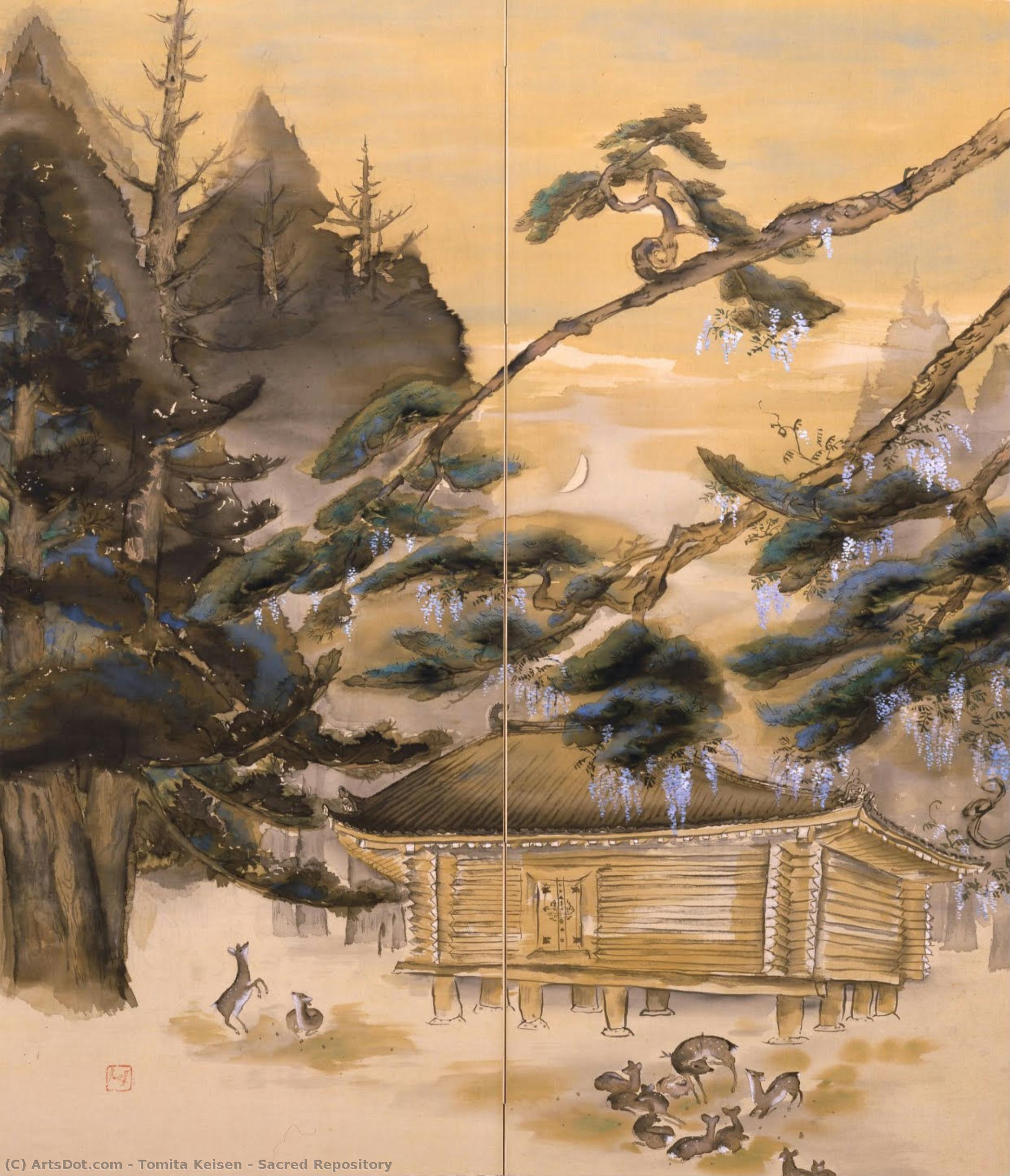
統計情報Sacred Repository
 Nihonga
 Modern
 117.0 x 136.0 cm
 Fukuoka Art Museum
 詳細を見る
詳細を見る
オンラインプレビューをはるかに凌ぐ、高解像度で鮮明なデジタル画像をご購入いただけます。
各ファイルは、社内の専門家が高度なツールと熟練した手作業によるレタッチを用いて、細心の注意を払って準備されています。すべての画像において、卓越した鮮明度、正確な色彩再現性、そして繊細なディテールを保証いたします。
最終ファイルは、プロフェッショナルな編集・印刷環境ですぐにご利用いただけるよう最適化された状態で、72時間以内にメールにてお届けいたします。これは、一流のデザインスタジオ、出版社、ギャラリーから信頼されているものと同等の品質です。
デジタルアート
個人での鑑賞、印刷、クリエイティブなプロジェクト用に、高解像度ファイルをダウンロードできます。 ( プリント版に切り替え 手描きの絵画を購入)
デジタル画像のご注文に付随する特典
高品質なデジタル画像配信を、確かな品質で。
ArtsDot.com を選ぶことは、単に画像を手に入れることではありません。それは、プロの手によって精密に仕上げられ、満足保証が付いた高品質なデジタルアートワークを受け取ることを意味します。ご注文いただいた際に自動的に付随する内容は、以下の通りです:

メールですぐにお届け
ご注文から72時間以内に、高解像度のデジタル画像ファイルがメールでお手元に届きます。すぐにそのままご利用いただけます。

AI技術で最適化されたデジタルファイル
お客様の作品は、高度なAIツールと専門家による手作業の編集を組み合わせてプロフェッショナルに最適化されており、細部のディテール、鮮明さ、そして正確な色再現性を最大限に引き出しています。

一生涯無料の再送サービス
ファイルを誤って削除したり、紛失してしまったりしましたか?ご安心ください。いつでも無料で再送いたします。

輸入手数料は一切かかりません
関税や手数料、配送料を気にすることなく、お気に入りのアートワークをすぐにお楽しみいただけます。デジタルダウンロードは常に免税です。

色彩再現の保証
プロ仕様のツールとカラーマネジメント技術を用いることで、デジタル画像が元の色を最大限に忠実に再現することを保証いたします。

100日間満足保証
ご購入いただいたデジタル画像にご満足いただけない場合は、100日以内であれば、理由を問わず修正または100%の返金対応をさせていただきます。

100% 返金保証
ご満足いただけない場合は、デジタルファイルを受け取ってから100日以内であれば、理由を問わず全額返金いたします。

まとめ買い割引
3枚購入で10%OFF - 5枚購入で15%OFF - 10枚以上購入で20%OFF。クリエイティブなプロジェクト、ギャラリー、エージェンシーに最適です。
A Serene Encounter with the Sublime
In the quietude of Sacred Repository, the viewer is transported into a realm where the boundaries between the earthly and the divine begin to blur. This evocative work by the master of Nihonga, Tomita Keisen, presents a breathtaking landscape that serves as more than just a depiction of nature; it is an invitation to stillness. The composition unfolds with a delicate balance of elements—a rustic cabin nestled among ancient trees, a distant, majestic mountain, and the gentle presence of water reflecting the sky. Through a masterful use of monochrome tones, the artist strips away the distractions of color to reveal the raw, structural soul of the wilderness. Every stroke suggests a profound respect for the natural order, capturing a moment of eternal peace that resonates deeply with the modern soul seeking refuge from the chaos of contemporary life.
The technical brilliance of this piece lies in Keisen’s command over the Nihonga tradition, specifically his ability to manipulate mineral pigments to create depth and texture without the need for a vibrant palette. Although presented here in a striking black and white aesthetic, the painting breathes with life. The meticulous detail found in the surrounding foliage and the subtle movement of birds scattered across the sky demonstrate a level of craftsmanship that honors the classical Japanese lineage. For the discerning collector or interior designer, this piece offers a sophisticated monochromatic elegance that integrates seamlessly into high-end, minimalist, or traditional spaces. It acts as a focal point of contemplative strength, drawing the eye into its layered depths and rewarding prolonged observation with new discoveries of light and shadow.
Beyond its visual splendor, Sacred Repository carries a heavy weight of symbolism and emotional resonance. The inclusion of a solitary dog near the cabin introduces a narrative of companionship and domesticity within the vastness of the wild, suggesting that even in the most remote corners of the earth, there is a sense of belonging. The title itself implies that nature is a vessel for something holy—a repository of spiritual truths waiting to be rediscovered by those who approach it with reverence. This painting does not merely decorate a wall; it transforms an environment, infusing a room with an atmosphere of tranquility, nostalgia, and profound respect for the natural world. It is a timeless acquisition for anyone looking to bring the meditative essence of Japanese landscape mastery into their personal sanctuary.
関連作品

作家の略歴
The Soul of Nihonga: The Life and Legacy of Tomita Keisen
In the delicate interplay of light and mineral pigment, the works of Tomita Keisen (1879–1936) offer a window into a Japan caught between the weight of ancient tradition and the dawn of modernity. Born in Fukuoka, Keisen’s early life was rooted in a world of meticulous craftsmanship, shaped by his family's heritage as restaurateurs. This foundational appreciation for precision and detail would later manifest in his mastery of Nihonga, a style that seeks to capture the essence of the natural world through traditional Japanese techniques. His journey was not merely one of technical skill, but a profound spiritual pilgrimage that sought to bridge the gap between the earthly landscape and the divine.
Keisen’s artistic evolution was shaped by a rigorous and diverse education that spanned the most influential schools of his era. His initial training under Kinugasa Morimase, a painter for the Kuroda clan, introduced him to the structured, bold aesthetics of the Kanō school. However, Keisen possessed an insatiable intellectual curiosity that drove him toward the more naturalistic and contemplative Shijō school. By studying under Tsuji Kakō in Kyoto, he learned to infuse his landscapes with a sense of quietude and spiritual depth. This synthesis of styles allowed him to move beyond mere representation, creating works where the atmosphere itself feels heavy with meaning.
A Tapestry of Faith and Exploration
What truly distinguishes Keisen from his contemporaries was the profound spiritual dimension that permeated his brushwork. His worldview was a complex tapestry woven from threads of Christianity and Zen Buddhism, a duality that informed his travels and his artistic gaze. During his expeditions to China and Okinawa, Keisen did not merely observe landscapes; he sought out the sacred. He immersed himself in the iconography of Heian-period Buddhist imagery, absorbing the ancient aesthetic sensibilities that prioritize the ephemeral beauty of the moment. This deep engagement with religious history allowed him to utilize mineral pigments not just for color, but to evoke a sense of timelessness and reverence.
His technical mastery is most evident in his ability to manipulate traditional materials to achieve extraordinary atmospheric effects. Through the careful application of crushed minerals and organic pigments, he could recreate the misty morning light over a mountain range or the subtle translucency of water. His achievements were recognized by the most prestigious institutions of his time, including frequent exhibitions at the Japan Painting Association, which cemented his status as a leading figure in the Meiji-era art scene. His work serves as a testament to the power of Nihonga to convey complex emotional and spiritual states through the medium of nature.
Historical Significance and Enduring Influence
The historical importance of Tomita Keisen lies in his role as a guardian of tradition who was nonetheless open to the transformative energies of his age. He did not view the past as a static relic, but as a living language capable of expressing contemporary truths. His ability to integrate the structured lineage of the Kanō school with the fluid naturalism of the Shijō school created a unique visual vocabulary that resonated with both scholars and the public.
Today, Keisen’s legacy is preserved in significant collections, most notably at the Moa Museum, where his landscapes continue to inspire awe. His life remains a profound example of how an artist can navigate the tensions between different belief systems and artistic movements to create something truly universal. To look upon a Keisen painting is to witness a moment of perfect equilibrium—where the physical world meets the spiritual, and where every brushstroke carries the weight of history.
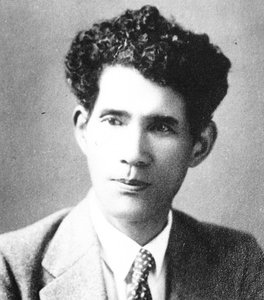
tomita keisen
1879 - 1936 , Japan
プロフィール概要
- Artistic Movement Or Style: Nihonga
- Artists Or Movements Influenced By This Artist: ['Kanō School']
- Artists Who Influenced This Artist:
- Kinugasa Morimase
- Tsuji Kakō
- Date Of Birth: December 9, 1879
- Date Of Death: 1936
- Full Name: Tomita Keisen
- Nationality: Japanese
- Notable Artworks:
- Eight Views of Saga
- Peacock and Bamboo
- Izanagi and Izanami
- Place Of Birth: Fukuoka, Japan