

 プレビュー
プレビュー
 プリントを購入
 シェアする
シェアする シェアする
シェアする
 詳細を見る
詳細を見る

 ダウンロード
 似ている作品
 X線調査
X線調査 スライドショー
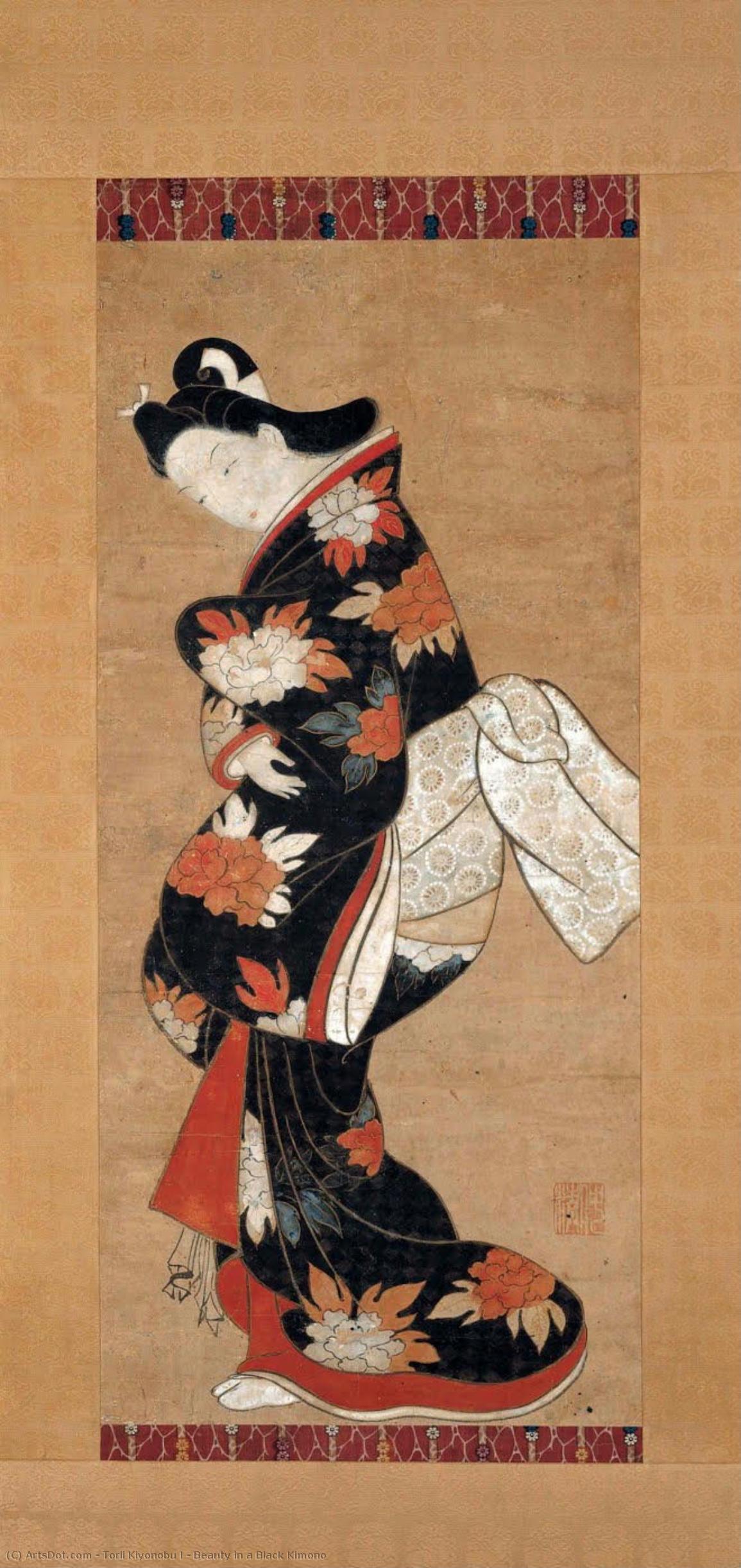
Beauty in a Black Kimono
 Painting
- Ukiyo-e
 1710
1710 60.0 x 27.0 cm
 Kimbell Art Museum
 詳細を見る
詳細を見る
オンラインプレビューをはるかに凌ぐ、高解像度で鮮明なデジタル画像をご購入いただけます。
各ファイルは、社内の専門家が高度なツールと熟練した手作業によるレタッチを用いて、細心の注意を払って準備されています。すべての画像において、卓越した鮮明度、正確な色彩再現性、そして繊細なディテールを保証いたします。
最終ファイルは、プロフェッショナルな編集・印刷環境ですぐにご利用いただけるよう最適化された状態で、72時間以内にメールにてお届けいたします。これは、一流のデザインスタジオ、出版社、ギャラリーから信頼されているものと同等の品質です。
デジタル画像のご注文に付随する特典
高品質なデジタル画像配信を、確かな品質で。
ArtsDot.com を選ぶことは、単に画像を手に入れることではありません。それは、プロの手によって精密に仕上げられ、満足保証が付いた高品質なデジタルアートワークを受け取ることを意味します。ご注文いただいた際に自動的に付随する内容は、以下の通りです:

メールですぐにお届け
ご注文から72時間以内に、高解像度のデジタル画像ファイルがメールでお手元に届きます。すぐにそのままご利用いただけます。

AI技術で最適化されたデジタルファイル
お客様の作品は、高度なAIツールと専門家による手作業の編集を組み合わせてプロフェッショナルに最適化されており、細部のディテール、鮮明さ、そして正確な色再現性を最大限に引き出しています。

一生涯無料の再送サービス
ファイルを誤って削除したり、紛失してしまったりしましたか?ご安心ください。いつでも無料で再送いたします。

輸入手数料は一切かかりません
関税や手数料、配送料を気にすることなく、お気に入りのアートワークをすぐにお楽しみいただけます。デジタルダウンロードは常に免税です。

色彩再現の保証
プロ仕様のツールとカラーマネジメント技術を用いることで、デジタル画像が元の色を最大限に忠実に再現することを保証いたします。

60日間満足保証
ご購入いただいたデジタル画像にご満足いただけない場合は、60日以内であれば、修正または100%の返金(理由を問う必要はありません)をさせていただきます。

100% 返金保証
ご満足いただけない場合は、デジタルファイルを受け取ってから60日以内であれば、理由を問わず全額返金いたします。

まとめ買い割引
3枚購入で10%OFF - 5枚購入で15%OFF - 10枚以上購入で20%OFF。クリエイティブなプロジェクト、ギャラリー、エージェンシーに最適です。
作品の詳細
関連作品

作家の略歴
Rachel Ruysch: A Pioneer of Still Life and Botanical Observation
Rachel Ruysch (1664 – 1750) stands as a monumental figure in the history of art, particularly recognized for her groundbreaking contributions to the genre of still life painting. Born in The Hague, Netherlands, into a family deeply rooted in scientific pursuits—her father was a botanist, physician, and anatomist—Ruysch’s artistic journey was inextricably linked with meticulous observation and an unparalleled understanding of the natural world. Her early training under Willem van Aelst, a renowned painter known for his detailed depictions of objects, provided her with a solid foundation in technique and composition. However, it was her subsequent influence by Otto Marseus van Schriek, famed for his atmospheric forest scenes populated by insects and reptiles, that truly shaped her distinctive style—a fascination with the delicate beauty and often unsettling details of decaying flora and fauna. Ruysch’s career unfolded across several key locations: initially in The Hague from 1701 to 1708, where she became the first female member of the Confrerie Pictura, a prestigious artists' society; then as court painter to the Elector Palatine, Johan Willem, in Düsseldorf (1708-1716), producing lavish portraits and historical scenes; and finally, returning to The Hague for much of her later career. Her artistic practice wasn’t simply about rendering beautiful objects; it was a deeply scientific endeavor. Ruysch meticulously documented the life cycles of flowers, insects, and other specimens, often presenting them in dramatic arrangements that highlighted their textures, colors, and even their decomposition. She employed innovative techniques—using oil paints mixed with turpentine to create incredibly realistic effects of moisture and translucency—to capture the fleeting beauty of her subjects. Her work moved beyond mere representation; she sought to convey a sense of immediacy, as if the viewer were witnessing these moments in nature unfold before their eyes.The Rise of a Unique Style: From Forest Scenes to Botanical Studies
Ruysch’s artistic evolution is marked by a shift from the dark, atmospheric forest scenes influenced by van Schriek to a more focused exploration of botanical subjects. This transition wasn't abrupt but rather a gradual refinement of her skills and interests. She began incorporating insects, fungi, and other small creatures into her still lifes, elevating them to positions of prominence alongside flowers and fruits. Her compositions became increasingly complex, layering multiple specimens upon one another in arrangements that were both visually stunning and scientifically informative. Unlike many of her contemporaries who focused on idealized representations of nature, Ruysch embraced the realities of decay, presenting wilted petals, bruised fruit, and even insect corpses with a remarkable degree of honesty and detail. This willingness to confront mortality—and the beauty inherent within it—was revolutionary for its time. The impact of Ruysch’s work extended beyond the realm of art; she was also a respected scientific illustrator. Her meticulous drawings and paintings served as valuable records of plant life, contributing significantly to botanical knowledge. She even developed her own techniques for preserving specimens, ensuring that her subjects retained their vibrant colors and intricate details for posterity. Her dedication to both artistic expression and scientific observation cemented her legacy as a truly unique artist—one who seamlessly blended the disciplines of art and science.A Court Artist and a Woman in a Male-Dominated World
Rachel Ruysch’s career navigated a challenging landscape dominated by male artists. Despite facing prejudice and skepticism, she persevered, establishing herself as one of the most successful and respected painters of her era. Her appointment as court painter to the Elector Palatine in Düsseldorf was a significant achievement, demonstrating her artistic merit and securing her a position of influence within the royal court. She skillfully utilized this role to showcase her talents, producing portraits for the nobility alongside elaborate still lifes that adorned the palace walls. Furthermore, Ruysch’s membership in the Confrerie Pictura—a guild of artists dedicated to promoting art and fostering professional connections—provided her with valuable support and recognition. This association allowed her to exhibit her work, exchange ideas with fellow artists, and establish a network of patrons. Ruysch's success as a female artist during this period is particularly noteworthy, challenging conventional notions about the roles and capabilities of women in the art world.Legacy and Lasting Influence
Rachel Ruysch’s influence on subsequent generations of still life painters is undeniable. Her meticulous attention to detail, her innovative use of color and texture, and her willingness to depict the beauty of decay paved the way for future artists who sought to capture the complexities of the natural world. Her work continues to be admired today for its scientific accuracy, its artistic beauty, and its profound insights into the ephemeral nature of life. The National Gallery in London holds a significant collection of Ruysch’s paintings, offering visitors a rare opportunity to appreciate the extraordinary talent and enduring legacy of this pioneering artist. Her dedication to observation and her ability to transform fleeting moments in nature into lasting works of art solidify her place as one of the most important figures in the history of still life painting.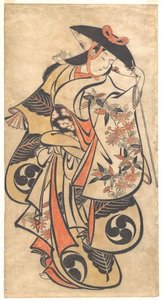
torii kiyonobu i
1664 - 1729

