


 プレビュー
プレビュー
 プリントを購入
 シェアする
シェアする シェアする
シェアする
 詳細を見る
詳細を見る

 ダウンロード
 似ている作品
 X線調査
X線調査 スライドショー
Illustrated Legends of Ishiyamadera (Ishiyamadera engi emaki), Scroll 4
 1497
1497 34.0 x 1928.0 cm
 詳細を見る
詳細を見る
オンラインプレビューをはるかに凌ぐ、高解像度で鮮明なデジタル画像をご購入いただけます。
各ファイルは、社内の専門家が高度なツールと熟練した手作業によるレタッチを用いて、細心の注意を払って準備されています。すべての画像において、卓越した鮮明度、正確な色彩再現性、そして繊細なディテールを保証いたします。
最終ファイルは、プロフェッショナルな編集・印刷環境ですぐにご利用いただけるよう最適化された状態で、72時間以内にメールにてお届けいたします。これは、一流のデザインスタジオ、出版社、ギャラリーから信頼されているものと同等の品質です。
デジタル画像のご注文に付随する特典
高品質なデジタル画像配信を、確かな品質で。
ArtsDot.com を選ぶことは、単に画像を手に入れることではありません。それは、プロの手によって精密に仕上げられ、満足保証が付いた高品質なデジタルアートワークを受け取ることを意味します。ご注文いただいた際に自動的に付随する内容は、以下の通りです:

メールですぐにお届け
ご注文から72時間以内に、高解像度のデジタル画像ファイルがメールでお手元に届きます。すぐにそのままご利用いただけます。

AI技術で最適化されたデジタルファイル
お客様の作品は、高度なAIツールと専門家による手作業の編集を組み合わせてプロフェッショナルに最適化されており、細部のディテール、鮮明さ、そして正確な色再現性を最大限に引き出しています。

一生涯無料の再送サービス
ファイルを誤って削除したり、紛失してしまったりしましたか?ご安心ください。いつでも無料で再送いたします。

輸入手数料は一切かかりません
関税や手数料、配送料を気にすることなく、お気に入りのアートワークをすぐにお楽しみいただけます。デジタルダウンロードは常に免税です。

色彩再現の保証
プロ仕様のツールとカラーマネジメント技術を用いることで、デジタル画像が元の色を最大限に忠実に再現することを保証いたします。

60日間満足保証
ご購入いただいたデジタル画像にご満足いただけない場合は、60日以内であれば、修正または100%の返金(理由を問う必要はありません)をさせていただきます。

100% 返金保証
ご満足いただけない場合は、デジタルファイルを受け取ってから60日以内であれば、理由を問わず全額返金いたします。

まとめ買い割引
3枚購入で10%OFF - 5枚購入で15%OFF - 10枚以上購入で20%OFF。クリエイティブなプロジェクト、ギャラリー、エージェンシーに最適です。
関連作品










作家の略歴
Jan van Eyck: A Pioneer of Northern Renaissance Vision
Jan van Eyck, a name synonymous with groundbreaking innovation and meticulous detail in 15th-century art, stands as one of the most pivotal figures in the development of Western painting. Born around 1395 in Maaseik, Belgium – though his exact birthdate remains uncertain – he emerged from a family steeped in artistic tradition, likely apprenticed to his brother Hubert van Eyck. Van Eyck’s legacy isn't simply defined by individual masterpieces; it lies in the revolutionary techniques he pioneered, fundamentally altering how artists approached light, texture, and representation. His work represents a crucial bridge between the Gothic traditions of his time and the burgeoning naturalism that would characterize the High Renaissance.Early Life and Artistic Training
The precise details of van Eyck’s early life are somewhat elusive, shrouded in the historical gaps of the late medieval period. What is known with certainty is that he began his artistic career in Maaseik, where he likely honed his skills before relocating to Bruges around 1430. Bruges, then a thriving center for trade and art patronage under the rule of Philip the Good, Duke of Burgundy, offered an unparalleled environment for artistic development. It was here that van Eyck’s talent truly flourished, attracting the attention of the powerful duke who became his primary patron. This association proved immensely beneficial, providing him with commissions, access to luxurious materials, and a platform to experiment with new techniques. While Hubert van Eyck is often credited alongside Jan in works like the Ghent Altarpiece, recent scholarship suggests that Jan may have been the more dominant force within the partnership, particularly in the later stages of their collaboration.Technological Innovations: Oil Painting and Hyperrealism
Van Eyck’s most significant contribution to art history is undoubtedly his mastery of oil painting – a technique he seemingly developed independently, though others were experimenting with similar methods at the time. Prior to van Eyck, artists primarily used tempera paint, which dries quickly but lacks the rich colors and luminous effects achievable with oils. Van Eyck’s innovation allowed for layering pigments gradually, creating subtle gradations of tone, incredible detail, and a remarkable sense of depth and realism. This meticulous approach is vividly demonstrated in works like the *Arnolfini Portrait* (1434), where every object – from the folds of the clothing to the reflection in the mirror – is rendered with astonishing precision. Furthermore, van Eyck’s use of light was revolutionary. He meticulously observed and depicted how light interacted with surfaces, creating a sense of three-dimensionality that had previously been largely absent in panel paintings. His ability to capture the textures of fabrics, the sheen of metal, and the delicate details of human skin is unparalleled. This hyperrealistic style, combined with his mastery of oil painting, set a new standard for artistic representation and profoundly influenced generations of artists who followed.Major Works and Artistic Style
Jan van Eyck’s oeuvre comprises a remarkable collection of paintings, each showcasing his exceptional skill and innovative techniques. The *Ghent Altarpiece* (1432), a monumental work commissioned for St. Bavo's Cathedral in Ghent, remains one of the most celebrated masterpieces of the Northern Renaissance. Its complex structure, featuring multiple panels depicting scenes from the life of Christ, is a testament to van Eyck’s technical prowess and his ability to convey profound religious narratives through intricate detail. The *Arnolfini Portrait* (1434), arguably his most famous work, continues to fascinate art historians with its enigmatic symbolism and meticulous realism. The painting depicts Giovanni Arnolfini and his wife, Giovanna Cenami, in their home, filled with objects that carry layers of meaning – from the single candle symbolizing God’s presence to the discarded shoes representing humility. Other notable works include *Portrait of a Man* (1433), showcasing van Eyck's ability to capture individual personality and likeness, and various devotional panels reflecting the religious piety of his time.Legacy and Historical Significance
Jan van Eyck’s impact on art history is immeasurable. He not only perfected the technique of oil painting but also fundamentally altered the way artists approached realism, detail, and representation. His meticulous observation of nature, combined with his innovative use of light and color, established a new standard for artistic excellence that influenced generations of Northern Renaissance painters, including Rogier van der Weyden, Hans Memling, and Albrecht Dürer. His work stands as a cornerstone of Western art, demonstrating the power of technical innovation to elevate artistic expression and provide profound insights into the culture and society of his time. Van Eyck’s legacy continues to inspire artists and captivate viewers today, solidifying his place as one of the most important figures in the history of art.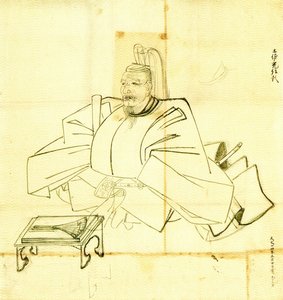
tosa mitsunobu
1434 - 1525 , Japan
プロフィール概要
- Artistic Movement Or Style:
- Early Netherlandish art
- Flemish art
- Gothic art
- Artists Or Movements Influenced By This Artist: ['Rogier van der Weyden']
- Artists Who Influenced This Artist: ['Robert Campin']
- Date Of Birth: 1395
- Date Of Death: 1441
- Full Name: Jan van Eyck
- Nationality: Dutch
- Notable Artworks:
- Ghent Altarpiece
- Arnolfini Portrait
- Place Of Birth: Maaseik, Belgium

