


 プレビュー
プレビュー
 プリントを購入
 シェアする
シェアする シェアする
シェアする
 詳細を見る
詳細を見る

 ダウンロード
 似ている作品
 X線調査
X線調査 スライドショー
Two Scenes of the Tale of Genji
 345.0 x 140.0 cm
 Fukuoka Art Museum
 詳細を見る
詳細を見る
オンラインプレビューをはるかに凌ぐ、高解像度で鮮明なデジタル画像をご購入いただけます。
各ファイルは、社内の専門家が高度なツールと熟練した手作業によるレタッチを用いて、細心の注意を払って準備されています。すべての画像において、卓越した鮮明度、正確な色彩再現性、そして繊細なディテールを保証いたします。
最終ファイルは、プロフェッショナルな編集・印刷環境ですぐにご利用いただけるよう最適化された状態で、72時間以内にメールにてお届けいたします。これは、一流のデザインスタジオ、出版社、ギャラリーから信頼されているものと同等の品質です。
デジタル画像のご注文に付随する特典
高品質なデジタル画像配信を、確かな品質で。
ArtsDot.com を選ぶことは、単に画像を手に入れることではありません。それは、プロの手によって精密に仕上げられ、満足保証が付いた高品質なデジタルアートワークを受け取ることを意味します。ご注文いただいた際に自動的に付随する内容は、以下の通りです:

メールですぐにお届け
ご注文から72時間以内に、高解像度のデジタル画像ファイルがメールでお手元に届きます。すぐにそのままご利用いただけます。

AI技術で最適化されたデジタルファイル
お客様の作品は、高度なAIツールと専門家による手作業の編集を組み合わせてプロフェッショナルに最適化されており、細部のディテール、鮮明さ、そして正確な色再現性を最大限に引き出しています。

一生涯無料の再送サービス
ファイルを誤って削除したり、紛失してしまったりしましたか?ご安心ください。いつでも無料で再送いたします。

輸入手数料は一切かかりません
関税や手数料、配送料を気にすることなく、お気に入りのアートワークをすぐにお楽しみいただけます。デジタルダウンロードは常に免税です。

色彩再現の保証
プロ仕様のツールとカラーマネジメント技術を用いることで、デジタル画像が元の色を最大限に忠実に再現することを保証いたします。

60日間満足保証
ご購入いただいたデジタル画像にご満足いただけない場合は、60日以内であれば、修正または100%の返金(理由を問う必要はありません)をさせていただきます。

100% 返金保証
ご満足いただけない場合は、デジタルファイルを受け取ってから60日以内であれば、理由を問わず全額返金いたします。

まとめ買い割引
3枚購入で10%OFF - 5枚購入で15%OFF - 10枚以上購入で20%OFF。クリエイティブなプロジェクト、ギャラリー、エージェンシーに最適です。
関連作品



作家の略歴
A Legacy Revived: The Life and Art of Tosa Mitsuoki
Tosa Mitsuoki, born in Sakai in 1617, stands as a pivotal figure in the narrative of Japanese painting during the Edo period. He wasn’t merely an artist; he was a restorer, inheriting the mantle of leadership from his father, Tosa Mitsunori, and tasked with breathing new life into the esteemed Tosa school. This lineage connected him to a tradition stretching back to the late Muromachi period, a heritage steeped in artistic refinement and dedicated service to the imperial court. Mitsuoki’s early training under his father was rigorous, focused on the creation of ceremonial fans – objects embodying both artistry and symbolic weight for Japan's highest echelons. This foundational experience would prove instrumental as he navigated the complexities of courtly patronage and sought to re-establish the Tosa school’s prominence.From Sakai to Kyoto: A Courtier’s Brush
The year 1634 marked a turning point, not just for Mitsuoki but for the future of the Tosa school. At the direct request of Emperor Go-Mizunoo, he relocated from Sakai to Kyoto, a move laden with purpose: to reclaim the school’s position as favored artists within the imperial court. This wasn't simply about artistic ambition; it was a strategic maneuver to reconnect with a vital source of patronage that had waned over time. His dedication culminated in 1654 when he formally assumed the title of *edokoro azukari*, effectively becoming head of the Imperial Court Painting Bureau, solidifying his family’s longstanding association with the court. This appointment wasn't merely a ceremonial honor; it placed Mitsuoki at the heart of artistic production for the emperor and the nobility, influencing aesthetic trends and shaping the visual landscape of the era.Blending Tradition and Innovation: The Evolving Style
Mitsuoki’s artistry was characterized by a delicate balancing act – honoring the core tenets of Yamato-e while embracing new influences. Yamato-e, with its flat planes of color delineated by precise outlines, its meticulous detail, and conventional depictions of landscapes and figures, formed the bedrock of his style. However, Mitsuoki wasn’t content to simply replicate the past. He skillfully integrated elements from Chinese painting techniques, demonstrating a cosmopolitan awareness that broadened his artistic vocabulary. Perhaps more significantly, he echoed stylistic choices prevalent in the Kanō school, a dominant force in Japanese art at the time. This willingness to adapt and synthesize different approaches allowed him to appeal to evolving court tastes, securing continued support while simultaneously revitalizing the Tosa aesthetic. His paintings weren’t simply beautiful objects; they were statements of cultural synthesis, reflecting the dynamic artistic climate of the Edo period. Notable works like “Portraits of Three Famous Poets” – Hitomaro, Ise, and Komachi – showcase this blend, exhibiting both the refined elegance of Yamato-e and a subtle depth informed by other schools. Other celebrated pieces include "Egrets and Cotton Roses," "Two Scenes of the Tale of Genji", “Murasaki Shikibu Gazing at the Moon”, “Flowering Cherry with Poem Slips” and “Quail and Autumn Flowers”.A Diminishing Flame: Legacy and Decline
Though Mitsuoki successfully revived the Tosa school during his lifetime, ensuring its continuation through his descendants who also held the position of *edokoro azukari*, a subtle decline began to emerge. Subsequent generations lacked the same innovative spirit, tending towards imitation rather than genuine artistic development. This stagnation gradually eroded interest and patronage, leading to a waning influence in the centuries that followed. Interestingly, a brief revival occurred in the nineteenth century with artists like Tanaka Totsugen and Reizei Tamechika, who dedicated themselves to replicating Mitsuoki’s work – a testament to his enduring stylistic impact. The artistic practices within the Tosa school were unique, relying on closely guarded secrets passed down orally or through concise written notes from master to student, reflecting a deeply ingrained tradition of craftsmanship and knowledge transmission. Despite this initial success, Mitsuoki's legacy remains complex. His contributions remain significant, offering invaluable insight into the artistic tastes and cultural values of the Edo period. His paintings continue to be admired for their beauty, historical importance, and as a window into a fascinating era of Japanese art.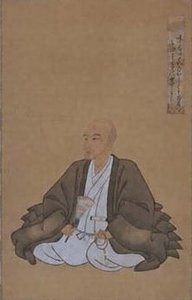
Tosa Mitsuoki
1617 - 1691 , Japan
プロフィール概要
- Artistic Movement Or Style: Yamato-e, Edo period
- Artists Or Movements Influenced By This Artist:
- Tanaka Totsugen
- Reizei Tamechika
- Artists Who Influenced This Artist:
- Chinese painters
- Kanō school artists
- Date Of Birth: November 21, 1617
- Date Of Death: November 14, 1691
- Full Name: Tosa Mitsuoki
- Nationality: Japanese
- Notable Artworks:
- Portraits of Three Poets
- Egrets and Cotton Roses
- Two Scenes of Genji
- Murasaki Shikibu Gazing
- Flowering Cherry
- Quail and Autumn Flowers
- Place Of Birth: Sakai, Japan

