

 プレビュー
プレビュー
 プリントを購入
 シェアする
シェアする シェアする
シェアする
 詳細を見る
詳細を見る

 ダウンロード
 似ている作品
 X線調査
X線調査 スライドショー
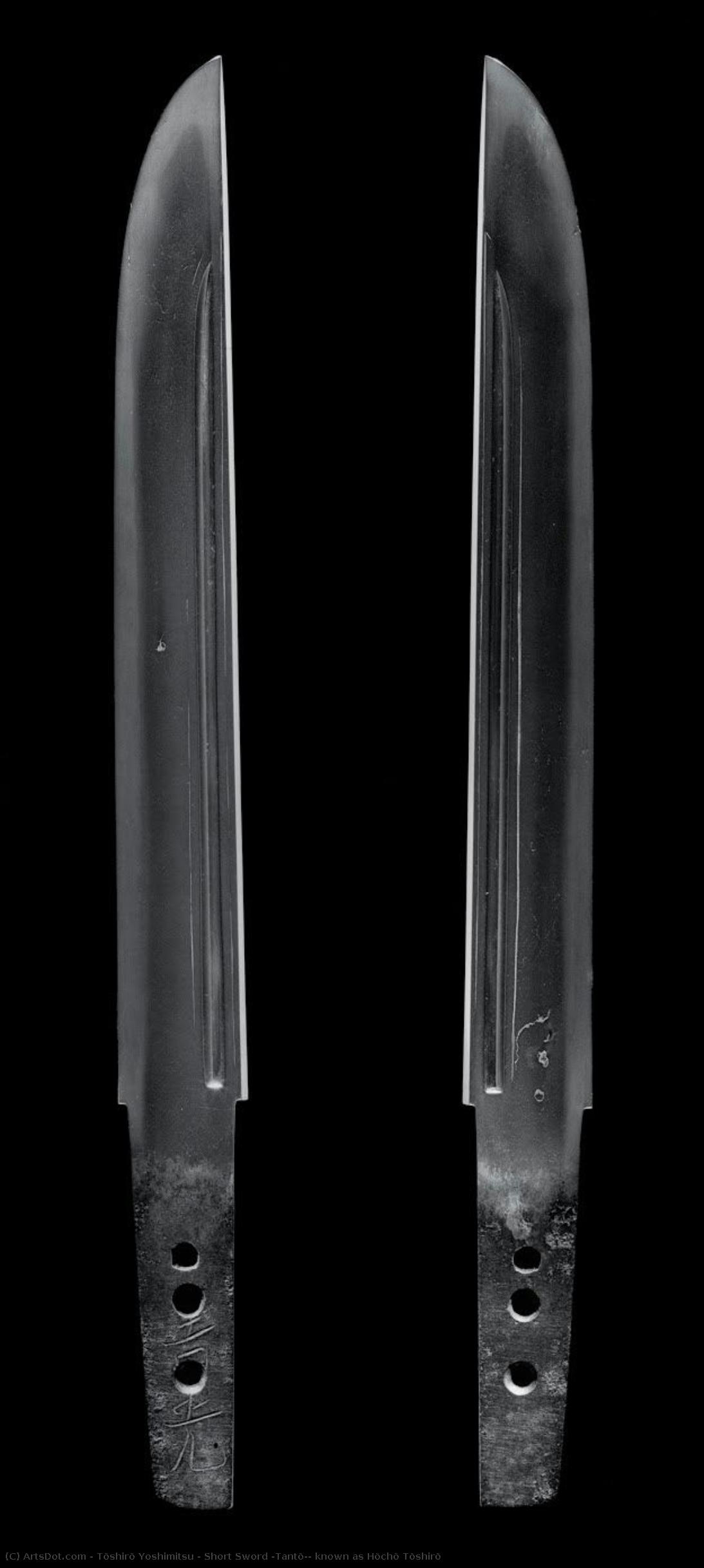
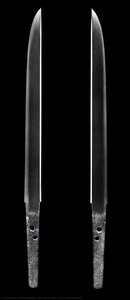
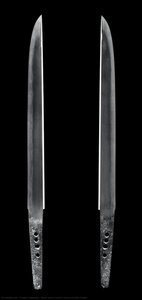
Short Sword (Tantō), known as Hōchō Tōshirō

 詳細を見る
詳細を見る




































作品のオリジナル比率に合わせた、当店の規定サイズからお選びください。

特定のフレームやスペースに合わせて、ご希望のサイズをご入力いただけます。選択されたサイズが元の画像の比率と異なる場合、アートワークをトリミングするか、手描きで要素を追加して絵画を拡張いたします。デジタルモックアップ を制作し、制作開始前にご確認(承認)をいただきます。
画面上のプレビューは、実際のトリミングや拡張を正確に反映しているものではありません。最終的な構図は、モックアップによってのみ正確にご確認いただけます。
カスタムサイズもご利用いただけますが、元の比率を維持するためには、あらかじめ用意されたリストからサイズを選択することをお勧めいたします。
ご注文後、ArtsDot.com チームより詳細な指示をお送りするとともに、仕上がりイメージ(モックアップ)をご提供いたします。


 ガラスオプションは、110cm未満のサイズでのみご利用いただけます。

Short Sword (Tantō), known as Hōchō Tōshirō
複製技法
複製画のサイズ
-


合計金額
$ 263
関連作品





アーティストの略歴
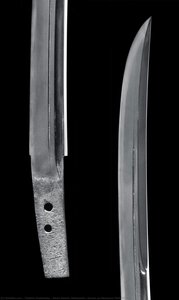
The Enigmatic Blades of Tōshirō Yoshimitsu
Tōshirō Yoshimitsu, a name whispered with reverence among connoisseurs of Japanese swordsmanship, stands as one of the most celebrated smiths of the Kamakura period (1185-1333). Unlike many artisans whose lives are shrouded in detailed documentation, Yoshimitsu’s story is pieced together from the blades themselves – their exceptional quality and distinctive characteristics serving as his enduring biography. He flourished in Kyoto, a center of artistic and cultural refinement, belonging to the esteemed Awataguchi school, a lineage known for its innovative techniques and dedication to forging swords of unparalleled beauty and strength.
A Legacy Forged in Steel
Yoshimitsu’s precise origins remain somewhat elusive. He is believed to have been either a disciple of Norikuni or Kuniyoshi, both prominent smiths within the Awataguchi tradition. This school distinguished itself by moving away from the more traditional methods prevalent at the time, embracing a new aesthetic that prioritized elegance and refinement alongside formidable cutting power. The Kamakura period was an era defined by the rise of the samurai class and their increasing demand for superior weaponry. Yoshimitsu responded to this need with exceptional skill, becoming particularly renowned for his mastery of short swords – the wakizashi and tanto. These blades were not merely weapons; they were symbols of status, artistry, and personal honor.
The Artistry of ‘Toshiro’
What truly sets Yoshimitsu apart is the unique quality that earned him his nickname, “Toshiro.” This designation refers to a specific characteristic found in his blades: an exceptionally thick cross-section. While seemingly subtle, this feature imparted remarkable strength and resilience to the swords, making them highly prized by warriors. Beyond this defining trait, Yoshimitsu’s work is characterized by a dynamic hamon – the temper line that reveals the blade's hardened edge – often displaying a complex interplay of patterns. His forging technique resulted in a fine grain structure (hada) and a lustrous polish, further enhancing the aesthetic appeal of his creations. He was not simply crafting swords; he was creating works of art imbued with both power and grace.
Influence and Historical Context
Yoshimitsu’s influence extended far beyond his own lifetime. His blades became highly sought after by powerful figures, including Toyotomi Hideyoshi, the unifier of Japan in the late 16th century. Hideyoshi, a passionate collector of exceptional swords, counted Yoshimitsu among his “Three Great Masters,” alongside Masamune and Yoshihiro. This recognition cemented Yoshimitsu’s place in Japanese sword history. The fact that blades attributed to him were listed in prestigious catalogues like the Kyōho meibutsu chō – a compendium of Japan's most famous swords compiled in the early 18th century – speaks volumes about his enduring reputation. The rediscovery of previously lost works, such as the katana once held by the Konoe family, continues to fuel scholarly interest and admiration for his artistry.
A Lasting Symbol of Japanese Craftsmanship
Today, Tōshirō Yoshimitsu’s blades are treasured heirlooms, residing in museums and private collections around the world. They represent not only the pinnacle of Kamakura-period swordsmithing but also a profound understanding of materials, technique, and aesthetic principles. His legacy extends beyond the physical beauty of his creations; it embodies the spirit of Japanese craftsmanship – a dedication to perfection, an unwavering pursuit of excellence, and a deep respect for tradition. The study of Yoshimitsu’s work offers invaluable insights into the cultural values and artistic sensibilities of medieval Japan, ensuring that his name will continue to be revered by collectors and scholars for generations to come.
tōshirō yoshimitsu
Japan
基本情報
- Artistic Movement Or Style: Kotō swordsmithing
- Artists Or Movements Influenced By This Artist:
- Masamune
- Sadamune
- Artists Who Influenced This Artist:
- Norikuni
- Kuniyoshi
- Full Name: Tōshirō Yoshimitsu
- Nationality: Japanese
- Notable Artworks:
- Mumei Tōshirō (Tantō)
- Short sword signed Yoshimitsu
- Place Of Birth: Kyoto, Japan

