

 プレビュー
プレビュー
 プリントを購入
 シェアする
シェアする シェアする
シェアする
 詳細を見る
詳細を見る

 ダウンロード
 似ている作品
 X線調査
X線調査 スライドショー
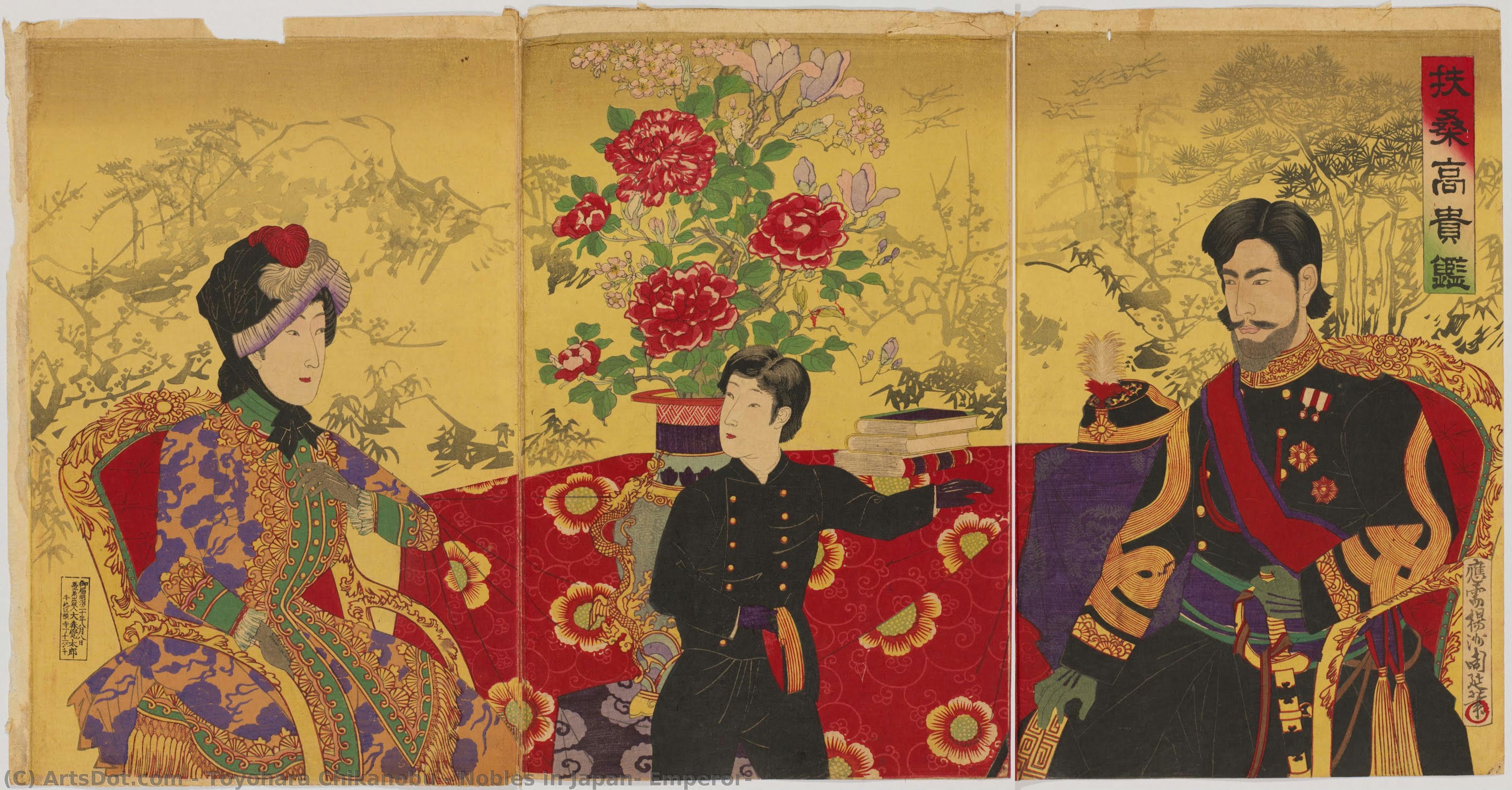
Nobles in Japan: Emperor


 詳細を見る
詳細を見る
オンラインプレビューをはるかに凌ぐ、高解像度で鮮明なデジタル画像をご購入いただけます。
各ファイルは、社内の専門家が高度なツールと熟練した手作業によるレタッチを用いて、細心の注意を払って準備されています。すべての画像において、卓越した鮮明度、正確な色彩再現性、そして繊細なディテールを保証いたします。
最終ファイルは、プロフェッショナルな編集・印刷環境ですぐにご利用いただけるよう最適化された状態で、72時間以内にメールにてお届けいたします。これは、一流のデザインスタジオ、出版社、ギャラリーから信頼されているものと同等の品質です。
デジタル画像のご注文に付随する特典
高品質なデジタル画像配信を、確かな品質で。
ArtsDot.com を選ぶことは、単に画像を手に入れることではありません。それは、プロの手によって精密に仕上げられ、満足保証が付いた高品質なデジタルアートワークを受け取ることを意味します。ご注文いただいた際に自動的に付随する内容は、以下の通りです:

メールですぐにお届け
ご注文から72時間以内に、高解像度のデジタル画像ファイルがメールでお手元に届きます。すぐにそのままご利用いただけます。

AI技術で最適化されたデジタルファイル
お客様の作品は、高度なAIツールと専門家による手作業の編集を組み合わせてプロフェッショナルに最適化されており、細部のディテール、鮮明さ、そして正確な色再現性を最大限に引き出しています。

一生涯無料の再送サービス
ファイルを誤って削除したり、紛失してしまったりしましたか?ご安心ください。いつでも無料で再送いたします。

輸入手数料は一切かかりません
関税や手数料、配送料を気にすることなく、お気に入りのアートワークをすぐにお楽しみいただけます。デジタルダウンロードは常に免税です。

色彩再現の保証
プロ仕様のツールとカラーマネジメント技術を用いることで、デジタル画像が元の色を最大限に忠実に再現することを保証いたします。

60日間満足保証
ご購入いただいたデジタル画像にご満足いただけない場合は、60日以内であれば、修正または100%の返金(理由を問う必要はありません)をさせていただきます。

100% 返金保証
ご満足いただけない場合は、デジタルファイルを受け取ってから60日以内であれば、理由を問わず全額返金いたします。

まとめ買い割引
3枚購入で10%OFF - 5枚購入で15%OFF - 10枚以上購入で20%OFF。クリエイティブなプロジェクト、ギャラリー、エージェンシーに最適です。
A Glimpse into Meiji Majesty
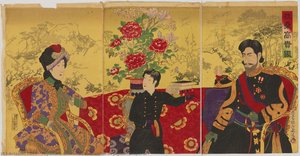
In the delicate interplay of light and tradition, Toyohara Chikanobu’s Nobles in Japan: Emperor serves as a profound window into a pivotal moment of Japanese history. Created in 1887, during the transformative Meiji era, this work captures more than just a formal gathering; it encapsulates a nation caught in the beautiful, often turbulent, embrace of modernization. The scene unfolds with an air of quiet dignity, presenting figures seated upon vibrant red cushions that anchor the composition with warmth and imperial weight. At the heart of the piece, a man in a stark, black suit sits between two figures, his presence acting as a bridge between the ancient customs of the court and the encroaching Western influences of the late 19th century. The woman, draped in a regal purple dress, embodies the elegance of an era transitioning from silk kimonos to structured silhouettes, her attire reflecting the shifting tides of fashion and social identity.
The composition is masterfully balanced, utilizing the spatial arrangement of figures and objects to guide the viewer’s eye through a narrative of status and ceremony. Beyond the central trio, the background hums with the subtle energy of a courtly setting, where other figures linger in soft focus, suggesting a larger, bustling world of protocol and prestige. The inclusion of carefully placed elements—such as the elegant vases and the lush potted plant to the left—adds a layer of domestic refinement and organic beauty to the structured scene. These details are not merely decorative; they ground the imperial subjects within a tangible, lived environment, making the historical moment feel intimate and accessible to the modern observer.
The Artistry of Woodblock Mastery
As a master of the woodblock printing technique, Chikanobu employs a sophisticated palette that breathes life into the paper. The deep, saturated tones of the red cushions and the royal purple of the lady's gown are contrasted against the somber, authoritative black of the gentleman’s suit, creating a visual rhythm that is both striking and harmonious. This mastery of color allows the artist to convey texture and depth, making the fabric appear heavy with importance and the surrounding atmosphere feel thick with tradition. For the collector or interior designer, this piece offers a rich tapestry of hues that can serve as a sophisticated focal point in any curated space, providing a sense of historical gravity and artistic depth.
Beyond its aesthetic allure, Nobles in Japan: Emperor carries an emotional resonance that speaks to the universal themes of change and continuity. It invites the viewer to contemplate the resilience of culture when faced with the unstoppable march of progress. To possess a reproduction of this work is to hold a fragment of the Meiji spirit—a celebration of a time when Japan redefined itself on the global stage without losing its soul. Whether placed in a contemporary gallery setting or a classic study, Chikanobu’s vision continues to inspire awe, offering a timeless elegance that transcends the boundaries of era and geography.
関連作品
作家の略歴
A Visionary of the Meiji Era: The Life and Legacy of Toyohara Chikanobu
In the twilight of the Edo period and the dawn of a modernizing Japan, few artists captured the profound tension between tradition and transformation as masterfully as Toyohara Chikanobu. Born in 1838, an era of profound cultural shifts, Chikanobu—often recognized by his art name Yōshū Chikanobu—emerged as a monumental figure in the world of Japanese woodblock printing. His life was a bridge between two worlds: the ancient, refined aesthetics of the samurai class and the burgeoning, Western-influenced energy of the Meiji era. While his real name, Hashimoto Naoyoshi, whispered of a more private existence, his artistic persona commanded the attention of a nation undergoing rapid metamorphosis.
Chikanobu’s early foundations were deeply rooted in the meticulous craftsmanship of Japanese heritage. Raised with an appreciation for detail that likely stemmed from his family's connection to the arts, he underwent rigorous training in painting and printmaking. This classical grounding allowed him to master the delicate nuances of ukiyo-e, yet he was never a mere imitator of the past. Instead, he became a pioneer of the Shin-hanga movement, a revitalizing force that sought to breathe new life into traditional woodblock techniques by integrating Western concepts such as realistic perspective and anatomical accuracy. This unique synthesis allowed his work to possess a depth and vitality that felt both timeless and strikingly contemporary to his contemporaries.
The Art of Transformation: Themes and Techniques
The brilliance of Chikanobu’s oeuvre lies in its incredible thematic breadth, ranging from the ethereal beauty of bijinga (pictures of beautiful women) to the visceral intensity of historical warfare. He possessed a rare ability to pivot between the serene and the spectacular. In his depictions of women, one finds a poetic grace; his lines are fluid, capturing the intricate patterns of kimonos and the soft, evocative moods of daily life. Yet, in stark contrast, Chikanobu was equally celebrated for his dramatic triptychs of battle. These works, such as his vivid accounts of the Japanese army at Asan, utilize rich colors and dynamic compositions to convey the grit, movement, and historical weight of a nation in conflict.
Beyond the human figure, Chikanobu’s landscapes and cultural scenes served as a visual archive of a disappearing Japan. He captured the ephemeral beauty of cherry blossoms and the grandeur of imperial ceremonies with an eye for both natural splendor and social significance. His technical mastery was evident in his use of color and light, often employing subtle gradations that suggested depth and atmosphere—a hallmark of his engagement with Western artistic influences. Through his prints, the viewer is not merely observing a scene but is transported into the very heart of Meiji-era celebrations, military triumphs, and quiet moments of devotion.
A Lasting Impression on Japanese Art
The historical significance of Toyohara Chikanobu extends far beyond the borders of Japan. As one of the last great masters of the ukiyo-e tradition, he provided a vital link in the evolution of Japanese printmaking. His work does not merely document history; it interprets the soul of an era. By embracing innovation without sacrificing the essence of Japanese craftsmanship, he ensured that the traditional woodblock medium remained relevant in a rapidly globalizing world. Today, his prints are cherished by collectors worldwide, standing alongside legends like Hokusai and Hiroshige as essential pillars of Japanese art history.
Reflecting on his immense contribution, several key elements define his enduring impact:
- Cultural Synthesis: His ability to blend Eastern sensibilities with Western perspective revolutionized the visual language of Meiji-era prints.
- Historical Documentation: His works serve as a profound window into the social, military, and imperial life of 19th-century Japan.
- Versatility of Subject: From the delicate elegance of bijinga to the powerful narratives of war, his range remains unparalleled.
- Preservation of Tradition: Through his dedication to woodblock printing, he helped sustain a classical art form during a period of intense modernization.
toyohara chikanobu
1838 - 1912 , Japan
プロフィール概要
- Artistic Movement Or Style: Shin-hanga
- Artists Or Movements Influenced By Artist: ['Ukiyo-e']
- Artists Who Influenced This Artist: ['Hiroshi Yoshida']
- Date Of Birth: 1838
- Full Name: Toyohara Chikanobu
- Nationality: Japanese
- Notable Artworks: ['Cherry Blossoms Bloom Again (in front) Kuruwa']
- Place Of Birth: Japan (Osaka)

