

 プレビュー
プレビュー
 プリントを購入
 シェアする
シェアする シェアする
シェアする
 詳細を見る
詳細を見る

 ダウンロード
 似ている作品
 X線調査
X線調査 スライドショー
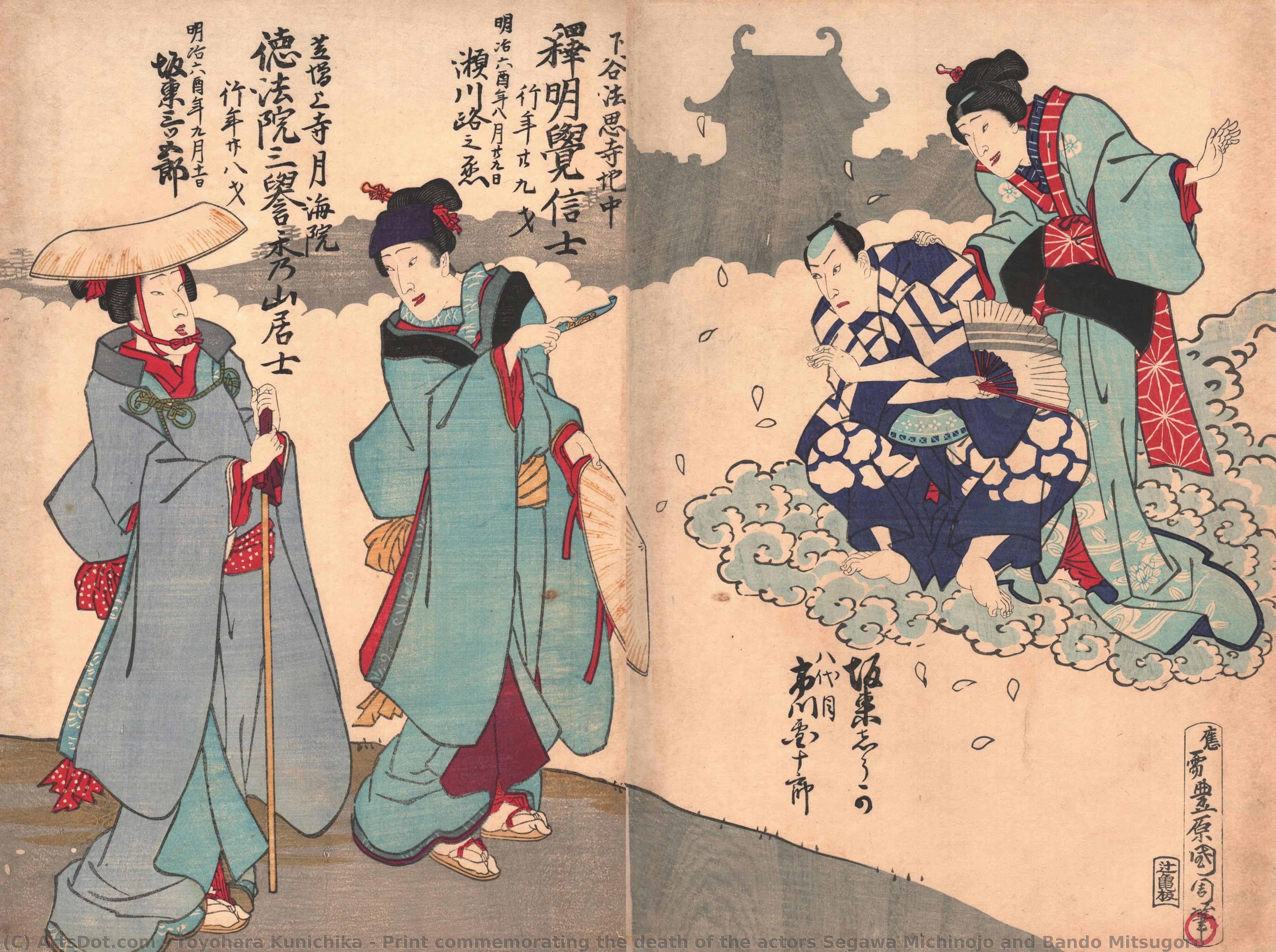
Print commemorating the death of the actors Segawa Michinojo and Bando Mitsugoro
 Woodblock Print
- Ukiyo-e
 1873
1873- 19th Century
 36.0 x 52.0 cm
 Bujalance Collection
 詳細を見る
詳細を見る




P118B $10

P118H $10

P118W $10

P438Z $10

P508JH $12

P508YH $12

P805H $10

P805Z $10

P919BZ $10

P919G $10

P919XJ $10

P959ZH $10

P968JZ $12

W106C $8

W218G $10

W218JH $8

W218Y $10

W307PJ $10

W316G $10

W316PJ $8

W316Y $10

W398PJ $8

W4111J $10

W500HY $15

W500JH $15

W692G $12

W849H $8

W940BG $15

W953PJ $8




作品のオリジナル比率に合わせた、当店の規定サイズからお選びください。

特定のフレームやスペースに合わせて、ご希望のサイズをご入力いただけます。選択されたサイズが元の画像の比率と異なる場合、アートワークをトリミングするか、手描きで要素を追加して絵画を拡張いたします。デジタルモックアップ を制作し、制作開始前にご確認(承認)をいただきます。
画面上のプレビューは、実際のトリミングや拡張を正確に反映しているものではありません。最終的な構図は、モックアップによってのみ正確にご確認いただけます。
カスタムサイズもご利用いただけますが、元の比率を維持するためには、あらかじめ用意されたリストからサイズを選択することをお勧めいたします。
ご注文後、ArtsDot.com チームより詳細な指示をお送りするとともに、仕上がりイメージ(モックアップ)をご提供いたします。


 ガラスオプションは、110cm未満のサイズでのみご利用いただけます。

Print commemorating the death of the actors Segawa Michinojo and Bando Mitsugoro
複製技法
複製画のサイズ
-


合計金額
$ 338
A Poignant Encounter Between Heaven and Earth
In the delicate, ephemeral world of Ukiyo-e, few works capture the intersection of tragedy and theatrical splendor as profoundly as Toyohara Kunichika’s 1873 masterpiece, Print commemorating the death of the actors Segawa Michinojo and Bando Mitsugoro. This evocative woodblock print serves as both a memorial and a dramatic tableau, frozen in time during the transformative Meiji era. The composition presents a hauntingly beautiful vision of the afterlife, where the boundaries between the mortal stage and the celestial realm dissolve. In the upper reaches of the print, the legendary actors Bando Shuka II and Ichikawa Danjuro VIII appear amidst stylized, swirling clouds, gazing down with profound sorrow toward the earthly plane. Below them, the young souls of Segawa Michinojo and Bando Mitsugoro are depicted in their final transition, dressed in the kamishimo—the light blue ceremonial robes used for shrouding the deceased. It is a scene that transcends mere portraiture, offering a window into the deep reverence the Japanese public held for their Kabuki icons.
The technical mastery of Kunichika is on full display through the traditional woodblock printing process, which lends the artwork its characteristic depth and tactile soul. The artist utilizes bold, precise outlines to define the intricate patterns of the actors' costumes, while the use of flat planes of color creates a striking visual rhythm. A cool, contemplative palette of blues, greens, and greys dominates the landscape, evoking a sense of mourning and ethereal stillness. Yet, within this somber atmosphere, there is a vibrant energy—a hallmark of Kunichika’s style—achieved through the skillful layering of pigments on washi paper. The subtle, grainy texture inherent in the printing process adds an organic warmth to the piece, making the distant mountains and atmospheric clouds feel as though they are part of a living, breathing dreamscape.
Symbolism and the Legacy of Kabuki
Every element within this print is steeped in symbolic significance, designed to resonate with the cultural heartbeat of 19-century Japan. The theatrical costumes are not merely decorative; they are signifiers of status, role, and the heavy weight of lineage. For a collector or an enthusiast of Japanese history, the print acts as a historical document, capturing the precise moment when the traditions of the Edo period met the shifting tides of the Meiji era. The stylized clouds do more than suggest height; they represent the liminal space between life and death, a concept central to the emotional impact of the work. This sense of drama is further heightened by the presence of text panels that provide context to the performance and the actors' identities, grounding the supernatural imagery in the very real, very human tragedy of losing two rising stars in less than a month.
For those looking to integrate such a profound piece into a curated interior, this reproduction offers more than just aesthetic beauty; it provides a focal point of storytelling and emotional depth. Whether placed in a contemporary gallery setting or a classic study, the print’s balanced composition and sophisticated color story invite quiet contemplation. It is an ideal acquisition for art lovers who seek works that possess both technical excellence and a narrative soul—a piece that does not merely decorate a wall but breathes life and history into a space.
関連作品
アーティストの略歴
early life and training
toyohara kunichika, a renowned japanese woodblock print artist, was born on june 30, 1835. recognized for his exceptional talent at a young age, he became a student of utagawa kunisada, tokyo's leading print maker, at the age of thirteen.artistic style and themes
kunichika's deep understanding of kabuki drama led to his primary production of yakusha-e, woodblock prints of kabuki actors and scenes from popular plays. additionally, he portrayed women deemed beautiful (bijinga), contemporary social life, and a few landscapes and historical scenes.- notable works:
- the actor's portrait (1880) - a fine example of kunichika's yakusha-e style.
- beautiful woman in a brocade robe (1890) - showcase of his bijinga art.
career and legacy
kunichika successfully worked during the edo period, carrying those traditions into the meiji period. his contemporaries and modern art historians view this as a significant achievement during a transitional period of great social and political change in japan's history.- key contributions:
- preservation of traditional japanese print-making techniques.
- influence on the development of modern japanese art.
resources
for more information on toyohara kunichika and his works, visit:- toyohara kunichika's profile on ArtsDot.com
- the kanō school style art movement - understand the context of japanese art during kunichika's time.
- shūsei's profile - explore another influential japanese artist from a different period.
conclusion
toyohara kunichika remains an important figure in the history of japanese art, particularly in the realm of woodblock prints. his dedication to preserving traditional techniques while adapting to changing social and political landscapes has left a lasting impact on modern japanese art.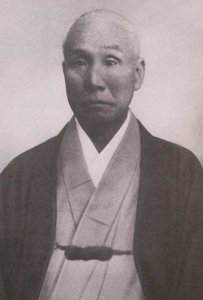
Toyohara Kunichika
1835 - 1900 , Japan
基本情報
- Artistic Movement Or Style: Ukiyo-e (Yakusha-e, Bijinga)
- Artists Or Movements Influenced By This Artist: ['Meiji Ukiyo-e']
- Artists Who Influenced This Artist:
- Utagawa Kunisada
- Toyohara Chikanobu
- Date Of Birth: June 30, 1835
- Date Of Death: 1900
- Full Name: Toyohara Kunichika
- Nationality: Japanese
- Notable Artworks:
- The Actor's Portrait
- Beautiful Woman in a Brocade Robe
- Place Of Birth: Tokyo, Japan
関連記事

葛飾北斎:25の傑作が語る浮世絵の世界 - ArtsDot
葛飾北斎の25選:『神奈川沖浪裏』や『富嶽三十六景』など、浮世絵の世界を深く探求。木版画の技法と日本美術の美をArtsDotで。高品質なアートプリントで空間に感動を。コレクションはこちら。
Ukiyo-e: Exploring Japan's Floating World & Enduring Artistic Legacy
Explore the captivating world of Ukiyo-e – Japan's iconic woodblock prints! Discover masters like Hokusai & Hiroshige, learn about Edo period culture, and find expert art collecting guidance at ArtsDot.

The Enduring Legacy of Woodblock Printmaking: Technique, History & Artistic Expression
Explore the rich history of woodblock printmaking – from ancient techniques to Ukiyo-e masterpieces. Discover expert insights on collecting, preserving & appreciating this enduring art form.

Tōshūsai Sharaku: A Fleeting Glimpse into Edo Period Kabuki – Life, Art, and the Enigma of a Ukiyo-e Master
Explore the captivating world of Tōshūsai Sharaku, the enigmatic Edo period ukiyo-e master. Discover his iconic Kabuki actor portraits and unravel the mystery behind this fleeting artistic genius. Learn about his unique style & lasting legacy.
Tsukioka Yoshitoshi: A Master of Ukiyo-e's Final Flourish – Narrative, Innovation, and the Meiji Transition
Explore the life & art of Tsukioka Yoshitoshi, the last great master of ukiyo-e woodblock printing. Discover his dramatic warrior prints, innovative series like 'One Hundred Aspects of the Moon,' and legacy reflecting Japan's Meiji transition.

