

 プレビュー
プレビュー
 シェアする
シェアする シェアする
シェアする
 詳細を見る
詳細を見る

 ダウンロード
 似ている作品
 X線調査
X線調査 スライドショー
 統計情報
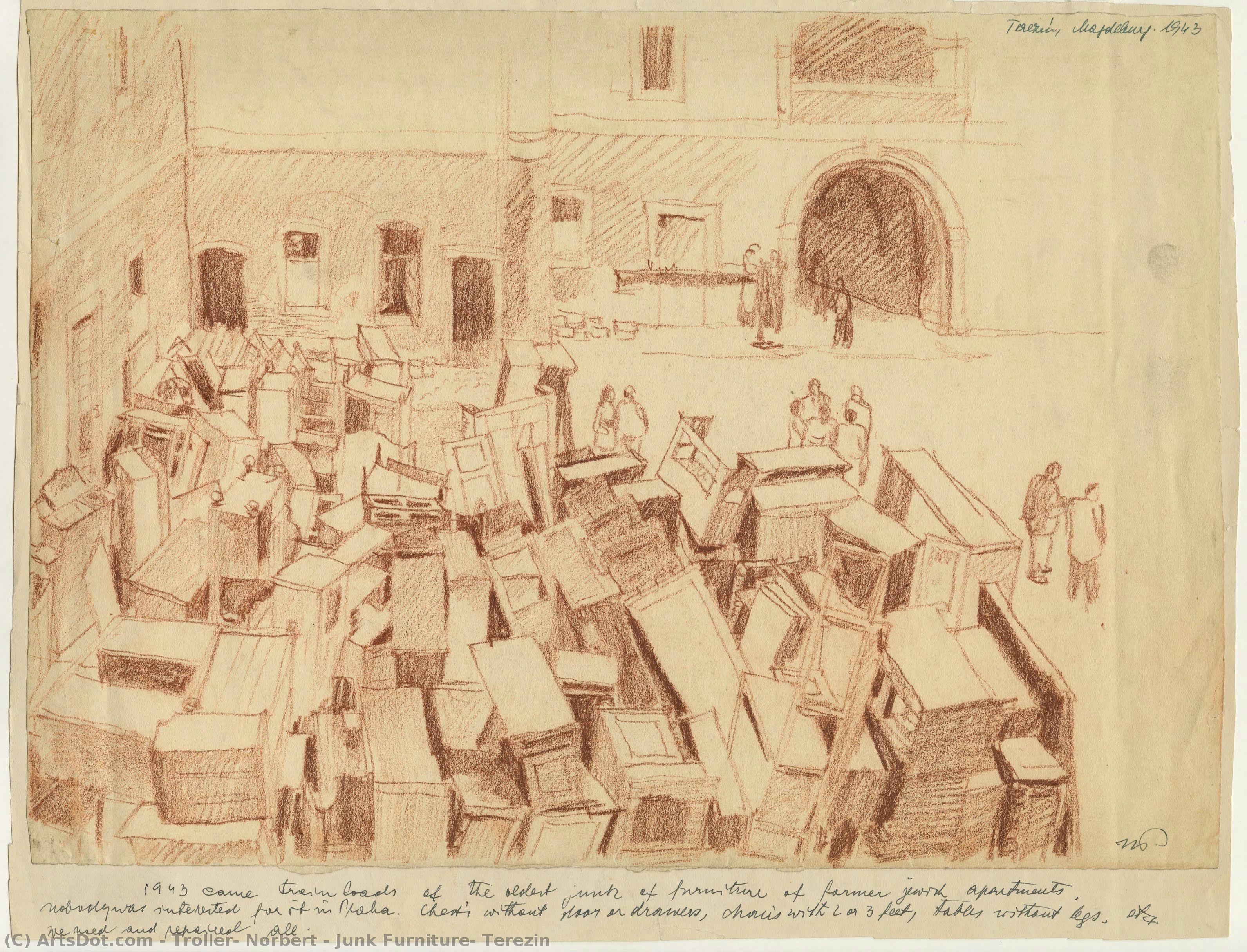
統計情報Junk Furniture, Terezin
 Drawing
- WallArt
- Contemporary Realism
 1943
1943- Modern
 38.0 x 28.0 cm
 Leo Baeck Institute
 詳細を見る
詳細を見る
オンラインプレビューをはるかに凌ぐ、高解像度で鮮明なデジタル画像をご購入いただけます。
各ファイルは、社内の専門家が高度なツールと熟練した手作業によるレタッチを用いて、細心の注意を払って準備されています。すべての画像において、卓越した鮮明度、正確な色彩再現性、そして繊細なディテールを保証いたします。
最終ファイルは、プロフェッショナルな編集・印刷環境ですぐにご利用いただけるよう最適化された状態で、72時間以内にメールにてお届けいたします。これは、一流のデザインスタジオ、出版社、ギャラリーから信頼されているものと同等の品質です。
デジタルアート
個人での鑑賞、印刷、クリエイティブなプロジェクト用に、高解像度ファイルをダウンロードできます。 ( プリント版に切り替え 手描きの絵画を購入)
デジタル画像のご注文に付随する特典
高品質なデジタル画像配信を、確かな品質で。
ArtsDot.com を選ぶことは、単に画像を手に入れることではありません。それは、プロの手によって精密に仕上げられ、満足保証が付いた高品質なデジタルアートワークを受け取ることを意味します。ご注文いただいた際に自動的に付随する内容は、以下の通りです:

メールですぐにお届け
ご注文から72時間以内に、高解像度のデジタル画像ファイルがメールでお手元に届きます。すぐにそのままご利用いただけます。

AI技術で最適化されたデジタルファイル
お客様の作品は、高度なAIツールと専門家による手作業の編集を組み合わせてプロフェッショナルに最適化されており、細部のディテール、鮮明さ、そして正確な色再現性を最大限に引き出しています。

一生涯無料の再送サービス
ファイルを誤って削除したり、紛失してしまったりしましたか?ご安心ください。いつでも無料で再送いたします。

輸入手数料は一切かかりません
関税や手数料、配送料を気にすることなく、お気に入りのアートワークをすぐにお楽しみいただけます。デジタルダウンロードは常に免税です。

色彩再現の保証
プロ仕様のツールとカラーマネジメント技術を用いることで、デジタル画像が元の色を最大限に忠実に再現することを保証いたします。

100日間満足保証
ご購入いただいたデジタル画像にご満足いただけない場合は、100日以内であれば、理由を問わず修正または100%の返金対応をさせていただきます。

100% 返金保証
ご満足いただけない場合は、デジタルファイルを受け取ってから100日以内であれば、理由を問わず全額返金いたします。

まとめ買い割引
3枚購入で10%OFF - 5枚購入で15%OFF - 10枚以上購入で20%OFF。クリエイティブなプロジェクト、ギャラリー、エージェンシーに最適です。
A Silent Witness to History
In the hauntingly quiet depths of Norbert Troller’s 1943 drawing, Junk Furniture, Terezin, we are invited into a space that transcends mere clutter to become a profound meditation on loss and survival. Created during one of the darkest chapters of the twentieth century, this work serves as a visceral window into the Theresienstadt concentration camp. The scene, rendered with a stark, monochromatic precision, depicts a courtyard or room overwhelmed by an accumulation of discarded objects—chairs, tables, and remnants of domestic life scattered in a state of disarray. Through his architectural eye, Troller does not merely draw furniture; he captures the fragmented remains of lives interrupted, where the debris of the past becomes the landscape of a claustrophobic present.
The composition is masterfully balanced between chaos and order. While the sheer volume of objects suggests a sense of overwhelming disorder, Troller’s training as an architect allows him to navigate the cluttered space with structural clarity. The way the chairs are positioned—some huddled near walls, others adrift in the center—creates a rhythmic, almost skeletal framework that guides the viewer's eye through the wreckage. The presence of small, human figures within this sea of wood and fabric adds a layer of poignant narrative; these individuals, caught in the act of organizing or moving the debris, remind us that even amidst the profound tragedy of the Holocaust, the human impulse to maintain some semblance of order and agency persists.
Technically, the work relies on the evocative power of light and shadow. The black and white medium strips away any potential for decorative distraction, forcing the viewer to confront the raw textures of the wood, the heavy shadows beneath the tables, and the stark outlines of the figures. This high-contrast approach lends a sculptural quality to the furniture, making each piece feel like a monument to what has been lost. For the collector or the interior designer, this piece offers more than just aesthetic value; it provides a powerful focal point for spaces that demand intellectual depth and emotional resonance. It is a work of immense gravity, perfect for a curated collection that seeks to honor the resilience of the human spirit through the lens of historical truth.
To possess a reproduction of Junk Furniture, Terezin is to hold a piece of a vital historical archive. It is an invitation to contemplate the intersection of architecture, memory, and survival. Whether placed in a gallery setting or a thoughtful residential study, Troller’s work acts as a silent, powerful storyteller, ensuring that the echoes of Theresienstadt are never truly silenced, but rather integrated into our ongoing dialogue with history.
関連作品

作家の略歴
early life and education
troller, norbert, a czech-american architect and artist, was born in brno, czech republic in 1896. he served as a soldier in world war i, taken prisoner by the italians but released within a year. after the war, he studied architecture at the brno technical university and later at the academy of fine arts in vienna.artistic expression in the face of adversity
in 1942, troller was deported to theresienstadt concentration camp, where he utilized his artistic skills to document life within the camp. his works, characterized by their poignant portrayal of daily life, serve as a testament to the human spirit's capacity for resilience.notable works and exhibitions
- troller's artwork has been featured in various exhibitions, including "terezin 1942-44: through the eyes of norbert troller" at the yeshiva university museum.
- his designs and sketches have also been showcased in the leo baeck institute's collection, highlighting his architectural expertise within the camp.
- some of his notable works can be found on ArtsDot, a platform dedicated to showcasing artistic masterpieces.
legacy and impact
through his art, troller has left an indelible mark on history, serving as a poignant reminder of the atrocities faced by those in concentration camps during world war ii. his legacy continues to inspire artists and scholars alike.further reading and resources
- troller, norbert | ArtsDot - explore more of troller's artwork on ArtsDot.
- gemäldegalerie alte meister, germany: a comprehensive guide to the old masters gallery - discover the world of european art with this comprehensive guide.
conclusion
norbert troller's life serves as a powerful reminder of the human spirit's capacity for resilience and creativity in the face of adversity. through his artwork, we are offered a poignant glimpse into the lives of those who suffered during world war ii, ensuring their stories are never forgotten.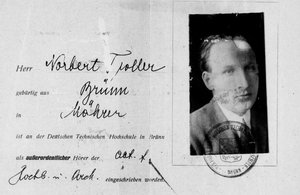
troller, norbert
1896 - 1984 , Czech Republic
プロフィール概要
- Artistic Movement Or Style: Pre-Raphaelite Brotherhood
- Artists Or Movements Influenced By This Artist: ['Fernand Léger']
- Artists Who Influenced This Artist:
- William Holman Hunt
- John Ruskin
- Date Of Birth: June 8, 1829
- Date Of Death: August 13, 1896
- Full Name: John Everett Millais
- Nationality: English
- Notable Artworks:
- Ophelia
- Christ in the House of His Parents
- Autumn Leaves
- Place Of Birth: Southampton, England