

 プレビュー
プレビュー
 プリントを購入
 シェアする
シェアする シェアする
シェアする
 詳細を見る
詳細を見る

 ダウンロード
 似ている作品
 X線調査
X線調査 スライドショー
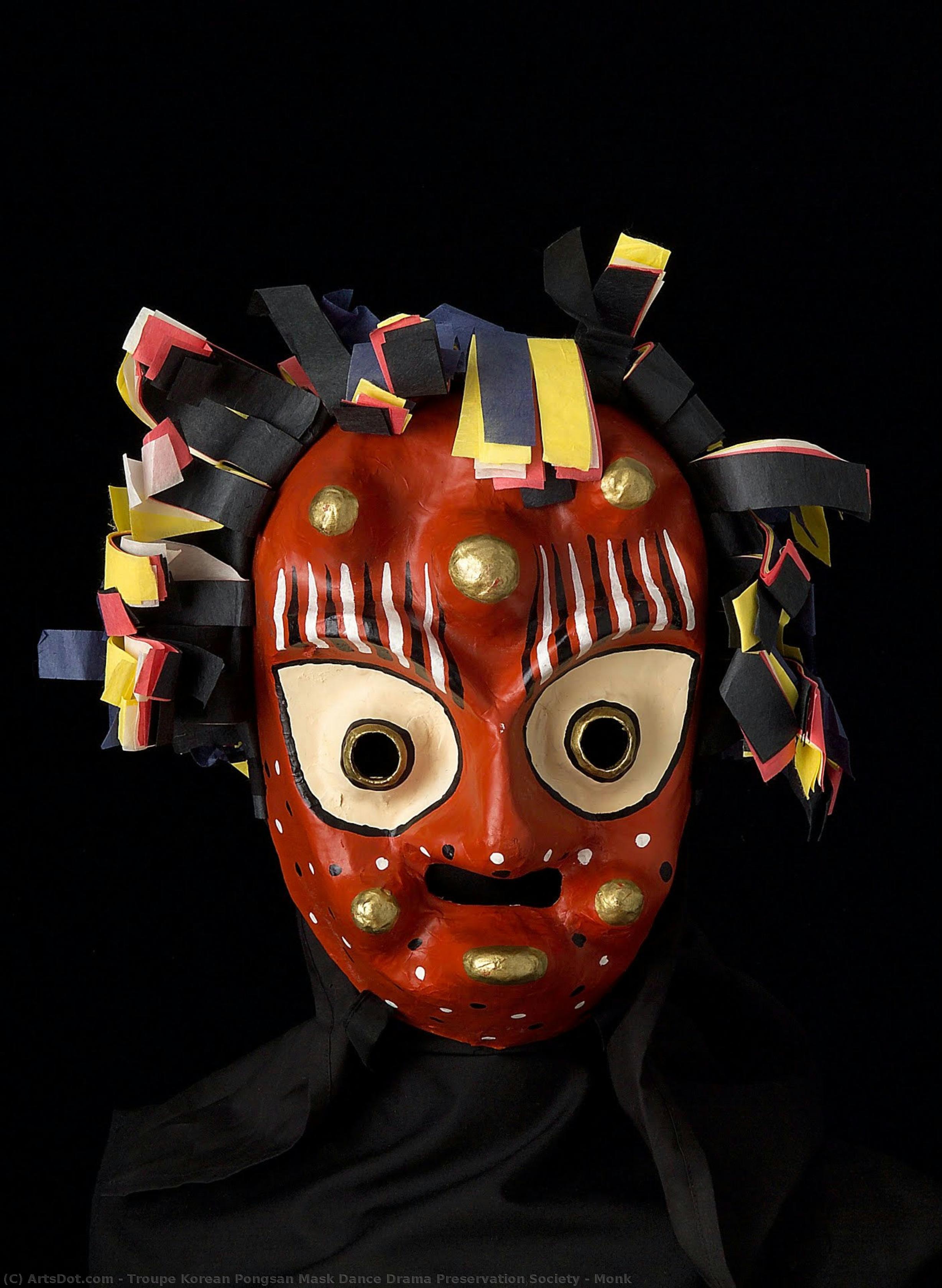
Monk


 詳細を見る
詳細を見る
オンラインプレビューをはるかに凌ぐ、高解像度で鮮明なデジタル画像をご購入いただけます。
各ファイルは、社内の専門家が高度なツールと熟練した手作業によるレタッチを用いて、細心の注意を払って準備されています。すべての画像において、卓越した鮮明度、正確な色彩再現性、そして繊細なディテールを保証いたします。
最終ファイルは、プロフェッショナルな編集・印刷環境ですぐにご利用いただけるよう最適化された状態で、72時間以内にメールにてお届けいたします。これは、一流のデザインスタジオ、出版社、ギャラリーから信頼されているものと同等の品質です。
デジタル画像のご注文に付随する特典
高品質なデジタル画像配信を、確かな品質で。
ArtsDot.com を選ぶことは、単に画像を手に入れることではありません。それは、プロの手によって精密に仕上げられ、満足保証が付いた高品質なデジタルアートワークを受け取ることを意味します。ご注文いただいた際に自動的に付随する内容は、以下の通りです:

メールですぐにお届け
ご注文から72時間以内に、高解像度のデジタル画像ファイルがメールでお手元に届きます。すぐにそのままご利用いただけます。

AI技術で最適化されたデジタルファイル
お客様の作品は、高度なAIツールと専門家による手作業の編集を組み合わせてプロフェッショナルに最適化されており、細部のディテール、鮮明さ、そして正確な色再現性を最大限に引き出しています。

一生涯無料の再送サービス
ファイルを誤って削除したり、紛失してしまったりしましたか?ご安心ください。いつでも無料で再送いたします。

輸入手数料は一切かかりません
関税や手数料、配送料を気にすることなく、お気に入りのアートワークをすぐにお楽しみいただけます。デジタルダウンロードは常に免税です。

色彩再現の保証
プロ仕様のツールとカラーマネジメント技術を用いることで、デジタル画像が元の色を最大限に忠実に再現することを保証いたします。

60日間満足保証
ご購入いただいたデジタル画像にご満足いただけない場合は、60日以内であれば、修正または100%の返金(理由を問う必要はありません)をさせていただきます。

100% 返金保証
ご満足いただけない場合は、デジタルファイルを受け取ってから60日以内であれば、理由を問わず全額返金いたします。

まとめ買い割引
3枚購入で10%OFF - 5枚購入で15%OFF - 10枚以上購入で20%OFF。クリエイティブなプロジェクト、ギャラリー、エージェンシーに最適です。
関連作品





作家の略歴
The Enduring Legacy of the Troupe Korean Pongsan Mask Dance Drama Preservation Society
The Troupe Korean Pongsan Mask Dance Drama Preservation Society represents more than just a collective of performers; it embodies a centuries-old tradition, a vibrant thread woven into the cultural tapestry of Korea. Originating from the Hwanghae Province – now in North Korea but historically a crucial center for this art form – the Bongsan Mask Dance (탈춤, *talchum*) is a dynamic spectacle that seamlessly blends ritual, satire, and storytelling. While pinpointing exact origins proves elusive, its roots stretch back to the Joseon Dynasty (1392-1910), evolving from shamanistic practices and agricultural rites into a sophisticated performance art enjoyed by all levels of society. The troupe’s very existence is a testament to resilience, born out of a conscious effort to safeguard this invaluable heritage against the tides of modernization and political upheaval.A History Forged in Preservation
The story of the Society isn't one of continuous unbroken tradition, but rather a narrative of revival and dedication. Around 1915, as administrative centers shifted and transportation networks expanded with the opening of the Seoul-Shinuiju Railroad, performances moved to the foot of Mt. Kyongnam in Sariwon. Recognizing the fragility of this cultural expression, a group of dedicated players and local enthusiasts formed the Bongsan Mask Dance Drama Preservation Society in the early 1930s. This marked a pivotal moment – a deliberate act of conservation. The Korean War (1950-1953) threatened to extinguish this flame entirely, but remarkably, most performers escaped south, allowing for the society’s reestablishment in 1958 with key figures like Kim Jin Ok and Lee Keun Sung at its helm. This relocation was not merely a continuation of practice; it was a rebirth, a conscious effort to rebuild and propagate a tradition deeply scarred by conflict. The troupe's subsequent recognition – winning the Presidential Prize at the National Folk Arts Contest in 1961 and being designated as Korea’s 17th Important Intangible Cultural Property in 1967 – solidified its position as a national treasure, ensuring ongoing support and scholarly attention.The Masks: Vessels of Character and Commentary
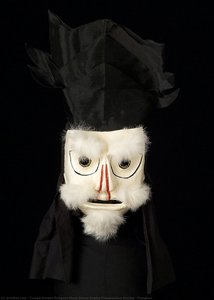
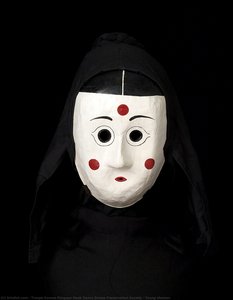
Central to the Bongsan Mask Dance are the masks themselves. These aren't simply props; they *are* the characters, imbued with personality, history, and social commentary. Each mask represents archetypal figures – the Yangban (aristocrat), often portrayed as arrogant and corrupt; the Monk, frequently depicted as lecherous or foolish; the Young Shaman, embodying spiritual power and connection to the otherworld; and the mischievous Monkey, a symbol of playful rebellion. Crafted from paper mâché, textiles, and sometimes fur, these masks are not static objects but dynamic tools for social satire. The Yangban mask, for example, reflects the complexities of Joseon Dynasty society where aristocratic status wasn’t solely hereditary but earned through rigorous examinations – a point often playfully challenged in performances. The plays themselves aren't rigidly scripted; improvisation and interaction with the audience are key elements, allowing performers to respond to contemporary issues and maintain the dance’s relevance. The act of burning the masks after a performance is particularly significant, symbolizing the expulsion of evil spirits and a cyclical renewal of the tradition.Performance as Ritual and Social Critique
The Bongsan Mask Dance isn't solely entertainment; it’s deeply rooted in ritualistic practices. Performances typically begin with a shamanic ceremony designed to purify the space and invoke benevolent energies. This connection to ancient beliefs underscores the dance’s spiritual dimension, highlighting its role as more than just a theatrical spectacle. However, interwoven within this sacred framework lies a potent strain of social critique. The plays are renowned for their satirical jabs at societal norms, exposing hypocrisy, corruption, and the foibles of human nature. The characters engage in humorous interactions, often challenging authority figures and questioning established power structures. This element of playful rebellion is what has resonated with audiences for generations, offering a cathartic release and a space for collective reflection. The dance’s ability to simultaneously entertain and provoke makes it a uniquely powerful form of cultural expression.Continuing the Tradition: Education and Future Aspirations
The Troupe Korean Pongsan Mask Dance Drama Preservation Society doesn't merely perform; it actively cultivates future generations of artists. Since 1962, they have been dedicated to training successors, ensuring the continuity of this invaluable art form. Their commitment extends beyond performance, encompassing educational initiatives throughout the nation and a vision for establishing a dedicated institute – a space where films documenting past masters, historical materials, and practice facilities will be accessible to both Koreans and international scholars. This ambitious project reflects their unwavering dedication to preserving not just the *practice* of Bongsan Mask Dance but also its rich history and cultural context. The Society’s ongoing efforts promise to ensure that this vibrant tradition continues to thrive, captivating audiences for centuries to come and serving as a powerful reminder of Korea's enduring artistic heritage.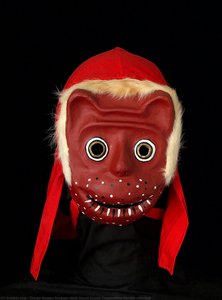
プロフィール概要
- Artistic Movement Or Style: Korean Mask Dance-Drama
- Date Of Death: Living
- Full Name: Troupe Korean Pongsan Mask Dance Drama Preservation Society
- Nationality: Korea
- Notable Artworks:
- Young Shaman
- Monk
- Monkey
- Yangban

