

 プレビュー
プレビュー
 プリントを購入
 シェアする
シェアする シェアする
シェアする
 詳細を見る
詳細を見る

 ダウンロード
 似ている作品
 X線調査
X線調査 スライドショー
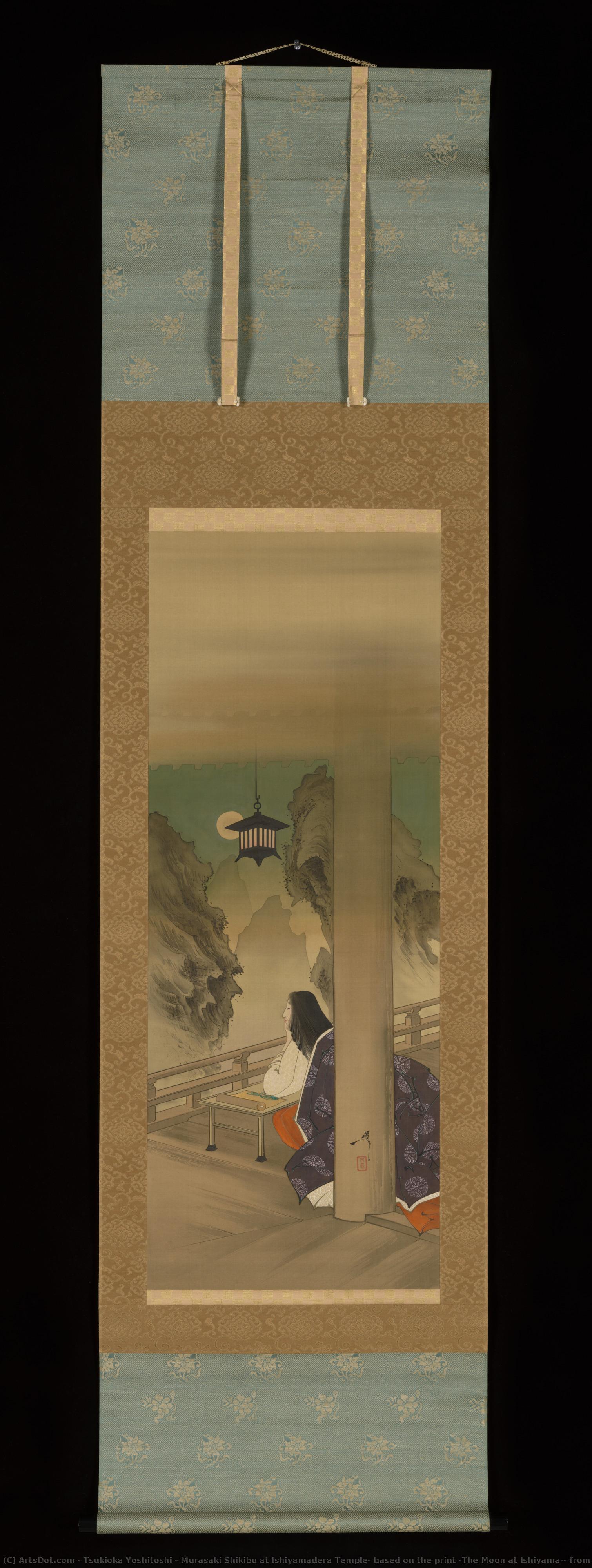
Murasaki Shikibu at Ishiyamadera Temple, based on the print “The Moon at Ishiyama,” from the series One Hundred Aspects of the Moon (Tsuki hyakushi: Ishiyama no tsuki)
 Painting
- Ukiyo-e
 1892
1892- 19th Century
 105.0 x 41.0 cm
 詳細を見る
詳細を見る
オンラインプレビューをはるかに凌ぐ、高解像度で鮮明なデジタル画像をご購入いただけます。
各ファイルは、社内の専門家が高度なツールと熟練した手作業によるレタッチを用いて、細心の注意を払って準備されています。すべての画像において、卓越した鮮明度、正確な色彩再現性、そして繊細なディテールを保証いたします。
最終ファイルは、プロフェッショナルな編集・印刷環境ですぐにご利用いただけるよう最適化された状態で、72時間以内にメールにてお届けいたします。これは、一流のデザインスタジオ、出版社、ギャラリーから信頼されているものと同等の品質です。
デジタル画像のご注文に付随する特典
高品質なデジタル画像配信を、確かな品質で。
ArtsDot.com を選ぶことは、単に画像を手に入れることではありません。それは、プロの手によって精密に仕上げられ、満足保証が付いた高品質なデジタルアートワークを受け取ることを意味します。ご注文いただいた際に自動的に付随する内容は、以下の通りです:

メールですぐにお届け
ご注文から72時間以内に、高解像度のデジタル画像ファイルがメールでお手元に届きます。すぐにそのままご利用いただけます。

AI技術で最適化されたデジタルファイル
お客様の作品は、高度なAIツールと専門家による手作業の編集を組み合わせてプロフェッショナルに最適化されており、細部のディテール、鮮明さ、そして正確な色再現性を最大限に引き出しています。

一生涯無料の再送サービス
ファイルを誤って削除したり、紛失してしまったりしましたか?ご安心ください。いつでも無料で再送いたします。

輸入手数料は一切かかりません
関税や手数料、配送料を気にすることなく、お気に入りのアートワークをすぐにお楽しみいただけます。デジタルダウンロードは常に免税です。

色彩再現の保証
プロ仕様のツールとカラーマネジメント技術を用いることで、デジタル画像が元の色を最大限に忠実に再現することを保証いたします。

60日間満足保証
ご購入いただいたデジタル画像にご満足いただけない場合は、60日以内であれば、修正または100%の返金(理由を問う必要はありません)をさせていただきます。

100% 返金保証
ご満足いただけない場合は、デジタルファイルを受け取ってから60日以内であれば、理由を問わず全額返金いたします。

まとめ買い割引
3枚購入で10%OFF - 5枚購入で15%OFF - 10枚以上購入で20%OFF。クリエイティブなプロジェクト、ギャラリー、エージェンシーに最適です。
作品の詳細
A Moment of Literary Genesis
In the quiet, contemplative depths of Tsukioka Yoshitoshi’s 1892 masterpiece, Murasaki Shikibu at Ishiyamadera Temple, we are invited to witness a sacred moment of creative birth. This evocative painting, part of the legendary series One Hundred Aspects of the Moon, captures the Heian-era noblewoman and author at the very precipice of literary immortality. As she sits poised before her writing desk, the weight of history feels palpable. Yoshitoshi does not merely depict a woman writing; he illustrates the profound stillness required for the soul to translate inspiration into the written word—a moment that would eventually yield the monumental Tale of Genji.
The composition breathes with a unique atmospheric tension. Unlike many of his predecessors who sought to capture the sweeping, romantic vistas of Lake Biwa, Yoshitoshi directs our gaze toward the rugged, craggy outcrops of wollastonite stone that define Ishiyamadera. This deliberate departure from tradition grounds the scene in a tactile, earthly reality. The interplay between the delicate, silk-clad figure and the sharp, unyielding textures of the landscape creates a visual metaphor for the human spirit attempting to capture the ephemeral beauty of the moon within the permanence of ink and paper.
Mastery of the Ukiyo-e Legacy
As the last great master of the ukiyo-e tradition, Yoshitoshi brings an unparalleled dramatic flair to this work. His technique seamlessly blends the classical elegance of woodblock print aesthetics with a more fluid, painterly sensibility that reflects the changing tides of Meiji-era Japan. The brushwork is masterful, capturing the intricate folds of the traditional kimono and the soft, organic presence of the birds that surround the protagonist. These avian companions, perched near her and upon her shoulders, act as silent witnesses to her genius, adding a layer of natural harmony and gentle movement to an otherwise meditative scene.
For the discerning collector or interior designer, this piece offers a profound sense of tranquility and intellectual depth. The color palette, though subtle, evokes the cool, nocturnal atmosphere of a moonlit temple night, making it an exquisite focal point for spaces dedicated to study, reflection, or sophisticated repose. To possess a reproduction of this work is to bring a fragment of Japan’s golden literary age into the modern home, offering a window into a world where nature, myth, and literature are inextricably entwined.
Symbolism and Emotional Resonance
Beyond its technical brilliance, the painting serves as a powerful symbol of the intersection between solitude and creation. The presence of the other figures—shadowy presences in the periphery—emphasizes Murasaki’s internal isolation, a necessary state for the profound introspection required by her craft. The craggy landscape, while geographically divergent from traditional depictions, symbolizes the strength and endurance of the literary legacy she was forging.
Every element, from the placement of the birds to the ruggedness of the stone, contributes to an emotional resonance that is both haunting and serene. It is a piece that invites the viewer to pause, to breathe, and to contemplate their own moments of inspiration. Whether displayed in a curated gallery setting or as a centerpiece in a luxurious living space, this artwork continues to captivate with its ability to bridge the gap between the historical past and the emotional present.
関連作品
作家の略歴
月岡芳年:浮世絵の最後の巨匠、激動の時代を映す一太
月岡芳年(1839年4月30日 – 1892年6月9日)は、江戸から明治にかけて活躍した日本の浮世絵師であり、その名は、浮世絵という芸術形式が衰退していく中で、最後の偉大な巨匠として歴史に刻まれています。幼名尾張屋米次郎といい、東京の神橋で生まれ育ちました。父は商人で武士に取り立てられた身分でしたが、幼少期を叔父のもとに預けられ、薬師修行をすることになります。しかし、彼の心をとらえたのは薬ではなく、絵画でした。1850年、わずか11歳という若さで浮世絵師・歌川国芳に師事し、その才能を開花させます。国芳から受けた影響は計り知れませんが、芳年は単なる模倣に終わらず、独自の芸術世界を切り開いていくのです。激動の時代と「血腥い版画」
芳年の生きた時代は、まさに激動の時代でした。ペリー来航による開国、幕府の権威失墜、そして尊王攘夷運動の高まり…社会全体が大きな変革期を迎えていました。こうした時代の空気は、芳年の作品にも色濃く反映されています。特に初期の作品群である「血腥い版画」は、その名の通り、暴力的な場面や死を赤裸々に描き出し、当時の人々の不安と興奮を代弁したと言えるでしょう。「二十八奇案」はその代表作であり、凄惨な殺人事件を題材に、人間の暗部を容赦なく表現しています。これらの作品は、その衝撃的な描写から賛否両論を巻き起こしましたが、同時に、芳年の芸術的才能と時代の空気を感じさせるものであり、多くの人々を魅了しました。西洋の影響と革新
芳年は、単に時代を反映するだけでなく、積極的に新しい表現方法を取り入れる姿勢も持ち合わせていました。開国以降、西洋の絵画や版画が大量に流入し、日本の芸術家たちにも大きな影響を与えました。芳年も例外ではなく、西洋の遠近法や構図などを研究し、自身の作品に取り入れました。その結果、従来の浮世絵には見られなかった奥行きのある表現や、ダイナミックな構図が生まれ、彼の作品はより一層洗練されたものとなりました。また、彼は Kabuki 役者絵だけでなく、歴史画や風俗画など、幅広いジャンルの作品を手掛け、その才能の幅広さを示しました。武士絵と晩年の軌跡
明治時代に入ると、社会情勢は大きく変化し、浮世絵の人気も徐々に衰退していきます。しかし、芳年は時代の変化に屈することなく、独自の芸術道を歩み続けます。特に「当世勧進帳」や「東錦百物語」といった武士絵シリーズは、彼の代表作として知られています。これらの作品は、当時の社会情勢を反映したストーリー展開と、力強い人物描写が特徴であり、多くの人々を魅了しました。晩年は経済的に苦しい生活を送ることもありましたが、それでも彼は版画制作を続けました。そして1892年、53歳という若さでこの世を去りますが、彼の残した作品は、浮世絵の歴史における重要な遺産として、今もなお多くの人々を魅了し続けています。芳年の芸術的意義
月岡芳年は、浮世絵の最後の巨匠であると同時に、日本の近代美術に大きな影響を与えた芸術家でもありました。彼の作品は、単なる風俗画や役者絵にとどまらず、社会情勢を反映したメッセージ性を持つものであり、その革新的な表現方法は、後の日本美術に多大な影響を与えました。また、西洋の技法を取り入れながらも、日本の伝統美を失わない姿勢は、多くの芸術家たちの模範となりました。芳年の作品は、激動の時代を生き抜いた人々の想いを映し出す鏡であり、今なお私たちに感動と興奮を与え続けています。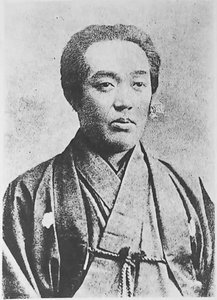
月岡芳年 (Tsukioka Yoshitoshi)
1839 - 1892 , 日本
プロフィール概要
- 主な作品:
- 東海道五十三次
- 美人画
- 武者絵詞
- 出身地: 日本、東京都
- 国籍: 日本
- 影響を与えた芸術家: ['後世の日本画家']
- 影響を受けた芸術家:
- 歌川広重
- 葛飾北斎
- 富岡鉄斎
- 氏名: 月岡芳年
- 没年月日: 1892年6月9日
- 生年月日: 1839年4月30日
- 芸術運動: 浮世絵

