

 プレビュー
プレビュー
 シェアする
シェアする シェアする
シェアする
 詳細を見る
詳細を見る

 ダウンロード
 似ている作品
 X線調査
X線調査 スライドショー
 統計情報
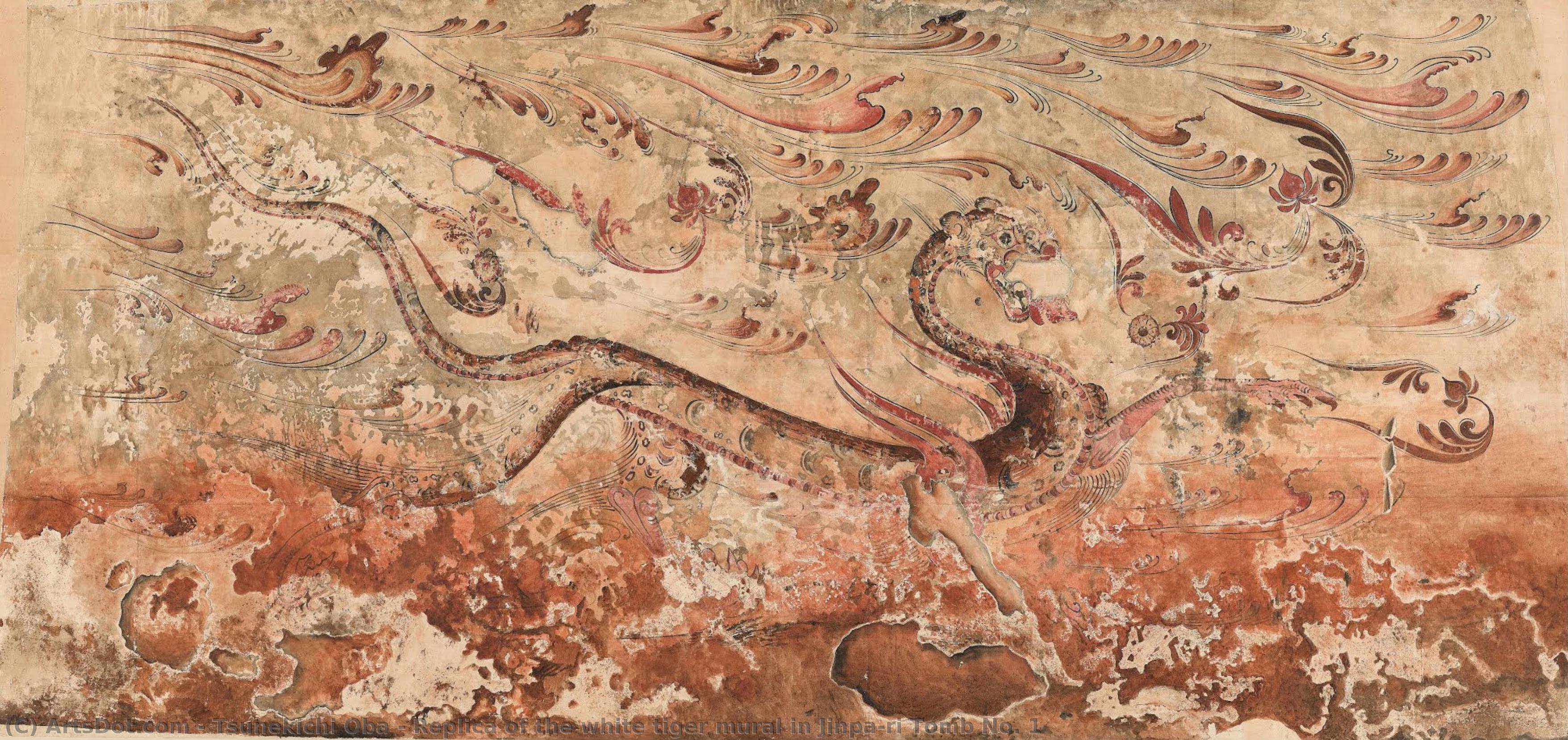
統計情報Replica of the white tiger mural in Jinpa-ri Tomb No. 1


 詳細を見る
詳細を見る
オンラインプレビューをはるかに凌ぐ、高解像度で鮮明なデジタル画像をご購入いただけます。
各ファイルは、社内の専門家が高度なツールと熟練した手作業によるレタッチを用いて、細心の注意を払って準備されています。すべての画像において、卓越した鮮明度、正確な色彩再現性、そして繊細なディテールを保証いたします。
最終ファイルは、プロフェッショナルな編集・印刷環境ですぐにご利用いただけるよう最適化された状態で、72時間以内にメールにてお届けいたします。これは、一流のデザインスタジオ、出版社、ギャラリーから信頼されているものと同等の品質です。
デジタルアート
個人での鑑賞、印刷、クリエイティブなプロジェクト用に、高解像度ファイルをダウンロードできます。 ( プリント版に切り替え 手描きの絵画を購入)
デジタル画像のご注文に付随する特典
高品質なデジタル画像配信を、確かな品質で。
ArtsDot.com を選ぶことは、単に画像を手に入れることではありません。それは、プロの手によって精密に仕上げられ、満足保証が付いた高品質なデジタルアートワークを受け取ることを意味します。ご注文いただいた際に自動的に付随する内容は、以下の通りです:

メールですぐにお届け
ご注文から72時間以内に、高解像度のデジタル画像ファイルがメールでお手元に届きます。すぐにそのままご利用いただけます。

AI技術で最適化されたデジタルファイル
お客様の作品は、高度なAIツールと専門家による手作業の編集を組み合わせてプロフェッショナルに最適化されており、細部のディテール、鮮明さ、そして正確な色再現性を最大限に引き出しています。

一生涯無料の再送サービス
ファイルを誤って削除したり、紛失してしまったりしましたか?ご安心ください。いつでも無料で再送いたします。

輸入手数料は一切かかりません
関税や手数料、配送料を気にすることなく、お気に入りのアートワークをすぐにお楽しみいただけます。デジタルダウンロードは常に免税です。

色彩再現の保証
プロ仕様のツールとカラーマネジメント技術を用いることで、デジタル画像が元の色を最大限に忠実に再現することを保証いたします。

100日間満足保証
ご購入いただいたデジタル画像にご満足いただけない場合は、100日以内であれば、理由を問わず修正または100%の返金対応をさせていただきます。

100% 返金保証
ご満足いただけない場合は、デジタルファイルを受け取ってから100日以内であれば、理由を問わず全額返金いたします。

まとめ買い割引
3枚購入で10%OFF - 5枚購入で15%OFF - 10枚以上購入で20%OFF。クリエイティブなプロジェクト、ギャラリー、エージェンシーに最適です。
A Majestic Encounter with Antiquity
In the quiet halls of the National Museum of Korea, there exists a window into a lost era, captured through the breathtaking Replica of the white tiger mural in Jinpa-ri Tomb No. 1. This expansive masterpiece, measuring an imposing 155 x 330 cm, does more than merely decorate a space; it transports the viewer across centuries to the sacred funerary traditions of ancient Korea. The painting presents a vision of power and mystery, where the formidable silhouette of a white tiger emerges from the shadows. With its head partially veiled by architectural elements, the tiger possesses an enigmatic presence that commands immediate attention, inviting the observer to contemplate what lies hidden within the depths of history.
The artistry of this reproduction breathes life into the ancient mural, utilizing a meticulous approach to detail that honors the original's spirit. The texture of the painting suggests a profound connection to the earth and the passage of time, as if the brushstrokes themselves were carved from the very stone of the Jinpa-ri tomb. For the discerning collector or interior designer, this piece offers a rare opportunity to integrate a sense of monumental scale and historical gravity into a contemporary setting. The interplay of light and shadow across the tiger's form creates a dynamic visual rhythm, making it a centerpiece that anchors a room with its silent, predatory grace.
Symbolism and the Spirit of the White Tiger
To behold this artwork is to engage with one of East Asia's most potent symbols. In many ancient traditions, the white tiger is not merely an animal but a celestial guardian, representing strength, protection, and the warding off of evil spirits. Within the context of the Jinpa-ri tomb, the mural served as a spiritual sentinel, guarding the deceased in the afterlife. The way the tiger’s body is prominently displayed, yet partially obscured, evokes a sense of the divine presence that remains ever-watchful but unseen. This duality—the visible power and the hidden mystery—creates an emotional resonance that is both soothing and awe-inspiring.
For those seeking to curate spaces that evoke contemplation and prestige, this reproduction offers a profound narrative depth. It is a piece that speaks of endurance and the eternal cycle of life and death. The subtle nuances in the tiger's markings and the deliberate composition allow for a versatile application in high-end decor, whether placed in a minimalist gallery-style living room or a sophisticated study. By bringing this mural into a modern interior, one does not just display art; one invites a legendary guardian to preside over the home, infusing the environment with an aura of ancient wisdom and unparalleled majesty.
関連作品

作家の略歴
The Soul of the Nihonga: The Life and Legacy of Tsunekichi Oba
In the delicate intersection where ancient tradition meets the dawn of modernity, the work of Tsunekichi Oba (1878–1958) resides as a profound testament to Japanese artistic resilience. Born in the scenic Akita Prefecture, Oba emerged during a transformative era for Japan, a period when the nation was navigating the complex currents of Western influence while striving to preserve its cultural essence. His journey was not merely one of personal skill, but a dedicated mission to revitalize Nihonga—the traditional Japanese painting style—by breathing new life into the venerable aesthetics of the Kanō School. Through his brush, the bold outlines and vibrant pigments of the fifteenth-century masters were reimagined for a contemporary audience, creating a visual language that felt both timeless and strikingly fresh.
Oba’s artistic foundation was laid within a family deeply rooted in artistic heritage, providing him with an early immersion in the nuances of visual storytelling. His formal education at the prestigious Tokyo Art School allowed him to master the technical rigors of his craft, specifically the assertive lines and rich color palettes characteristic of the Kanō lineage. This training instilled in him a deep respect for the structural integrity of a composition, yet he was never a mere imitator of the past. Instead, he sought a synthesis of styles, blending the disciplined techniques of traditional ink and pigment painting with a subtle, modern sensibility that captured the ephemeral beauty of the natural world.
Nature as Narrative: Symbolism and Technique
The heart of Oba’s oeuvre lies in his ability to transform the landscape into a spiritual experience. His compositions often feature serene mountain ranges shrouded in mist, tranquil waters reflecting the celestial light, and the delicate presence of flora and fauna. These were not merely decorative subjects; they were laden with profound symbolism. In the Japanese tradition, birds and blossoms are frequently used as auspicious emblems of longevity, prosperity, and the cyclical nature of life. Oba utilized these motifs to create works that functioned as visual poems, inviting viewers to contemplate the harmony between the earthly and the divine.
Beyond the canvas, Oba demonstrated a remarkable versatility by employing the medium of woodblock printing to elevate his narratives. This technique allowed him to expand the reach of his vision, translating the intricate textures and atmospheric depths of his paintings into a more reproducible form that could resonate with a broader public. His mastery over both the fluid brushwork of Nihonga and the graphic precision of printmaking highlights a technical dexterity that is rare among his contemporaries. Whether depicting a single, dew-covered petal or an expansive, misty vista, his work maintains a consistent sense of rhythmic balance and emotional depth.
A Monumental Legacy: From Murals to Modern Memory
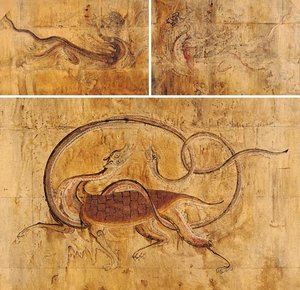
One of the most captivating dimensions of Oba’s contribution to art history is his ability to bridge disparate cultural histories. His artistic reach extended even to the interpretation of ancient motifs, such as his breathtakingly detailed work inspired by the white tiger mural in Jinpa-ri Tomb No. 1. In recreating such monumental imagery, Oba tapped into a sense of ancient majesty and mystery, connecting the sacred funerary traditions of ancient Korea with the refined aesthetics of Japanese painting. This ability to evoke the weight of history through a meticulous, almost sculptural approach to detail demonstrates his role as a custodian of much older, pan-Asian artistic spirits.
Today, the legacy of Tsunekichi Oba continues to inspire collectors and scholars alike. His work stands as a vital link in the evolution of Japanese art, representing a successful navigation through the tensions of tradition and innovation. By honoring the foundational principles of his ancestors while embracing the evolving landscape of the twentieth century, Oba ensured that the essence of Nihonga would not merely survive, but flourish. His paintings remain windows into a world of quiet strength and enduring beauty, reminding us of the power of art to preserve the soul of a culture across the passage of time.
tsunekichi oba
1878 - 1958 , Japan
プロフィール概要
- Artistic Movement Or Style: Nihonga
- Artists Or Movements Influenced By This Artist: ['Western Art']
- Artists Who Influenced This Artist: ['Kanō School']
- Date Of Birth: 1878
- Full Name: Tsunekichi Oba
- Nationality: Japanese
- Notable Artworks: ['Landscape and Couplet of Chinese Verse']
- Place Of Birth: Akita, Japan