

 プレビュー
プレビュー
 シェアする
シェアする シェアする
シェアする
 詳細を見る
詳細を見る

 ダウンロード
 似ている作品
 X線調査
X線調査 スライドショー
 統計情報
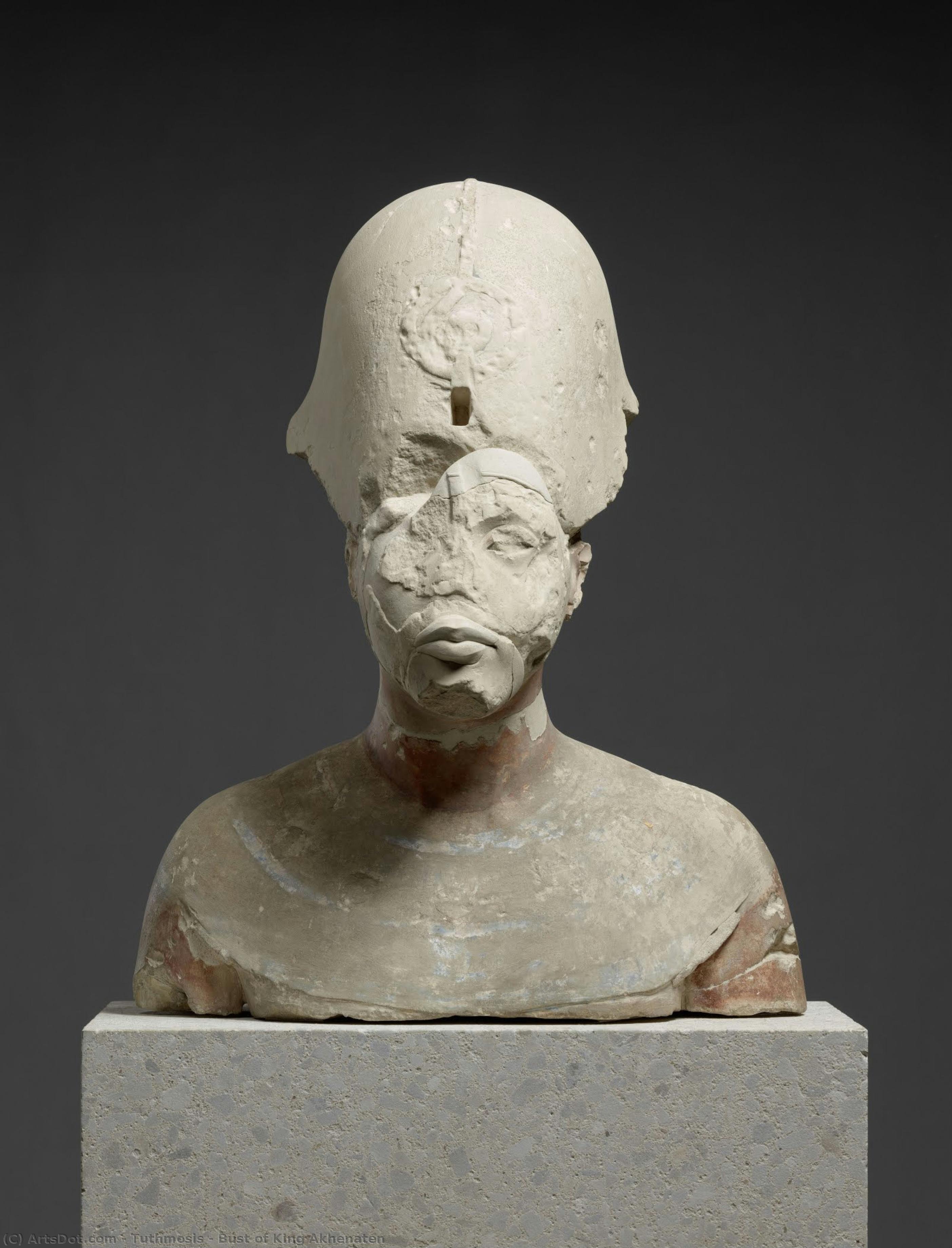
統計情報Bust of King Akhenaten


 詳細を見る
詳細を見る
手描き油彩複製画
当社のアーティストが、お客様のご希望のサイズと額縁に合わせて、キャンバスに手描きで制作する油彩画です。 ( プリント版に切り替え デジタル画像販売へ切り替え)




































作品のオリジナル比率に合わせた、当店の規定サイズからお選びください。

特定のフレームやスペースに合わせて、ご希望のサイズをご入力いただけます。選択されたサイズが元の画像の比率と異なる場合、アートワークをトリミングするか、手描きで要素を追加して絵画を拡張いたします。デジタルモックアップ を制作し、制作開始前にご確認(承認)をいただきます。
画面上のプレビューは、実際のトリミングや拡張を正確に反映しているものではありません。最終的な構図は、モックアップによってのみ正確にご確認いただけます。
カスタムサイズもご利用いただけますが、元の比率を維持するためには、あらかじめ用意されたリストからサイズを選択することをお勧めいたします。
ご注文後、ArtsDot.com チームより詳細な指示をお送りするとともに、仕上がりイメージ(モックアップ)をご提供いたします。


 ガラスオプションは、110cm未満のサイズでのみご利用いただけます。

Bust of King Akhenaten
複製技法
複製画のサイズ
-


合計金額
$ 263
関連作品






アーティストの略歴
The Enduring Majesty of Tuthmosis: Sculptor of the Amarna Age
Tuthmosis, a name synonymous with the golden age of ancient Egypt, was born in Amarna around 1340 BC – a pivotal period marked by radical artistic and religious upheaval. More than just an artist, he stands as a key figure in capturing the essence of the reign of Akhenaten, a pharaoh who dared to challenge centuries of tradition and usher in a new era centered on the worship of the sun god Aten. His legacy is inextricably linked with the iconic image of Queen Nefertiti, a sculpture that continues to captivate audiences worldwide and serves as a testament to his unparalleled skill and artistic vision.A Sculptor Forged in Revolution
Tuthmosis’s life unfolded during a time of dramatic transformation within Egypt's political and religious landscape. Akhenaten, abandoning the established pantheon of Egyptian gods, moved the capital from Thebes to Amarna – a newly constructed city dedicated solely to Aten. This shift profoundly impacted art, leading to a departure from the rigid conventions of previous dynasties. Sculptures became more naturalistic, figures were depicted with softer features and flowing lines, and an emphasis was placed on portraying emotion and intimacy. Tuthmosis, deeply immersed in this revolutionary artistic climate, quickly rose to prominence as one of Akhenaten’s most trusted sculptors. His work reflects not only the pharaoh's innovative vision but also a burgeoning sense of realism previously unseen in Egyptian art.The Nefertiti Bust: A Masterpiece of Form and Symbolism
Perhaps Tuthmosis’s most celebrated achievement is undoubtedly the magnificent Bust of Queen Nefertiti, completed around 1340 BC. This limestone sculpture, housed within the Neues Museum in Berlin, is a breathtaking example of Amarna art at its finest. The bust's elongated neck, delicately arched eyebrows, and serene expression have become instantly recognizable symbols of ancient Egypt. Beyond its aesthetic beauty, however, the Nefertiti Bust carries profound symbolic weight. It represents Nefertiti herself – Akhenaten’s Great Royal Wife – as a divine figure embodying the power and grace of Aten. The sculpture's smooth surfaces and subtle details suggest an unprecedented level of intimacy and understanding of the human form, reflecting the artistic ideals championed by Tuthmosis and his contemporaries.Technique and Materials: Echoes of Amarna
Tuthmosis’s mastery lay not only in capturing likeness but also in skillfully manipulating stone. He primarily worked with fine-grained limestone, a material readily available in the quarries surrounding Amarna. His technique involved meticulous carving, utilizing sharp chisels and abrasives to achieve astonishing detail. The surfaces of his sculptures were often polished to a luminous sheen, enhancing their visual impact. The use of *sgraffito*, a technique involving scratching designs into the surface of the stone with pointed tools, allowed for intricate detailing and patterns – a hallmark of Amarna art. Furthermore, Tuthmosis’s understanding of light and shadow contributed significantly to the three-dimensionality of his sculptures, creating a sense of depth and realism that was revolutionary for its time.Legacy and Historical Significance
Though Tuthmosis died around 1300 BC, his influence on Egyptian art endures. The Amarna period, largely due to the work of artists like Tuthmosis, marked a significant departure from traditional artistic conventions, paving the way for subsequent developments in sculpture and portraiture. While Akhenaten’s reforms were ultimately short-lived after his death, the artistic innovations he fostered continued to resonate throughout Egyptian history. The Nefertiti Bust, in particular, remains one of the most recognizable and beloved works of ancient art, a powerful symbol of beauty, power, and the enduring legacy of Tuthmosis – a sculptor who captured the spirit of a revolutionary age.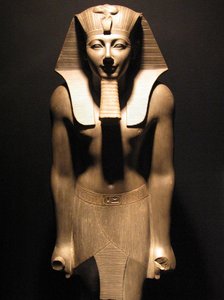
tuthmosis
1340 - 1300 , Egypt
基本情報
- Artistic Movement Or Style: Amarna art style
- Date Of Birth: 1340
- Date Of Death: 1300
- Full Name: tuthmosis
- Nationality: Egyptian
- Notable Artworks:
- Bust of Queen Nefertiti
- King Akhenaten sculpture
- Place Of Birth: Amarna, Egypt