

 プレビュー
プレビュー
 プリントを購入
 シェアする
シェアする シェアする
シェアする
 詳細を見る
詳細を見る

 ダウンロード
 似ている作品
 X線調査
X線調査 スライドショー
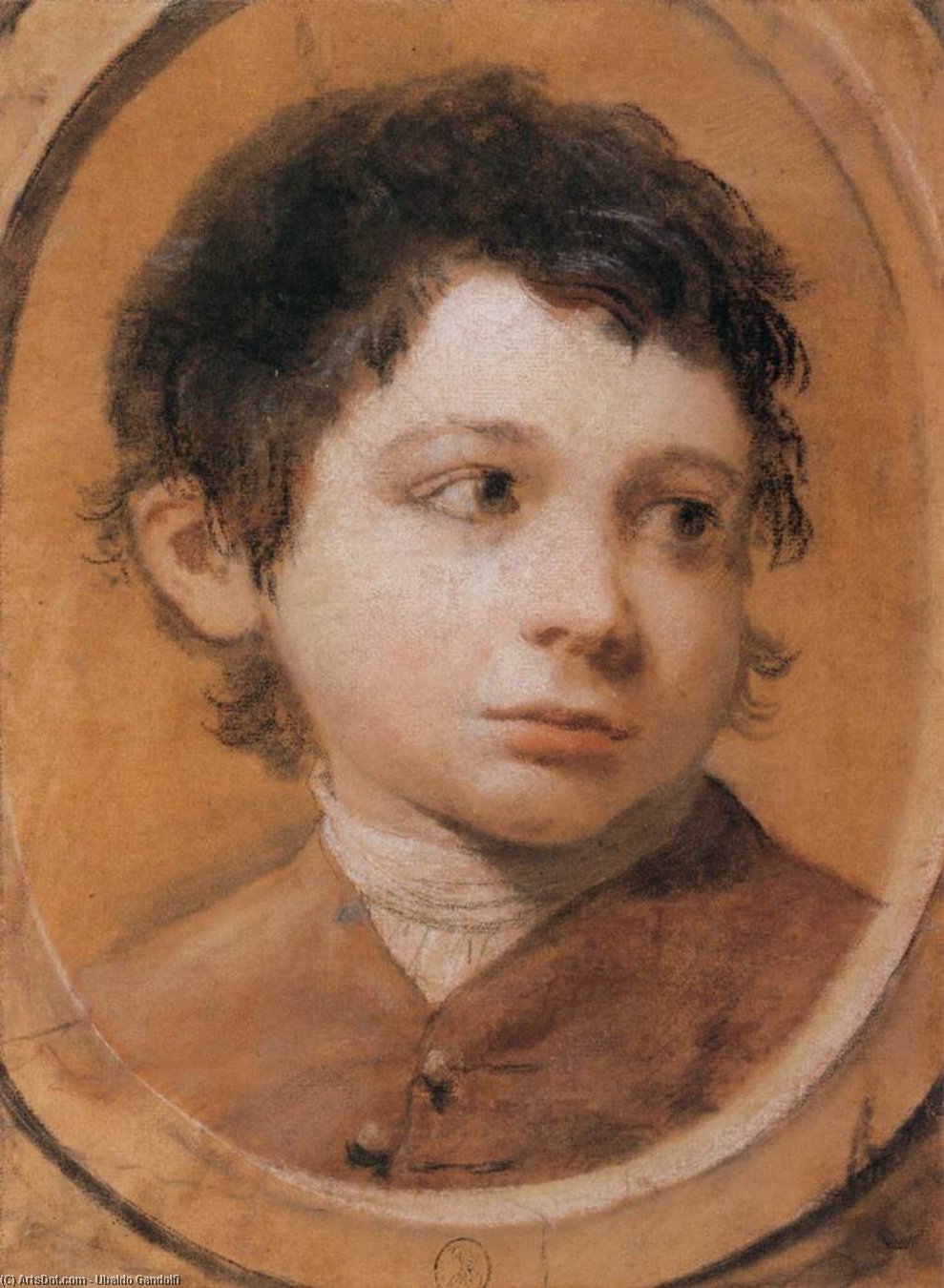
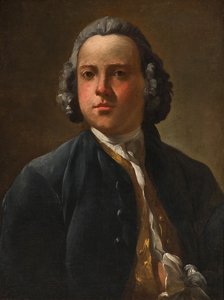
Portrait of a Young Boy
 Oil On Canvas
- WallArt
- Neoclassical/Baroque
 1778
1778 395.0 x 285.0 cm
 ルーブル美術館
 詳細を見る
詳細を見る
オンラインプレビューをはるかに凌ぐ、高解像度で鮮明なデジタル画像をご購入いただけます。
各ファイルは、社内の専門家が高度なツールと熟練した手作業によるレタッチを用いて、細心の注意を払って準備されています。すべての画像において、卓越した鮮明度、正確な色彩再現性、そして繊細なディテールを保証いたします。
最終ファイルは、プロフェッショナルな編集・印刷環境ですぐにご利用いただけるよう最適化された状態で、72時間以内にメールにてお届けいたします。これは、一流のデザインスタジオ、出版社、ギャラリーから信頼されているものと同等の品質です。
デジタル画像のご注文に付随する特典
高品質なデジタル画像配信を、確かな品質で。
ArtsDot.com を選ぶことは、単に画像を手に入れることではありません。それは、プロの手によって精密に仕上げられ、満足保証が付いた高品質なデジタルアートワークを受け取ることを意味します。ご注文いただいた際に自動的に付随する内容は、以下の通りです:

メールですぐにお届け
ご注文から72時間以内に、高解像度のデジタル画像ファイルがメールでお手元に届きます。すぐにそのままご利用いただけます。

AI技術で最適化されたデジタルファイル
お客様の作品は、高度なAIツールと専門家による手作業の編集を組み合わせてプロフェッショナルに最適化されており、細部のディテール、鮮明さ、そして正確な色再現性を最大限に引き出しています。

一生涯無料の再送サービス
ファイルを誤って削除したり、紛失してしまったりしましたか?ご安心ください。いつでも無料で再送いたします。

輸入手数料は一切かかりません
関税や手数料、配送料を気にすることなく、お気に入りのアートワークをすぐにお楽しみいただけます。デジタルダウンロードは常に免税です。

色彩再現の保証
プロ仕様のツールとカラーマネジメント技術を用いることで、デジタル画像が元の色を最大限に忠実に再現することを保証いたします。

60日間満足保証
ご購入いただいたデジタル画像にご満足いただけない場合は、60日以内であれば、修正または100%の返金(理由を問う必要はありません)をさせていただきます。

100% 返金保証
ご満足いただけない場合は、デジタルファイルを受け取ってから60日以内であれば、理由を問わず全額返金いたします。

まとめ買い割引
3枚購入で10%OFF - 5枚購入で15%OFF - 10枚以上購入で20%OFF。クリエイティブなプロジェクト、ギャラリー、エージェンシーに最適です。
作品の詳細
A Moment Frozen in Time: Ubaldo Gandolfi’s Portrait of a Young Boy
The year is 1778, and within the hallowed halls of the Musée du Louvre in Paris resides a painting that whispers of quiet contemplation and youthful innocence – Ubaldo Gandolfi's "Portrait of a Young Boy." More than just a likeness, this pastel masterpiece captures a fleeting moment, an internal world rendered with exquisite delicacy and profound sensitivity. Gandolfi, a pivotal figure bridging the Baroque and Neoclassical eras in Bolognese art, masterfully employs the soft, luminous qualities of pastel to create an image that is both strikingly lifelike and deeply evocative.
Gandolfi’s artistic lineage was steeped in tradition, yet he forged his own distinctive path. Born into a family renowned for its artistic prowess – his brothers Giovanni Battista and Ubaldo Lorenzo, alongside his nephews Mauro and Clementina – he carried forward the legacy of the Bolognese school, known for its meticulous anatomical studies and dramatic compositions. However, Gandolfi’s work transcended mere imitation; he infused it with a profound understanding of light, color, and human emotion, establishing himself as one of the last champions of this esteemed artistic heritage.
The Language of Pastel: Technique and Style
The choice of pastel as the medium is crucial to understanding the painting’s unique character. Unlike oil paints, which build up layers gradually, pastels offer a directness of application—a sense of immediacy and spontaneity. Gandolfi expertly utilizes this technique, applying the pigment with delicate strokes to create subtle gradations of tone and texture. The resulting surface is remarkably soft and luminous, capturing the play of light on the boy’s skin and hair with breathtaking realism. Notice how the pastel creates a hazy, dreamlike quality, softening edges and lending an air of vulnerability to the subject.
The composition itself is deceptively simple. The young boy, positioned slightly off-center, gazes towards the viewer with a thoughtful expression. His short, curly hair frames his face, drawing attention to his wide eyes and gentle features. The warm, golden background provides a subtle contrast, highlighting the boy’s youthful complexion and creating a sense of intimacy. Gandolfi's masterful use of light and shadow sculpts the boy's form, imbuing him with a palpable presence.
A Window into 18th-Century Italy
To fully appreciate “Portrait of a Young Boy,” it’s essential to consider its historical context. The painting was created during the late Baroque and early Neoclassical periods in Italy, a time of significant artistic innovation and cultural change. Gandolfi's work reflects this dynamic environment, blending traditional techniques with emerging stylistic influences. The portrait exemplifies the Bolognese school’s commitment to realism while also embracing the elegance and refinement associated with the Rococo era.
The subject himself—a young boy from a bygone era—represents innocence, potential, and the fleeting nature of youth. Gandolfi captures this essence with remarkable sensitivity, inviting viewers to contemplate the mysteries of childhood and the passage of time. The painting’s quiet dignity and understated beauty resonate across centuries, reminding us of the enduring power of art to capture human emotion and experience.
A Timeless Masterpiece: Reproduction Possibilities
For those seeking to bring the captivating charm of “Portrait of a Young Boy” into their homes or offices, high-quality reproductions offer an accessible way to appreciate Gandolfi’s artistry. ArtsDot.com specializes in meticulously crafted handmade oil paintings that faithfully replicate the original's textures and colors. These reproductions are not mere copies; they are works of art in their own right, capturing the spirit and emotion of Gandolfi’s masterpiece.
Whether you’re an art collector, a design enthusiast, or simply someone who appreciates beauty, “Portrait of a Young Boy” remains a timeless testament to the power of human creativity. Explore the details, savor the subtle nuances, and allow yourself to be transported by this extraordinary painting—a poignant reminder of a moment frozen in time.
関連作品

作家の略歴
The Bolognese Titan: The Life and Legacy of Ubaldo Gandolfi
In the vibrant, sun-drenched landscape of eighteenth-century Italy, few names resonate with the same blend of dramatic intensity and refined grace as Ubaldo Gandolfi. Born in 1728 in San Matteo della Decima, Gandolfi was not merely an individual talent but a central pillar of a formidable artistic dynasty. His very existence was woven into the fabric of the Bolognese school, a lineage that included his brother Gaetano and his sons Giovanni Battista and Ubaldo Lorenzo. This familial devotion to the arts created a fertile environment where the grandeur of the past could meet the burgeoning elegance of the future, positioning Gandolfi as a pivotal bridge between the emotive exuberance of the Baroque and the disciplined clarity of Neoclassicism.
Gandolfi’s formal journey began in 1745 when he entered the prestigious Clementine Academy in Bologna. It was within these hallowed halls that his technical prowess was forged under the watchful eyes of masters such as Ercole Graziani the Younger, Feliente Torelli, and Ercole Lelli. His early years were marked by a rigorous pursuit of anatomical precision and compositional harmony, earning him accolades for figure drawing that signaled the arrival of a true master. While much of his early training was rooted in the local traditions of Bologna, his spirit was restless and expansive. It is believed that during the mid-century, Gandolfi traveled extensively through Italy, visiting legendary centers like Florence and Venice. This period of wandering proved transformative; his 1760 excursion to Venice, alongside his brother, infused his later works with a more vigorous brushwork and an expressive, luminous treatment of color that would become a hallmark of his mature style.
A Mastery of Light, Shadow, and Narrative
The true brilliance of Gandolfi lies in his ability to navigate the shifting aesthetic tides of his era. His oeuvre is a captivating dialogue between two worlds. On one hand, he remained a faithful steward of the Carracci legacy, embracing the dramatic light and shadow—the chiaroscuro—that defined the late-Baroque period. This is nowhere more evident than in his biblical and mythological narratives, such as the harrowing Cain and Abel, where the physical struggle is rendered with a visceral, almost tactile intensity. On the other hand, Gandolfi possessed the sensitivity to embrace the emerging Neoclassical restraint, a quality seen in his exquisite pastel portraits. His Portrait of a Young Boy, now housed in the Louvre, serves as a testament to this elegance, capturing a quiet, thoughtful gaze through soft tones and balanced proportions.
Beyond the grand scale of his frescoes, Gandolfi found profound beauty in the intimate. He was a master of diverse mediums, moving seamlessly between large-scale mural decorations for palaces like the Palazzo Marescalchi and delicate, informal character studies. His ability to breathe life into various subjects allowed him to command respect across different genres:
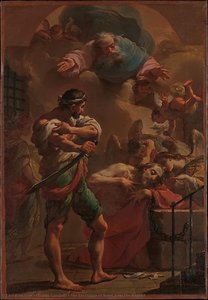
- Religious Iconography: Works such as The Execution of Saint John the Baptist showcase his ability to evoke divine presence through intense emotion.
- Mythological Grandeur: His commissions for the Marchese Gregorio Casali, including scenes of Perseus and Andromeda, demonstrate his skill in composing epic, symbolic narratives.
- Portraiture: A charming series of small portraits of women and children that capture the fleeting essence of human character with remarkable tenderness.
- Sculpture and Drawing: His technical mastery extended to the physical form through sculpture and highly skilled red chalk studies of the human nude.
An Enduring Artistic Significance
As the eighteenth century progressed, Ubaldo Gandolfi’s influence continued to expand, leaving an indelible mark on the artistic landscape of Europe. His appointment as a professor of life drawing at the Accademia Clementina in 1761 solidified his role not just as a creator, but as a mentor to the next generation of Italian artists. Though much of his monumental fresco work has been lost to time, the surviving canvases and sketches remain powerful windows into a period of immense transition. He captured the tension of an age caught between the theatricality of the old world and the rationalism of the new.
Today, Gandolfi is remembered as a painter of profound versatility. Whether he was depicting the opulence of a Madonna with Child or the somber despair of A Sleeping Legionary, his work remains anchored by an unwavering commitment to truth in form and emotion. His legacy lives on through the enduring power of his imagery, reminding us of a time when art was a grand, sweeping endeavor designed to move the soul and elevate the human experience.
Ubaldo Gandolfi
1728 - 1781 , Italy
プロフィール概要
- Artistic Movement Or Style: Baroque & Neoclassical
- Artists Or Movements Influenced By This Artist: ['Bolognese School']
- Artists Who Influenced This Artist: ['Ludovico Carracci']
- Date Of Birth: San Mateo della Decima, Italy (1728)
- Full Name: Ubaldo Gandolfi
- Nationality: Italian
- Notable Artworks:
- Mercury About To Behead Argus
- A Sleeping Legionary
- Madonna With Child, Saint Dominic And Vincenzo Ferreri
- Place Of Birth: San Mateo della Decima

