

 プレビュー
プレビュー
 シェアする
シェアする シェアする
シェアする
 詳細を見る
詳細を見る

 ダウンロード
 似ている作品
 X線調査
X線調査 スライドショー
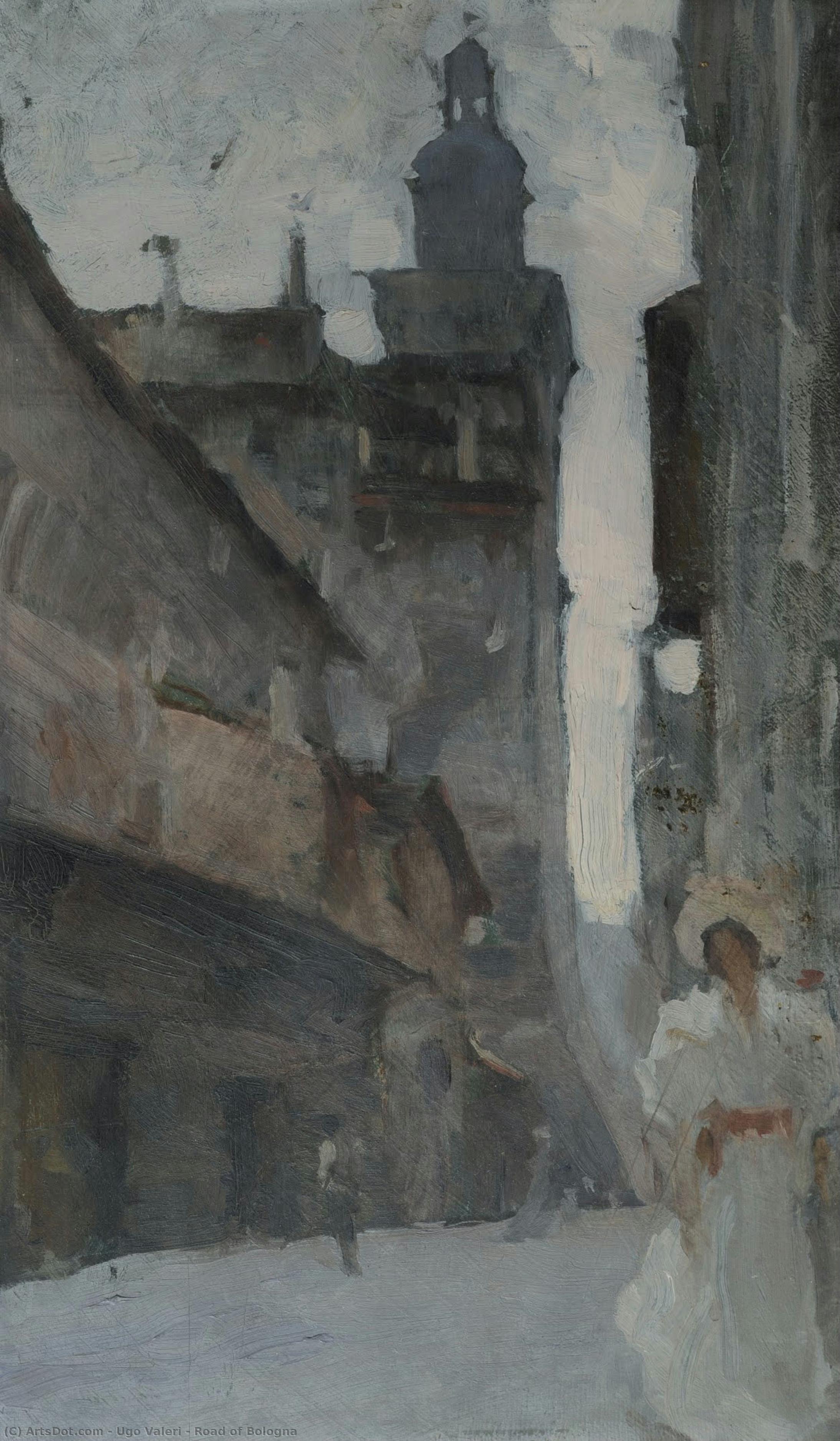
Road of Bologna


 詳細を見る
詳細を見る
ジークレー/アートプリント
迅速な制作と多彩な仕上げオプションを備えた、ミュージアムクオリティのジークレーまたはキャンバスプリント。 ( 手描きの絵画を購入 画像を購入)




































作品のオリジナル比率に合わせた、当店の規定サイズからお選びください。

特定のフレームやスペースに合わせて、ご自身でサイズを指定することも可能です。選択されたサイズが元の画像の比率と一致しない場合、作品をトリミングするか、鏡面反射または単色での塗りつぶしによって画像を拡張いたします。制作を開始する前に、ご確認用のデジタルモックアップをお送りいたします。
画面上のプレビューには、実際のトリミングや拡張は反映されませんのでご注意ください。最終的な構図を正確に確認できるのは、モックアップのみとなります。
カスタムサイズも承っておりますが、元の比率を維持するためには、あらかじめ用意されたリストからサイズを選択することをお勧めいたします。


 ガラスオプションは、110cm未満のサイズでのみご利用いただけます。

Road of Bologna
ジークレー/アートプリント
複製画のサイズ
-


合計金額
$ 62
関連作品







アーティストの略歴
A Fleeting Glimpse of Belle Époque Italy: The Life and Art of Ugo Valeri
Ugo Valeri, born in the small town of Piove di Sacco near Padua, Italy, in 1873, remains a somewhat enigmatic figure within the landscape of Italian Symbolism. His life, tragically cut short in Venice in 1911 at just thirty-eight years old, left behind a body of work that, while not extensive, offers a poignant and evocative glimpse into the sensibilities of the Belle Époque. Valeri wasn’t merely a painter; he was a product of his time—a skilled illustrator steeped in the burgeoning graphic arts scene, deeply influenced by the literary currents of Symbolism, and acutely attuned to the shifting emotional climate of a rapidly modernizing Italy. His artistic journey, though brief, reveals a talent for capturing both the beauty and melancholy inherent in everyday life, making him a compelling figure worthy of renewed attention.Early Training and Artistic Development
Valeri’s formal education included intermittent studies at the prestigious academies of Venice and Bologna. This period was crucial in establishing his technical foundation, but it wasn't within the rigid confines of academic tradition that he truly flourished. Instead, Valeri found himself drawn to the world of illustration, a field experiencing significant growth thanks to advancements in printing technology and the rise of popular magazines. He quickly gained recognition for his contributions to Italian periodicals at the turn of the century, becoming known for his delicate linework and atmospheric compositions. This early work demonstrates a clear affinity for Symbolist aesthetics—a movement that prioritized subjective experience, dreamlike imagery, and the exploration of inner psychological states over strict realism. The influence of artists like Gustave Moreau and Odilon Redon is subtly present in Valeri’s use of muted colors, ethereal forms, and suggestive symbolism. He wasn't simply replicating these styles; he was adapting them to reflect a distinctly Italian sensibility, one rooted in the country’s rich artistic heritage and its own unique cultural anxieties.Landscapes and Figure Paintings: A Synthesis of Observation and Emotion
Valeri’s oeuvre is characterized by two primary subjects: landscapes and figure paintings. His landscapes are not merely topographical representations; they are imbued with a sense of atmosphere and mood, often depicting quiet scenes bathed in soft light. He possessed an exceptional ability to capture the subtle nuances of the Italian countryside—the hazy warmth of a summer afternoon, the stillness of a Venetian lagoon, the rugged beauty of rural life. These paintings evoke a feeling of nostalgia and longing, hinting at a deeper emotional resonance beneath the surface tranquility. His figure paintings, while fewer in number, are equally compelling. He focused on portraying individuals within intimate settings, often capturing moments of quiet contemplation or subtle interaction. There’s a remarkable sensitivity in his depiction of human character—a keen understanding of gesture, expression, and the unspoken emotions that lie beneath the veneer of social convention.The Shadow of Symbolism and Family Legacy
Valeri's artistic vision was deeply intertwined with the broader Symbolist movement sweeping across Europe at the time. He wasn’t a radical innovator pushing the boundaries of form; rather, he was a skilled interpreter who translated the core tenets of Symbolism into his own unique visual language. His work shares the movement’s fascination with the subconscious, its rejection of materialism, and its emphasis on spiritual and emotional experience. It's also important to note Valeri’s familial connections within the Italian artistic community. He was the brother of Diego Valeri, a celebrated poet, literary scholar, and translator. This close relationship likely fostered a shared intellectual environment—a deep appreciation for literature, philosophy, and the power of artistic expression. The influence of his brother's work can be detected in the subtle narratives and poetic undertones present in many of Valeri’s paintings.A Premature End and Lasting Significance
The untimely death of Ugo Valeri in 1911 robbed the Italian art world of a promising talent. His career, though brief, left behind a legacy that continues to resonate with those who appreciate his delicate artistry and evocative sensibility. While he may not be as widely recognized as some of his contemporaries, Valeri’s work offers a valuable insight into the artistic climate of the Belle Époque—a period characterized by both optimism and anxiety, tradition and modernity. His paintings are a testament to the power of observation, the beauty of subtlety, and the enduring allure of the Italian landscape. Today, his works can be found in private collections and museums, offering viewers a fleeting glimpse into the soul of an artist who captured the essence of a bygone era with remarkable grace and sensitivity.
ugo valeri
1873 - 1911 , Italy
基本情報
- Artistic Movement Or Style: Symbolism
- Date Of Birth: 1873
- Date Of Death: 1911
- Full Name: Ugo Valeri
- Nationality: Italian
- Place Of Birth: Pieve di Sacco, Italy

