

 プレビュー
プレビュー
 プリントを購入
 シェアする
シェアする シェアする
シェアする
 詳細を見る
詳細を見る

 ダウンロード
 似ている作品
 X線調査
X線調査 スライドショー
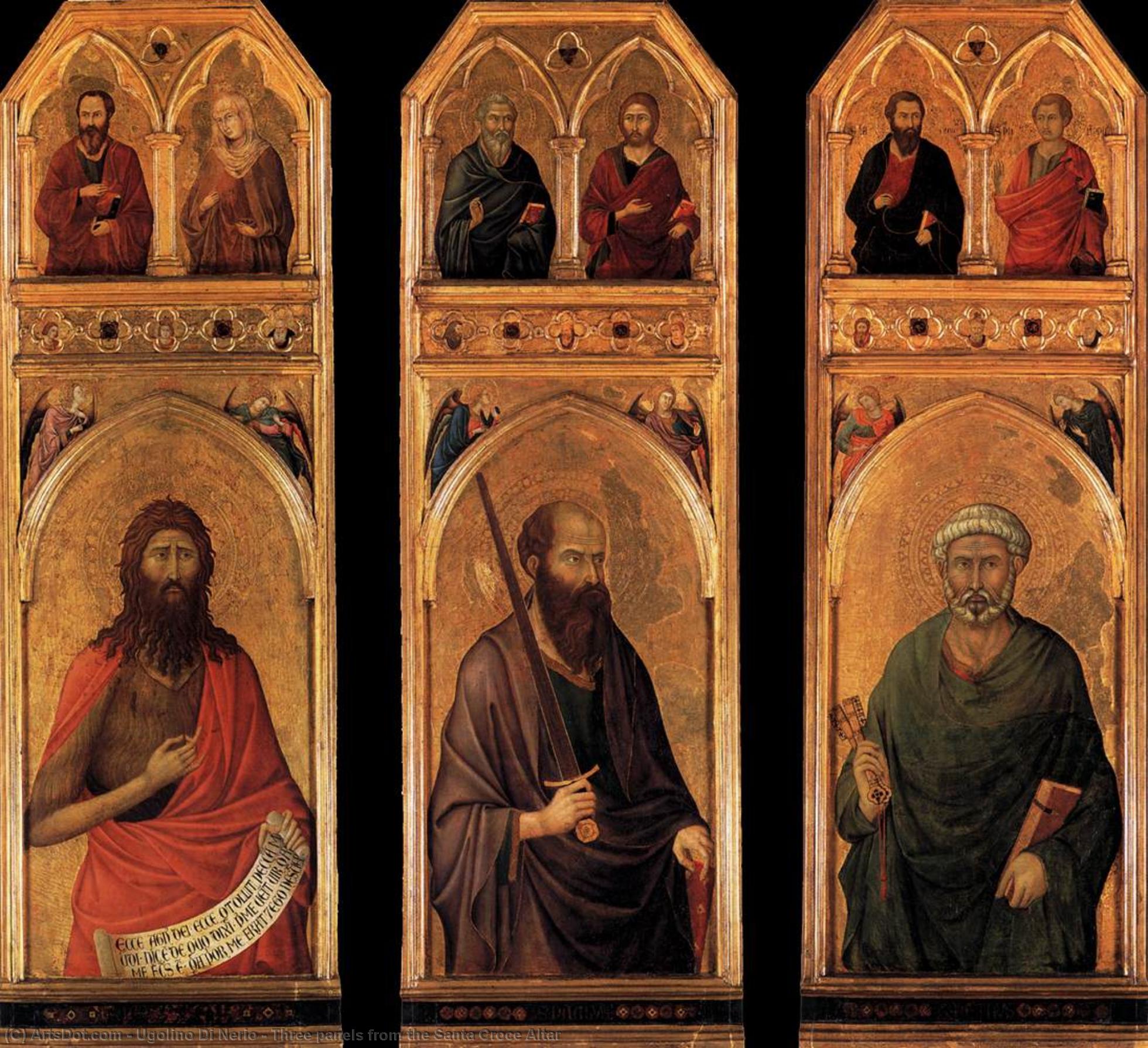
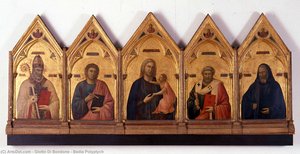
Three panels from the Santa Croce Altar


 詳細を見る
詳細を見る
オンラインプレビューをはるかに凌ぐ、高解像度で鮮明なデジタル画像をご購入いただけます。
各ファイルは、社内の専門家が高度なツールと熟練した手作業によるレタッチを用いて、細心の注意を払って準備されています。すべての画像において、卓越した鮮明度、正確な色彩再現性、そして繊細なディテールを保証いたします。
最終ファイルは、プロフェッショナルな編集・印刷環境ですぐにご利用いただけるよう最適化された状態で、72時間以内にメールにてお届けいたします。これは、一流のデザインスタジオ、出版社、ギャラリーから信頼されているものと同等の品質です。
デジタル画像のご注文に付随する特典
高品質なデジタル画像配信を、確かな品質で。
ArtsDot.com を選ぶことは、単に画像を手に入れることではありません。それは、プロの手によって精密に仕上げられ、満足保証が付いた高品質なデジタルアートワークを受け取ることを意味します。ご注文いただいた際に自動的に付随する内容は、以下の通りです:

メールですぐにお届け
ご注文から72時間以内に、高解像度のデジタル画像ファイルがメールでお手元に届きます。すぐにそのままご利用いただけます。

AI技術で最適化されたデジタルファイル
お客様の作品は、高度なAIツールと専門家による手作業の編集を組み合わせてプロフェッショナルに最適化されており、細部のディテール、鮮明さ、そして正確な色再現性を最大限に引き出しています。

一生涯無料の再送サービス
ファイルを誤って削除したり、紛失してしまったりしましたか?ご安心ください。いつでも無料で再送いたします。

輸入手数料は一切かかりません
関税や手数料、配送料を気にすることなく、お気に入りのアートワークをすぐにお楽しみいただけます。デジタルダウンロードは常に免税です。

色彩再現の保証
プロ仕様のツールとカラーマネジメント技術を用いることで、デジタル画像が元の色を最大限に忠実に再現することを保証いたします。

60日間満足保証
ご購入いただいたデジタル画像にご満足いただけない場合は、60日以内であれば、修正または100%の返金(理由を問う必要はありません)をさせていただきます。

100% 返金保証
ご満足いただけない場合は、デジタルファイルを受け取ってから60日以内であれば、理由を問わず全額返金いたします。

まとめ買い割引
3枚購入で10%OFF - 5枚購入で15%OFF - 10枚以上購入で20%OFF。クリエイティブなプロジェクト、ギャラリー、エージェンシーに最適です。
作品の詳細
Three Panels from the Santa Croce Altar by Ugolino di Nerio
Ugolino di Nerio stands as an enigmatic figure in the annals of Sienese art history, yet his legacy endures through fragments of surviving paintings and stylistic echoes that illuminate a pivotal moment in artistic evolution. Born around 1280 within a family steeped in painting tradition – his father, Guido, and siblings Muccio and Ugolino – he emerged as an independent master, forging a path distinct from the prevailing Byzantine aesthetic while simultaneously absorbing its foundational principles. While only a handful of Ugolino’s canvases survive intact, their evocative depictions and subtle stylistic innovations offer invaluable insights into the artistic currents of his time, revealing a remarkably sophisticated artist profoundly influenced by Duccio di Buoninsegna – a connection that would shape the trajectory of Sienese painting for decades to come. ### The Byzantine Echoes: Form and Composition Early in his career, Ugolino’s artistic sensibilities were undeniably molded by the dominant Byzantine tradition. Like many artists of his era, he embraced the flattened figures characteristic of Byzantine iconography—a deliberate stylistic choice designed to convey spiritual solemnity rather than realistic representation. This influence is particularly evident in his depictions of saints and biblical scenes, where drapery folds are rendered as stylized planes of color, prioritizing symbolic significance over anatomical accuracy. The meticulous attention to detail—particularly in the depiction of haloes and liturgical garments—underscores Ugolino’s commitment to upholding Byzantine conventions while simultaneously exploring new expressive possibilities. Furthermore, the compositional arrangements favored by Ugolino – often centered around monumental figures bathed in diffused light—mirror those found in Byzantine churches and altarpieces, reinforcing a shared aesthetic vocabulary rooted in religious piety and visual grandeur. ### Embracing Naturalism: A Shift Towards Human Emotion However, Ugolino’s artistic journey wasn't solely defined by Byzantine influence; he actively pursued innovations that would elevate Sienese painting beyond mere imitation. Notably, his commissions for Santa Croce around 1317-1327 represent a decisive step toward naturalism—a burgeoning movement championed by artists like Cimabue and Giotto—that sought to capture human emotion and physicality with unprecedented realism. This shift is palpable in Ugolino’s portrayal of Mary Magdalene and Louis of Toulouse, where the figures possess a discernible volume and movement that deviate from the static postures typical of Byzantine art. The artist skillfully employed color—particularly luminous blues derived from lapis lazuli—to imbue his canvases with an ethereal quality while simultaneously conveying psychological depth. This masterful blend of technique and emotion distinguishes Ugolino’s work from its predecessors, establishing him as a pioneer of Sienese naturalism and securing his place among the most influential painters of his generation. ### Symbolism and Spiritual Resonance: Decoding Visual Language Beyond stylistic innovations, Ugolino’s paintings are imbued with profound symbolic meaning—a hallmark of Byzantine art that persisted throughout the thirteenth century. Each element within his compositions—from drapery folds to haloed figures—served as a conduit for conveying theological concepts and moral precepts. The deliberate use of color—particularly gold—reinforced notions of divine majesty and spiritual illumination, aligning Ugolino’s artistic endeavors with the broader ethos of medieval Christendom. Moreover, the artist's meticulous attention to detail—evident in the rendering of facial expressions and gestures—aimed to elicit contemplation and evoke emotional responses from viewers. By mastering the visual language of symbolism, Ugolino achieved a remarkable feat: he transformed mere pigment onto wood into vehicles for spiritual enlightenment—a testament to his artistic genius and enduring legacy. ### Legacy and Rediscovery: Fragments of Genius Preserved Despite the ravages of time and destruction—resulting in the fragmentation of Ugolino’s *altarpiece*—his paintings continue to captivate scholars and art enthusiasts alike. The surviving panels—primarily housed in museums across Europe—offer invaluable insights into Sienese artistic practice during a transformative period, demonstrating Ugolino's unwavering commitment to both Byzantine tradition and naturalistic innovation. His work stands as an enduring symbol of artistic creativity—a reminder that even fragments can illuminate the brilliance of a singular vision. The meticulous reconstruction efforts undertaken by art historians have painstakingly pieced together the narrative of Ugolino’s life and oeuvre, cementing his place among the titans of medieval Sienese painting and ensuring that his artistic legacy would endure for centuries to come.関連作品
作家の略歴
ウゴリーノ・ディ・ネリオ:13世紀末、シエナ絵画の先駆者
主流の美術史においてその名はあまり語られることはありませんが、ウゴリーノ・ディ・ネリオは、1320年代のシエナとフィレンツェで芽生えつつあった芸術的景観における極めて重要な人物です。1280年頃、画家の一族に生まれた彼は、父グイドや兄弟のムッチョ、ウゴリーノと共に、絵画の伝統を継承しながらも、独自の巨匠としての地位を確立しました。彼の遺した情緒豊かな作品群は、厳格な形式美を持つイタリア・ビザンティン様式と、シエナ絵画に胎動し始めた自然主義の精神との間に架け橋を築きました。完全な形で現存する作品こそ少ないものの、その断片や様式的な残響は、当時の芸術の流れを知るための貴重な手がかりであり、ドゥッチョ・ディ・ボニンセーニャから深い影響を受けた、驚くほど洗練された芸術家としての姿を私たちに伝えています。 ウゴリーノの初期の生涯は謎に包まれていますが、彼が後に主要な芸術の拠点となるシエナで生まれたことは間違いありません。その修行は家族の工房から始まったと考えられており、彼はビザンティン様式のモデルに深く依存した、平面的な人物像や象徴的な色彩、装飾的な優雅さを特徴とするシエナ絵画の確立された技法を吸収していきました。しかし、同時代の多くの画家とは異なり、ウゴリーノは単にこれらの慣習を模倣するだけではありませんでした。彼はそれらを巧みに適応させ、独自の感性を吹き込むことで、周囲の画家たちとは一線を画す存在となったのです。1317年から1327年頃にかけてのフィレンツェにおける依頼、特にサンタ・マリア・ノヴェッラやサンタ・クローチェの聖堂での活動は、この変化を如実に示しています。彼はフィレンツェの芸術市場において、一人の認められた画家としての地位を確立しようと、精力的に活動していました。これらの作品には、単なる装飾的な要素を超え、宗教的主題をより表現豊かに描き出そうとする、構図と色彩における成熟した技量が見て取れます。ドゥッチョの影響とビザンダン様式の伝統
ウゴリーノの芸術的発展は、シエナ派の巨星であるドゥッチョ・ディ・ボニンセーニャの歩みと密接に結びついています。1308年から1311年頃に完成したドゥッチョの傑作『マエスタ』は、ウゴリーノにとって極めて重要な指標となり、自身の芸術的探求のためのインスピレーションと枠組みの両方を与えました。『マエスタ』が持つ記念碑的なスケール、豊かな色彩、そして複雑な図像学――特に革新的な空間の使い方や、繊細に人間味を帯びた人物描写は、ウゴリーノの絵画へのアプローチに深い影響を及ぼしました。しかし、ビザンティンの慣習に固執し続けたドゥッチョに対し、ウゴリーノは自らの作品の中に徐々に自然主義的な要素を取り入れていきました。その兆候は、『マグダラのマリアとトゥールーズのルイ』(1328年頃)の描写に顕著であり、当時のシエナ絵画では一般的ではなかった、人物の立体感や動きが感じられる表現を実現しています。彼の様式の象徴とも言える鮮やかな赤と金の使用は、作品全体に強烈な精神性と感情的な響きをもたらしています。主要作品とその様式的特徴
現存する絵画の少なさにもかかわらず、ウゴリーノの芸術的成果は驚くほど多様です。現在では複数の美術館に分散しているサンタ・クローチェのための祭壇画の断片は、進化し続ける彼の様式を垣間見ることができる魅力的な遺産です。これらのパネルにはキリストや聖母マリアの生涯の場面が描かれ、色彩、構図、そして表情豊かな身振りにおける彼の卓越した支配力が示されています。ピッティ宮殿に収蔵されている『コンティーニ・ボナコッシの聖母』は、優雅な人物像、繊細な衣のひだ、そして静謐な空気感といった彼の初期様式を象徴しています。一方で、クリーブランド美術館やクラーク・アート・インスティテュートに見られる後期の作品は、よりダイナミックで感情的な強さを増し、細部への注意力も高まった、成熟した様式を呈しています。ウゴリーノの作品を定義づける決定的な特徴の一つは、その見事な色彩感覚にあります。特にラピスラズリから抽出された輝かしい青色の使用は、天上的な美しさと精神的な深みを生み出すために用いられました。歴史的背景と遺産
ウゴリーノ・ディ・ネリオが活躍した時代は、イタリアにおける芸術の大きな転換期でした。ビザンティン美術の影響は依然として強固でしたが、チマブエやジョットといった画家たちの手によって、自然主義の種が芽吹き始めていた時期でもあります。ウゴリーノの作品は、これら二つの伝統を繋ぐ重要な架け橋であり、確立された慣習への深い敬意を保ちながらも、新しい技法を試みる意欲に満ちていました。彼の貢献は特にシエナ絵画の文脈において重要であり、ドゥッチョによる芸術的革新をフィレンツェやその周辺へと広める上で、極めて重要な役割を果たしました。同時代の画家たちほど広くその名が知られていないかもしれませんが、ウゴリーノ・ディ・ネリオは、13世紀末のイタリア絵画の進路を形作る一助となった先駆的な芸術家として、正当な評価を受けるべき存在です。彼の遺産は、現存する作品の断片の中に留まらず、後世のシエナの画家たちに与えた影響の中に息づいており、後の時代に現れる独特なフィレンツェ様式の発展への道を切り拓いたのです。
ウゴリーノ・ディ・ネリオ
1280 - 1330 , イタリア
プロフィール概要
- Artistic Movement Or Style: シエナ派絵画
- Artists Or Movements Influenced By This Artist: ['シモーネ・マルティーニ']
- Artists Who Influenced This Artist: ['ドゥッチョ・ディ・ブオニンセーニャ']
- Date Of Birth: 1280年頃
- Date Of Death: 1349年
- Full Name: ウゴリーノ・ディ・ネリオ
- Nationality: イタリア
- Notable Artworks:
- コンティーニ・ボナコッシの聖母
- サンタ・クローチェの祭壇画
- 聖母(ミゼリコルディア教会)
- Place Of Birth: イタリア、シエナ

