

 プリントを購入
 シェアする
シェアする シェアする
シェアする
 詳細を見る
詳細を見る

 ダウンロード
 似ている作品
 スライドショー
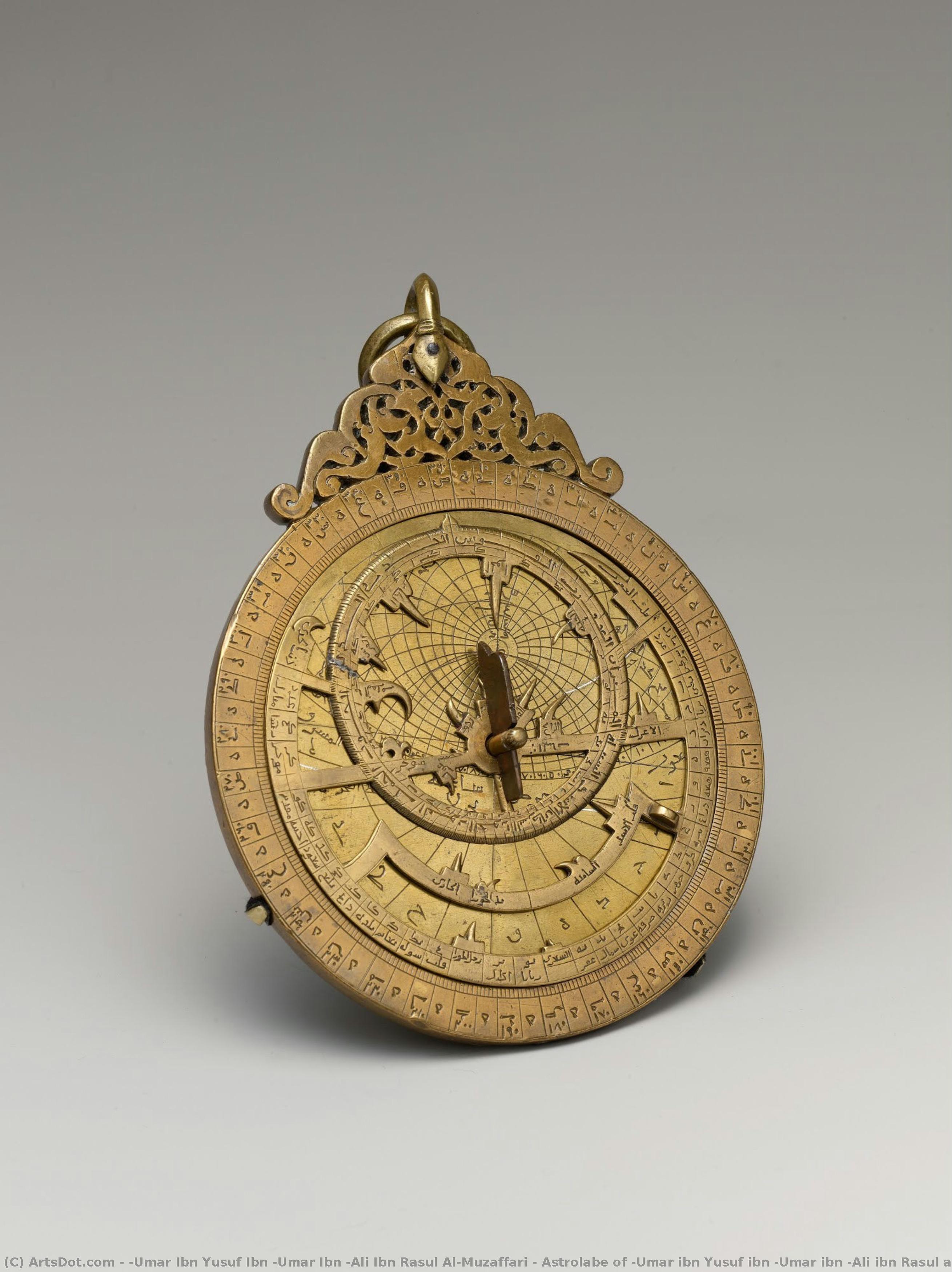
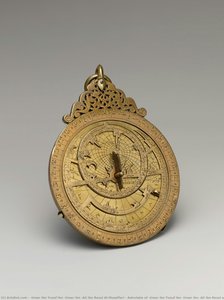
Astrolabe of ‘Umar ibn Yusuf ibn ‘Umar ibn ‘Ali ibn Rasul al-Muzaffari


 詳細を見る
詳細を見る




































作品のオリジナル比率に合わせた、当店の規定サイズからお選びください。

特定のフレームやスペースに合わせて、ご希望のサイズをご入力いただけます。選択されたサイズが元の画像の比率と異なる場合、アートワークをトリミングするか、手描きで要素を追加して絵画を拡張いたします。デジタルモックアップ を制作し、制作開始前にご確認(承認)をいただきます。
画面上のプレビューは、実際のトリミングや拡張を正確に反映しているものではありません。最終的な構図は、モックアップによってのみ正確にご確認いただけます。
カスタムサイズもご利用いただけますが、元の比率を維持するためには、あらかじめ用意されたリストからサイズを選択することをお勧めいたします。
ご注文後、ArtsDot.com チームより詳細な指示をお送りするとともに、仕上がりイメージ(モックアップ)をご提供いたします。


 ガラスオプションは、110cm未満のサイズでのみご利用いただけます。

Astrolabe of ‘Umar ibn Yusuf ibn ‘Umar ibn ‘Ali ibn Rasul al-Muzaffari
複製技法
複製画のサイズ
-


合計金額
$ 263
The Celestial Mechanics of Time: An Astrolabe Masterpiece
To gaze upon this astrolabe is not merely to observe an antique instrument; it is to hold a tangible piece of astronomical history in one's hands. This remarkable device, attributed to ‘Umar Ibn Yusuf ibn ‘Umar Ibn ‘Ali Ibn Rasul Al-Muzaffari and dated to 1291, transcends its function as a scientific tool. It becomes an object imbued with the meticulous genius of Islamic science and artistry. The close examination reveals a circular dial, intricately marked with numbers and symbols that speak a universal language—the language of the heavens. Its presumed material, perhaps burnished silver or rich gold, lends it an undeniable patina of age, suggesting countless hands have traced its markings across centuries.
Craftsmanship and Technical Brilliance
The sheer technical mastery required to create such an object is breathtaking. The astrolabe functions by measuring the altitude of celestial bodies—the sun, stars, and planets—allowing users to determine time, latitude, and even predict eclipses. This complexity was rendered with astonishing grace. One can trace the precision in every engraved line, noting how the various plates and rete fit together like a cosmic clockwork mechanism. The craftsmanship speaks volumes about the scientific understanding of its era; it is an intersection where advanced mathematics met unparalleled metalworking skill. For those who appreciate artisanal quality, this piece offers a profound study in historical engineering.
Symbolism Woven from Starlight
Beyond its practical function, the astrolabe carries deep symbolic weight. It represents humanity’s enduring quest to understand its place within the vast, ordered cosmos. The markings are not arbitrary; they map out divine order and predictable cycles. Owning a reproduction of this piece allows one to bring that sense of cosmic contemplation into a modern interior space. It suggests an appreciation for knowledge, navigation, and the cyclical nature of time itself—a quiet monument to human curiosity.
A Touch of Timeless Mystique
The attribution to ‘Umar Ibn Yusuf ibn ‘Umar Ibn ‘Ali Ibn Rasul Al-Muzaffari adds a layer of scholarly mystique. While the artist remains somewhat shrouded in historical ambiguity, the object itself speaks with an authoritative voice. It connects the modern viewer directly to the intellectual currents of the Islamic Golden Age. Incorporating such a piece into a collection or design scheme is an act of curatorial reverence—it invites conversation, sparks contemplation, and anchors a space with the gravity of deep history.
関連作品
アーティストの略歴
The Enigmatic Calligraphy of ‘Umar Ibn Yusuf
‘Umar Ibn Yusuf Ibn ‘Umar Ibn Ali Ibn Rasul Al-Muzaffari remains a figure shrouded in the mists of time, a master calligrapher whose life details are frustratingly sparse. Born and still living, his existence is primarily known through the exquisite works of art that bear his signature – intricate compositions that speak volumes despite the silence surrounding their creator. Unlike many artists celebrated throughout history, ‘Umar Ibn Yusuf did not benefit from extensive biographical documentation or patronage records. This lack of concrete information only adds to the allure and mystique of his calligraphy, inviting speculation about his origins, training, and the cultural context that shaped his unique style. It is believed he hails from a region steeped in Islamic artistic tradition, likely within the broader Persianate world, though pinpointing his exact birthplace remains elusive. The very nature of calligraphy as an art form – deeply intertwined with religious devotion and literary expression – suggests a formative education centered around the Quranic verses and classical poetry.A Legacy Etched in Ink
‘Umar Ibn Yusuf’s work is characterized by a breathtaking mastery of *thuluth* script, one of the most complex and visually arresting forms of Arabic calligraphy. He doesn't merely replicate letters; he transforms them into dynamic, flowing structures that seem to breathe on the page. His compositions are often monumental in scale, demanding attention with their sheer size and intricate detail. The artist’s skill lies not only in the perfect execution of each curve and flourish but also in his innovative use of space and color. He frequently employs gold leaf accents, adding a layer of opulence and spiritual significance to his pieces. Beyond *thuluth*, he demonstrates proficiency in other calligraphic styles like *naskh* and *muhaqqaq*, showcasing a versatile command of the art form. However, it is his interpretations of *thuluth* that truly set him apart – pushing the boundaries of traditional forms while remaining deeply rooted in its aesthetic principles. His works are not simply beautiful objects; they are meditations on faith, poetry, and the power of the written word.Influences and Artistic Development
Tracing ‘Umar Ibn Yusuf’s influences is a delicate undertaking given the limited biographical data available. However, scholars suggest strong connections to the Timurid and Safavid traditions of calligraphy, particularly the works of masters like Yaqut al-Musta'simi and Ahmad al-Suhayli. The elegance and refinement evident in his compositions echo the aesthetic sensibilities of these earlier artists. It is plausible that ‘Umar Ibn Yusuf underwent a rigorous apprenticeship under a renowned calligrapher, absorbing the techniques and principles passed down through generations. His style also reveals an appreciation for Persian miniature painting, particularly in its use of color palettes and compositional arrangements. The delicate floral motifs often incorporated into his calligraphy suggest a cross-pollination of artistic ideas – blending the abstract beauty of script with the representational forms of visual art. Over time, ‘Umar Ibn Yusuf’s work evolved from strict adherence to traditional models towards a more personal and expressive style, characterized by increased dynamism and innovative spatial arrangements.Major Achievements and Historical Significance
While a comprehensive catalog of ‘Umar Ibn Yusuf's works remains incomplete, several pieces have emerged as hallmarks of his artistic achievement. These include large-scale Quranic manuscripts commissioned for mosques and religious institutions, as well as individual calligraphic panels adorning private collections. His ability to seamlessly integrate calligraphy with other decorative arts – such as illumination and geometric patterns – has earned him recognition among connoisseurs and collectors. His work represents a continuation of the rich Islamic tradition of calligraphy, preserving and revitalizing ancient techniques while simultaneously pushing creative boundaries. In an era increasingly dominated by digital forms of communication, ‘Umar Ibn Yusuf’s art serves as a powerful reminder of the enduring beauty and spiritual significance of hand-crafted objects. His dedication to this time-honored tradition ensures that calligraphy continues to thrive as a vibrant and relevant art form. The historical importance of his work lies in its ability to bridge the gap between past and present, connecting contemporary audiences with centuries of artistic heritage.The Enduring Mystery
Despite the growing appreciation for ‘Umar Ibn Yusuf’s artistry, many questions remain unanswered. What were his motivations as an artist? Did he work in isolation or within a larger workshop environment? What role did religious patronage play in shaping his career? These are just some of the mysteries that continue to intrigue scholars and art enthusiasts alike. Perhaps it is this very ambiguity – the lack of definitive answers – that contributes to the enduring appeal of his calligraphy. His works invite contemplation, encouraging viewers to engage with the beauty of the script on a deeply personal level.- The artist’s anonymity allows the focus to remain solely on the art itself, unburdened by biographical narratives or preconceived notions.
- His calligraphy transcends cultural boundaries, appealing to audiences regardless of their religious beliefs or artistic background.
- ‘Umar Ibn Yusuf stands as a testament to the power of artistic skill and dedication, creating works that will continue to inspire awe and wonder for generations to come.
関連記事
High Medieval Art: 10 Masterpieces That Shaped an Era | ArtsDot
Journey through High Medieval Art! Explore 10 iconic masterpieces – from Giotto's frescoes to stunning Gothic cathedrals. Discover the stories behind these timeless paintings, sculptures & illuminated manuscripts. Find museum-quality art reproductions at ArtsDot.com.
Golden Glow: How to Use Metallic Gold Artworks to Elevate Your Home Decor with Timeless Luxury
Discover how to elevate your home with the timeless elegance of metallic gold artworks. From sculptural metal pieces to gilded oil paintings, learn expert interior design tips for integrating luxurious gold accents into your space with sophistication and grace.
Late Medieval Masterpieces: 10 Artworks That Defined an Era | ArtsDot
Journey through 10 defining Late Medieval masterpieces – from Giotto's frescoes to Jan van Eyck’s realism. Explore the stories, techniques & vibrant colors of Gothic art. Find museum-quality reproductions and elevate your home decor with ArtsDot.com! Discover all masterpieces on ArtsDot.com
Marianne North's Masterpieces: 25 Botanical Paintings That Bloom With Adventure | ArtsDot
Journey through the vibrant world of Marianne North’s botanical paintings! Explore 25 iconic artworks from this Victorian artist, celebrating exotic flora & travel. Find museum-quality reproductions and curated decor ideas at ArtsDot.com.
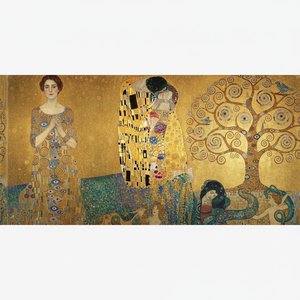
グスタフ・クリムト傑作25選:華麗なる装飾性と象徴が織りなす世界 | ArtsDot
グスタフ・クリムトの傑作25選。華麗なる装飾性と象徴が織りなす世界を紐解きます。キス、ポートレートなど、美術史に残る名画の物語と技法をArtsDotで。高品質複製画やインテリアアートも豊富に。今すぐコレクションをご覧ください。

