

 プレビュー
プレビュー
 プリントを購入
 シェアする
シェアする シェアする
シェアする
 詳細を見る
詳細を見る

 ダウンロード
 似ている作品
 X線調査
X線調査 スライドショー
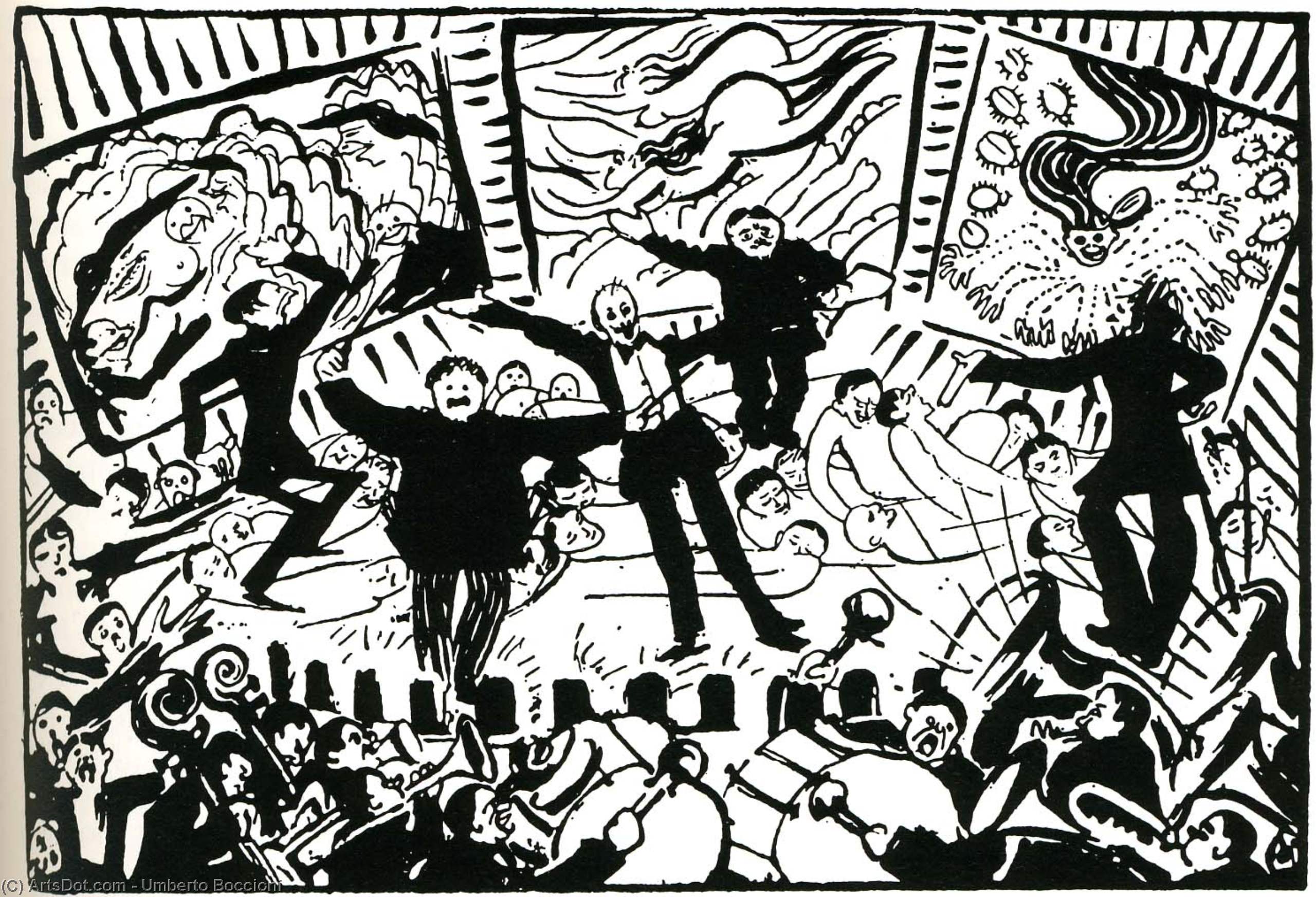
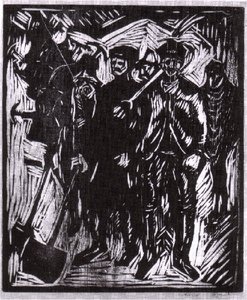
A Futurist Evening in Milan

 詳細を見る
詳細を見る
オンラインプレビューをはるかに凌ぐ、高解像度で鮮明なデジタル画像をご購入いただけます。
各ファイルは、社内の専門家が高度なツールと熟練した手作業によるレタッチを用いて、細心の注意を払って準備されています。すべての画像において、卓越した鮮明度、正確な色彩再現性、そして繊細なディテールを保証いたします。
最終ファイルは、プロフェッショナルな編集・印刷環境ですぐにご利用いただけるよう最適化された状態で、72時間以内にメールにてお届けいたします。これは、一流のデザインスタジオ、出版社、ギャラリーから信頼されているものと同等の品質です。
デジタル画像のご注文に付随する特典
高品質なデジタル画像配信を、確かな品質で。
ArtsDot.com を選ぶことは、単に画像を手に入れることではありません。それは、プロの手によって精密に仕上げられ、満足保証が付いた高品質なデジタルアートワークを受け取ることを意味します。ご注文いただいた際に自動的に付随する内容は、以下の通りです:

メールですぐにお届け
ご注文から72時間以内に、高解像度のデジタル画像ファイルがメールでお手元に届きます。すぐにそのままご利用いただけます。

AI技術で最適化されたデジタルファイル
お客様の作品は、高度なAIツールと専門家による手作業の編集を組み合わせてプロフェッショナルに最適化されており、細部のディテール、鮮明さ、そして正確な色再現性を最大限に引き出しています。

一生涯無料の再送サービス
ファイルを誤って削除したり、紛失してしまったりしましたか?ご安心ください。いつでも無料で再送いたします。

輸入手数料は一切かかりません
関税や手数料、配送料を気にすることなく、お気に入りのアートワークをすぐにお楽しみいただけます。デジタルダウンロードは常に免税です。

色彩再現の保証
プロ仕様のツールとカラーマネジメント技術を用いることで、デジタル画像が元の色を最大限に忠実に再現することを保証いたします。

60日間満足保証
ご購入いただいたデジタル画像にご満足いただけない場合は、60日以内であれば、修正または100%の返金(理由を問う必要はありません)をさせていただきます。

100% 返金保証
ご満足いただけない場合は、デジタルファイルを受け取ってから60日以内であれば、理由を問わず全額返金いたします。

まとめ買い割引
3枚購入で10%OFF - 5枚購入で15%OFF - 10枚以上購入で20%OFF。クリエイティブなプロジェクト、ギャラリー、エージェンシーに最適です。
作品の詳細
A Glimpse into Futurist Nightlife: “A Futurist Evening in Milan”
Umberto Boccioni’s "A Futurist Evening in Milan," painted in 1911, isn't merely a depiction of a city street; it’s a visceral embodiment of the Italian Futurists’ revolutionary vision. This dynamic monochrome print captures a fleeting moment of urban chaos and ecstatic energy – a snapshot of a society tearing down its traditions and embracing the intoxicating pulse of modernity. The painting immediately assaults the viewer with fragmented forms, overlapping planes, and a deliberate distortion of perspective, hallmarks of Boccioni's signature style and the core tenets of Futurism itself. It’s a work that demands attention, pulling you into its whirlwind of movement and challenging your perception of reality.
The scene unfolds within a darkened Milan street, populated by figures rendered with an almost caricature-like intensity. They are not portraits in the traditional sense; rather, they're distilled representations of human energy – dancers, performers, perhaps even revelers caught in a spontaneous celebration. Boccioni masterfully employs bold, angular lines to define these forms, creating a sense of fractured motion and suggesting that every surface is actively vibrating with unseen force. The composition isn’t anchored by a central focal point; instead, the eye is relentlessly drawn across the canvas, swept along by the currents of overlapping shapes and lines. This deliberate lack of stability mirrors the Futurists' rejection of static representation, favoring instead an emphasis on dynamism and the fleeting nature of experience.
The Language of Movement: Technique and Style
Boccioni’s technique is both precise and deliberately loose. The painting appears to be executed in ink or charcoal on paper, lending it a raw, immediate quality. Notice the varying densities of hatching – areas of intense shading create pockets of darkness, while lighter tones suggest highlights and open space. This textural layering contributes significantly to the sense of depth and movement within the image. The flattened perspective, a key element of Futurist aesthetics, further emphasizes this feeling of dynamism. Traditional spatial relationships are deliberately distorted, creating an illusion of simultaneous action and collapsing distance.
Crucially, the monochrome palette – shades of grey ranging from deepest black to pale white – amplifies the painting’s impact. The absence of color forces the viewer to focus entirely on form, line, and movement. It's a stark, almost brutal aesthetic choice that perfectly complements the chaotic subject matter. The use of geometric shapes—rectangles, triangles, and curves—is not merely decorative; they are integral to the painting’s structure, acting as building blocks for the overall composition and reinforcing the sense of fragmented dynamism.
A Symbol of a Changing World
“A Futurist Evening in Milan” is more than just a record of a specific scene; it's a potent symbol of the anxieties and aspirations of early 20th-century Europe. The Futurists, obsessed with speed, technology, and the destruction of the past, saw beauty in industrialization and the relentless march of progress. This painting captures that spirit perfectly – a celebration of urban life, but also an acknowledgment of its inherent chaos and disruption. The skeletal figures glimpsed within the scene can be interpreted as representing the dehumanizing effects of modernity, while the overall sense of frenetic energy suggests a society on the brink of transformation.
Consider, too, the influence of pre-Christian symbolism—the horse above the crowd evokes primal instincts and raw power. The painting isn’t simply depicting a party; it's exploring the fundamental questions of identity, community, and the human condition in an era defined by rapid change. It’s a work that continues to resonate today, prompting us to consider our own relationship with technology, speed, and the ever-shifting landscape of modern life.
Collecting the Energy: Reproduction Considerations
Reproductions of “A Futurist Evening in Milan” offer a remarkable opportunity to bring this dynamic artwork into your home or office. ArtsDot’s hand-painted reproductions meticulously recreate Boccioni's original techniques, capturing the nuances of his ink and charcoal style with exceptional fidelity. The choice of monochrome ensures that the painting’s inherent energy and visual impact are preserved, creating a striking statement piece that will undoubtedly become a focal point in any space.
When selecting a reproduction, pay attention to the level of detail and the accuracy of the tonal range. A high-quality print will faithfully reproduce Boccioni's deliberate use of hatching and shading, allowing you to fully appreciate the painting’s complex textures and layered composition. Ultimately, owning a reproduction of “A Futurist Evening in Milan” is not just acquiring an image; it’s gaining access to a powerful symbol of a transformative era in art history.
関連作品
作家の略歴
ウンベルト・ボッチョーニ:運動と未来の彫刻家
ウンベルト・ボッチョーニは、1882年にイタリアのレッジョ・ディ・カルナリアで生まれ、20世紀初頭における芸術革命の旗手として、その名を歴史に刻みました。彼の短い生涯(わずか33歳で夭折)は、未来主義という革新的な芸術運動への揺るぎない献身と、機械時代がもたらすエネルギーと速度を捉えようとする飽くなき探求心によって彩られています。幼少期から父親の官僚としての職に伴い各地を転々としたボッチョーニは、多様な風景に触れ、内なる焦燥感を育みました。ローマでの初期の美術教育を経て、彼は伝統的な芸術様式からの脱却を目指し、自由様式のポスターアーティストの影響を受けながら独自の表現を模索しました。しかし、フィリッポ・トマゾ・マリネッティの未来主義宣言との出会いが、彼の芸術的運命を決定づけたと言えるでしょう。未来主義への覚醒:芸術家としての台頭
1910年、ボッチョーニは未来主義画家たちの宣言書に署名し、未来主義運動への本格的な参加を表明しました。これは単なる美学上の選択ではなく、伝統の重圧からの哲学的な反逆であり、不確実な未来に向かって疾走する世界の真髄を捉えようとする渇望でした。ボッチョーニはすぐに未来主義理論家として頭角を現し、マリネッティの初期の主張を発展させ、それを視覚芸術に応用しました。彼は単に物事の外見を表象することではなく、運動という感覚、形態の断片化、都市生活の圧倒的なエネルギーといった、物事がどのように感じられるかを伝える絵画を提唱しました。初期の作品群は印象派や分割主義の影響を色濃く残しつつも、すでに躍動感あふれる表現への萌芽が見て取れます。『都市の勃興』(1910-1911年)はその代表例であり、巨大なスケールで現代都市の建設現場を描き出し、未来主義の理想—人間、建物、機械が織りなす混沌とした渦—を体現しています。現実の解体:技法とテーマ
ボッチョーニの芸術的進化は、ますます過激化する形態へのアプローチによって特徴づけられます。彼は伝統的な遠近法や構図の概念から脱却し、運動とエネルギーを表現するための手段として断片化を採用しました。物体は構成要素に分解され、力線が外側に放射状に広がり、色彩は渦巻くパターンで混ざり合い—すべてが視覚的な振動感を創出することを目的としています。この解体は単なる様式上のものではなく、現実自体が流動的かつ絶えず変化しているというボッチョーニの信念に基づいています。彼は物事の静的な外観を表象するのではなく、そのダイナミックな本質を表現しようと試みました。『人間の運動』(1913年)は、人物を固体としてではなく、空間を移動する一連の断片化された形状として描くことで、この点を力強く示しています。おそらく彼の最も象徴的な作品である『連続におけるユニークな形態』(1913年)は、絵画を超越した彫刻であり、未来主義の理想を驚くべき力で体現しています。人物はまるで動きを止められない勢いを帯びているかのように、中間地点で捉えられ、四肢や胴体が細長く歪められています。遺産と永続的な影響
第一次世界大戦中の1916年、ボッチョーニの早すぎる死は、芸術界から真に先見性のある才能を奪い去りました。しかし、彼のアイデアと作品は、彼が亡くなった後も長く人々の心に響き続けました。彼はその後の未来主義アーティストだけでなく、構成主義や抽象表現主義といった運動にも多大な影響を与えました。彼の運動、ダイナミズム、そして現代生活の表現に関する探求は、芸術における新たな表現形態への道を開き、美しさや表象という伝統的な概念に挑戦しました。- 影響を受けたもの: ジャコモ・バッラの分割主義の手法、キュビスムの形態の断片化、そしてニーチェの哲学的な著作。
- 代表作: 『人間の運動』、『連続におけるユニークな形態』、『都市の勃興』、『自転車乗り』。
- 歴史的意義: 20世紀美術における重要な人物であり、ボッチョーニは芸術的慣習に挑戦し、現代美術の流れを形作りました。彼のダイナミズムと運動の表現に関する理論は、今日でもアーティストにインスピレーションを与え続けています。
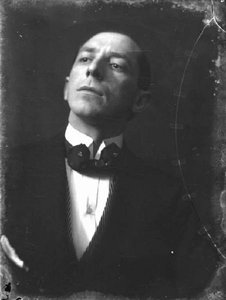
ウンベルト・ボッチョーニ
1882 - 1916 , イタリア
プロフィール概要
- フルネーム: ウンベルト・ボッチョーニ
- 主な作品:
- 人間身体のダイナミズム
- 連続性のユニークな形態
- 都市の隆起
- 自転車乗り
- 出生地: レッジオ・ディ・カッラブリア (イタリア)
- 国籍: イタリア
- 影響を与えたアーティスト:
- 構成主義
- 抽象表現主義
- 影響を受けたアーティスト:
- ジャコモ・バッラ
- ディヴィジョニズム
- キュビスム
- 没年月日: 1916年8月17日
- 生年月日: 1882年10月19日
- 芸術運動: 未来派

