 プレビュー
プレビュー
 プリントを購入
 シェアする
シェアする シェアする
シェアする
 詳細を見る
詳細を見る

 ダウンロード
 似ている作品
 X線調査
X線調査 スライドショー
Portrait of a Young Woman


 詳細を見る
詳細を見る




P118B $10

P118H $10

P118W $10

P438Z $10

P508JH $12

P508YH $12

P805H $10

P805Z $10

P919BZ $10

P919G $10

P919XJ $10

P959ZH $10

P968JZ $12

W106C $8

W218G $10

W218JH $8

W218Y $10

W307PJ $10

W316G $10

W316PJ $8

W316Y $10

W398PJ $8

W4111J $10

W500HY $15

W500JH $15

W692G $12

W849H $8

W940BG $15

W953PJ $8




作品のオリジナル比率に合わせた、当店の規定サイズからお選びください。

特定のフレームやスペースに合わせて、ご希望のサイズをご入力いただけます。選択されたサイズが元の画像の比率と異なる場合、アートワークをトリミングするか、手描きで要素を追加して絵画を拡張いたします。デジタルモックアップ を制作し、制作開始前にご確認(承認)をいただきます。
画面上のプレビューは、実際のトリミングや拡張を正確に反映しているものではありません。最終的な構図は、モックアップによってのみ正確にご確認いただけます。
カスタムサイズもご利用いただけますが、元の比率を維持するためには、あらかじめ用意されたリストからサイズを選択することをお勧めいたします。
ご注文後、ArtsDot.com チームより詳細な指示をお送りするとともに、仕上がりイメージ(モックアップ)をご提供いたします。


 ガラスオプションは、110cm未満のサイズでのみご利用いただけます。

Portrait of a Young Woman
複製技法
複製画のサイズ
-


合計金額
$ 263
A Symphony of Motion: The Visionary Spirit of Boccioni
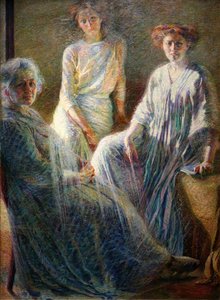
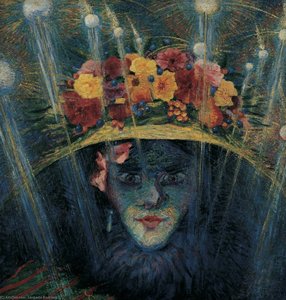
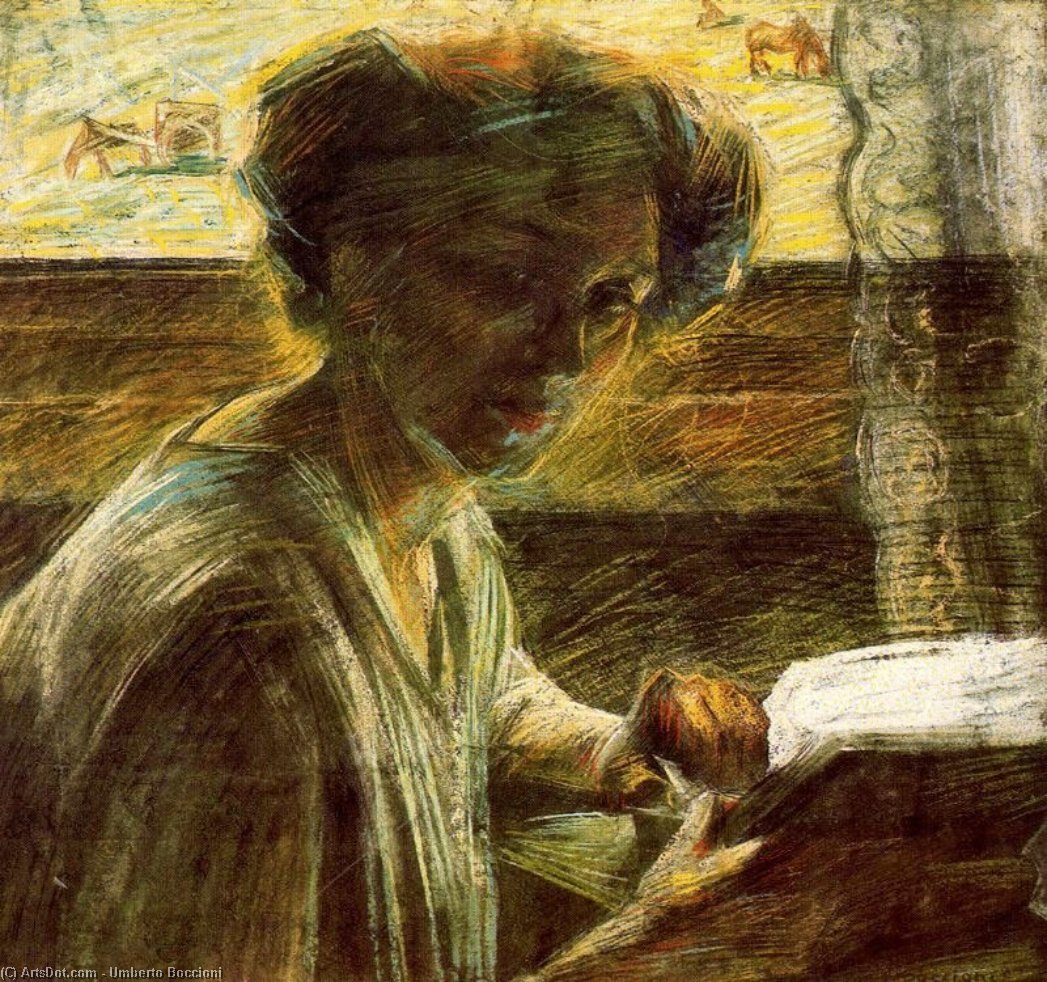
In the annals of early twentieth-century modernism, few works capture the electric tension between stillness and progress as poignantly as Umberto Boccioni’s Portrait of a Young Woman. Created in 1909, this masterpiece serves as a profound gateway into the heart of Futurism, an Italian movement that sought to shatter the stagnant traditions of the past in favor of a new, kinetic reality. At first glance, the viewer encounters a seated figure, a woman poised at her desk, seemingly lost in a moment of quiet contemplation or intellectual pursuit. Yet, beneath this surface of domestic tranquility lies a radical experimentation with simultaneity—the Futurist desire to depict not just a single moment in time, but the overlapping layers of movement, thought, and environmental energy that define modern existence.
Boccioni does not merely paint a likeness; he orchestrates a visual vibration. The subject, though anchored by her desk and her focused gaze, is inextricably linked to the swirling dynamism of the world around her. This is not a portrait of isolation, but one of profound engagement. Through his revolutionary lens, the act of reading or writing becomes a part of the broader industrial pulse, reflecting the era's fascination with how technology and urban expansion were reshaping the human psyche. For the discerning collector, this piece offers more than aesthetic beauty; it provides a window into a pivotal moment in history when the very definition of "reality" was being rewritten by the speed of the machine age.
Technique and the Fragmented Canvas
To observe Boccioni’s technique is to witness the deconstruction of solid form. Eschewing the smooth, academic finishes of the previous century, the artist employs a fragmented approach to plane and color. He utilizes bold, emotive strokes—often characterized by striking reds and yellows—to evoke the heat and fervor of the Futurist manifesto. The composition is masterfully layered; notice how the background elements, such as the abstracted, galloping horses flanking the desk, are not mere decorations but essential components of the painting's rhythmic structure. These figures appear in a state of flux, their forms blurring into the surrounding space to create a sense of instability and rapid progression.
This method of dynamism serves to bridge the gap between the subject and her environment. The texture of the paint itself seems to vibrate, mirroring the "tremor" of modern life. For interior designers seeking to introduce a focal point of intellectual depth and energy into a space, this artwork provides an unparalleled sense of movement. It possesses the unique ability to animate a room, drawing the eye through its complex interplay of light and fractured geometry, making it an ideal centerpiece for contemporary galleries or sophisticated residential studies where a touch of historical rebellion is desired.
A Legacy of Modernity and Emotion
The historical weight of this portrait is inseparable from the rise of the Futurist movement in Italy. Born from the incendiary writings of Filippo Tommaso Marinetti, Futurism was a movement of beautiful violence—a rejection of museums and libraries in favor of the roar of the automobile and the clamor of the factory. Boccioni, as a principal figurehead, translated these aggressive ideologies into a sophisticated visual language. In Portrait of a Young Woman, we see the softer side of this revolution: the way the individual spirit attempts to find its footing amidst the overwhelming rush of progress.
Ultimately, the emotional impact of the work lies in its duality. There is a profound sense of nostalgia for the quietude of the subject, contrasted sharply with the aggressive, forward-looking energy of the brushwork. It is a painting that speaks to the eternal human struggle to remain centered while the world accelerates around us. Owning a high-quality reproduction of this work allows one to inhabit this tension daily, bringing a piece of the twentieth century's most radical aesthetic revolution into the modern home—a constant reminder of the beauty found in change, motion, and the relentless pursuit of the new.
関連作品




アーティストの略歴
ウンベルト・ボッチョーニ:運動と未来の彫刻家
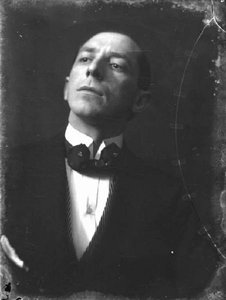
ウンベルト・ボッチョーニは、1882年にイタリアのレッジョ・ディ・カルナリアで生まれ、20世紀初頭における芸術革命の旗手として、その名を歴史に刻みました。彼の短い生涯(わずか33歳で夭折)は、未来主義という革新的な芸術運動への揺るぎない献身と、機械時代がもたらすエネルギーと速度を捉えようとする飽くなき探求心によって彩られています。幼少期から父親の官僚としての職に伴い各地を転々としたボッチョーニは、多様な風景に触れ、内なる焦燥感を育みました。ローマでの初期の美術教育を経て、彼は伝統的な芸術様式からの脱却を目指し、自由様式のポスターアーティストの影響を受けながら独自の表現を模索しました。しかし、フィリッポ・トマゾ・マリネッティの未来主義宣言との出会いが、彼の芸術的運命を決定づけたと言えるでしょう。未来主義への覚醒:芸術家としての台頭
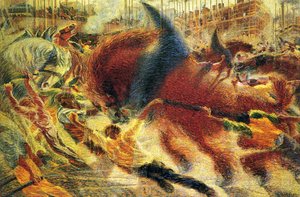
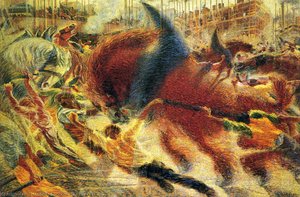
1910年、ボッチョーニは未来主義画家たちの宣言書に署名し、未来主義運動への本格的な参加を表明しました。これは単なる美学上の選択ではなく、伝統の重圧からの哲学的な反逆であり、不確実な未来に向かって疾走する世界の真髄を捉えようとする渇望でした。ボッチョーニはすぐに未来主義理論家として頭角を現し、マリネッティの初期の主張を発展させ、それを視覚芸術に応用しました。彼は単に物事の外見を表象することではなく、運動という感覚、形態の断片化、都市生活の圧倒的なエネルギーといった、物事がどのように感じられるかを伝える絵画を提唱しました。初期の作品群は印象派や分割主義の影響を色濃く残しつつも、すでに躍動感あふれる表現への萌芽が見て取れます。『都市の勃興』(1910-1911年)はその代表例であり、巨大なスケールで現代都市の建設現場を描き出し、未来主義の理想—人間、建物、機械が織りなす混沌とした渦—を体現しています。現実の解体:技法とテーマ
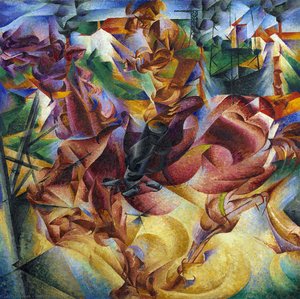
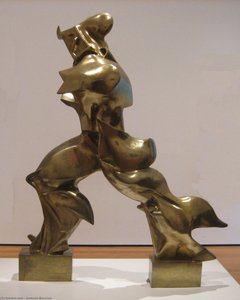
ボッチョーニの芸術的進化は、ますます過激化する形態へのアプローチによって特徴づけられます。彼は伝統的な遠近法や構図の概念から脱却し、運動とエネルギーを表現するための手段として断片化を採用しました。物体は構成要素に分解され、力線が外側に放射状に広がり、色彩は渦巻くパターンで混ざり合い—すべてが視覚的な振動感を創出することを目的としています。この解体は単なる様式上のものではなく、現実自体が流動的かつ絶えず変化しているというボッチョーニの信念に基づいています。彼は物事の静的な外観を表象するのではなく、そのダイナミックな本質を表現しようと試みました。『人間の運動』(1913年)は、人物を固体としてではなく、空間を移動する一連の断片化された形状として描くことで、この点を力強く示しています。おそらく彼の最も象徴的な作品である『連続におけるユニークな形態』(1913年)は、絵画を超越した彫刻であり、未来主義の理想を驚くべき力で体現しています。人物はまるで動きを止められない勢いを帯びているかのように、中間地点で捉えられ、四肢や胴体が細長く歪められています。遺産と永続的な影響
第一次世界大戦中の1916年、ボッチョーニの早すぎる死は、芸術界から真に先見性のある才能を奪い去りました。しかし、彼のアイデアと作品は、彼が亡くなった後も長く人々の心に響き続けました。彼はその後の未来主義アーティストだけでなく、構成主義や抽象表現主義といった運動にも多大な影響を与えました。彼の運動、ダイナミズム、そして現代生活の表現に関する探求は、芸術における新たな表現形態への道を開き、美しさや表象という伝統的な概念に挑戦しました。- 影響を受けたもの: ジャコモ・バッラの分割主義の手法、キュビスムの形態の断片化、そしてニーチェの哲学的な著作。
- 代表作: 『人間の運動』、『連続におけるユニークな形態』、『都市の勃興』、『自転車乗り』。
- 歴史的意義: 20世紀美術における重要な人物であり、ボッチョーニは芸術的慣習に挑戦し、現代美術の流れを形作りました。彼のダイナミズムと運動の表現に関する理論は、今日でもアーティストにインスピレーションを与え続けています。
ウンベルト・ボッチョーニ
1882 - 1916 , イタリア
基本情報
- フルネーム: ウンベルト・ボッチョーニ
- 主な作品:
- 人間身体のダイナミズム
- 連続性のユニークな形態
- 都市の隆起
- 自転車乗り
- 出生地: レッジオ・ディ・カッラブリア (イタリア)
- 国籍: イタリア
- 影響を与えたアーティスト:
- 構成主義
- 抽象表現主義
- 影響を受けたアーティスト:
- ジャコモ・バッラ
- ディヴィジョニズム
- キュビスム
- 没年月日: 1916年8月17日
- 生年月日: 1882年10月19日
- 芸術運動: 未来派
関連記事

幾何学的抽象絵画を定義した傑作10選|アート、アーティスト、インテリア装飾
モンドリアン、マレーヴィチ…幾何学的抽象絵画を代表する傑作10選。各作品の背景や色彩構成、アーティストの情熱に迫ります。美術館品質の複製画はArtsDot.comで。オンラインでアートコレクションをご覧ください。

Kandinsky's Masterpieces: 25 Paintings That Define Abstract Art | ArtsDot
Journey through Wassily Kandinsky's 25 most iconic abstract paintings. Explore his revolutionary use of color, form & spiritual expressionism. Find museum-quality Kandinsky reproductions and elevate your home decor with ArtsDot.com. Discover all masterpieces on ArtsDot.com!
抽象表現主義を定義する十大傑作:芸術と装飾の深遠な旅
抽象表現主義を定義する10の傑作。ポロック、ロスコら巨匠たちの情熱と色彩の世界へ。各作品に込められた物語と技法を紐解き、至高のアート体験を。ArtsDot.comで、ミュージアムクオリティの複製画や洗練されたインテリアアイデアを発見してください。
Beyond Form & Color: Geometric Abstraction's Evolution in 20th/21st Century Art
Explore the evolution of geometric abstraction from Cubism to contemporary art. Discover key artists like Malevich & Mondrian, investment insights, and expert collecting advice at ArtsDot.
Beyond Form: Exploring the Philosophical Foundations of Geometric Abstraction
Explore the philosophical roots & artistic evolution of geometric abstraction with ArtsDot. Discover Mondrian, Malevich, De Stijl & more. Expert insights for collectors and art enthusiasts.