 プレビュー
プレビュー
 プリントを購入
 シェアする
シェアする シェアする
シェアする
 詳細を見る
詳細を見る

 ダウンロード
 似ている作品
 X線調査
X線調査 スライドショー
Under the Pergola at Naples


 詳細を見る
詳細を見る




P118B $10

P118H $10

P118W $10

P438Z $10

P508JH $12

P508YH $12

P805H $10

P805Z $10

P919BZ $10

P919G $10

P919XJ $10

P959ZH $10

P968JZ $12

W106C $8

W218G $10

W218JH $8

W218Y $10

W307PJ $10

W316G $10

W316PJ $8

W316Y $10

W398PJ $8

W4111J $10

W500HY $15

W500JH $15

W692G $12

W849H $8

W940BG $15

W953PJ $8




作品のオリジナル比率に合わせた、当店の規定サイズからお選びください。

特定のフレームやスペースに合わせて、ご希望のサイズをご入力いただけます。選択されたサイズが元の画像の比率と異なる場合、アートワークをトリミングするか、手描きで要素を追加して絵画を拡張いたします。デジタルモックアップ を制作し、制作開始前にご確認(承認)をいただきます。
画面上のプレビューは、実際のトリミングや拡張を正確に反映しているものではありません。最終的な構図は、モックアップによってのみ正確にご確認いただけます。
カスタムサイズもご利用いただけますが、元の比率を維持するためには、あらかじめ用意されたリストからサイズを選択することをお勧めいたします。
ご注文後、ArtsDot.com チームより詳細な指示をお送りするとともに、仕上がりイメージ(モックアップ)をご提供いたします。


 ガラスオプションは、110cm未満のサイズでのみご利用いただけます。

Under the Pergola at Naples
複製技法
複製画のサイズ
-


合計金額
$ 263
作品解説
A Glimpse into Modern Life: Umberto Boccioni’s “Under the Pergola at Naples”
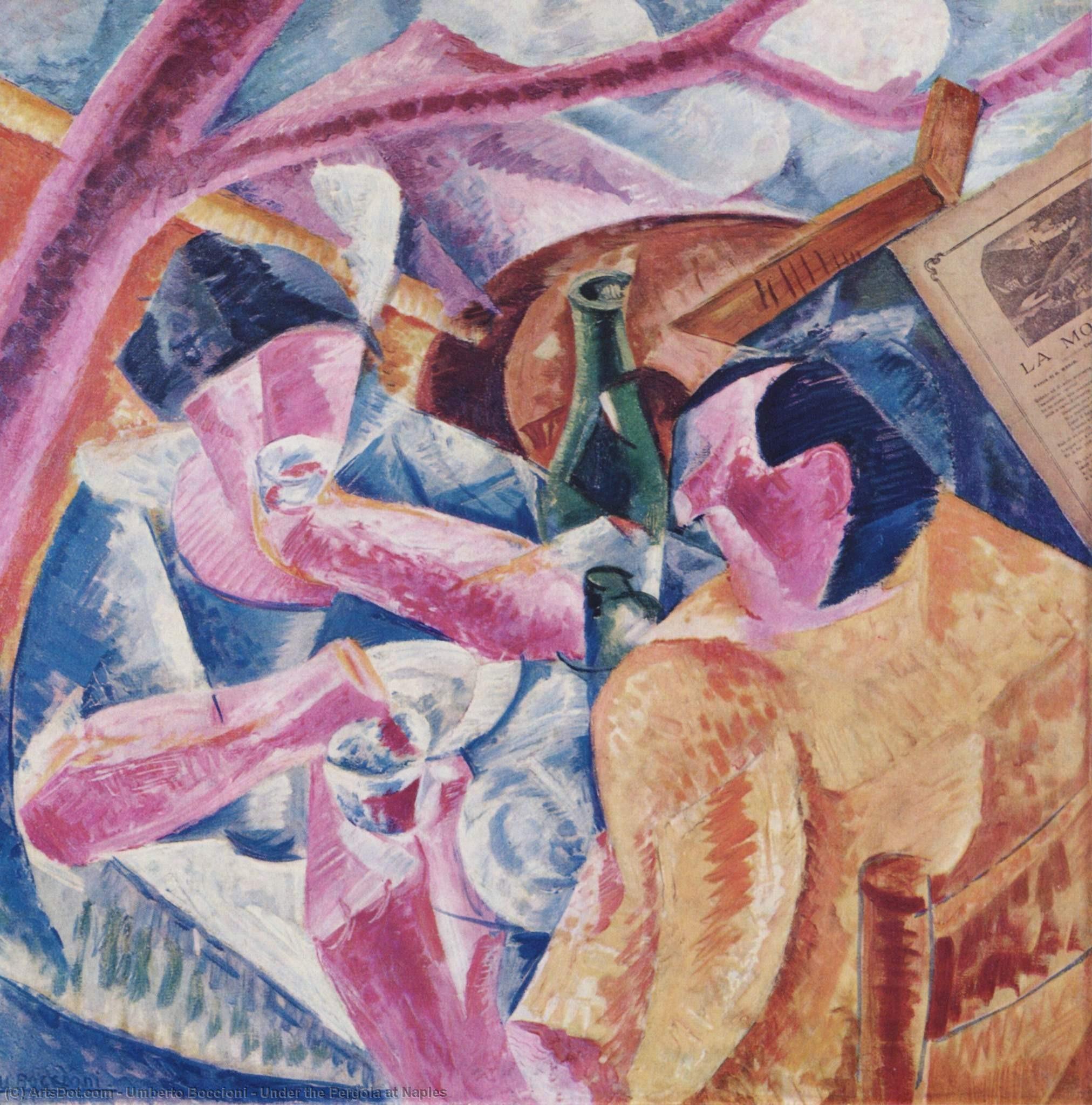
Umberto Boccioni's “Under the Pergola at Naples,” painted in 1914, offers a captivating window into a moment of leisurely modernity. More than just a depiction of two figures enjoying refreshments beneath a shaded structure, this work embodies the core tenets of Futurism – a movement obsessed with dynamism, technology, and the energy of contemporary life. While seemingly a tranquil scene, a closer examination reveals Boccioni’s revolutionary approach to form and perception, subtly dismantling traditional artistic conventions. The painting isn't merely *about* a pergola in Naples; it’s about how we *experience* that space, fractured by light, movement, and the fleeting sensations of modern existence.
The Embrace of Futurism & Artistic Innovation
Boccioni was a pivotal figure in Italian Futurism, a radical artistic and social movement launched by Filippo Tommaso Marinetti in 1909. The Futurists rejected the past, glorifying speed, machines, violence, and change. “Under the Pergola at Naples” demonstrates this philosophy not through overt depictions of machinery or industrial landscapes – as some Futurist works do – but through a more nuanced exploration of sensory experience. Boccioni employs a distinctive style characterized by fragmented forms and intersecting planes of color. This technique isn’t simply about aesthetic experimentation; it's an attempt to represent the simultaneity of perception, how our eyes don’t register a scene as static but rather as a constant flux of impressions. The scattered bottles, the partially visible book, even the figures themselves seem to vibrate with energy, dissolving into their surroundings. The painting is less a snapshot and more a memory – or perhaps a premonition – of a moment experienced in rapid succession.
Decoding the Symbolism & Emotional Resonance
While Boccioni’s primary concern was formal innovation, “Under the Pergola at Naples” isn't devoid of symbolic weight. The presence of wine bottles, some empty, suggests conviviality and perhaps a touch of indulgence. The book hints at intellectual engagement, yet its obscured state implies that conversation and shared experience are taking precedence over solitary study. Interestingly, a newspaper titled “La Morte” (Death) is visible within the composition – a subtle but potent reminder of life’s fragility amidst the exuberance of modern living. This juxtaposition isn't morbid; rather, it acknowledges the inherent tension between vitality and mortality that fueled much of Futurist thought. The overall atmosphere is one of relaxed enjoyment, yet tinged with an underlying awareness of time’s passage and the ephemeral nature of experience. The painting evokes a sense of warmth and intimacy, inviting the viewer to share in this fleeting moment of connection.
A Lasting Legacy: Boccioni's Impact on Modern Art
Tragically, Umberto Boccioni’s life was cut short during World War I in 1916, at just 33 years old. Despite his brief career, he left an indelible mark on the development of modern art. “Under the Pergola at Naples” stands as a testament to his artistic vision and intellectual courage. It exemplifies his ability to synthesize diverse influences – from Divisionism to Cubism – into a uniquely Futurist aesthetic. Today, this painting continues to resonate with audiences, offering not only a glimpse into a specific moment in time but also a profound meditation on the nature of perception, experience, and the ever-accelerating pace of modern life. For collectors and interior designers alike, a reproduction of “Under the Pergola at Naples” brings a touch of sophisticated energy and intellectual depth to any space.
関連作品
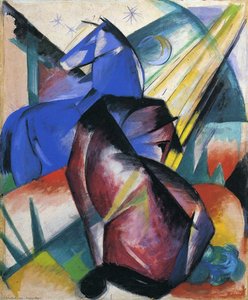
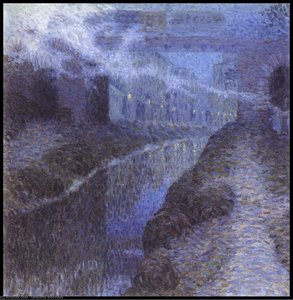
アーティストの略歴
ウンベルト・ボッチョーニ:運動と未来の彫刻家
ウンベルト・ボッチョーニは、1882年にイタリアのレッジョ・ディ・カルナリアで生まれ、20世紀初頭における芸術革命の旗手として、その名を歴史に刻みました。彼の短い生涯(わずか33歳で夭折)は、未来主義という革新的な芸術運動への揺るぎない献身と、機械時代がもたらすエネルギーと速度を捉えようとする飽くなき探求心によって彩られています。幼少期から父親の官僚としての職に伴い各地を転々としたボッチョーニは、多様な風景に触れ、内なる焦燥感を育みました。ローマでの初期の美術教育を経て、彼は伝統的な芸術様式からの脱却を目指し、自由様式のポスターアーティストの影響を受けながら独自の表現を模索しました。しかし、フィリッポ・トマゾ・マリネッティの未来主義宣言との出会いが、彼の芸術的運命を決定づけたと言えるでしょう。未来主義への覚醒:芸術家としての台頭
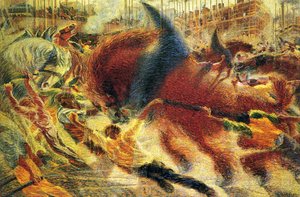
1910年、ボッチョーニは未来主義画家たちの宣言書に署名し、未来主義運動への本格的な参加を表明しました。これは単なる美学上の選択ではなく、伝統の重圧からの哲学的な反逆であり、不確実な未来に向かって疾走する世界の真髄を捉えようとする渇望でした。ボッチョーニはすぐに未来主義理論家として頭角を現し、マリネッティの初期の主張を発展させ、それを視覚芸術に応用しました。彼は単に物事の外見を表象することではなく、運動という感覚、形態の断片化、都市生活の圧倒的なエネルギーといった、物事がどのように感じられるかを伝える絵画を提唱しました。初期の作品群は印象派や分割主義の影響を色濃く残しつつも、すでに躍動感あふれる表現への萌芽が見て取れます。『都市の勃興』(1910-1911年)はその代表例であり、巨大なスケールで現代都市の建設現場を描き出し、未来主義の理想—人間、建物、機械が織りなす混沌とした渦—を体現しています。現実の解体:技法とテーマ
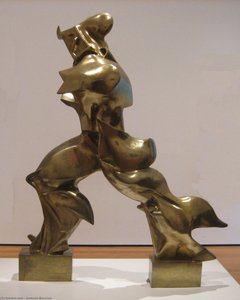
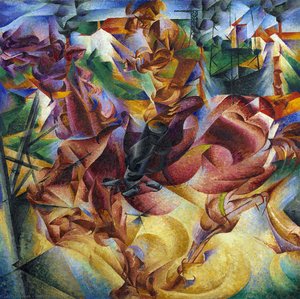
ボッチョーニの芸術的進化は、ますます過激化する形態へのアプローチによって特徴づけられます。彼は伝統的な遠近法や構図の概念から脱却し、運動とエネルギーを表現するための手段として断片化を採用しました。物体は構成要素に分解され、力線が外側に放射状に広がり、色彩は渦巻くパターンで混ざり合い—すべてが視覚的な振動感を創出することを目的としています。この解体は単なる様式上のものではなく、現実自体が流動的かつ絶えず変化しているというボッチョーニの信念に基づいています。彼は物事の静的な外観を表象するのではなく、そのダイナミックな本質を表現しようと試みました。『人間の運動』(1913年)は、人物を固体としてではなく、空間を移動する一連の断片化された形状として描くことで、この点を力強く示しています。おそらく彼の最も象徴的な作品である『連続におけるユニークな形態』(1913年)は、絵画を超越した彫刻であり、未来主義の理想を驚くべき力で体現しています。人物はまるで動きを止められない勢いを帯びているかのように、中間地点で捉えられ、四肢や胴体が細長く歪められています。遺産と永続的な影響
第一次世界大戦中の1916年、ボッチョーニの早すぎる死は、芸術界から真に先見性のある才能を奪い去りました。しかし、彼のアイデアと作品は、彼が亡くなった後も長く人々の心に響き続けました。彼はその後の未来主義アーティストだけでなく、構成主義や抽象表現主義といった運動にも多大な影響を与えました。彼の運動、ダイナミズム、そして現代生活の表現に関する探求は、芸術における新たな表現形態への道を開き、美しさや表象という伝統的な概念に挑戦しました。- 影響を受けたもの: ジャコモ・バッラの分割主義の手法、キュビスムの形態の断片化、そしてニーチェの哲学的な著作。
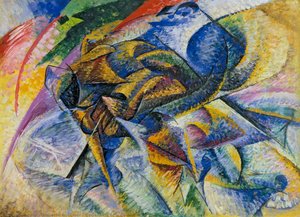
- 代表作: 『人間の運動』、『連続におけるユニークな形態』、『都市の勃興』、『自転車乗り』。
- 歴史的意義: 20世紀美術における重要な人物であり、ボッチョーニは芸術的慣習に挑戦し、現代美術の流れを形作りました。彼のダイナミズムと運動の表現に関する理論は、今日でもアーティストにインスピレーションを与え続けています。
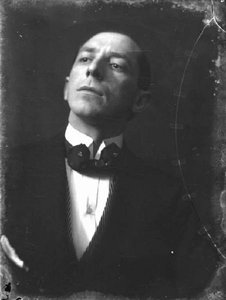
ウンベルト・ボッチョーニ
1882 - 1916 , イタリア
基本情報
- フルネーム: ウンベルト・ボッチョーニ
- 主な作品:
- 人間身体のダイナミズム
- 連続性のユニークな形態
- 都市の隆起
- 自転車乗り
- 出生地: レッジオ・ディ・カッラブリア (イタリア)
- 国籍: イタリア
- 影響を与えたアーティスト:
- 構成主義
- 抽象表現主義
- 影響を受けたアーティスト:
- ジャコモ・バッラ
- ディヴィジョニズム
- キュビスム
- 没年月日: 1916年8月17日
- 生年月日: 1882年10月19日
- 芸術運動: 未来派
関連記事

Umberto Boccioni: Dynamism, Futurist Ideals & the Evolution of Modern Sculpture
Explore the revolutionary art of Umberto Boccioni, a leading figure of Futurism. Discover his iconic sculptures & paintings, and delve into the movement's impact on modern art history with ArtsDot.
Carlo Carrà: Futurist Visions & Metaphysical Transformations in Early 20th-Century Italian Painting
Explore the artistic journey of Carlo Carrà, a pivotal figure in Italian Futurism & Metaphysical painting. Discover his dynamic compositions, collaborations with de Chirico, and lasting influence on modern art history.
Dynamism & Disruption: The Enduring Legacy of Futurism
Explore the revolutionary world of Futurism! Discover its key artists like Boccioni & Balla, defining principles, and lasting impact on modern art. A deep dive into this influential movement.
Mario Sironi: A Poetic of Modern Italian Identity Through Symbolism & Social Commentary
Explore the profound works of Mario Sironi, a key figure in Italian Modernism. Discover his evolution from Futurism to Metaphysical painting and his powerful social commentary. Learn about his legacy at ArtsDot.
The Eloquence of Arrangement: Compositional Strategies in Western Art from the Renaissance to Modernism
Explore the evolution of compositional strategies in Western art! Discover how masters like Raphael & Zurbaran used perspective, proportion, and dynamic arrangement to create timeless masterpieces. Enhance your art appreciation today!