

 プレビュー
プレビュー
 プリントを購入
 シェアする
シェアする シェアする
シェアする
 詳細を見る
詳細を見る

 ダウンロード
 似ている作品
 X線調査
X線調査 スライドショー
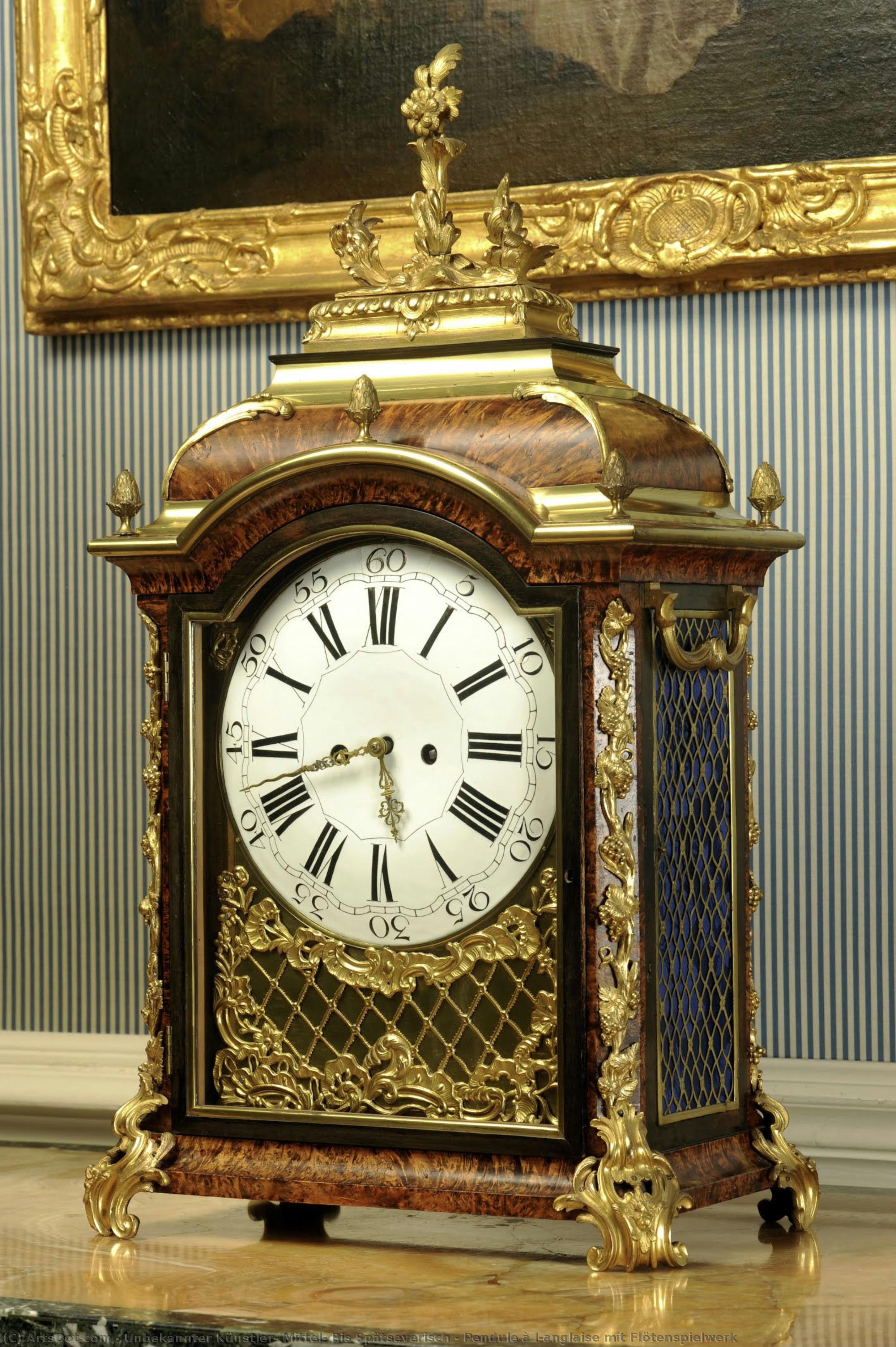
Pendule à l’anglaise mit Flötenspielwerk
 Painting
 1780
1780- Early Modern
 81.0 x 44.0 cm
 Sanssouci Palace
 詳細を見る
詳細を見る




P118B $10

P118H $10

P118W $10

P438Z $10

P508JH $12

P508YH $12

P805H $10

P805Z $10

P919BZ $10

P919G $10

P919XJ $10

P959ZH $10

P968JZ $12

W106C $8

W218G $10

W218JH $8

W218Y $10

W307PJ $10

W316G $10

W316PJ $8

W316Y $10

W398PJ $8

W4111J $10

W500HY $15

W500JH $15

W692G $12

W849H $8

W940BG $15

W953PJ $8




作品のオリジナル比率に合わせた、当店の規定サイズからお選びください。

特定のフレームやスペースに合わせて、ご希望のサイズをご入力いただけます。選択されたサイズが元の画像の比率と異なる場合、アートワークをトリミングするか、手描きで要素を追加して絵画を拡張いたします。デジタルモックアップ を制作し、制作開始前にご確認(承認)をいただきます。
画面上のプレビューは、実際のトリミングや拡張を正確に反映しているものではありません。最終的な構図は、モックアップによってのみ正確にご確認いただけます。
カスタムサイズもご利用いただけますが、元の比率を維持するためには、あらかじめ用意されたリストからサイズを選択することをお勧めいたします。
ご注文後、ArtsDot.com チームより詳細な指示をお送りするとともに、仕上がりイメージ(モックアップ)をご提供いたします。


 ガラスオプションは、110cm未満のサイズでのみご利用いただけます。

Pendule à l’anglaise mit Flötenspielwerk
複製技法
複製画のサイズ
-


合計金額
$ 263
A Symphony of Time and Craftsmanship
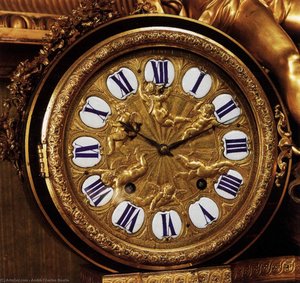
In the quiet corridors of history, few objects capture the intersection of mechanical genius and aesthetic elegance as profoundly as the Pendule à l’anglaise mit Flötenspielwerk. Created around 1780, this extraordinary timepiece is far more than a mere instrument for measuring hours; it is a theatrical performance frozen in gold and wood. The clock features an intricate flute-playing mechanism, a marvel of late 18th-century engineering that breathes life into the silent passage of time through melodic movement. Its design, characterized by opulent gold trimming and a stately frame, reflects the sophisticated tastes of the Enlightenment era, where the boundaries between science, art, and music were beautifully blurred.
The visual allure of this piece lies in its commanding presence. The ornate frame, adorned with gilded accents, serves as a luxurious stage for the Roman numerals that mark the rhythmic progression of the day. When viewed as a painting, the composition suggests an atmosphere of profound aristocratic grace. The interplay of light upon the metallic surfaces and the deep, rich tones of the clock's housing evoke a sense of grandeur, reminiscent of the royal chambers of Prussia. For the discerning collector or interior designer, this work offers a focal point that transcends simple decoration, acting instead as a conversation piece that invites contemplation of the era's technical mastery.
The Legacy of Prussian Elegance
The historical heartbeat of this clock is inextricably linked to the cultural zenith of the late 18th century. While its design echoes the legendary precision of the Jaquet-Droz family from the Swiss Neuchâtel region, there is a compelling possibility that this specific masterpiece was birthed in Berlin by skilled Swiss emigrants. This connection to the Prussian court is particularly poignant when considering the patronage of King Friedrich II. A profound lover of musical automata, the King’s devotion to such complex mechanical wonders helped catalyze an era of unprecedented innovation in clockmaking. The fact that similar treasures have resided within the hallowed halls of Schloss Sanssouci lends this piece an aura of royal prestige.
To possess a reproduction of such a work is to invite a fragment of European history into a modern space. It embodies the spirit of an age where every mechanical tick was accompanied by a pursuit of beauty. The craftsmanship—an anonymous yet masterful contribution from a mid-to-late 18th-century German hand—speaks to a time when even the most functional objects were treated as canvases for artistic expression. Whether placed in a stately library or a contemporary salon, this clock serves as an emotional anchor, evoking nostalgia for a period of unparalleled refinement and the enchanting, haunting melodies of the flute mechanism that once delighted monarchs.
関連作品
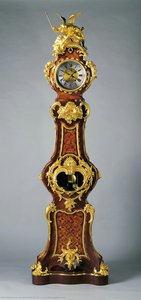
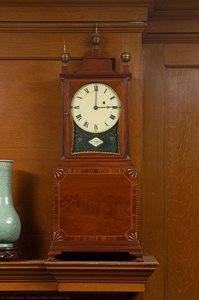
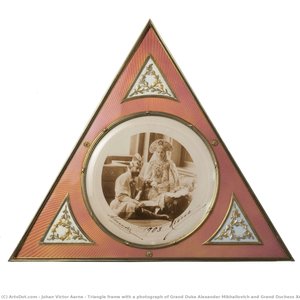
アーティストの略歴
The Enigmatic Legacy of ‘Unbekannter Künstler, Mittel- bis Spätseverisch’
The identity of ‘Unbekannter Künstler, Mittel- bis Spätseverisch,’ a German artist active during the 18th and early 19th centuries, remains one of art history's most intriguing mysteries. Despite producing remarkably sophisticated works, particularly portrait busts that achieved significant recognition within Prussian circles, the artist’s true name and biographical details have stubbornly resisted discovery. What we *do* know is a captivating story of an anonymous talent who skillfully navigated the artistic landscape of his time, leaving behind a legacy primarily through his exceptional craftsmanship and the enduring fame of one particular piece: a portrait bust of a woman now residing in the picture gallery of Berlin.
The artist’s work centers largely around portraiture, specifically the creation of elaborate ‘prachtbüste’ – magnificent stone-inlaid busts – that were highly fashionable during the 19th century. These weren't merely static representations; they were designed to be integrated into larger decorative schemes, often adorning grand interiors and serving as symbols of wealth and status. The bust acquired by King Friedrich Wilhelm IV of Prussia in 1854 exemplifies this approach. This particular piece, depicting a woman, was subsequently enhanced with colorful stone inlays, transforming it from a simple portrait into a lavish work of art. The meticulous detail evident in the carving and the sophisticated use of materials speak to an artist possessing considerable technical skill and artistic vision – qualities that belie his anonymity.
A Portrait of a Patron: Herzog Karl der Kühne von Burgund
Beyond the celebrated Prussian bust, evidence suggests ‘Unbekannter Künstler’ also produced other significant works. Records indicate he created a portrait of Herzog Karl der Kühne von Burgund (Charles the Bold of Burgundy), a powerful Duke known for his military prowess and ambition. While no surviving examples of this portrait are currently available, its existence highlights the artist's versatility and ability to capture the character and bearing of prominent figures. The Burgundian commission suggests a connection to a wider artistic network and potentially a period of increased patronage during the early 19th century.
Interestingly, the artist’s style appears to have evolved over time. Early works, such as the portrait of Herzog Karl, demonstrate a more classical approach, reminiscent of Baroque influences. However, the bust acquired by the Prussian King showcases a greater emphasis on detail and ornamentation, aligning with the prevailing trends of the Romantic era – a period characterized by an appreciation for emotional expression and elaborate decoration. This stylistic progression suggests a willingness to adapt and innovate within the constraints of his anonymity.
Technique and Materials: A Master of Stone and Color
The artist’s skill lay not only in his ability to sculpt but also in his mastery of materials. The ‘prachtbüste’ were renowned for their intricate stone inlays, often incorporating semi-precious stones like jasper, agate, and malachite. These inlays weren't merely decorative; they served to enhance the visual impact of the bust, adding depth, color, and a sense of luxury. The use of these materials required considerable technical expertise – precise cutting, polishing, and setting were essential to achieving the desired effect.
Furthermore, the artist’s choice of stone was carefully considered. The vibrant hues of agate and malachite provided striking contrasts against the darker tones of the marble or limestone base, creating a visually arresting composition. The integration of these elements demonstrates a sophisticated understanding of color theory and an ability to create works that were both aesthetically pleasing and emotionally evocative. It’s believed he was influenced by the Italian Renaissance masters, particularly in his use of light and shadow.
A Lasting Impression: The Berlin Legacy
Despite remaining nameless, ‘Unbekannter Künstler, Mittel- bis Spätseverisch’ has left an undeniable mark on Prussian art history. The portrait bust acquired by King Friedrich Wilhelm IV remains a prized possession of the Berlin picture gallery, serving as a testament to the artist's skill and artistry. The piece is frequently studied for its technical brilliance and its representation of 19th-century aristocratic taste.
The enduring fascination with this anonymous artist underscores the complexities of art history—the ways in which talent can flourish without recognition, and how a single work of art can transcend the limitations of its creator’s identity. While his name may remain unknown, ‘Unbekannter Künstler’ continues to intrigue and inspire, reminding us that artistic legacy is not solely defined by fame or recognition, but by the quality and impact of one's creations.
基本情報
- Artistic Movement Or Style: Spätseverisch Art
- Full Name: Unbekannter Künstler, Mittel- bis Spätseverisch
- Nationality: German
- Notable Artworks:
- Bildnisbuste einer Frau
- Portrait Herzog Karl der Kühne
- Place Of Birth: Germany
関連記事

Framing Perception: A Comprehensive Guide to Selecting Frames that Enhance Interior Styles and Artwork Value
Elevate your space with expert art framing guidance! Discover how to choose frames that enhance artwork & interior design, protect valuable pieces, and create stunning displays. Trusted advice for designers & collectors.

The Frame as Argument: An Expert Guide to Selecting the Perfect Frame for Your Art
Master the art of presentation with our expert guide on choosing the perfect frame. Learn how to enhance your artwork's value, complement your interior design, and ensure long-term preservation through professional framing techniques for collectors and enthusiasts alike.
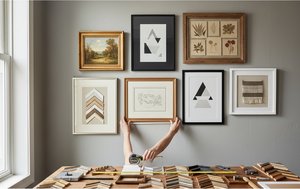
絵画の魅力を最大限に引き出す額縁選び:専門家が解説する美的統合と保護戦略
絵画の魅力を最大限に引き出す額縁選びの専門家ガイド。歴史的背景から空間との調和、作品保護まで徹底解説。ArtsDot.comがフリーランス・デコレーター様をサポートします。
Beyond Ornamentation: The Psychological Impact of Framing on Aesthetic Perception & Artistic Value
Explore the profound psychological impact of framing on art perception & value. Discover how color, composition, and historical context influence aesthetic judgment. Expert insights for collectors.

Beyond the Canvas: Framing as a Catalyst for Value & Aesthetic Impact in Luxury Art Reproduction
Discover how expert framing elevates your art investment & interior design. Explore museum-quality options, bespoke sizing, and preservation techniques for discerning collectors. Enhance value & aesthetic impact with ArtsDot.

