メニュー
プレビュープレビュー ARで試着ARで試着 プリント版に切り替え プリント版に切り替えデジタル画像販売へ切り替え デジタル画像販売へ切り替え シェアするシェアする
詳細を見る詳細を見る お気に入りに追加 お気に入りに追加 ダウンロードダウンロード 似ている作品似ている作品 X線調査X線調査 スライドショースライドショー 統計情報統計情報

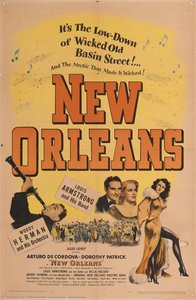
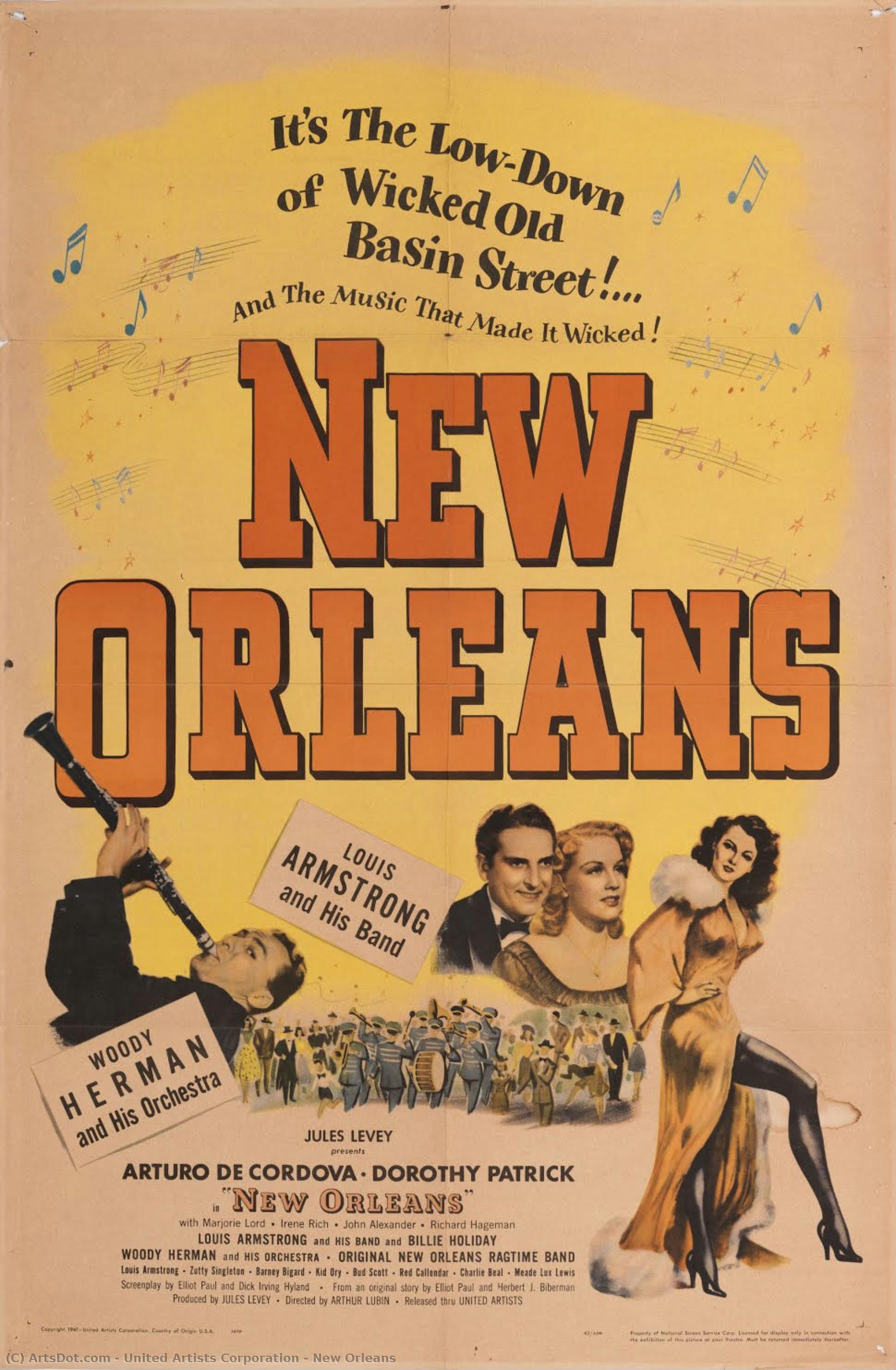
New Orleans

United Artists Corporation was a pioneering film studio known for its independent spirit and groundbreaking productions, shaping modern cinema with iconic works like *The Kid* and fostering creative freedom – discover their cinematic legacy today.

手描き油彩複製画

当社のアーティストが、お客様のご希望のサイズと額縁に合わせて、キャンバスに手描きで制作する油彩画です。 (プリント版に切り替え プリント版に切り替えデジタル画像販売へ切り替え デジタル画像販売へ切り替え)

標準サイズ
オーダーメイド
CM
INCH

作品のオリジナル比率に合わせた、当店の規定サイズからお選びください。

高さ

特定のフレームやスペースに合わせて、ご希望のサイズをご入力いただけます。選択されたサイズが元の画像の比率と異なる場合、アートワークをトリミングするか、手描きで要素を追加して絵画を拡張いたします。デジタルモックアップ を制作し、制作開始前にご確認(承認)をいただきます。
画面上のプレビューは、実際のトリミングや拡張を正確に反映しているものではありません。最終的な構図は、モックアップによってのみ正確にご確認いただけます。
カスタムサイズもご利用いただけますが、元の比率を維持するためには、あらかじめ用意されたリストからサイズを選択することをお勧めいたします。

カスタマイズの例:顔をお客様の写真に置き換える、ペットを追加する(例:猫を犬に変更)、背景に隠れたメッセージを入れる、背景の風景や要素を変更するなど。
ご注文後、ArtsDot.com チームより詳細な指示をお送りするとともに、仕上がりイメージ(モックアップ)をご提供いたします。

世界中への配送()は、通常の5週間ではなく、3〜4週間でお届けいたします。(8 9月)。品質には一切妥協いたしません。

why_choose_icon
世界中へ無料エクスプレス配送
why_choose_icon
高品質なリネンキャンバス
why_choose_icon
配送時完全保険付
why_choose_icon
関税・輸入税の払い戻し保証
why_choose_icon
忠実な色彩再現保証
why_choose_icon
100日間返品保証(製造上の欠陥がある場合のみ)
why_choose_icon
100% 全額返金保証
why_choose_icon
まとめ買い割引のご案内

合計金額

$ 263

reproduction

New Orleans

複製技法

複製画のサイズ
-

合計金額

$ 263


アーティストの略歴

The Collective Vision of United Artists Corporation

United Artists Corporation, a name resonant with the spirit of independent filmmaking and artistic rebellion, wasn't born from the vision of a single auteur but rather as a collaborative defiance against the established Hollywood studio system. Founded in 1919 by Charlie Chaplin, Mary Pickford, Douglas Fairbanks, and D.W. Griffith – four of cinema’s most luminous stars – UA represented an unprecedented attempt to wrest control of production, distribution, and exhibition from the powerful moguls who dictated the industry's terms. Each founder, a titan in their own right, felt constrained by the creative limitations and financial inequities imposed by existing studios. They sought not merely greater profits but the autonomy to pursue projects aligned with their artistic sensibilities, free from external interference. This initial act of collective agency set UA apart, establishing it as a haven for filmmakers who prioritized vision over commercial expediency.

Early Years: A Bastion of Star Power and Artistic Freedom

The early decades of United Artists were defined by the star power of its founders and a commitment to diverse cinematic voices. Chaplin’s continued production of his iconic Tramp comedies, Pickford's charming portrayals of youthful innocence, and Fairbanks’ swashbuckling adventures formed the bedrock of UA’s initial success. However, the corporation quickly expanded beyond its founding quartet, embracing filmmakers like Buster Keaton, Erich von Stroheim, and F.W. Murnau. This willingness to champion unconventional talent distinguished UA from its competitors. While other studios focused on standardized genres and formulaic narratives, UA fostered a space where experimentation flourished. The company’s distribution model was also innovative; rather than building a vast network of owned theaters, UA primarily leased venues, allowing it greater flexibility in showcasing independent productions. This approach, while financially precarious at times, underscored its dedication to supporting a wider range of cinematic expression.

Challenges and Transformations: Navigating the Studio System

Despite its initial promise, United Artists faced significant challenges throughout the 1930s and 40s. The Great Depression severely impacted box office revenues, and internal disagreements among the founders regarding financial strategy and artistic direction threatened to fracture the corporation. D.W. Griffith departed early on due to creative differences, and Chaplin eventually withdrew from active participation. The rise of the fully integrated studio system – with its vertically controlled production, distribution, and exhibition networks – further marginalized UA’s independent model. In 1942, a significant restructuring saw control pass into the hands of new management, marking a shift away from the original artist-driven ethos. While UA continued to produce notable films during this period, including Alfred Hitchcock's *Rebecca* (1940) and Billy Wilder’s *The Big Picture* (1957), it increasingly resembled its more conventional rivals.

A Renaissance of New Wave Cinema

The 1960s and 70s witnessed a remarkable resurgence of UA's artistic reputation, fueled by a new generation of filmmakers who embraced countercultural themes and innovative techniques. Under the leadership of Robert Wise and later Richard D. Zanuck and David Brown, UA became synonymous with the New Wave movement in American cinema. Films like *Midnight Cowboy* (1969), directed by John Schlesinger, challenged societal norms and pushed boundaries of narrative form. Other groundbreaking productions included Milos Forman’s *One Flew Over the Cuckoo's Nest* (1975) and Martin Scorsese’s *Taxi Driver* (1976). This period solidified UA’s legacy as a champion of bold, provocative storytelling that resonated with a changing cultural landscape. These films weren’t simply commercially successful; they sparked critical debate and redefined the possibilities of cinematic expression.

Legacy and Historical Significance

Though United Artists underwent further ownership changes and ultimately became absorbed into larger media conglomerates, its impact on the film industry remains profound. The corporation's initial act of defiance against the studio system paved the way for independent filmmaking as a viable alternative to mainstream production. UA demonstrated that artistic vision could coexist with commercial success, inspiring countless filmmakers to pursue their own creative paths. The company’s willingness to take risks on unconventional talent fostered a climate of innovation and experimentation that continues to shape cinema today. From its origins as a collective of stars seeking autonomy to its later embrace of New Wave auteurs, United Artists Corporation stands as a testament to the enduring power of artistic freedom and the transformative potential of collaborative filmmaking. Its story serves as a potent reminder that true cinematic progress often arises from challenging established norms and prioritizing vision over convention.