

 プレビュー
プレビュー
 シェアする
シェアする シェアする
シェアする
 詳細を見る
詳細を見る

 ダウンロード
 似ている作品
 X線調査
X線調査 スライドショー
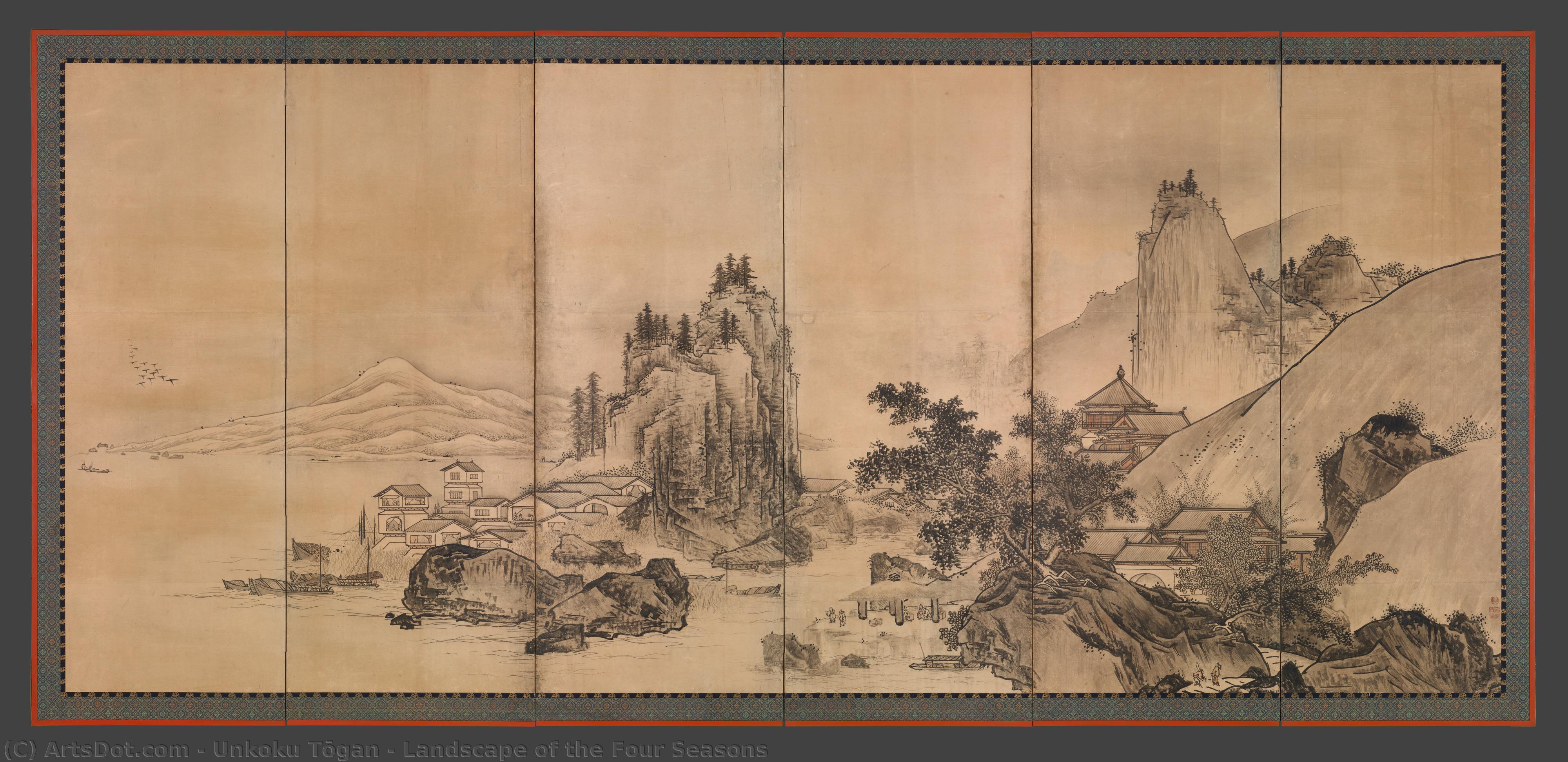
Landscape of the Four Seasons
 601
601 157.0cm x 356.0cm
 詳細を見る
詳細を見る
ジークレー/アートプリント
迅速な制作と多彩な仕上げオプションを備えた、ミュージアムクオリティのジークレーまたはキャンバスプリント。 ( 手描きの絵画を購入 画像を購入)




































作品のオリジナル比率に合わせた、当店の規定サイズからお選びください。

特定のフレームやスペースに合わせて、ご自身でサイズを指定することも可能です。選択されたサイズが元の画像の比率と一致しない場合、作品をトリミングするか、鏡面反射または単色での塗りつぶしによって画像を拡張いたします。制作を開始する前に、ご確認用のデジタルモックアップをお送りいたします。
画面上のプレビューには、実際のトリミングや拡張は反映されませんのでご注意ください。最終的な構図を正確に確認できるのは、モックアップのみとなります。
カスタムサイズも承っておりますが、元の比率を維持するためには、あらかじめ用意されたリストからサイズを選択することをお勧めいたします。


 ガラスオプションは、110cm未満のサイズでのみご利用いただけます。

Landscape of the Four Seasons
ジークレー/アートプリント
複製画のサイズ
-


合計金額
$ 62
作品詳細説明
Introduction to Unkoku Tōgan and his Masterpiece
Unkoku Tōgan (1547-1618) was a Japanese painter born into a privileged family in Nagasaki. He initially studied under a Kanō artist, but later became inspired by the style of Sesshu. Tōgan is best remembered as a suiboku-ga (“water-ink painting”) artist and is considered one of the most important ink painters of the Momoyama period. His masterpiece, 'Landscape of the Four Seasons', is a pair of six-panel folding screens that measure 175.1 x 375.6 cm (68 7/8 in. x 12 ft. 3 7/8 in.) each.Analysis of 'Landscape of the Four Seasons'
The four seasons of the year progress across the surface of these screens, beginning at the right with spring and concluding with winter at the far left. The imaginary landscape, featuring rocky land masses, towering mountains, pavilions, and human activity, recalls aspects of the Chinese theme “Eight Views of the Xiao and Xiang Rivers.” The depiction of geese descending to a sandbar in the distance is particularly noteworthy. Tōgan's sharp outlines and architectonic treatment of land masses are visible in this work, as well as in other screens by him. Some of these screens also feature gilded backgrounds. The influence of earlier Muromachi-period ink master Sesshū Tōyō is evident in the composition and style of 'Landscape of the Four Seasons'.Significance of Unkoku Tōgan's Work
Tōgan, founder of the Unkoku school, was one of the most important ink painters of the Momoyama period. His panoramic landscape composition in 'Landscape of the Four Seasons' reflects the influence of Sesshū and showcases his mastery of suiboku-ga.Availability of Reproductions at ArtsDot
At ArtsDot, we offer high-quality hand-made oil painting reproductions of 'Landscape of the Four Seasons' by Unkoku Tōgan. Our skilled artists meticulously recreate each detail, ensuring that the reproduction captures the essence and beauty of the original masterpiece. You can choose from a wide range of frames to complement your painting or order it unframed and rolled in a tube for easy shipping.Conclusion
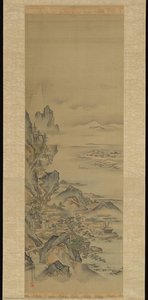
Unkoku Tōgan's 'Landscape of the Four Seasons' is a remarkable work of art that showcases the artist's mastery of suiboku-ga and his deep understanding of Chinese landscape themes. At ArtsDot, we are proud to offer high-quality reproductions of this masterpiece, allowing art lovers to enjoy its beauty in their own homes or offices.関連作品









アーティストの略歴
Unkoku Tōgan: A Life Dedicated to Landscape and Spirituality
- Born: Nagasaki, Japan (1547)
- Died: 1618
Unkoku Tōgan, born in 1547, stands as a significant figure in Japanese art history, renowned for his realistic landscapes and the profound spirituality interwoven within his works. Born into privilege as the second son of Hara Naoie, lord of Nokomi Castle in Hizen province, Nagasaki provided the backdrop to his early life and artistic development.
Early Training and Artistic Development
Tōgan’s initial training occurred within the esteemed Kanō school, a dominant force in Japanese art during that era. However, he soon transcended this foundation, drawing significant inspiration from the celebrated painter Sesshū Tōsai. This influence is evident in his signature style – paintings primarily executed using ink on paper, depicting strikingly realistic landscapes. He initially worked under Lord Mori of Yamaguchi Prefecture.
Artistic Style and Notable Works
Unkoku Tōgan’s artistic hallmark lies in his bold brushstrokes and the vibrant colors he employed, a departure from traditional Japanese art styles. His landscapes weren't merely depictions of scenery; they conveyed a sense of depth and realism rarely seen at the time. Some of his most recognized works include:
- Screen Depicting Landscape, People, Flowers, and Birds: Currently housed at the Iwami Art Museum, this piece exemplifies his ability to integrate various elements into a cohesive and captivating scene.
- Bodhidharma: A masterful 1601 ink wash painting embodying Zen philosophy, showcasing minimalist composition and profound spirituality.
- Priest Xianzi: Demonstrates his skill in portraiture alongside landscape artistry.
Beyond Painting: Buddhist Life and Spiritual Influence
Tōgan’s life extended beyond the realm of painting. He embraced a spiritual path, becoming a Buddhist priest and abbot of Unkoku-an Temple. This experience profoundly shaped his artistic vision, imbuing his works with themes of nature and spirituality. His paintings often reflect a deep connection to the natural world and an understanding of Zen principles.
Legacy and Influence
Unkoku Tōgan’s influence resonated throughout Japanese art history. While rooted in the Kanō school, he forged his own distinct style that inspired subsequent generations of artists. Notable figures who drew inspiration from his work include:
- Kano Sansetsu
- Kanō Eitoku
His paintings are housed in prestigious institutions such as the Museum Menard Art Museum, highlighting his enduring importance within Japanese cultural heritage. His artistic style and legacy continue to be studied by art historians and scholars today.
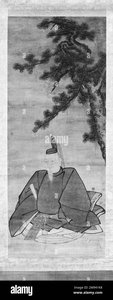
unkoku togan
1547 - 1618 , Japan
基本情報
- Artistic Movement Or Style: Suiboku-ga, Kanō school
- Artists Or Movements Influenced By This Artist:
- Kano Sansetsu
- Kanō Eitoku
- Artists Who Influenced This Artist:
- Sesshu
- Kanō School
- Date Of Birth: 1547
- Date Of Death: 1618
- Full Name: Unkoku Tōgan
- Nationality: Japanese
- Notable Artworks:
- Screen Depicting Landscape
- Bodhidharma
- Priest Xianzi
- Place Of Birth: Nagasaki, Japan

