

 プレビュー
プレビュー
 プリントを購入
 シェアする
シェアする シェアする
シェアする
 詳細を見る
詳細を見る

 ダウンロード
 似ている作品
 X線調査
X線調査 スライドショー
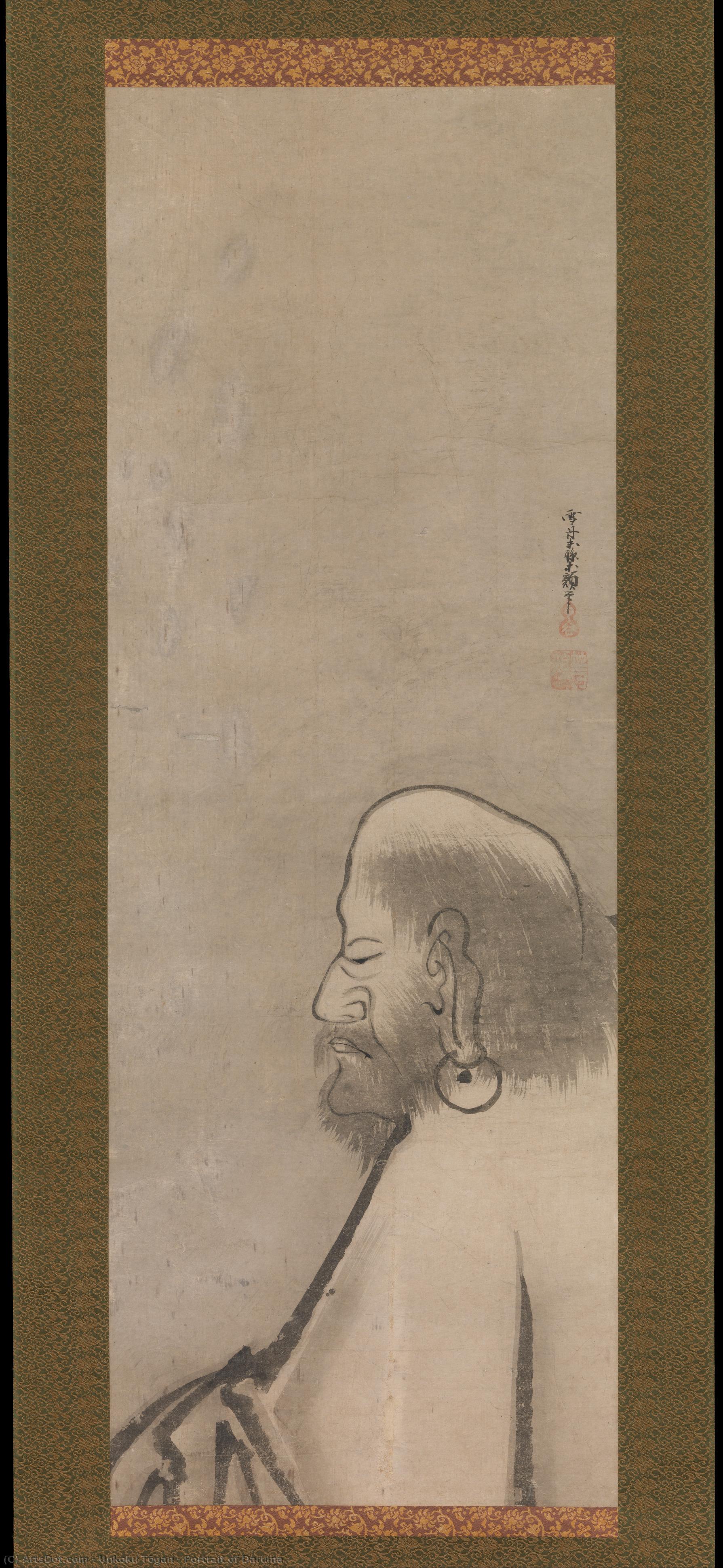
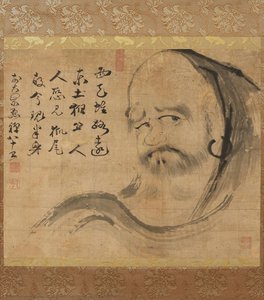
Portrait of Daruma
 Ink On Paper
- Zen Ink Painting
 601
601- Early Modern
 90.0cm x 33.0cm
 詳細を見る
詳細を見る




P118B $10

P118H $10

P118W $10

P438Z $10

P508JH $12

P508YH $12

P805H $10

P805Z $10

P919BZ $10

P919G $10

P919XJ $10

P959ZH $10

P968JZ $12

W106C $8

W218G $10

W218JH $8

W218Y $10

W307PJ $10

W316G $10

W316PJ $8

W316Y $10

W398PJ $8

W4111J $10

W500HY $15

W500JH $15

W692G $12

W849H $8

W940BG $15

W953PJ $8




作品のオリジナル比率に合わせた、当店の規定サイズからお選びください。

特定のフレームやスペースに合わせて、ご希望のサイズをご入力いただけます。選択されたサイズが元の画像の比率と異なる場合、アートワークをトリミングするか、手描きで要素を追加して絵画を拡張いたします。デジタルモックアップ を制作し、制作開始前にご確認(承認)をいただきます。
画面上のプレビューは、実際のトリミングや拡張を正確に反映しているものではありません。最終的な構図は、モックアップによってのみ正確にご確認いただけます。
カスタムサイズもご利用いただけますが、元の比率を維持するためには、あらかじめ用意されたリストからサイズを選択することをお勧めいたします。
ご注文後、ArtsDot.com チームより詳細な指示をお送りするとともに、仕上がりイメージ(モックアップ)をご提供いたします。


 ガラスオプションは、110cm未満のサイズでのみご利用いただけます。

Portrait of Daruma
複製技法
複製画のサイズ
-


合計金額
$ 263
Introduction to the Artist and His Style
Unkoku Tōgan (1547–1618) was a Japanese painter born into a privileged family in Nagasaki. He began his artistic journey as an artist of the Kanō school, but soon found inspiration in the style of Sesshu. His work is characterized by realistic landscapes, usually painted in ink on paper. Tōgan served Lord Mori of Yamaguchi Prefecture and later became a Buddhist priest and abbot of Unkoku-an Temple.The Painting: Portrait of Daruma
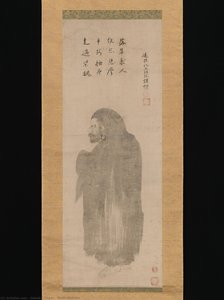
Portrait of Daruma (View the painting on ArtsDot.com) is a powerful representation of Daruma, the Japanese abbreviated pronunciation of the Sanskrit Bodhidharma. Born in India in the 6th century A.D., Daruma is recognized as the first patriarch of Chan (Japanese: Zen) Buddhism in China.Historical Context and Symbolism
The full-profile presentation of Daruma in this painting is somewhat uncommon, with precedents existing in surviving works attributed to Sesshū and his celebrated Chinese predecessor Muqi (active until 1279). The outline of the cranium, from the back of the neck to the curve of the nostril, is skillfully rendered in a single modulated stroke—a trademark of many later ink renditions of the monk by other artists.Unkoku Tōgan's Legacy and Influence
Tōgan was an artist trained in the Kano atelier who positioned himself as an heir to the legacy of Chinese ink painting in the style of Tōyō Sesshū (1420–1506). His work reflects the priorities of Zen monastic life, which were devoted to simple, quotidian tasks and religious training.Conclusion
Portrait of Daruma by Unkoku Tōgan is a profound expression of Zen Buddhism, showcasing the artist's mastery of ink painting and deep understanding of the religion's principles. To learn more about this remarkable piece or to explore other works by Unkoku Tōgan, visit The Zen Art Movement page on ArtsDot.com.- Sources:
- Unkoku Tōgan | Portrait of Daruma | Japan | Momoyama Period, The Metropolitan Museum of Art, View on metmuseum.org
- Unkoku Tōgan | Pretty as a hand-painted picture, ArtsDot.com, View on ArtsDot.com
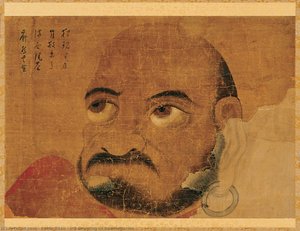
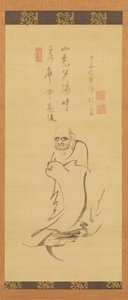
関連作品
アーティストの略歴
Unkoku Tōgan: A Life Dedicated to Landscape and Spirituality
- Born: Nagasaki, Japan (1547)
- Died: 1618
Unkoku Tōgan, born in 1547, stands as a significant figure in Japanese art history, renowned for his realistic landscapes and the profound spirituality interwoven within his works. Born into privilege as the second son of Hara Naoie, lord of Nokomi Castle in Hizen province, Nagasaki provided the backdrop to his early life and artistic development.
Early Training and Artistic Development
Tōgan’s initial training occurred within the esteemed Kanō school, a dominant force in Japanese art during that era. However, he soon transcended this foundation, drawing significant inspiration from the celebrated painter Sesshū Tōsai. This influence is evident in his signature style – paintings primarily executed using ink on paper, depicting strikingly realistic landscapes. He initially worked under Lord Mori of Yamaguchi Prefecture.
Artistic Style and Notable Works
Unkoku Tōgan’s artistic hallmark lies in his bold brushstrokes and the vibrant colors he employed, a departure from traditional Japanese art styles. His landscapes weren't merely depictions of scenery; they conveyed a sense of depth and realism rarely seen at the time. Some of his most recognized works include:
- Screen Depicting Landscape, People, Flowers, and Birds: Currently housed at the Iwami Art Museum, this piece exemplifies his ability to integrate various elements into a cohesive and captivating scene.
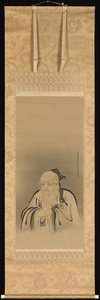
- Bodhidharma: A masterful 1601 ink wash painting embodying Zen philosophy, showcasing minimalist composition and profound spirituality.
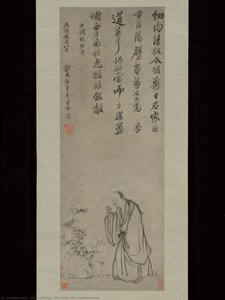
- Priest Xianzi: Demonstrates his skill in portraiture alongside landscape artistry.
Beyond Painting: Buddhist Life and Spiritual Influence
Tōgan’s life extended beyond the realm of painting. He embraced a spiritual path, becoming a Buddhist priest and abbot of Unkoku-an Temple. This experience profoundly shaped his artistic vision, imbuing his works with themes of nature and spirituality. His paintings often reflect a deep connection to the natural world and an understanding of Zen principles.
Legacy and Influence
Unkoku Tōgan’s influence resonated throughout Japanese art history. While rooted in the Kanō school, he forged his own distinct style that inspired subsequent generations of artists. Notable figures who drew inspiration from his work include:
- Kano Sansetsu
- Kanō Eitoku
His paintings are housed in prestigious institutions such as the Museum Menard Art Museum, highlighting his enduring importance within Japanese cultural heritage. His artistic style and legacy continue to be studied by art historians and scholars today.
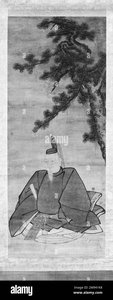
unkoku togan
1547 - 1618 , Japan
基本情報
- Artistic Movement Or Style: Suiboku-ga, Kanō school
- Artists Or Movements Influenced By This Artist:
- Kano Sansetsu
- Kanō Eitoku
- Artists Who Influenced This Artist:
- Sesshu
- Kanō School
- Date Of Birth: 1547
- Date Of Death: 1618
- Full Name: Unkoku Tōgan
- Nationality: Japanese
- Notable Artworks:
- Screen Depicting Landscape
- Bodhidharma
- Priest Xianzi
- Place Of Birth: Nagasaki, Japan
関連記事
Ephemeral Expressions: Exploring the Nuances of Ink on Paper Through History & Contemporary Art
Explore the captivating world of ink wash painting – from its ancient origins to contemporary masters. Discover techniques, symbolism & conservation insights with ArtsDot.com.
Serenity on Canvas: A Guide to the Timeless Beauty of Japanese Landscape Painting
Discover the serene beauty of Japanese landscape painting. From Hokusai's iconic woodblock prints to meditative sumi-e ink washes, explore a visual journey through the 'floating world' and learn how to bring this timeless Zen aesthetic into your modern home decor.

葛飾北斎:25の傑作が語る浮世絵の世界 - ArtsDot
葛飾北斎の25選:『神奈川沖浪裏』や『富嶽三十六景』など、浮世絵の世界を深く探求。木版画の技法と日本美術の美をArtsDotで。高品質なアートプリントで空間に感動を。コレクションはこちら。
Ukiyo-e: Exploring Japan's Floating World & Enduring Artistic Legacy
Explore the captivating world of Ukiyo-e – Japan's iconic woodblock prints! Discover masters like Hokusai & Hiroshige, learn about Edo period culture, and find expert art collecting guidance at ArtsDot.
Ephemeral Lines: Exploring Emotional Resonance in Ink Sketching Traditions
Explore the profound art of ink sketching! Discover techniques to express emotion, master line work, and cultivate artistic sensitivity. Learn from historical masters & unlock your creative potential.

