

 プレビュー
プレビュー
 シェアする
シェアする シェアする
シェアする
 詳細を見る
詳細を見る

 ダウンロード
 似ている作品
 X線調査
X線調査 スライドショー
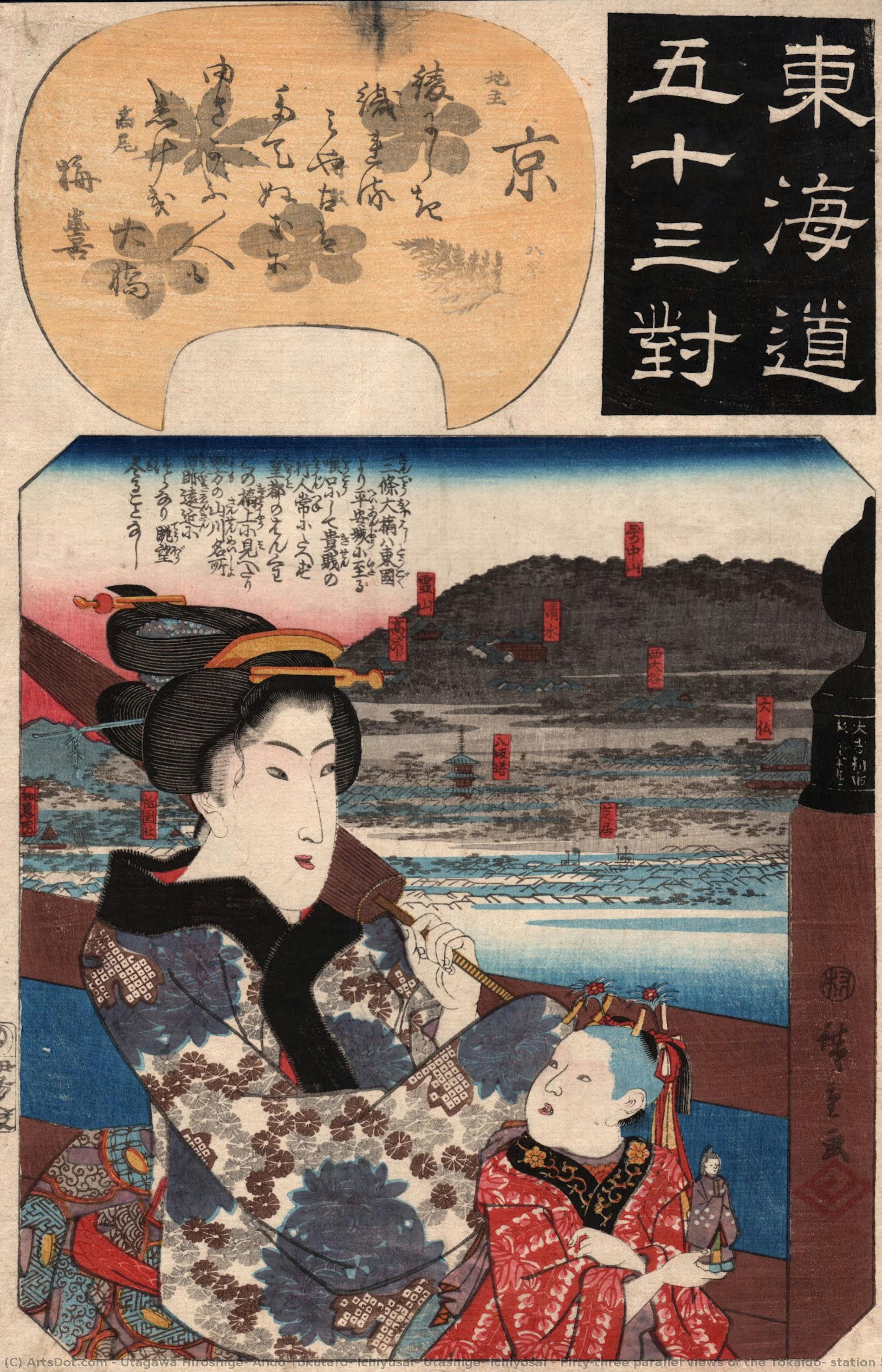
Fifty-three parallel views of the Tōkaidō, station 55
 Woodblock Print
- Ukiyo-e
 1845
1845- 19th Century
 38.0 x 26.0 cm
 Bujalance Collection
 詳細を見る
詳細を見る
ジークレー/アートプリント
迅速な制作と多彩な仕上げオプションを備えた、ミュージアムクオリティのジークレーまたはキャンバスプリント。 ( 手描きの絵画を購入 画像を購入)




P118B $10

P118H $10

P118W $10

P438Z $10

P508JH $12

P508YH $12

P805H $10

P805Z $10

P919BZ $10

P919G $10

P919XJ $10

P959ZH $10

P968JZ $12

W106C $8

W218G $10

W218JH $8

W218Y $10

W307PJ $10

W316G $10

W316PJ $8

W316Y $10

W398PJ $8

W4111J $10

W500HY $15

W500JH $15

W692G $12

W849H $8

W940BG $15

W953PJ $8




作品のオリジナル比率に合わせた、当店の規定サイズからお選びください。

特定のフレームやスペースに合わせて、ご自身でサイズを指定することも可能です。選択されたサイズが元の画像の比率と一致しない場合、作品をトリミングするか、鏡面反射または単色での塗りつぶしによって画像を拡張いたします。制作を開始する前に、ご確認用のデジタルモックアップをお送りいたします。
画面上のプレビューには、実際のトリミングや拡張は反映されませんのでご注意ください。最終的な構図を正確に確認できるのは、モックアップのみとなります。
カスタムサイズも承っておりますが、元の比率を維持するためには、あらかじめ用意されたリストからサイズを選択することをお勧めいたします。


 ガラスオプションは、110cm未満のサイズでのみご利用いただけます。

Fifty-three parallel views of the Tōkaidō, station 55
ジークレー/アートプリント
複製画のサイズ
-


合計金額
$ 62
A Poetic Encounter in the Floating World
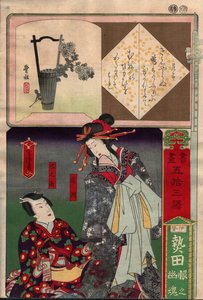
In the delicate interplay of line and color found within Fifty-three parallel views of the Tōkaidō, station 55, we are transported to a vanished era of Japanese history. This exquisite woodblock print, part of a collaborative masterpiece created in 1845, captures a moment of profound intimacy amidst the broader journey of the Tōkaidō road. The scene unfolds with two women locked in a tender, silent exchange; one gently cradles the other's face, her gaze directed downward in a posture of quiet reflection or perhaps shared sorrow. Clad in the flowing, intricate layers of traditional Asian attire and adorned with elegant headpieces, their presence evokes the ephemeral beauty of the ukiyo-e—the "floating world"—where fleeting moments are captured and immortalized through the mastery of the Utagawa school.
The composition is a masterclass in narrative layering. As part of a unique series that brought together the titans of the era—Hiroshige, Kunisada, and Kuniyoshi—this specific print functions as more than just a landscape; it is a window into the legends and human emotions tied to the station of Kyoto. The artwork utilizes a sophisticated dual-structure characteristic of this atypical series. In the upper portion, whimsical, cloud-like frames enclose haiku and symbolic imagery, while the lower register presents the primary scene. This structural duality creates a rhythmic reading experience, inviting the viewer to oscillate between the poetic text and the visceral, emotional reality of the figures depicted below.
Mastery of Technique and Visual Harmony
The technical brilliance of this print lies in its ability to balance delicate detail with bold graphic elements. The use of the oban tate-e format allows for a vertical elegance that complements the elongated silhouettes of the women. Every stroke of the woodblock carries intention, from the fine, hair-like lines of the headpieces to the soft gradients of color that define the folds of their kimonos. The interplay between the dark, heavy cartouche—which proudly displays the series title in striking white characters—and the lighter, more ethereal elements of the upper frame creates a visual tension that keeps the eye moving across the surface.
For the discerning collector or interior designer, this piece offers a profound sense of balance and cultural depth. The print does not merely decorate a space; it anchors it with a sense of historical gravity and aesthetic grace. The subtle palette, characteristic of mid-19th century Japanese printing, provides a sophisticated touch that integrates seamlessly into both contemporary minimalist settings and more traditional, richly textured interiors. It serves as a conversation piece that speaks of the enduring legacy of Utagawa Hiroshige and his contemporaries, offering a tactile connection to the artistry of the Edo period.
An Emotional Legacy for Modern Spaces
Beyond its historical significance, station 55 resonates through its emotional accessibility. The themes of companionship, introspection, and the quiet beauty found in transition are universal. To possess a high-quality reproduction of this work is to invite a sense of tranquility and storytelling into one's environment. It captures the essence of a journey—not just the physical travel along the Tōkaidō road, but the internal journey of the human spirit.
Whether displayed as a focal point in a curated gallery or as a subtle accent in a private study, this artwork inspires a contemplative mood. It reminds us that even within the grand scale of historical series and legendary landscapes, the most impactful stories are often found in the smallest, most intimate gestures between two souls. This print remains a timeless testament to the ability of art to bridge the gap between centuries, bringing the evocative atmosphere of old Japan into the heart of the modern home.
関連作品
アーティストの略歴
A Life Immersed in the Floating World: The Journey of Utagawa Hiroshige
Born Andō Tokutarō in 1797, within the bustling heart of Edo (modern Tokyo), Utagawa Hiroshige’s path to becoming Japan's last great ukiyo-e master was not one initially paved with artistic ambition. His lineage traced back to samurai roots, a background that afforded him a degree of leisure despite his eventual responsibilities as a fire warden—a position inherited from his father. This seemingly mundane duty, however, proved unexpectedly fertile ground for the blossoming artist. The time it allowed him to observe the world around him, coupled with an innate sensitivity, would become the cornerstone of his unique artistic vision. Early loss – the passing of both parents during his childhood – perhaps instilled a quiet introspection that later permeated his work. He initially pursued painting as a hobby, seeking instruction from Toyokuni of the Utagawa school but ultimately finding mentorship under Toyohiro, also of the same lineage. By 1812, he was granted permission to sign his works as Hiroshige, marking the formal beginning of his artistic journey.From Genre Scenes to Landscapes: A Poetic Evolution
Hiroshige’s early work adhered more closely to the conventions of ukiyo-e – depictions of beautiful women, popular actors, and scenes from Edo's vibrant pleasure districts. However, he soon began to diverge from these established norms, drawn instead to the subtle beauty of landscapes. This shift was significantly influenced by Hokusai’s groundbreaking *Thirty-six Views of Mount Fuji*, a series that demonstrated the power of focusing on a single motif across multiple compositions. Yet, Hiroshige's approach differed markedly. Where Hokusai embraced boldness and formality, Hiroshige cultivated a poetic sensibility, prioritizing atmosphere, emotion, and nuanced color gradations. He wasn’t merely recording scenes; he was evoking feelings – the melancholy of rain, the warmth of sunlight, the quiet solitude of a rural path. This mastery of *bokashi*, a technique involving multiple impressions to create soft transitions in color, became a defining characteristic of his style, demanding considerable skill and patience from both artist and printer. His early landscape work often featured depictions of famous tea houses and other local scenes, gradually expanding into broader explorations of the Japanese countryside.The Tōkaidō and Beyond: Defining Series and Lasting Impact
Hiroshige’s reputation solidified with his *Fifty-three Stations of the Tōkaidō* (1833–1834), a horizontal-format series depicting the journey along the main road connecting Edo to Kyoto. This work wasn't simply a travelogue; it was an intimate portrait of life in motion, capturing the bustling energy of post towns, the serene beauty of natural landscapes, and the everyday encounters of travelers. Each print functioned as both a standalone artwork and a piece within a larger narrative, offering glimpses into the social fabric of Edo-period Japan. Following this triumph, he embarked on *One Hundred Famous Views of Edo* (1856–1858), a vertical-format series that celebrated his hometown with an unprecedented level of detail and emotional depth. These series weren’t just commercially successful; they established Hiroshige as the foremost landscape artist of his time. He also produced numerous other notable works, including *Thirty-six Views of Mount Fuji* (a response to Hokusai's series) and various albums showcasing seasonal landscapes and historical scenes.A Legacy Transcending Borders: Japonisme and Modern Influence
The impact of Hiroshige’s work extended far beyond the shores of Japan. In the late 19th century, as Japan opened its borders to the West, *ukiyo-e* prints flooded European markets, sparking a phenomenon known as *Japonisme*. Artists like Manet and Monet were captivated by Hiroshige's compositions, his use of color, and his unconventional perspectives. Vincent van Gogh, in particular, became an ardent admirer, meticulously copying several of Hiroshige’s prints – notably those from the *Fifty-three Stations of the Tōkaidō* – as a means of studying composition and technique. Van Gogh's own paintings bear striking evidence of this influence, demonstrating the profound impact Hiroshige had on the development of modern art. Hiroshige’s death in 1858 coincided with a period of rapid change in Japan, marked by the Meiji Restoration and increasing westernization. While *ukiyo-e* as a genre declined in popularity, his legacy endured, inspiring generations of artists both within Japan and abroad. He remains celebrated not only for his technical mastery but also for his ability to capture the essence of a fleeting moment, transforming ordinary scenes into enduring works of art that continue to resonate with audiences today.A Quiet Revolution: Symbolism and Artistic Philosophy
Beyond the aesthetic beauty of his prints, Hiroshige’s work is imbued with subtle symbolism and a profound connection to nature. He often incorporated poetic verses – *haiku* – into his compositions, adding layers of meaning and inviting viewers to contemplate the deeper significance of the scenes depicted. Rain, for example, wasn't merely a meteorological phenomenon; it represented melancholy, transience, and the passage of time. The inclusion of travelers on the Tōkaidō road spoke to themes of pilgrimage, self-discovery, and the interconnectedness of human experience. His artistic philosophy was rooted in observation and empathy. He sought not to impose his own vision onto the landscape but rather to capture its inherent beauty and evoke a sense of emotional resonance within the viewer. This quiet revolution – a departure from the more flamboyant styles of his predecessors – established Hiroshige as a uniquely sensitive and poetic artist, whose work continues to inspire awe and contemplation centuries later. His influence on Impressionism is undeniable, but perhaps even more significant is his lasting contribution to our understanding of landscape as a vehicle for emotional expression and cultural reflection. Hiroshige’s prints are not simply images; they are windows into the soul of Japan.
基本情報
- Artistic Movement Or Style: Ukiyo-e
- Artists Or Movements Influenced By This Artist:
- Manet
- Monet
- Van Gogh
- Artists Who Influenced This Artist: ['Hokusai']
- Date Of Birth: 1797
- Date Of Death: October 12, 1858
- Full Name: Utagawa Hiroshige
- Nationality: Japanese
- Notable Artworks:
- Fifty-three Stations...
- One Hundred Famous Views...
- Place Of Birth: Edo, Japan
関連記事

葛飾北斎:25の傑作が語る浮世絵の世界 - ArtsDot
葛飾北斎の25選:『神奈川沖浪裏』や『富嶽三十六景』など、浮世絵の世界を深く探求。木版画の技法と日本美術の美をArtsDotで。高品質なアートプリントで空間に感動を。コレクションはこちら。
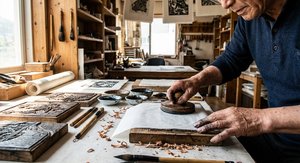
The Enduring Legacy of Woodblock Printmaking: Technique, History & Artistic Expression
Explore the rich history of woodblock printmaking – from ancient techniques to Ukiyo-e masterpieces. Discover expert insights on collecting, preserving & appreciating this enduring art form.
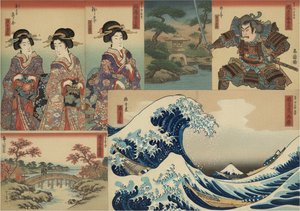
Ukiyo-e: Exploring Japan's Floating World & Enduring Artistic Legacy
Explore the captivating world of Ukiyo-e – Japan's iconic woodblock prints! Discover masters like Hokusai & Hiroshige, learn about Edo period culture, and find expert art collecting guidance at ArtsDot.
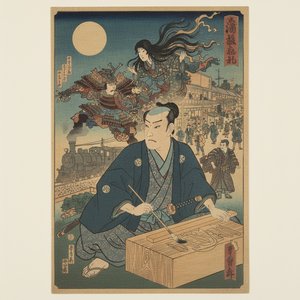
Tsukioka Yoshitoshi: A Master of Ukiyo-e's Final Flourish – Narrative, Innovation, and the Meiji Transition
Explore the life & art of Tsukioka Yoshitoshi, the last great master of ukiyo-e woodblock printing. Discover his dramatic warrior prints, innovative series like 'One Hundred Aspects of the Moon,' and legacy reflecting Japan's Meiji transition.
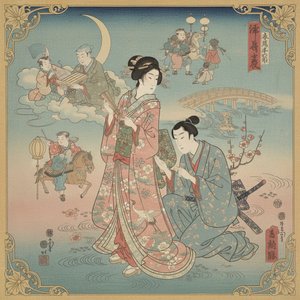
Suzuki Harunobu: Pioneering Ukiyo-e & the Refinement of Edo Period Printmaking
Discover the revolutionary world of Suzuki Harunobu, a pioneer of ukiyo-e printmaking. Explore his exquisite nishiki-e techniques, diverse subjects & lasting impact on Japanese art history. Learn more at ArtsDot.