

 プレビュー
プレビュー
 プリントを購入
 シェアする
シェアする シェアする
シェアする
 詳細を見る
詳細を見る

 ダウンロード
 似ている作品
 X線調査
X線調査 スライドショー
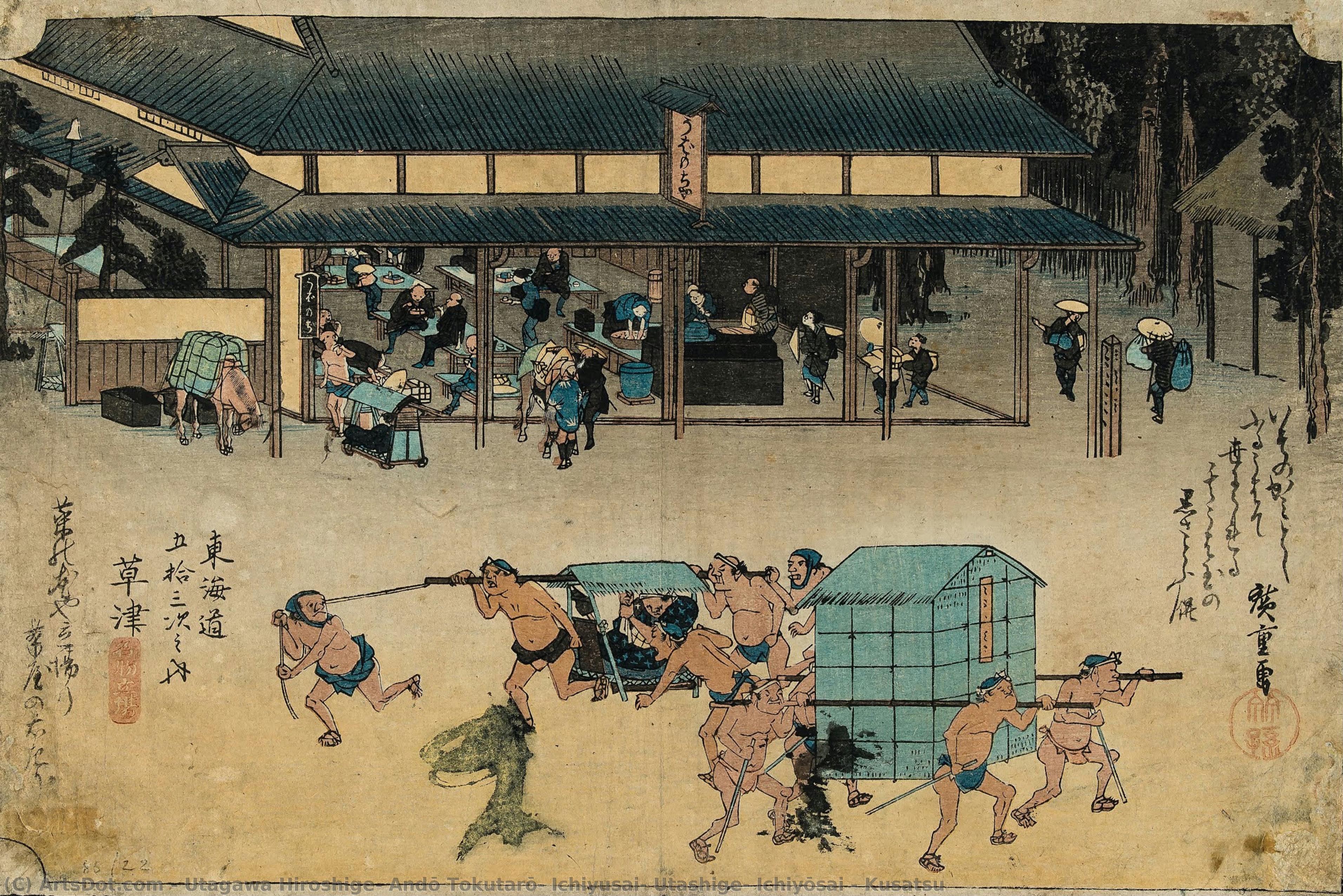
Kusatsu


 詳細を見る
詳細を見る
オンラインプレビューをはるかに凌ぐ、高解像度で鮮明なデジタル画像をご購入いただけます。
各ファイルは、社内の専門家が高度なツールと熟練した手作業によるレタッチを用いて、細心の注意を払って準備されています。すべての画像において、卓越した鮮明度、正確な色彩再現性、そして繊細なディテールを保証いたします。
最終ファイルは、プロフェッショナルな編集・印刷環境ですぐにご利用いただけるよう最適化された状態で、72時間以内にメールにてお届けいたします。これは、一流のデザインスタジオ、出版社、ギャラリーから信頼されているものと同等の品質です。
デジタル画像のご注文に付随する特典
高品質なデジタル画像配信を、確かな品質で。
ArtsDot.com を選ぶことは、単に画像を手に入れることではありません。それは、プロの手によって精密に仕上げられ、満足保証が付いた高品質なデジタルアートワークを受け取ることを意味します。ご注文いただいた際に自動的に付随する内容は、以下の通りです:

メールですぐにお届け
ご注文から72時間以内に、高解像度のデジタル画像ファイルがメールでお手元に届きます。すぐにそのままご利用いただけます。

AI技術で最適化されたデジタルファイル
お客様の作品は、高度なAIツールと専門家による手作業の編集を組み合わせてプロフェッショナルに最適化されており、細部のディテール、鮮明さ、そして正確な色再現性を最大限に引き出しています。

一生涯無料の再送サービス
ファイルを誤って削除したり、紛失してしまったりしましたか?ご安心ください。いつでも無料で再送いたします。

輸入手数料は一切かかりません
関税や手数料、配送料を気にすることなく、お気に入りのアートワークをすぐにお楽しみいただけます。デジタルダウンロードは常に免税です。

色彩再現の保証
プロ仕様のツールとカラーマネジメント技術を用いることで、デジタル画像が元の色を最大限に忠実に再現することを保証いたします。

60日間満足保証
ご購入いただいたデジタル画像にご満足いただけない場合は、60日以内であれば、修正または100%の返金(理由を問う必要はありません)をさせていただきます。

100% 返金保証
ご満足いただけない場合は、デジタルファイルを受け取ってから60日以内であれば、理由を問わず全額返金いたします。

まとめ買い割引
3枚購入で10%OFF - 5枚購入で15%OFF - 10枚以上購入で20%OFF。クリエイティブなプロジェクト、ギャラリー、エージェンシーに最適です。
関連作品
作家の略歴
A Life Immersed in the Floating World: The Journey of Utagawa Hiroshige
Born Andō Tokutarō in 1797, within the bustling heart of Edo (modern Tokyo), Utagawa Hiroshige’s path to becoming Japan's last great ukiyo-e master was not one initially paved with artistic ambition. His lineage traced back to samurai roots, a background that afforded him a degree of leisure despite his eventual responsibilities as a fire warden—a position inherited from his father. This seemingly mundane duty, however, proved unexpectedly fertile ground for the blossoming artist. The time it allowed him to observe the world around him, coupled with an innate sensitivity, would become the cornerstone of his unique artistic vision. Early loss – the passing of both parents during his childhood – perhaps instilled a quiet introspection that later permeated his work. He initially pursued painting as a hobby, seeking instruction from Toyokuni of the Utagawa school but ultimately finding mentorship under Toyohiro, also of the same lineage. By 1812, he was granted permission to sign his works as Hiroshige, marking the formal beginning of his artistic journey.From Genre Scenes to Landscapes: A Poetic Evolution
Hiroshige’s early work adhered more closely to the conventions of ukiyo-e – depictions of beautiful women, popular actors, and scenes from Edo's vibrant pleasure districts. However, he soon began to diverge from these established norms, drawn instead to the subtle beauty of landscapes. This shift was significantly influenced by Hokusai’s groundbreaking *Thirty-six Views of Mount Fuji*, a series that demonstrated the power of focusing on a single motif across multiple compositions. Yet, Hiroshige's approach differed markedly. Where Hokusai embraced boldness and formality, Hiroshige cultivated a poetic sensibility, prioritizing atmosphere, emotion, and nuanced color gradations. He wasn’t merely recording scenes; he was evoking feelings – the melancholy of rain, the warmth of sunlight, the quiet solitude of a rural path. This mastery of *bokashi*, a technique involving multiple impressions to create soft transitions in color, became a defining characteristic of his style, demanding considerable skill and patience from both artist and printer. His early landscape work often featured depictions of famous tea houses and other local scenes, gradually expanding into broader explorations of the Japanese countryside.The Tōkaidō and Beyond: Defining Series and Lasting Impact
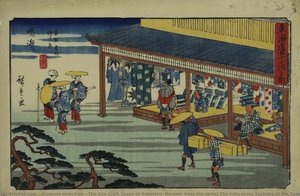
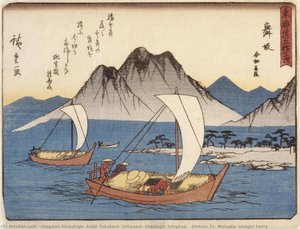
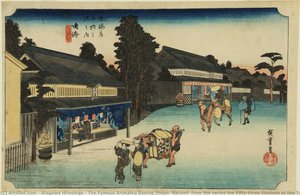
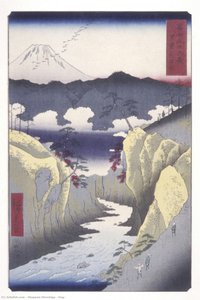
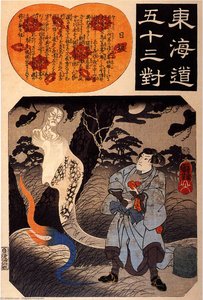
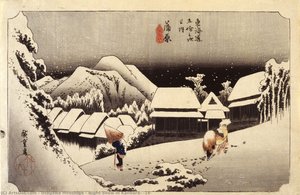
Hiroshige’s reputation solidified with his *Fifty-three Stations of the Tōkaidō* (1833–1834), a horizontal-format series depicting the journey along the main road connecting Edo to Kyoto. This work wasn't simply a travelogue; it was an intimate portrait of life in motion, capturing the bustling energy of post towns, the serene beauty of natural landscapes, and the everyday encounters of travelers. Each print functioned as both a standalone artwork and a piece within a larger narrative, offering glimpses into the social fabric of Edo-period Japan. Following this triumph, he embarked on *One Hundred Famous Views of Edo* (1856–1858), a vertical-format series that celebrated his hometown with an unprecedented level of detail and emotional depth. These series weren’t just commercially successful; they established Hiroshige as the foremost landscape artist of his time. He also produced numerous other notable works, including *Thirty-six Views of Mount Fuji* (a response to Hokusai's series) and various albums showcasing seasonal landscapes and historical scenes.A Legacy Transcending Borders: Japonisme and Modern Influence
The impact of Hiroshige’s work extended far beyond the shores of Japan. In the late 19th century, as Japan opened its borders to the West, *ukiyo-e* prints flooded European markets, sparking a phenomenon known as *Japonisme*. Artists like Manet and Monet were captivated by Hiroshige's compositions, his use of color, and his unconventional perspectives. Vincent van Gogh, in particular, became an ardent admirer, meticulously copying several of Hiroshige’s prints – notably those from the *Fifty-three Stations of the Tōkaidō* – as a means of studying composition and technique. Van Gogh's own paintings bear striking evidence of this influence, demonstrating the profound impact Hiroshige had on the development of modern art. Hiroshige’s death in 1858 coincided with a period of rapid change in Japan, marked by the Meiji Restoration and increasing westernization. While *ukiyo-e* as a genre declined in popularity, his legacy endured, inspiring generations of artists both within Japan and abroad. He remains celebrated not only for his technical mastery but also for his ability to capture the essence of a fleeting moment, transforming ordinary scenes into enduring works of art that continue to resonate with audiences today.A Quiet Revolution: Symbolism and Artistic Philosophy
Beyond the aesthetic beauty of his prints, Hiroshige’s work is imbued with subtle symbolism and a profound connection to nature. He often incorporated poetic verses – *haiku* – into his compositions, adding layers of meaning and inviting viewers to contemplate the deeper significance of the scenes depicted. Rain, for example, wasn't merely a meteorological phenomenon; it represented melancholy, transience, and the passage of time. The inclusion of travelers on the Tōkaidō road spoke to themes of pilgrimage, self-discovery, and the interconnectedness of human experience. His artistic philosophy was rooted in observation and empathy. He sought not to impose his own vision onto the landscape but rather to capture its inherent beauty and evoke a sense of emotional resonance within the viewer. This quiet revolution – a departure from the more flamboyant styles of his predecessors – established Hiroshige as a uniquely sensitive and poetic artist, whose work continues to inspire awe and contemplation centuries later. His influence on Impressionism is undeniable, but perhaps even more significant is his lasting contribution to our understanding of landscape as a vehicle for emotional expression and cultural reflection. Hiroshige’s prints are not simply images; they are windows into the soul of Japan.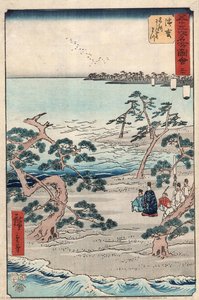
プロフィール概要
- Artistic Movement Or Style: Ukiyo-e
- Artists Or Movements Influenced By This Artist:
- Manet
- Monet
- Van Gogh
- Artists Who Influenced This Artist: ['Hokusai']
- Date Of Birth: 1797
- Date Of Death: October 12, 1858
- Full Name: Utagawa Hiroshige
- Nationality: Japanese
- Notable Artworks:
- Fifty-three Stations...
- One Hundred Famous Views...
- Place Of Birth: Edo, Japan

