

 プレビュー
プレビュー
 プリントを購入
 シェアする
シェアする シェアする
シェアする
 詳細を見る
詳細を見る

 ダウンロード
 似ている作品
 X線調査
X線調査 スライドショー
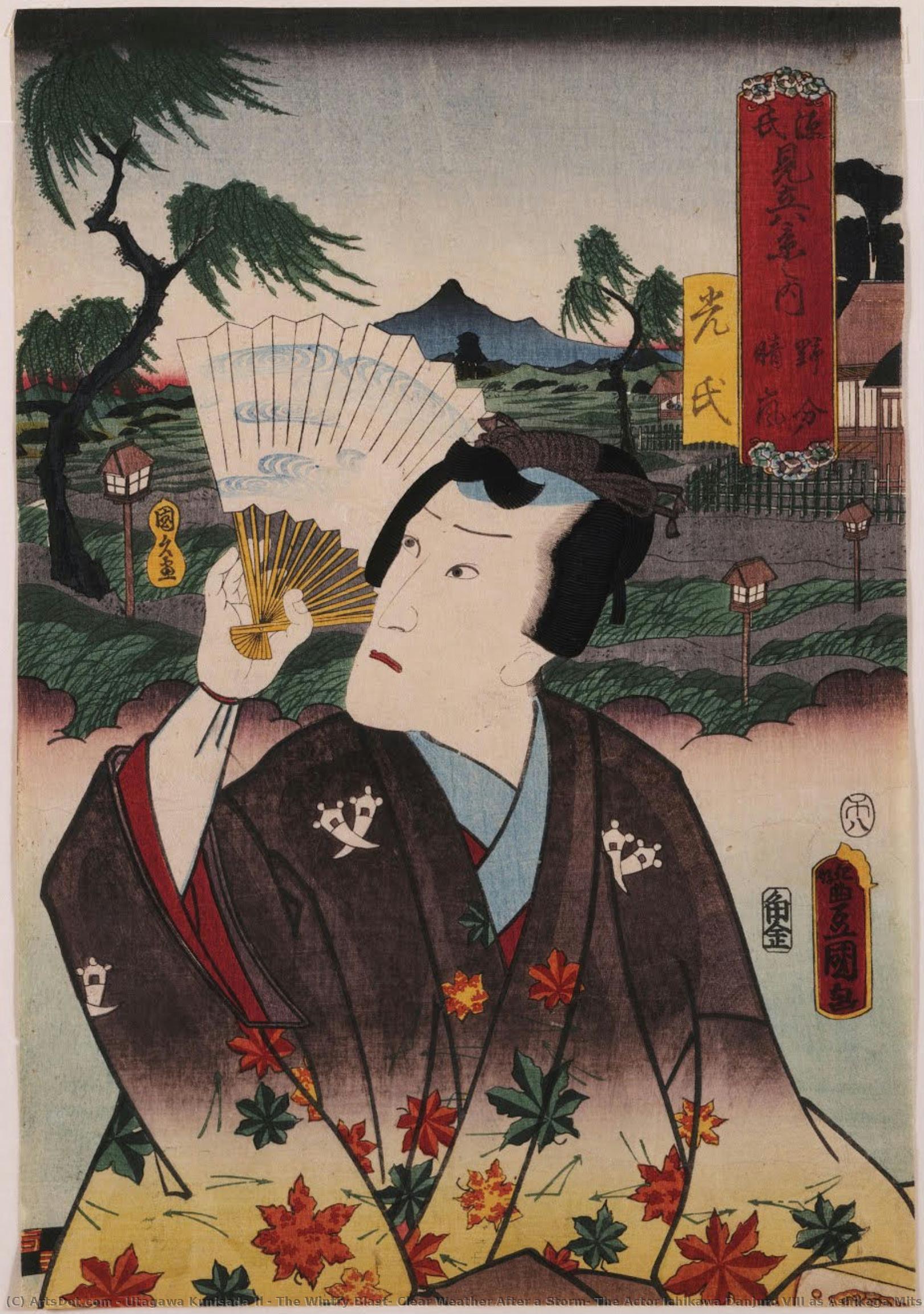
The Wintry Blast; Clear Weather After a Storm; The Actor Ichikawa Danjuro VIII as Ashikaga Mitsuuji
 Painting
- Ukiyo-e
 19th Century
 36.0 x 24.0 cm
 Hammer Museum
 詳細を見る
詳細を見る




P118B $10

P118H $10

P118W $10

P438Z $10

P508JH $12

P508YH $12

P805H $10

P805Z $10

P919BZ $10

P919G $10

P919XJ $10

P959ZH $10

P968JZ $12

W106C $8

W218G $10

W218JH $8

W218Y $10

W307PJ $10

W316G $10

W316PJ $8

W316Y $10

W398PJ $8

W4111J $10

W500HY $15

W500JH $15

W692G $12

W849H $8

W940BG $15

W953PJ $8




作品のオリジナル比率に合わせた、当店の規定サイズからお選びください。

特定のフレームやスペースに合わせて、ご希望のサイズをご入力いただけます。選択されたサイズが元の画像の比率と異なる場合、アートワークをトリミングするか、手描きで要素を追加して絵画を拡張いたします。デジタルモックアップ を制作し、制作開始前にご確認(承認)をいただきます。
画面上のプレビューは、実際のトリミングや拡張を正確に反映しているものではありません。最終的な構図は、モックアップによってのみ正確にご確認いただけます。
カスタムサイズもご利用いただけますが、元の比率を維持するためには、あらかじめ用意されたリストからサイズを選択することをお勧めいたします。
ご注文後、ArtsDot.com チームより詳細な指示をお送りするとともに、仕上がりイメージ(モックアップ)をご提供いたします。


 ガラスオプションは、110cm未満のサイズでのみご利用いただけます。

The Wintry Blast; Clear Weather After a Storm; The Actor Ichikawa Danjuro VIII as Ashikaga Mitsuuji
複製技法
複製画のサイズ
-


合計金額
$ 263
作品解説
A Glimpse into Edo Life: The Allure of Utagawa Kunisada II
To gaze upon this exquisite depiction is to step directly into the vibrant, meticulously detailed world of Edo Japan during the height of the ukiyo-e tradition. The scene unfolds with an almost theatrical grace, centering around a woman whose poise and traditional attire immediately draw the eye. She holds a delicate fan, an object that in itself speaks volumes—of whispered secrets, fleeting moments of romance, and the refined artistry expected of women in her station, perhaps a geisha or maiko. The composition is rich with narrative suggestion; beyond the central figure, background elements populate the space, hinting at a larger social gathering or celebration.
Mastery of Composition and Detail
The technical brilliance evident in this piece cannot be overstated. Utagawa Kunisada II, a master of his time, employed an unparalleled skill in capturing human emotion and natural detail simultaneously. Observe the interplay between the figures—the person positioned to the left, the pair on the right—all contributing to a sense of bustling life contained within the frame. Furthermore, the inclusion of multiple birds, some soaring overhead while others perch nearby, adds a layer of dynamic movement that contrasts beautifully with the stillness of the human subjects. Even the presence of a clock in the upper corner serves as a subtle memento mori, grounding this ephemeral moment in the relentless march of time.
Symbolism and Atmosphere
The atmosphere captured here is one of exquisite transition—a moment suspended between events. The confluence of human interaction, natural elements like the birds, and the suggestion of an organized event imbues the work with deep symbolic resonance. These paintings were not mere portraits; they were visual narratives. They allowed the viewer to contemplate themes of beauty's transience, social ritual, and the fleeting nature of pleasure that defined much of urban life in historical Japan. The overall feeling is one of elegant nostalgia, a perfect echo of a bygone era.
Bringing Edo Elegance Home
For the discerning collector or designer seeking to infuse a space with authentic cultural depth, this reproduction offers an unparalleled opportunity. Owning a piece echoing Kunisada II’s hand allows one to curate an environment that speaks of sophistication and worldly appreciation. Whether placed in a formal reception room where conversation flows like silk, or in a gallery setting dedicated to global artistry, the artwork commands attention through its narrative complexity and delicate execution. It is more than decoration; it is a cultural anchor, inviting contemplation upon the beauty found in structured moments.
関連作品
アーティストの略歴
生い立ちと修行
歌川国貞二世、またの名を豊国四世として知られる彼は、1823年に日本の江戸で生まれた、浮世絵界を代表する絵師の一人です。師である歌川国貞初代のもとで研鑽を積み、初期の作品の多くには国満三世の名を冠していました。その後、1850年から51年頃にかけて国貞二世へと改名し、これにより歌川派の正統な継承者としての地位を確立しました。芸術的様式と代表作
国貞二世の作品群は、40を超えるシリーズに及び、その中心となるのは役者絵(yakusha-e)ですが、美人の肖像、文学の一場面を描いた挿絵、春画など、多岐にわたる主題が鮮やかに描き出されています。彼の最も名高い傑作の一つとして挙げられるのが、1852年に発表された『八犬伝』(hakkendun inu no sōshi no uchi)です。これは曲亭馬琴の壮大な物語である『南総里見八犬伝』を題材としたもので、そのドラマチックな構成は見る者を魅了して止みません。遺産と晩年
国貞二世は歌川派を率い、師のスタイルを忠実に継承して活動しましたが、師が成し遂げたほどの圧倒的な成功を収めるには至りませんでした。明治時代(1868–1912)に入るとその人気は次第に衰退し、1874年以降は制作活動を停止していたようです。彼は1880年7月20日にこの世を去り、晩松院光恩寺に葬られました。その仏名は参光院法覚寺真嗣といいます。ArtsDot.comにおける注目作品
国貞二世の生涯における重要事項
- 1823年: 日本、江戸に誕生
- 1850-51年: 国貞二世と改名
- 1852年: 『八犬伝』を制作
- 1868–1912年: 明治時代、この時期に人気が衰退
- 1880年7月20日: 逝去、晩松院光恩寺に埋葬
ArtsDot.comでのさらなる読書案内
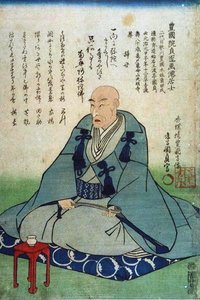
二代目歌川国貞
1823 - 1880 , 日本
基本情報
- Artistic Movement Or Style: 浮世絵 (役者絵)
- Artists Or Movements Influenced By This Artist: ['歌川派']
- Artists Who Influenced This Artist: ['初代歌川国貞']
- Date Of Birth: 1823年
- Date Of Death: 1880年
- Full Name: 二代目歌川国貞
- Nationality: 日本人
- Notable Artworks:
- 八犬伝 犬の壮志のうち
- 大坂の役者 片岡我童 案の平兵衛
- Place Of Birth: 日本、東京
関連記事

葛飾北斎:25の傑作が語る浮世絵の世界 - ArtsDot
葛飾北斎の25選:『神奈川沖浪裏』や『富嶽三十六景』など、浮世絵の世界を深く探求。木版画の技法と日本美術の美をArtsDotで。高品質なアートプリントで空間に感動を。コレクションはこちら。
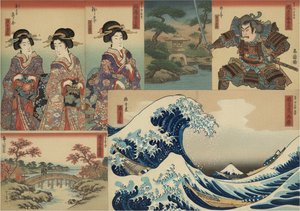
Ukiyo-e: Exploring Japan's Floating World & Enduring Artistic Legacy
Explore the captivating world of Ukiyo-e – Japan's iconic woodblock prints! Discover masters like Hokusai & Hiroshige, learn about Edo period culture, and find expert art collecting guidance at ArtsDot.
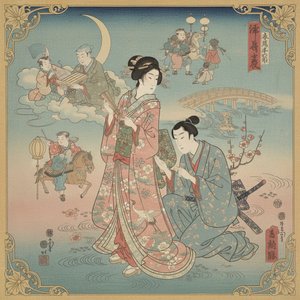
Suzuki Harunobu: Pioneering Ukiyo-e & the Refinement of Edo Period Printmaking
Discover the revolutionary world of Suzuki Harunobu, a pioneer of ukiyo-e printmaking. Explore his exquisite nishiki-e techniques, diverse subjects & lasting impact on Japanese art history. Learn more at ArtsDot.

Floating World: The Captivating Art and Legacy of Japanese Ukiyo-e
Explore the profound beauty of Japanese Ukiyo-e. Discover the history, masters like Hokusai, and the enduring legacy of the 'Floating World' through an expert art-historical lens.
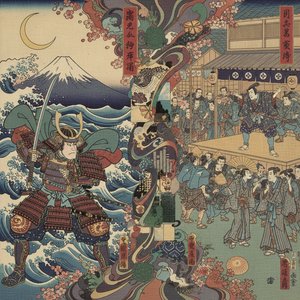
Utagawa Kuniyoshi: A Master of Japanese Ukiyo-e – Narrative Innovation & the Fusion of Tradition with Popular Culture
Explore the captivating world of Utagawa Kuniyoshi, a master of Japanese ukiyo-e woodblock prints. Discover his innovative warrior scenes, vibrant landscapes & lasting legacy in 19th-century art history.

