

 プレビュー
プレビュー
 プリントを購入
 シェアする
シェアする シェアする
シェアする
 詳細を見る
詳細を見る

 ダウンロード
 似ている作品
 X線調査
X線調査 スライドショー
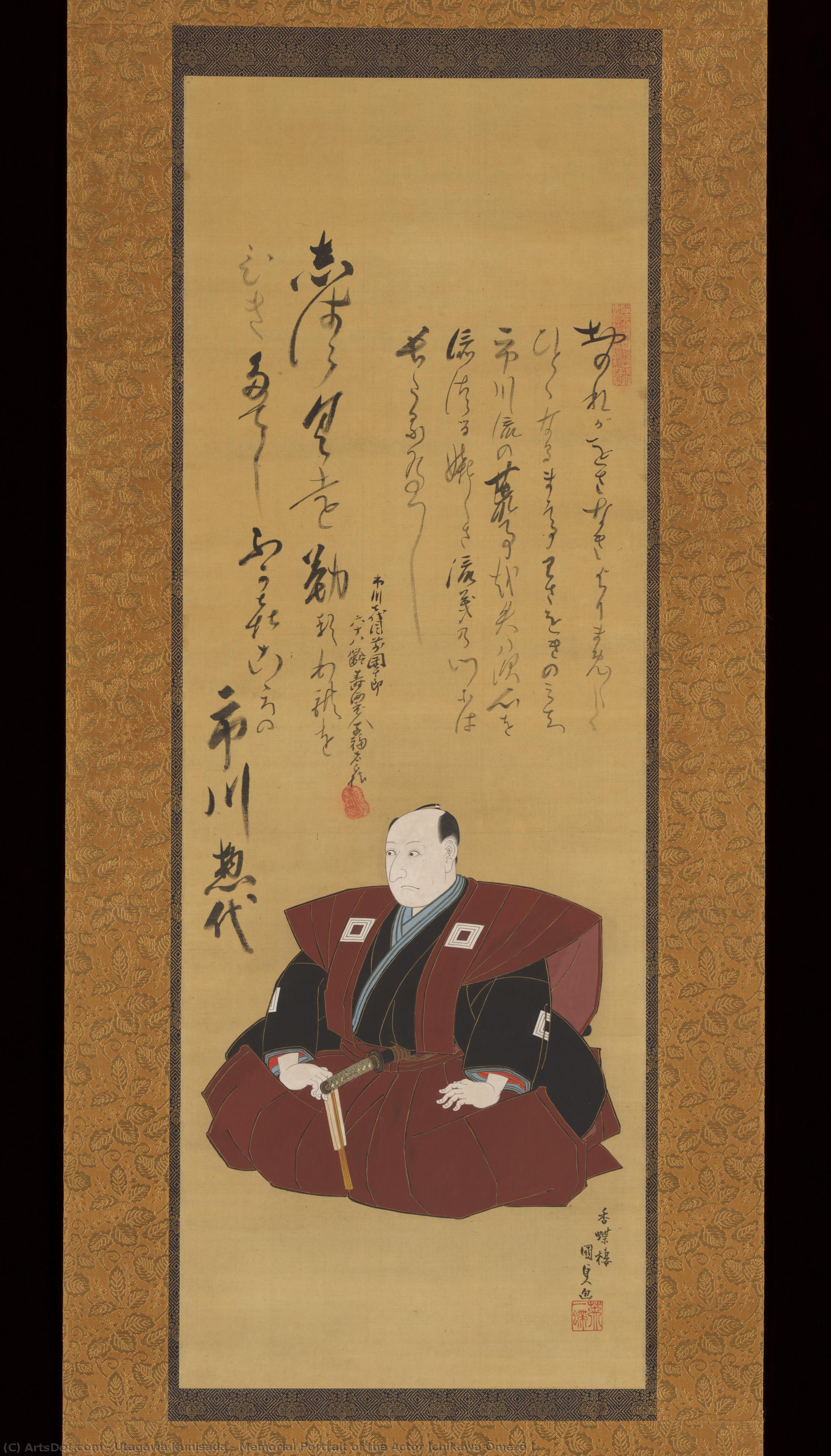
Memorial Portrait of the Actor Ichikawa Ōmezō I
 Ink
Ink- WallArt
- Ukiyo-e
 1858
1858- 19th Century
 90.0 x 32.0 cm
 詳細を見る
詳細を見る




P118B $10

P118H $10

P118W $10

P438Z $10

P508JH $12

P508YH $12

P805H $10

P805Z $10

P919BZ $10

P919G $10

P919XJ $10

P959ZH $10

P968JZ $12

W106C $8

W218G $10

W218JH $8

W218Y $10

W307PJ $10

W316G $10

W316PJ $8

W316Y $10

W398PJ $8

W4111J $10

W500HY $15

W500JH $15

W692G $12

W849H $8

W940BG $15

W953PJ $8




作品のオリジナル比率に合わせた、当店の規定サイズからお選びください。

特定のフレームやスペースに合わせて、ご希望のサイズをご入力いただけます。選択されたサイズが元の画像の比率と異なる場合、アートワークをトリミングするか、手描きで要素を追加して絵画を拡張いたします。デジタルモックアップ を制作し、制作開始前にご確認(承認)をいただきます。
画面上のプレビューは、実際のトリミングや拡張を正確に反映しているものではありません。最終的な構図は、モックアップによってのみ正確にご確認いただけます。
カスタムサイズもご利用いただけますが、元の比率を維持するためには、あらかじめ用意されたリストからサイズを選択することをお勧めいたします。
ご注文後、ArtsDot.com チームより詳細な指示をお送りするとともに、仕上がりイメージ(モックアップ)をご提供いたします。


 ガラスオプションは、110cm未満のサイズでのみご利用いただけます。

Memorial Portrait of the Actor Ichikawa Ōmezō I
複製技法
複製画のサイズ
-


合計金額
$ 263
A Legacy in Ink: The Soul of the Kabuki Stage
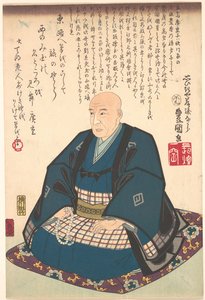
In the delicate interplay of ink and aged paper, the Memorial Portrait of the Actor Ichikawa Ōmezō I emerges as a profound testament to the enduring spirit of the Edo period. Created in 1858 by the legendary Utagawa Kunisada, this hanging scroll is far more than a mere likeness; it is a soulful encounter with a titan of the Kabuki stage. The portrait captures Ōmezō I in a moment of quiet dignity, seated in formal attire that speaks to his high status within the theatrical hierarchy. Clad in a persimmon brown kamishimo—a ceremonial kimono that anchors the composition with its earthy, grounded hue—the actor’s presence is both commanding and contemplative. Kunisada utilizes the subtle textures of washi paper and the varying densities of sumi ink to breathe life into the subject, allowing the viewer to feel the weight of history in every brushstroke.
The artistry of this piece lies in its masterful balance between meticulous detail and calligraphic fluidity. Kunisada, a master of the ukiyo-e tradition, employs a technique that emphasizes the psychological depth of his subject. The actor’s face, characterized by his famously penetrating eyes and distinctive features, is rendered with a precision that captures not just his physical form, but his very essence. Surrounding this central figure is a breathtaking display of dynamic cursive calligraphy, added years later by the great Ichikawa Danjūrō VII. This inscription serves as a moving eulogy, a lyrical tribute from a student to his mentor, weaving a narrative of lineage, passion, and the eternal pursuit of the aragoto acting style. The flowing lines of the text dance around the portrait, creating a visual harmony between the written word and the painted image.
A Masterpiece for the Discerning Collector
For the art enthusiast or interior designer, this reproduction offers an unparalleled opportunity to introduce a sense of historical gravity and Zen-like tranquility into a contemporary space. The color palette—a sophisticated arrangement of subdued ochres, deep blacks, and warm browns—is inherently versatile, complementing both minimalist modern interiors and more ornate, classical settings. The artwork does not merely decorate a wall; it anchors a room, providing a focal point that invites slow contemplation and storytelling. It evokes the atmosphere of a refined tea house or a scholarly study, bringing the rich cultural heritage of 19th-century Japan into the modern home.
Owning a piece inspired by Kunisada’s work is an investment in the preservation of cultural memory. This portrait serves as a bridge to a vanished era of theatrical splendor, embodying the themes of respect, mentorship, and the immortality of art. Whether displayed as a standalone statement or part of a curated gallery wall, the Memorial Portrait of the Actor Ichikawa Ōmezō I radiates an aura of wisdom and melancholy beauty, making it a profound choice for those who seek art that possesses both aesthetic excellence and a deep, resonant narrative.
関連作品
アーティストの略歴
江戸の芸術的絶頂を築いた巨匠
日本の活気あふれる本所にて隅田庄五郎(九代目)として生を受けた歌川国貞は、間違いなく19世紀において最も名高い浮世絵師の一人です。その圧倒的な制作量と比類なき商業的成功は、広重、北斎、国芳といった同時代の巨匠たちの中でも、彼を抜きん出た存在へと押し上げ、江戸時代における多色摺木版画の絶対的な覇者としての地位を不動のものとしました。かつて欧州のコレクターたちは、こうした絵師たちの作風を古典的な浮世絵師に劣るものと見なすこともありましたが、20世紀半ばに巻き起こった再評価の波と、その後の学術的な研究によって、国貞の地位は正当に引き上げられ、今日では日本美術史における最も重要な人物の一人としてその名を刻んでいます。
国貞の形成期を支えたのは、父が営んでいた控えめな渡し船業による家庭の安定でした。この環境は、当時の絵師としては珍しく、彼に一定の経済的なゆとりをもたらしました。アマチュアの詩人でもあった父は、国貞の中に文学への情熱と芸術的表現への渇望を植え付けました。その天賦の才を見抜いたのは、歌川派の重鎮であり、名高い歌舞伎役者絵の絵師でもあった初代歌川豊国でした。豊国は国貞を弟子として迎え入れ、演劇芸術の深淵と木版画の高度な技法を惜しみなく伝授しました。この師弟関係は、単なる技術の継承に留まらず、日本文化に深く根ざした相互の敬意と共鳴的な成長を象徴するものでした。豊国の姓から取られた「国貞」という名は、この受け継がれた伝統の証であり、後にこの分野の指導者として君臨することになる彼の輝かしい未来を予兆していたのです。
色彩と人物描写の極致
芸術家としての才能が開花するにつれ、国貞は「浮世」という儚い世界の美を捉える達人となりました。彼の作品は、鮮やかな色彩と緻密な細部描写を通じて、描かれた対象に命を吹き込む並外れた能力によって特徴づけられます。彼は、以下のような複数の異なるジャンルにおいて比類なき成功を収めました。
- 役者絵:歌舞伎役者の象徴的な肖像画であり、舞台の劇的な緊張感や様式化された動きを、心理的な深みとともに捉えました。
- 美人画:美しい女性たちの精緻な描写であり、流れるような線と複雑な文様を用いて、優雅さと気品を表現しました。
- 武者絵:伝説的な武士や歴史的場面を描いたダイナミックな版画であり、動きと構図に対する卓越した支配力を示しました。
国貞の技術的な輝きは、木版画の限界を押し広げる能力にありました。彼は、江戸時代後期の日本の美意識と不可分となった豊かな色彩を用いました。その構図は単なる装飾に留まるものではありませんでした。それは、劇場の熱狂的なドラマから茶屋の静かな優雅さに至るまで、当時の社会の鼓動を反映した、物語性に満ちた力強い表現だったのです。
遺産と歴史的意義
歌川国貞の歴史的な意義は、いくら強調してもしすぎることはありません。彼は単なる絵師ではなく、江戸の都市文化の絶頂期を記録した文化的な年代記作家でもありました。彼の作品は、伝統的な職人技と、急速に発展する商業的な芸術市場との架け橋となり、高品質な芸術を幅広い層の人々へと届けました。近代において、彼の名声は西洋では一時的に影を潜める時期もありましたが、現代の研究によって、彼は日本美術の中心的支柱として再びその価値を取り戻しています。
今日、私たちは国貞を単なる初代豊国の後継者としてではなく、浮世絵という媒体の可能性を再定義した芸術家として振り返ります。彼の影は、グラフィックデザインの進化や、世界中で続く日本版画への畏敬の念の中にも見て取ることができます。国貞の作品をたどることは、インクと顔料、そして木版によって捉えられた、19世紀日本の鼓動そのものを目撃することなのです。
歌川国貞
1786 - 1865 , 日本
基本情報
- Artistic Movement Or Style: 浮世絵
- Artists Or Movements Influenced By This Artist: ['古典浮世絵']
- Artists Who Influenced This Artist: ['初代歌川豊国']
- Date Of Birth: 1786年
- Date Of Death: 1865年
- Full Name: 歌川国貞
- Nationality: 日本人
- Notable Artworks:
- 初代市川大紋の記念肖像画
- 東京文明名所:銀座煉瓦石
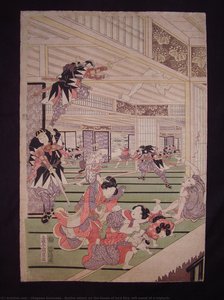
- 浪士による吉良邸襲撃(三枚続の左パネル)
- Place Of Birth: 日本、本所
関連記事

葛飾北斎:25の傑作が語る浮世絵の世界 - ArtsDot
葛飾北斎の25選:『神奈川沖浪裏』や『富嶽三十六景』など、浮世絵の世界を深く探求。木版画の技法と日本美術の美をArtsDotで。高品質なアートプリントで空間に感動を。コレクションはこちら。
The Enduring Legacy of Woodblock Printmaking: Technique, History & Artistic Expression
Explore the rich history of woodblock printmaking – from ancient techniques to Ukiyo-e masterpieces. Discover expert insights on collecting, preserving & appreciating this enduring art form.
Utagawa Kuniyoshi: A Master of Japanese Ukiyo-e – Narrative Innovation & the Fusion of Tradition with Popular Culture
Explore the captivating world of Utagawa Kuniyoshi, a master of Japanese ukiyo-e woodblock prints. Discover his innovative warrior scenes, vibrant landscapes & lasting legacy in 19th-century art history.
Tōshūsai Sharaku: A Fleeting Glimpse into Edo Period Kabuki – Life, Art, and the Enigma of a Ukiyo-e Master
Explore the captivating world of Tōshūsai Sharaku, the enigmatic Edo period ukiyo-e master. Discover his iconic Kabuki actor portraits and unravel the mystery behind this fleeting artistic genius. Learn about his unique style & lasting legacy.

Giclée Prints: Archival Quality & Aesthetic Nuances for the Discerning Collector
Explore the world of giclée prints with ArtsDot. Learn about archival quality, aesthetic nuances & investment potential. Expert guidance for discerning art collectors seeking museum-quality reproductions and lasting value.

