

 プレビュー
プレビュー
 プリントを購入
 シェアする
シェアする シェアする
シェアする
 詳細を見る
詳細を見る

 ダウンロード
 似ている作品
 X線調査
X線調査 スライドショー
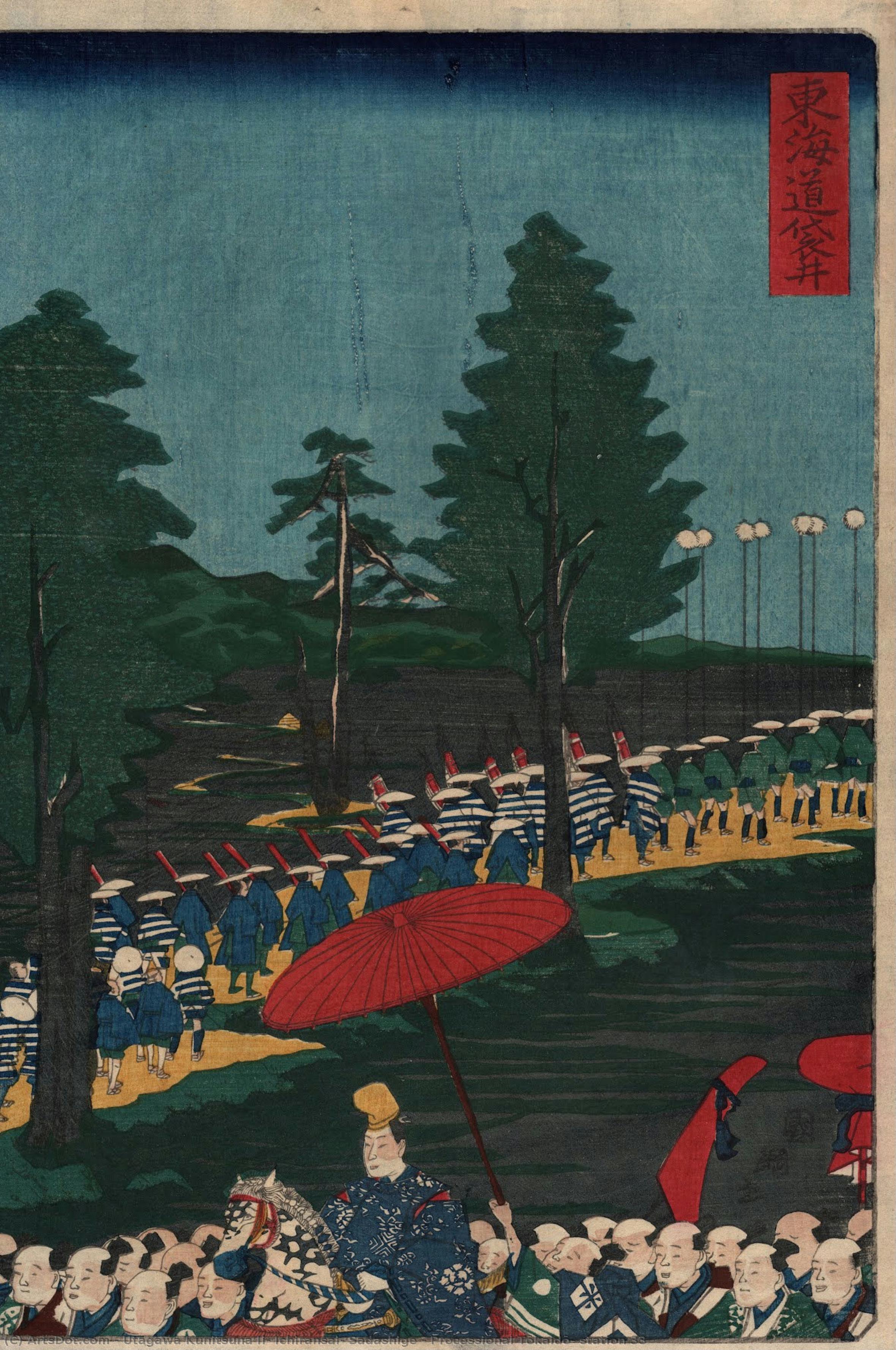
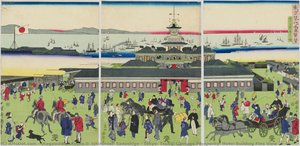
Processional Tōkaidō, station 33
 1863
1863 38.0 x 26.0 cm
 Bujalance Collection
 詳細を見る
詳細を見る




































標準サイズ
オーダーメイド
CM
INCH
作品のオリジナル比率に合わせた、当店の規定サイズからお選びください。
Loading sizes...

幅
高さ
特定のフレームやスペースに合わせて、ご希望のサイズをご入力いただけます。選択されたサイズが元の画像の比率と異なる場合、アートワークをトリミングするか、手描きで要素を追加して絵画を拡張いたします。デジタルモックアップ を制作し、制作開始前にご確認(承認)をいただきます。
画面上のプレビューは、実際のトリミングや拡張を正確に反映しているものではありません。最終的な構図は、モックアップによってのみ正確にご確認いただけます。
カスタムサイズもご利用いただけますが、元の比率を維持するためには、あらかじめ用意されたリストからサイズを選択することをお勧めいたします。
カスタマイズの例:顔をお客様の写真に置き換える、ペットを追加する(例:猫を犬に変更)、背景に隠れたメッセージを入れる、背景の風景や要素を変更するなど。
ご注文後、ArtsDot.com チームより詳細な指示をお送りするとともに、仕上がりイメージ(モックアップ)をご提供いたします。
ご注文後、ArtsDot.com チームより詳細な指示をお送りするとともに、仕上がりイメージ(モックアップ)をご提供いたします。


 ガラスオプションは、110cm未満のサイズでのみご利用いただけます。

Processional Tōkaidō, station 33
複製技法
複製画のサイズ
-


合計金額
$ 263
Se denominan “Tōkaidō procesional” a diferentes series de grabados inspirados en un acontecimiento histórico: el viaje que el shōgun Iemochi hizo, desde Edo hasta Kioto, en el segundo mes de 1863, para presentar sus respetos al emperador.En esta serie trabajaron 16 artistas que diseñaron un total de 162 grabados, publicados por 24 editores diferentes. El hecho de que, tanto artistas como editores, participaran en la producción de esta serie de grabados para reflejar con todo tipo de detalles el viaje del shōgun, tuvo una clara intencionalidad política, ya que el antiguo sistema de shōgunato se encontraba al borde del colapso. La mayoría de los japoneses se oponían al gobierno del shōgun y la sociedad quería una nueva organización.Este grabado realizado por Kunitsuna representa la estación 75, Fukoroi.
関連作品







アーティストの略歴
The Elusive Brush: Unraveling the Life and Art of Utagawa Kunitsuna Ii
Utagawa Kunitsuna Ii, a name that echoes through the annals of late Edo period ukiyo-e, remains a figure shrouded in intriguing mystery. Also known as Ichiransai Sadashige, his life is documented with frustrating sparseness, making him a compelling subject for art historians and enthusiasts alike. Born sometime during the early to mid-19th century – precise dates remain elusive – Kunitsuna Ii flourished primarily between 1840 and 1870, a period of significant social and artistic transition in Japan. Unlike many of his contemporaries whose lives are richly detailed through diaries and apprenticeships records, Kunitsuna’s origins are largely unknown. This lack of biographical information contributes to the unique allure surrounding his work; each print feels like a fragment of a larger, untold story. He was active during the late Edo period and early Meiji era, witnessing firsthand the decline of the shogunate and the rapid modernization that followed.A Master of Bijin-ga: Portraits of Beauty in a Changing World
Kunitsuna Ii is most celebrated for his exquisite bijin-ga – portraits of beautiful women. His depictions are characterized by an exceptional sensitivity to detail, particularly in the rendering of fabrics and hairstyles, reflecting the prevailing fashions of the time. He wasn’t merely replicating appearances; he captured a sense of inner life, a subtle emotionality that distinguished his work from more formulaic portrayals. While many ukiyo-e artists focused on idealized beauty or theatrical roles, Kunitsuna often presented women in everyday settings, engaged in quiet activities like reading, playing musical instruments, or simply enjoying the scenery. This focus on relatable moments resonated with a burgeoning middle class eager for depictions of contemporary life. His prints frequently feature interior scenes, showcasing the refined tastes and domestic comforts of urban dwellers. The delicate balance between realism and idealization is a hallmark of his style, creating images that are both captivatingly beautiful and subtly evocative.Influences and Artistic Development
Pinpointing Kunitsuna’s artistic lineage proves challenging due to the limited documentation surrounding his early career. However, scholars believe he was heavily influenced by earlier masters of bijin-ga such as Kitagawa Utamaro and Keisai Eisen. He absorbed their techniques for portraying feminine grace and elegance but developed a distinctive style that set him apart. His work demonstrates a keen understanding of color theory, employing sophisticated palettes to create atmospheric effects and highlight the textures of fabrics and skin tones. He also appears to have been influenced by the emerging trends in Western art, particularly in his use of perspective and shading – though he never fully abandoned the traditional conventions of ukiyo-e. His prints from the later part of his career show a growing experimentation with composition and subject matter, suggesting a willingness to push boundaries within the established artistic framework.Major Achievements and Historical Significance
While Kunitsuna Ii may not have achieved the widespread fame of some of his contemporaries like Hokusai or Hiroshige, his contributions to ukiyo-e are significant. He produced a prolific body of work – hundreds of prints depicting a diverse range of subjects, primarily focused on women but also including landscapes and historical scenes.- His series focusing on the “Eight Views of Omi” demonstrate his skill in landscape composition.
- Prints illustrating contemporary life provide valuable insights into the social customs and fashions of the late Edo period.
- The exceptional quality of his color printing techniques ensured that his images retained their vibrancy and beauty over time.
基本情報
- Artistic Movement Or Style: Ukiyo-e
- Artists Or Movements Influenced By This Artist: ['']
- Artists Who Influenced This Artist: ['']
- Date Of Death: Living
- Full Name: Utagawa Kunitsuna Ii, Ichiransai Sadashige
- Nationality: Japanese
- Notable Artworks: ['None listed']

