

 プレビュー
プレビュー
 プリントを購入
 シェアする
シェアする シェアする
シェアする
 詳細を見る
詳細を見る

 ダウンロード
 似ている作品
 X線調査
X線調査 スライドショー
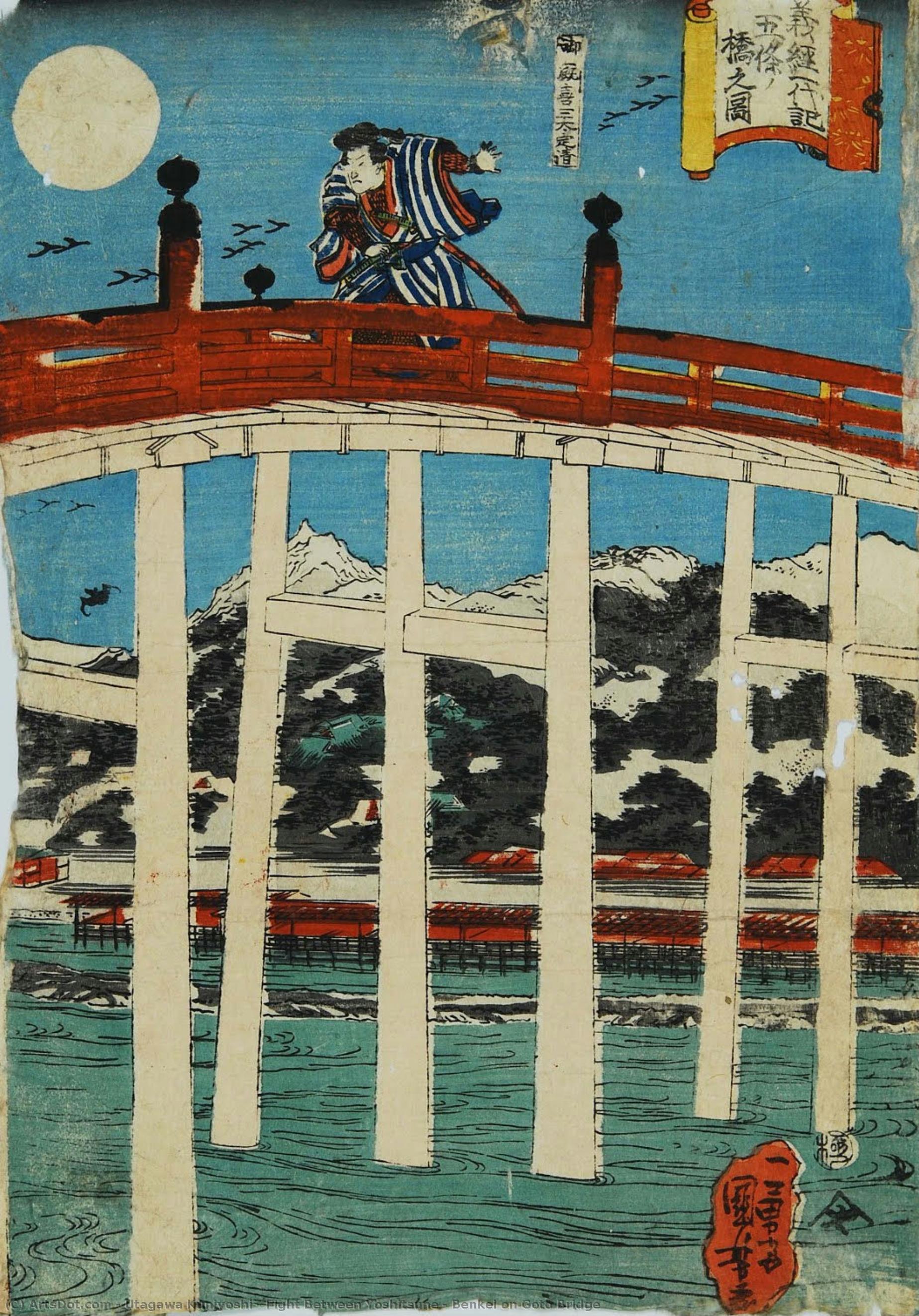
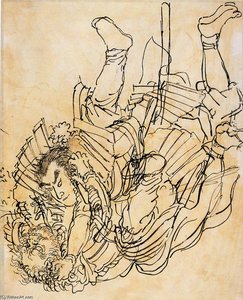
Fight Between Yoshitsune & Benkei on Goto Bridge
 Acrylic On Canvas
- WallArt
- Ukiyo-e
 19th Century
 36.0 x 25.0 cm
 Hammer Museum
 詳細を見る
詳細を見る
オンラインプレビューをはるかに凌ぐ、高解像度で鮮明なデジタル画像をご購入いただけます。
各ファイルは、社内の専門家が高度なツールと熟練した手作業によるレタッチを用いて、細心の注意を払って準備されています。すべての画像において、卓越した鮮明度、正確な色彩再現性、そして繊細なディテールを保証いたします。
最終ファイルは、プロフェッショナルな編集・印刷環境ですぐにご利用いただけるよう最適化された状態で、72時間以内にメールにてお届けいたします。これは、一流のデザインスタジオ、出版社、ギャラリーから信頼されているものと同等の品質です。
デジタル画像のご注文に付随する特典
高品質なデジタル画像配信を、確かな品質で。
ArtsDot.com を選ぶことは、単に画像を手に入れることではありません。それは、プロの手によって精密に仕上げられ、満足保証が付いた高品質なデジタルアートワークを受け取ることを意味します。ご注文いただいた際に自動的に付随する内容は、以下の通りです:

メールですぐにお届け
ご注文から72時間以内に、高解像度のデジタル画像ファイルがメールでお手元に届きます。すぐにそのままご利用いただけます。

AI技術で最適化されたデジタルファイル
お客様の作品は、高度なAIツールと専門家による手作業の編集を組み合わせてプロフェッショナルに最適化されており、細部のディテール、鮮明さ、そして正確な色再現性を最大限に引き出しています。

一生涯無料の再送サービス
ファイルを誤って削除したり、紛失してしまったりしましたか?ご安心ください。いつでも無料で再送いたします。

輸入手数料は一切かかりません
関税や手数料、配送料を気にすることなく、お気に入りのアートワークをすぐにお楽しみいただけます。デジタルダウンロードは常に免税です。

色彩再現の保証
プロ仕様のツールとカラーマネジメント技術を用いることで、デジタル画像が元の色を最大限に忠実に再現することを保証いたします。

60日間満足保証
ご購入いただいたデジタル画像にご満足いただけない場合は、60日以内であれば、修正または100%の返金(理由を問う必要はありません)をさせていただきます。

100% 返金保証
ご満足いただけない場合は、デジタルファイルを受け取ってから60日以内であれば、理由を問わず全額返金いたします。

まとめ買い割引
3枚購入で10%OFF - 5枚購入で15%OFF - 10枚以上購入で20%OFF。クリエイティブなプロジェクト、ギャラリー、エージェンシーに最適です。
作品の詳細
A Clash of Ideals: Unveiling Utagawa Kuniyoshi's Epic Drama
The world of 19th-century Japan, steeped in tradition and burgeoning with a vibrant popular culture, produced an extraordinary array of artistic talent. Among these luminaries stands Utagawa Kuniyoshi (1798 – 1861), a master of *ukiyo-e*, the “pictures of the floating world,” whose works continue to resonate with their dramatic intensity and evocative beauty. Kuniyoshi’s “Fight Between Yoshitsune & Benkei on Goto Bridge” is not merely a depiction of a legendary battle; it's a carefully constructed meditation on honor, duty, and the clash between opposing philosophies – a cornerstone of his artistic legacy.
The scene itself unfolds with arresting immediacy. A lone figure, identified as Yoshitsune, the loyal general of the Minamoto clan, stands poised to engage in combat with Benkei, a giant warrior monk renowned for his unwavering devotion and immense strength. The setting is the Goto Bridge, a strategically vital structure during the Genpei War (1180-1185), lending an air of historical weight to the confrontation. The composition is dynamic, propelled forward by the diagonal thrust of Yoshitsune’s stance and the looming presence of Benkei. Kuniyoshi masterfully utilizes perspective – a technique perfected in *ukiyo-e* – to draw the viewer into this pivotal moment, creating a sense of palpable tension.
The Brushstrokes of a Master: Technique and Style
Kuniyoshi’s style is immediately recognizable. He was a prodigious colorist, employing a rich palette of blues, reds, and greens to imbue his scenes with an almost luminous quality. The use of Prussian blue, imported from Europe during this period, adds a distinctive depth and vibrancy rarely seen in earlier *ukiyo-e*. His brushwork is characterized by its energetic dynamism – short, decisive strokes that capture movement and texture with remarkable precision. Notice the meticulous detail applied to Yoshitsune’s armor and Benkei's massive form, contrasted against the softer rendering of the surrounding landscape. The artist skillfully utilizes *urahashi* (broken ink) techniques, creating subtle gradations of tone and adding a sense of atmospheric depth.
The composition also reflects Kuniyoshi’s deep understanding of theatrical design. He frequently drew inspiration from Kabuki theatre, incorporating elements of dramatic staging – such as the sweeping bridge and the dramatic lighting – to heighten the emotional impact of his scenes. This influence is particularly evident in the positioning of the birds circling overhead; they are not merely decorative but contribute to the overall sense of drama and foreboding.
Symbolism and Narrative Depth
Beyond a simple depiction of a battle, “Fight Between Yoshitsune & Benkei on Goto Bridge” is laden with symbolic meaning. Yoshitsune represents loyalty, ambition, and military prowess – qualities often associated with the warrior class. Benkei embodies unwavering faith, humility, and the power of monastic discipline. Their conflict isn’t simply physical; it's a representation of the broader tensions between Confucian ideals of loyalty to authority and Buddhist values of compassion and detachment. The bridge itself symbolizes a critical juncture in history, a place where destinies collide.
The inclusion of birds – specifically, a flock circling above – adds another layer of interpretation. Birds are often associated with messengers or omens in Japanese folklore, suggesting that the outcome of this confrontation holds significant consequences for the future. Furthermore, the moon, partially obscured by clouds, hints at uncertainty and impending change.
A Legacy Enduring: Kuniyoshi’s Place in Art History
Utagawa Kuniyoshi's “Fight Between Yoshitsune & Benkei on Goto Bridge” stands as a testament to his artistic genius. He was a pivotal figure in the transition of *ukiyo-e* from its earlier, more decorative phases to a period of greater narrative complexity and emotional depth. His works continue to be admired for their dramatic intensity, masterful technique, and profound symbolic resonance. Reproductions of this powerful image offer a window into the rich cultural landscape of Edo Japan, inviting viewers to contemplate themes of honor, duty, and the enduring struggle between opposing forces – a timeless drama rendered with breathtaking skill and artistry.
関連作品
作家の略歴
浮世絵の隆盛を極めた歌川国芳
江戸時代末期に活躍した歌川国芳(うたがわ くによし)は、日本の浮世絵文化において傑出した存在として知られています。1798年1月1日に江戸(現在の東京)で吉蔵と名して生まれた彼は、華やかな「浮世の絵」の世界を鮮やかに彩り、その生涯を通じて日本人の生活や精神性を深く捉え続けました。しかし、彼の道のりは決して芸術家の集まりの中でのものではなく、父の絹染めの家業から始まりました。幼い頃からの色彩と模様への触れ合いは、後に彼の作品に独特の鮮やかさをもたらすことになります。それでも少年時代から国芳の心を捉えて離さなかったのは、武者や職人の姿が描かれた人気のある浮世絵のドラマティックな世界でした。これらの初期の影響が、彼の一生を貫く情熱を育んでいきました。1811年、彼は歌川豊国一門に入り、「国芳」の名を冠し、厳しい修行に励み、歌川派の伝統的な技法を学びました。目覚ましい革新への道
国芳の初期のキャリアは、比較的無名な時期でした。確立された様式に通じていたものの、江戸の浮世絵界で独自の個性を打ち出すことは容易ではありませんでした。彼の初期作品は、師である豊国の画風を模倣したものが多く、同時代の人々から際立つものではありませんでした。しかし、この探求の期間は非常に重要でした。彼は様々なジャンルや技法を試し、ダイナミックな構図、大胆な色彩、そして洗練された物語表現力を徐々に身につけていきました。1827年、中国の小説『水滸伝』を基にした大作シリーズ『通俗水滸伝百八人組』を発表したことが転機となりました。この作品は国芳の名声を高め、「武者絵」の大家としての地位を確立しました。しかし、このシリーズは単なる英雄譚の挿絵ではありませんでした。それは、国芳が育み始めたドラマティックな構図と人物描写の才能を示す舞台となりました。彼は単に戦士を描いたのではなく、感情豊かで細部にまでこだわった生き生きとした姿で彼らを表現したのです。伝統と西洋の影響の融合
国芳を真に特別な存在たらしめているのは、日本の芸術的伝統に深く根ざしながらも、革新を恐れない姿勢です。江戸時代末期には、日本は西洋との交流が深まり、国芳はその中でもいち早く浮世絵の世界に西洋の遠近法や陰影を取り入れました。これは単なる模倣ではなく、奥行き、リアリズム、そしてドラマティックな効果を高めるために巧みにこれらの技法を融合させたものでした。特に彼の風景画は、大気現象と空間的な関係性を巧みに操り、壮大さと畏敬の念を呼び起こします。技術的な側面だけでなく、国芳は浮世絵の主題も広げました。美人画や歌舞伎役者の描写といった伝統的なテーマに加え、歴史的場面、神話上の生き物、そして現代社会に対する風刺的な表現にも挑戦しました。1843年に発表された三幅一組の作品『源氏物語絵合』は、その大胆なアプローチを示す好例であり、ファンタジックな物語の中に政治批判を巧妙に隠しています。先駆者の遺産
国芳が後世の芸術家に与えた影響は計り知れません。彼は5000点を超える膨大な作品群を残し、今日でも多くの人々に感銘を与え続けています。日本の伝統的な美学と西洋の技法を融合させた彼の革新的な試みは、新たな芸術的可能性を開拓し、浮世絵の範囲を広げました。彼は吉藤芳義をはじめとする多くの弟子を育成し、明治時代へと続く国芳の遺産を受け継がせました。- 代表的なシリーズ: 『通俗水滸伝百八人組』は、武者絵における画期的な業績です。
- 巧みな構図: 彼のダイナミックで視覚的に魅力的な場面を作り出す能力は比類のないものです。
- 革新的な技法: 西洋の遠近法と陰影の統合は、浮世絵の風景画に革命をもたらしました。
- 主題の拡大: 彼は浮世絵の境界線を広げ、新しいテーマや物語を探求しました。
歌川国芳
1797 - 1861 , 日本
プロフィール概要
- Artistic Movement Or Style: 浮世絵
- Artists Or Movements Influenced By This Artist: ['尾沢艶吉']
- Artists Who Influenced This Artist: ['歌川豊国']
- Date Of Birth: 1798年1月1日
- Date Of Death: 1861年4月14日
- Full Name: 歌川国芳
- Nationality: 日本人
- Notable Artworks (List Of Titles):
- 水滸伝
- 平家の幽霊
- 五条橋
- Place Of Birth (City And Country): 江戸(東京)日本

