

 プレビュー
プレビュー
 シェアする
シェアする シェアする
シェアする
 詳細を見る
詳細を見る

 ダウンロード
 似ている作品
 X線調査
X線調査 スライドショー
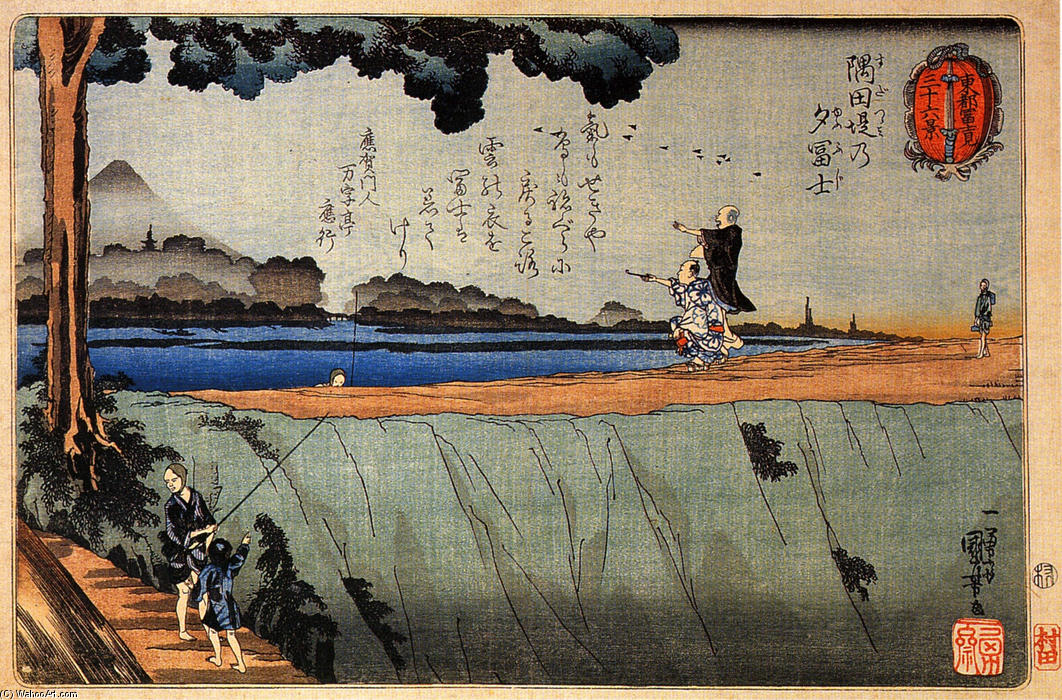
Mount Fuji from the Sumida River embankment


 詳細を見る
詳細を見る
ジークレー/アートプリント
迅速な制作と多彩な仕上げオプションを備えた、ミュージアムクオリティのジークレーまたはキャンバスプリント。 ( 手描きの絵画を購入 画像を購入)




































作品のオリジナル比率に合わせた、当店の規定サイズからお選びください。

特定のフレームやスペースに合わせて、ご自身でサイズを指定することも可能です。選択されたサイズが元の画像の比率と一致しない場合、作品をトリミングするか、鏡面反射または単色での塗りつぶしによって画像を拡張いたします。制作を開始する前に、ご確認用のデジタルモックアップをお送りいたします。
画面上のプレビューには、実際のトリミングや拡張は反映されませんのでご注意ください。最終的な構図を正確に確認できるのは、モックアップのみとなります。
カスタムサイズも承っておりますが、元の比率を維持するためには、あらかじめ用意されたリストからサイズを選択することをお勧めいたします。


 ガラスオプションは、110cm未満のサイズでのみご利用いただけます。

Mount Fuji from the Sumida River embankment
ジークレー/アートプリント
複製画のサイズ
-


合計金額
$ 62
Utagawa Kuniyoshi’s “Mount Fuji from the Sumida River Embankment”: A Window into Edo Japan
This exquisite woodblock print by Utagawa Kuniyoshi, created in 1842, offers a captivating glimpse into the heart of Edo-period Japan. More than just a landscape depiction, it’s a carefully constructed tableau brimming with symbolism and reflecting the artistic sensibilities of its time. Kuniyoshi, nearing the end of his illustrious career, masterfully employs traditional *ukiyo-e* techniques to capture a fleeting moment – a conversation between samurai on the banks of the Sumida River, framed by the imposing majesty of Mount Fuji.
A Composition of Contrasts and Human Connection
The print’s composition immediately draws the eye. The dramatic backdrop of Mount Fuji, rendered with meticulous detail and subtly shifting cloud formations, establishes a sense of awe and reverence – a recurring theme in Kuniyoshi's work, often associated with Buddhist concepts of eternity and spiritual power. However, it is the foreground that truly engages the viewer. Two figures, likely samurai or warriors based on their attire, are deeply engrossed in discussion, adding an element of human drama to the scene. Their relaxed posture and the simple rock upon which one sits suggest a moment of respite from duty, perhaps contemplating strategy or sharing news. Juxtaposed against this activity is the group of three figures observing the riverbank – their stillness hinting at contemplation or perhaps a shared appreciation for the natural beauty before them. This interplay between action and observation creates a dynamic tension that elevates the print beyond a simple landscape view.
Technique and Color: The Language of Ukiyo-e
Kuniyoshi’s skill is evident in his masterful use of *sumi-e* (ink wash) techniques combined with vibrant color blocks. The deep blues of the river and sky contrast dramatically with the earthy tones of the cliff face and the figures' clothing, a characteristic feature of *ukiyo-e*. The red seal, prominently displayed in the upper right corner, serves not only as a signature but also as a focal point, drawing attention to Kuniyoshi’s artistic identity. The print’s creation involved multiple artisans – the carver who meticulously transferred the design onto the woodblock, the printer who applied the inks with precision, and the compo (colorist) who layered the pigments to achieve the desired hues. This collaborative process is a hallmark of *ukiyo-e* production, showcasing the collective artistry that defined the style.
Symbolism and Legacy
“Mount Fuji from the Sumida River Embankment” resonates with deeper symbolic meanings rooted in Japanese culture. Mount Fuji itself held immense spiritual significance, representing beauty, power, and the divine. The inclusion of figures engaged in conversation speaks to the importance of social interaction and human connection within Edo society. Kuniyoshi’s work reflects a fascination with historical narratives and heroic tales – evident in his frequent depictions of warriors and legendary figures. As one of the last great masters of *ukiyo-e*, Kuniyoshi's legacy is secured by prints like this, which exemplify the beauty, skill, and cultural richness of Japanese art during a pivotal period of transition. This print offers a tangible connection to that vibrant past, inviting viewers to contemplate its timeless themes and appreciate the artistry of a true master.
関連作品
アーティストの略歴
浮世絵の隆盛を極めた歌川国芳
江戸時代末期に活躍した歌川国芳(うたがわ くによし)は、日本の浮世絵文化において傑出した存在として知られています。1798年1月1日に江戸(現在の東京)で吉蔵と名して生まれた彼は、華やかな「浮世の絵」の世界を鮮やかに彩り、その生涯を通じて日本人の生活や精神性を深く捉え続けました。しかし、彼の道のりは決して芸術家の集まりの中でのものではなく、父の絹染めの家業から始まりました。幼い頃からの色彩と模様への触れ合いは、後に彼の作品に独特の鮮やかさをもたらすことになります。それでも少年時代から国芳の心を捉えて離さなかったのは、武者や職人の姿が描かれた人気のある浮世絵のドラマティックな世界でした。これらの初期の影響が、彼の一生を貫く情熱を育んでいきました。1811年、彼は歌川豊国一門に入り、「国芳」の名を冠し、厳しい修行に励み、歌川派の伝統的な技法を学びました。目覚ましい革新への道
国芳の初期のキャリアは、比較的無名な時期でした。確立された様式に通じていたものの、江戸の浮世絵界で独自の個性を打ち出すことは容易ではありませんでした。彼の初期作品は、師である豊国の画風を模倣したものが多く、同時代の人々から際立つものではありませんでした。しかし、この探求の期間は非常に重要でした。彼は様々なジャンルや技法を試し、ダイナミックな構図、大胆な色彩、そして洗練された物語表現力を徐々に身につけていきました。1827年、中国の小説『水滸伝』を基にした大作シリーズ『通俗水滸伝百八人組』を発表したことが転機となりました。この作品は国芳の名声を高め、「武者絵」の大家としての地位を確立しました。しかし、このシリーズは単なる英雄譚の挿絵ではありませんでした。それは、国芳が育み始めたドラマティックな構図と人物描写の才能を示す舞台となりました。彼は単に戦士を描いたのではなく、感情豊かで細部にまでこだわった生き生きとした姿で彼らを表現したのです。伝統と西洋の影響の融合
国芳を真に特別な存在たらしめているのは、日本の芸術的伝統に深く根ざしながらも、革新を恐れない姿勢です。江戸時代末期には、日本は西洋との交流が深まり、国芳はその中でもいち早く浮世絵の世界に西洋の遠近法や陰影を取り入れました。これは単なる模倣ではなく、奥行き、リアリズム、そしてドラマティックな効果を高めるために巧みにこれらの技法を融合させたものでした。特に彼の風景画は、大気現象と空間的な関係性を巧みに操り、壮大さと畏敬の念を呼び起こします。技術的な側面だけでなく、国芳は浮世絵の主題も広げました。美人画や歌舞伎役者の描写といった伝統的なテーマに加え、歴史的場面、神話上の生き物、そして現代社会に対する風刺的な表現にも挑戦しました。1843年に発表された三幅一組の作品『源氏物語絵合』は、その大胆なアプローチを示す好例であり、ファンタジックな物語の中に政治批判を巧妙に隠しています。先駆者の遺産
国芳が後世の芸術家に与えた影響は計り知れません。彼は5000点を超える膨大な作品群を残し、今日でも多くの人々に感銘を与え続けています。日本の伝統的な美学と西洋の技法を融合させた彼の革新的な試みは、新たな芸術的可能性を開拓し、浮世絵の範囲を広げました。彼は吉藤芳義をはじめとする多くの弟子を育成し、明治時代へと続く国芳の遺産を受け継がせました。- 代表的なシリーズ: 『通俗水滸伝百八人組』は、武者絵における画期的な業績です。
- 巧みな構図: 彼のダイナミックで視覚的に魅力的な場面を作り出す能力は比類のないものです。
- 革新的な技法: 西洋の遠近法と陰影の統合は、浮世絵の風景画に革命をもたらしました。
- 主題の拡大: 彼は浮世絵の境界線を広げ、新しいテーマや物語を探求しました。
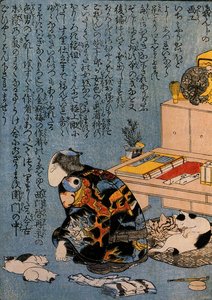
歌川国芳
1797 - 1861 , 日本
基本情報
- Artistic Movement Or Style: 浮世絵
- Artists Or Movements Influenced By This Artist: ['尾沢艶吉']
- Artists Who Influenced This Artist: ['歌川豊国']
- Date Of Birth: 1798年1月1日
- Date Of Death: 1861年4月14日
- Full Name: 歌川国芳
- Nationality: 日本人
- Notable Artworks (List Of Titles):
- 水滸伝
- 平家の幽霊
- 五条橋
- Place Of Birth (City And Country): 江戸(東京)日本
関連記事

葛飾北斎:25の傑作が語る浮世絵の世界 - ArtsDot
葛飾北斎の25選:『神奈川沖浪裏』や『富嶽三十六景』など、浮世絵の世界を深く探求。木版画の技法と日本美術の美をArtsDotで。高品質なアートプリントで空間に感動を。コレクションはこちら。
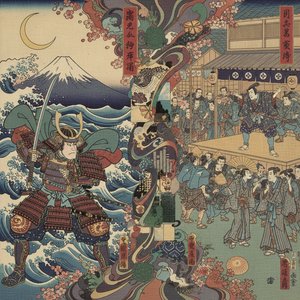
Utagawa Kuniyoshi: A Master of Japanese Ukiyo-e – Narrative Innovation & the Fusion of Tradition with Popular Culture
Explore the captivating world of Utagawa Kuniyoshi, a master of Japanese ukiyo-e woodblock prints. Discover his innovative warrior scenes, vibrant landscapes & lasting legacy in 19th-century art history.
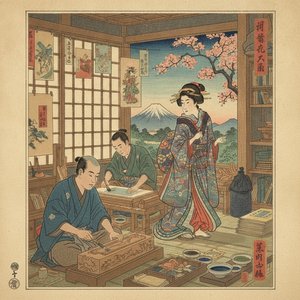
Floating World: The Captivating Art and Legacy of Japanese Ukiyo-e
Explore the profound beauty of Japanese Ukiyo-e. Discover the history, masters like Hokusai, and the enduring legacy of the 'Floating World' through an expert art-historical lens.
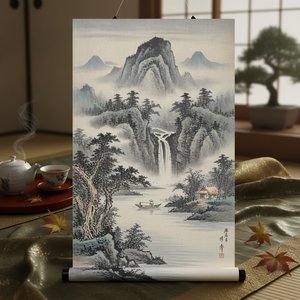
Serenity on Canvas: A Guide to the Timeless Beauty of Japanese Landscape Painting
Discover the serene beauty of Japanese landscape painting. From Hokusai's iconic woodblock prints to meditative sumi-e ink washes, explore a visual journey through the 'floating world' and learn how to bring this timeless Zen aesthetic into your modern home decor.
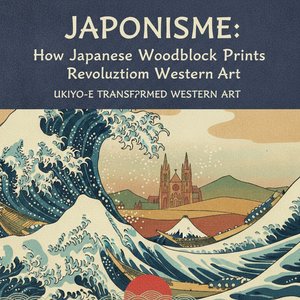
Japonisme: How Japanese Woodblock Prints Revolutionized Western Art
Explore the profound impact of Japonisme on Western art. Discover how Japanese ukiyo-e woodblock prints revolutionized perspective, color, and composition for masters like Monet and Van Gogh, forever changing the course of modern art history.

