

 プレビュー
プレビュー
 プリントを購入
 シェアする
シェアする シェアする
シェアする
 詳細を見る
詳細を見る

 ダウンロード
 似ている作品
 X線調査
X線調査 スライドショー
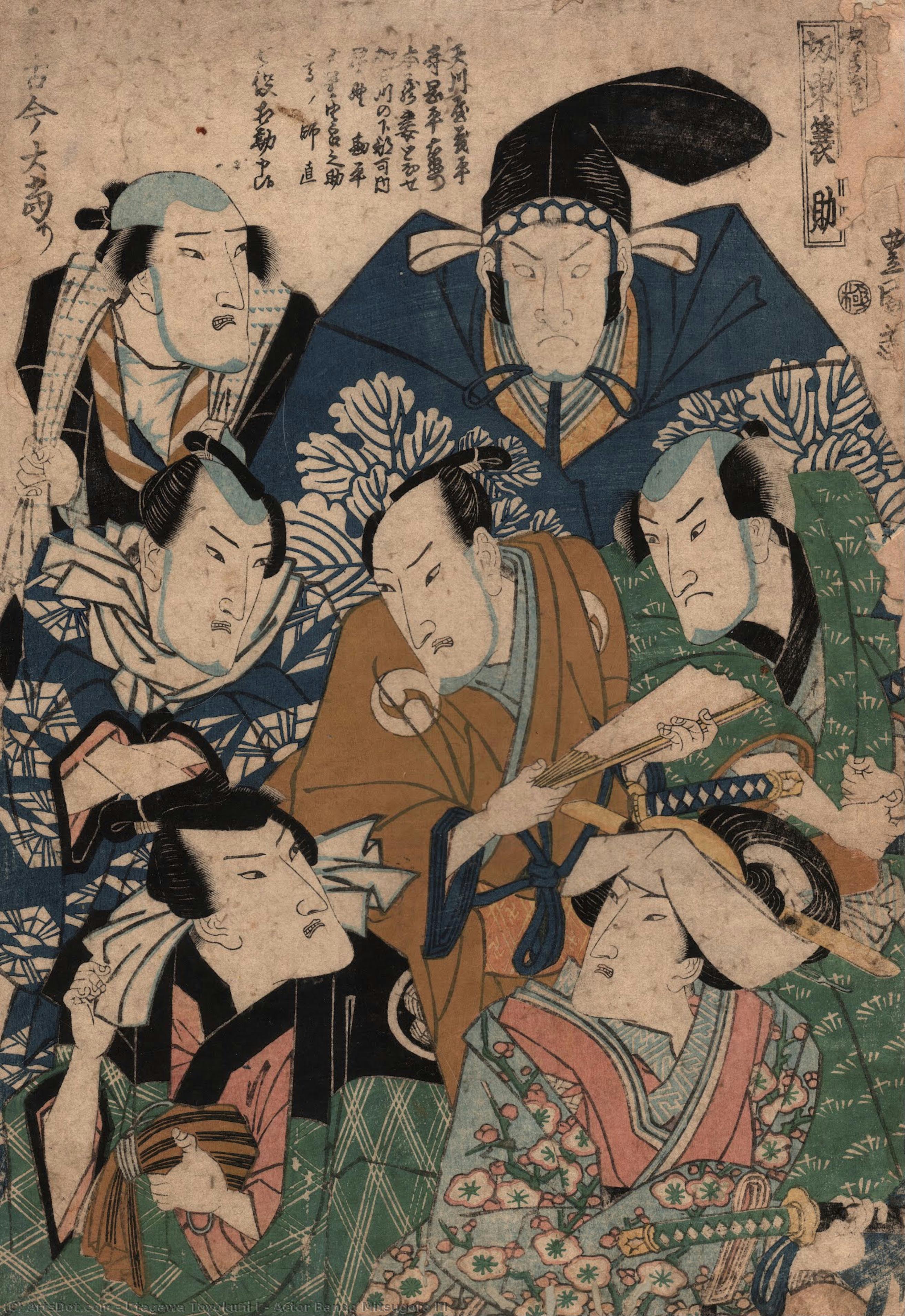
Actor Bando Mitsugoro III
 Woodblock Print
- Ukiyo-e
 1821
1821- 19th Century
 38.0 x 26.0 cm
 Bujalance Collection
 詳細を見る
詳細を見る




P118B $10

P118H $10

P118W $10

P438Z $10

P508JH $12

P508YH $12

P805H $10

P805Z $10

P919BZ $10

P919G $10

P919XJ $10

P959ZH $10

P968JZ $12

W106C $8

W218G $10

W218JH $8

W218Y $10

W307PJ $10

W316G $10

W316PJ $8

W316Y $10

W398PJ $8

W4111J $10

W500HY $15

W500JH $15

W692G $12

W849H $8

W940BG $15

W953PJ $8




作品のオリジナル比率に合わせた、当店の規定サイズからお選びください。

特定のフレームやスペースに合わせて、ご希望のサイズをご入力いただけます。選択されたサイズが元の画像の比率と異なる場合、アートワークをトリミングするか、手描きで要素を追加して絵画を拡張いたします。デジタルモックアップ を制作し、制作開始前にご確認(承認)をいただきます。
画面上のプレビューは、実際のトリミングや拡張を正確に反映しているものではありません。最終的な構図は、モックアップによってのみ正確にご確認いただけます。
カスタムサイズもご利用いただけますが、元の比率を維持するためには、あらかじめ用意されたリストからサイズを選択することをお勧めいたします。
ご注文後、ArtsDot.com チームより詳細な指示をお送りするとともに、仕上がりイメージ(モックアップ)をご提供いたします。


 ガラスオプションは、110cm未満のサイズでのみご利用いただけます。

Actor Bando Mitsugoro III
複製技法
複製画のサイズ
-


合計金額
$ 413
作品解説
The Drama of the Floating World
In the vibrant heart of 19th-century Edo, the theater was not merely entertainment; it was the pulse of urban life. Utagawa Toyokuni I, a titan of the ukiyo-e genre, captures this electric atmosphere in his 1821 masterpiece, Actor Bando Mitsugoro III. This exquisite woodblock print serves as a window into the Kabuki stage, presenting a breathtakingly dense composition where the boundaries between performer and persona blur. The artwork celebrates the extraordinary versatility of Mitsugoro III, an actor renowned for his ability to inhabit multiple roles within a single production. Through Toyokuni’s masterful hand, we witness a kaleidoscopic display of character, where each figure represents a different facet of a dramatic narrative, all held together by the rhythmic energy of the stage.
The visual language of this piece is deeply rooted in the ukiyo-e tradition, characterized by its striking use of flat perspective and bold, decisive outlines. Toyokuni employs a sophisticated palette dominated by serene blues and verdant greens, which provides a cooling contrast to the sudden, passionate bursts of crimson, pink, and earthy browns found in the actors' elaborate costumes. The technique of woodblock printing is palpable; one can almost sense the texture of the paper and the subtle grain of the ink, lending a tactile quality to the flowing silks and intricate patterns. This layering of color through multiple blocks creates a sense of depth that, while not following Western linear perspective, achieves a profound theatrical dimension through the overlapping of figures and the strategic placement of symbolic elements.
Symbolism and the Art of Performance
Every element within this composition is heavy with meaning, designed to be read by the contemporary audience of the Edo period. The presence of scrolls, likely containing stage directions or character lineages, anchors the piece in the technical reality of the theater, while the delicate fan held by an actor serves as a classic symbol of grace and communicative power in Japanese dance. Even the stylized foliage that frames the scene suggests a garden setting, grounding the intense human drama within a controlled, aestheticized nature. These symbols work in harmony to elevate the print from a mere portrait to a complex narrative tapestry, where clothing, makeup, and props all contribute to the storytelling.
For the discerning collector or interior designer, this artwork offers more than just historical value; it provides an emotional resonance that is both intense and contemplative. The faces of the actors—some etched with stern determination, others lost in quiet reflection—invite the viewer to participate in the drama. There is a palpable tension in the crowded frame, a sense of the "floating world" where moments of high emotion are captured forever in ink. As a high-quality reproduction, this piece brings a sophisticated touch of Japanese heritage and a dramatic focal point to any space, offering an enduring connection to the golden age of Kabuki theater and the unparalleled artistry of Utagawa Toyokuni I.
関連作品
アーティストの略歴
The Rise of a Theatrical Master: Utagawa Toyokuni I
Utagawa Toyokuni I, born in Edo in 1769 and passing in 1825, stands as a pivotal figure in the history of ukiyo-e, the “pictures of the floating world.” While many artists contributed to this vibrant art form, Toyokuni’s impact was particularly profound. He wasn't merely a recorder of his time; he *defined* it for countless viewers through his captivating depictions of kabuki actors and the beauties of Edo society. His ascent marked not only a personal triumph but also the elevation of the Utagawa school to unprecedented levels of fame and influence, a position it would maintain throughout much of the 19th century. Toyokuni’s story is one of diligent study, masterful synthesis, and an acute understanding of popular taste – a combination that propelled him to become arguably the most successful printmaker of his era.Early Life and Apprenticeship: Foundations in Edo
Toyokuni's origins lay within a family steeped in artistic craft. His father, Kurahashi Gorobei, was a skilled carver specializing in dolls and puppets – miniature representations often modeled after the celebrated performers of the kabuki stage. This early exposure to the world of theatre undoubtedly ignited a passion that would later define Toyokuni’s career. Around the age of fourteen, he entered the workshop of Utagawa Toyoharu, the first head of the Utagawa school and a well-respected artist in his own right. The connection was facilitated by his father's existing relationship with Toyoharu, who lived nearby. Within this environment, Toyokuni embarked on a rigorous artistic education alongside fellow pupil Toyohiro – a lineage that would later produce another giant of ukiyo-e, Hiroshige, renowned for his landscape prints. He adopted the name Utagawa Toyokuni as was customary, incorporating a syllable from his master’s name in a gesture of respect and artistic continuity.A Synthesis of Styles: Forging an Individual Path
Unlike some artists blessed with immediate, innate talent, Toyokuni appears to have been a dedicated student, meticulously absorbing the techniques and aesthetics of those who preceded him. He didn’t seek to revolutionize ukiyo-e overnight; instead, he embarked on a period of intense study, focusing intently on the works of masters like Utamaro, Chōbunsai Eishi, and Eishōsai Chōki. He wasn't simply copying their styles but rather dissecting them, understanding their strengths, and ultimately synthesizing them into something uniquely his own. This process demanded considerable effort and patience, resulting in a style characterized by elegance, refinement, and an unparalleled attention to detail. He moved beyond imitation, developing a distinctive approach that would soon become instantly recognizable.Kabuki as Canvas: The Yakusha-e Revolution
Toyokuni’s true breakthrough came with his focus on yakusha-e, portraits of kabuki actors. While not the first to depict these performers, he elevated the genre to new heights. His prints weren't merely likenesses; they were dynamic representations of actors *in character*, capturing the energy and drama of a performance. He possessed an extraordinary ability to convey personality – the swagger of a heroic warrior, the vulnerability of a tragic heroine, the cunning of a mischievous rogue. Unlike Sharaku, whose portraits often emphasized exaggerated features to reveal inner character, Toyokuni strived for accuracy, recreating the experience of witnessing a play firsthand. His prints showed actors *acting*, not just posed figures in costume. This commitment to realism resonated deeply with theatre-goers, making his work immensely popular and solidifying his reputation as the leading yakusha-e artist of his time. Beyond kabuki, Toyokuni also excelled in other genres, including musha-e (warrior prints) and bijin-ga (pictures of beautiful women), demonstrating a remarkable versatility.Legacy and Historical Significance: A Lasting Impression
Utagawa Toyokuni I’s influence on the development of ukiyo-e is undeniable. He not only achieved immense commercial success during his lifetime but also laid the foundation for the Utagawa school's dominance in the 19th century. His pupils, including his son and successor, continued to build upon his legacy, perpetuating his style and expanding the reach of ukiyo-e. While Sharaku is often lauded by modern art historians for his psychological insight, it was Toyokuni who captured the hearts of the Edo public. His prints offered a window into their world – a celebration of theatre, beauty, and the fleeting pleasures of life. Today, his works are treasured as masterpieces of Japanese art, providing invaluable insights into the culture and aesthetics of the Edo period.- Key Contribution: Revolutionized yakusha-e (kabuki actor prints) with dynamic portrayals of actors in performance.
- Style Characteristics: Elegance, refinement, accuracy, and attention to detail.
- Influences: Utamaro, Chōbunsai Eishi, Eishōsai Chōki, Utagawa Toyoharu
- Genres Explored: Yakusha-e, Bijin-ga, Musha-e, and Shunga.
utagawa toyokuni i
1769 - 1825
基本情報
- Artistic Movement Or Style: Ukiyo-e
- Artists Or Movements Influenced By This Artist: Hiroshige, Utagawa school
- Artists Who Influenced This Artist:
- Utamaro
- Chōbunsai Eishi
- Eishōsai Chōki
- Date Of Birth: 1769
- Date Of Death: 1825
- Full Name: Utagawa Toyokuni I
- Nationality: Japanese
- Notable Artworks:
- Yakusha-e portraits
- Bijin-ga paintings
- Musha-e warriors
- Shunga erotica
- Place Of Birth: Edo, Japan
関連記事

葛飾北斎:25の傑作が語る浮世絵の世界 - ArtsDot
葛飾北斎の25選:『神奈川沖浪裏』や『富嶽三十六景』など、浮世絵の世界を深く探求。木版画の技法と日本美術の美をArtsDotで。高品質なアートプリントで空間に感動を。コレクションはこちら。
Ukiyo-e: Exploring Japan's Floating World & Enduring Artistic Legacy
Explore the captivating world of Ukiyo-e – Japan's iconic woodblock prints! Discover masters like Hokusai & Hiroshige, learn about Edo period culture, and find expert art collecting guidance at ArtsDot.
Tōshūsai Sharaku: A Fleeting Glimpse into Edo Period Kabuki – Life, Art, and the Enigma of a Ukiyo-e Master
Explore the captivating world of Tōshūsai Sharaku, the enigmatic Edo period ukiyo-e master. Discover his iconic Kabuki actor portraits and unravel the mystery behind this fleeting artistic genius. Learn about his unique style & lasting legacy.
The Enduring Legacy of Woodblock Printmaking: Technique, History & Artistic Expression
Explore the rich history of woodblock printmaking – from ancient techniques to Ukiyo-e masterpieces. Discover expert insights on collecting, preserving & appreciating this enduring art form.
Suzuki Harunobu: Pioneering Ukiyo-e & the Refinement of Edo Period Printmaking
Discover the revolutionary world of Suzuki Harunobu, a pioneer of ukiyo-e printmaking. Explore his exquisite nishiki-e techniques, diverse subjects & lasting impact on Japanese art history. Learn more at ArtsDot.

