

 プレビュー
プレビュー
 プリントを購入
 シェアする
シェアする シェアする
シェアする
 詳細を見る
詳細を見る

 ダウンロード
 似ている作品
 X線調査
X線調査 スライドショー
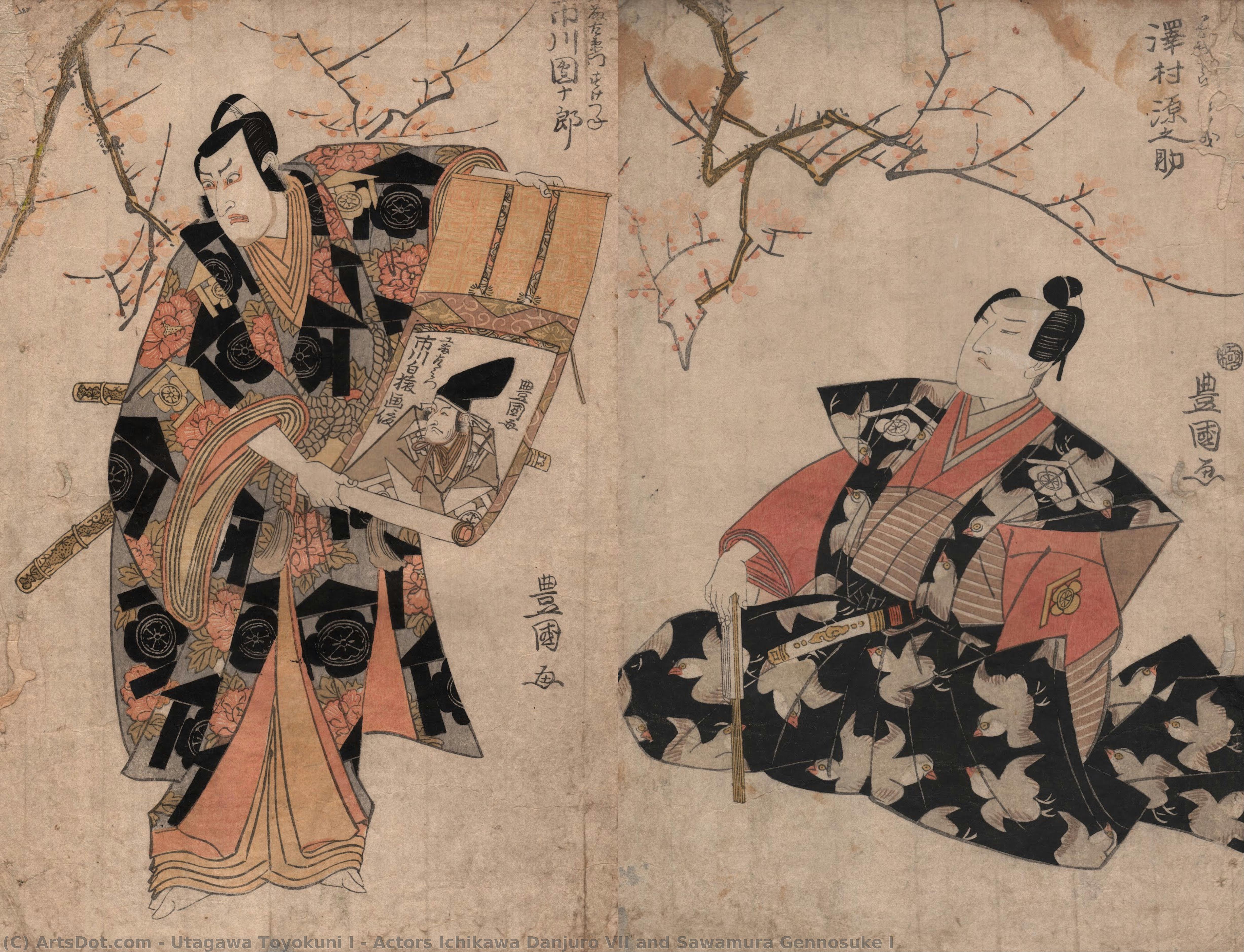
Actors Ichikawa Danjuro VII and Sawamura Gennosuke I
 Woodblock Print
- Ukiyo-e
 1809
1809- 19th Century
 38.0 x 52.0 cm
 Bujalance Collection
 詳細を見る
詳細を見る
オンラインプレビューをはるかに凌ぐ、高解像度で鮮明なデジタル画像をご購入いただけます。
各ファイルは、社内の専門家が高度なツールと熟練した手作業によるレタッチを用いて、細心の注意を払って準備されています。すべての画像において、卓越した鮮明度、正確な色彩再現性、そして繊細なディテールを保証いたします。
最終ファイルは、プロフェッショナルな編集・印刷環境ですぐにご利用いただけるよう最適化された状態で、72時間以内にメールにてお届けいたします。これは、一流のデザインスタジオ、出版社、ギャラリーから信頼されているものと同等の品質です。
デジタル画像のご注文に付随する特典
高品質なデジタル画像配信を、確かな品質で。
ArtsDot.com を選ぶことは、単に画像を手に入れることではありません。それは、プロの手によって精密に仕上げられ、満足保証が付いた高品質なデジタルアートワークを受け取ることを意味します。ご注文いただいた際に自動的に付随する内容は、以下の通りです:

メールですぐにお届け
ご注文から72時間以内に、高解像度のデジタル画像ファイルがメールでお手元に届きます。すぐにそのままご利用いただけます。

AI技術で最適化されたデジタルファイル
お客様の作品は、高度なAIツールと専門家による手作業の編集を組み合わせてプロフェッショナルに最適化されており、細部のディテール、鮮明さ、そして正確な色再現性を最大限に引き出しています。

一生涯無料の再送サービス
ファイルを誤って削除したり、紛失してしまったりしましたか?ご安心ください。いつでも無料で再送いたします。

輸入手数料は一切かかりません
関税や手数料、配送料を気にすることなく、お気に入りのアートワークをすぐにお楽しみいただけます。デジタルダウンロードは常に免税です。

色彩再現の保証
プロ仕様のツールとカラーマネジメント技術を用いることで、デジタル画像が元の色を最大限に忠実に再現することを保証いたします。

60日間満足保証
ご購入いただいたデジタル画像にご満足いただけない場合は、60日以内であれば、修正または100%の返金(理由を問う必要はありません)をさせていただきます。

100% 返金保証
ご満足いただけない場合は、デジタルファイルを受け取ってから60日以内であれば、理由を問わず全額返金いたします。

まとめ買い割引
3枚購入で10%OFF - 5枚購入で15%OFF - 10枚以上購入で20%OFF。クリエイティブなプロジェクト、ギャラリー、エージェンシーに最適です。
A Dramatic Encounter in the Floating World
In the vibrant heart of Edo-period Japan, the theater was not merely entertainment; it was a mirror reflecting the passions, heroism, and social complexities of the era. This exquisite ukiyo-e diptych, created in 1809 by the legendary Utagawa Toyokuni I, captures a moment of profound theatrical tension. The artwork presents two iconic Kabuki actors, Ichikawa Danjuro VII and Sawamura Gennosuke I, frozen in a dramatic tableau that transcends the boundaries of the stage. As part of a larger triptych, these prints invite the viewer into a world where lineage and legacy are physically unrolled before our eyes. On one side, we witness the intensity of Ichikawa Danjuro VII portraying Kudo Saemon Suketsune, an actor caught in the act of revealing a hidden truth through a sacred scroll. Opposite him, Sawamura Gennosuke I embodies the role of Soga Juro Sukenari, completing a narrative arc that is as much about familial honor as it is about dramatic confrontation.
The composition is a masterclass in the Ukiyo-e tradition, utilizing a vertical format that emphasizes the commanding presence of the performers. Toyokuni employs a striking use of contrast, setting the brightly colored, intricately patterned garments of the samurai against a dark, undefined background. This technique creates a chiaroscuro effect that pulls the figures forward, making their movements feel immediate and visceral. The lines are precise and deliberate, defining the sharp edges of weaponry and the flowing silk of the kimonos with surgical accuracy. There is a rhythmic symmetry in the way the two panels interact, guiding the eye across the space between the actors to find the connection within the unfolding story.
The Artistry of Woodblock and Lineage
To behold this work is to appreciate the meticulous technical skill required by the woodblock printing process. Each print is a result of a collaborative dance between artist, carver, and printer. The texture of the piece possesses a subtle, organic grain, a hallmark of authentic woodblock techniques that lends a sense of historical weight to the paper. Toyokuni’s use of color is both bold and sophisticated; he utilizes flat planes of pigment that are layered to create depth without relying on Western-style perspective. Instead, depth is suggested through the clever overlapping of elements—the way a hand grips a hilt or the delicate unfurling of a scroll containing calligraphy. This flattened perspective is quintessential to the "pictures of the floating world," focusing the viewer's attention on the graphic power of the design rather than realistic spatial illusion.
Beyond the visual splendor, the artwork is steeped in profound symbolism. The presence of the ukiyo (scroll) serves as a powerful metaphor for memory and the weight of ancestry. As Danjuro VII unrolls the painting of his father, Ichikawa Hakuen, the artwork becomes a meta-commentary on the continuity of art and the inescapable influence of one's predecessors. Elements such as the stylized motifs and the sharp, decisive postures of the warriors evoke themes of transience and the fleeting nature of glory—concepts central to the Japanese aesthetic of mono no aware. For the collector or interior designer, this piece offers more than mere decoration; it provides a window into a vanished era of high drama and cultural refinement.
Integrating such a masterpiece into a contemporary space allows for a sophisticated dialogue between history and modernity. Whether placed in a minimalist gallery setting or as a focal point in a richly textured study, the print’s bold outlines and dramatic energy command attention. It serves as an evocative conversation piece, inviting guests to contemplate the intricate layers of Japanese history, the technical mastery of the Utagawa school, and the timeless allure of the Kabuki stage. Owning a high-quality reproduction of this work is an opportunity to preserve a fragment of Edo's golden age, bringing the soul of the floating world into the modern home.
関連作品
作家の略歴
The Rise of a Theatrical Master: Utagawa Toyokuni I
Utagawa Toyokuni I, born in Edo in 1769 and passing in 1825, stands as a pivotal figure in the history of ukiyo-e, the “pictures of the floating world.” While many artists contributed to this vibrant art form, Toyokuni’s impact was particularly profound. He wasn't merely a recorder of his time; he *defined* it for countless viewers through his captivating depictions of kabuki actors and the beauties of Edo society. His ascent marked not only a personal triumph but also the elevation of the Utagawa school to unprecedented levels of fame and influence, a position it would maintain throughout much of the 19th century. Toyokuni’s story is one of diligent study, masterful synthesis, and an acute understanding of popular taste – a combination that propelled him to become arguably the most successful printmaker of his era.Early Life and Apprenticeship: Foundations in Edo
Toyokuni's origins lay within a family steeped in artistic craft. His father, Kurahashi Gorobei, was a skilled carver specializing in dolls and puppets – miniature representations often modeled after the celebrated performers of the kabuki stage. This early exposure to the world of theatre undoubtedly ignited a passion that would later define Toyokuni’s career. Around the age of fourteen, he entered the workshop of Utagawa Toyoharu, the first head of the Utagawa school and a well-respected artist in his own right. The connection was facilitated by his father's existing relationship with Toyoharu, who lived nearby. Within this environment, Toyokuni embarked on a rigorous artistic education alongside fellow pupil Toyohiro – a lineage that would later produce another giant of ukiyo-e, Hiroshige, renowned for his landscape prints. He adopted the name Utagawa Toyokuni as was customary, incorporating a syllable from his master’s name in a gesture of respect and artistic continuity.A Synthesis of Styles: Forging an Individual Path
Unlike some artists blessed with immediate, innate talent, Toyokuni appears to have been a dedicated student, meticulously absorbing the techniques and aesthetics of those who preceded him. He didn’t seek to revolutionize ukiyo-e overnight; instead, he embarked on a period of intense study, focusing intently on the works of masters like Utamaro, Chōbunsai Eishi, and Eishōsai Chōki. He wasn't simply copying their styles but rather dissecting them, understanding their strengths, and ultimately synthesizing them into something uniquely his own. This process demanded considerable effort and patience, resulting in a style characterized by elegance, refinement, and an unparalleled attention to detail. He moved beyond imitation, developing a distinctive approach that would soon become instantly recognizable.Kabuki as Canvas: The Yakusha-e Revolution
Toyokuni’s true breakthrough came with his focus on yakusha-e, portraits of kabuki actors. While not the first to depict these performers, he elevated the genre to new heights. His prints weren't merely likenesses; they were dynamic representations of actors *in character*, capturing the energy and drama of a performance. He possessed an extraordinary ability to convey personality – the swagger of a heroic warrior, the vulnerability of a tragic heroine, the cunning of a mischievous rogue. Unlike Sharaku, whose portraits often emphasized exaggerated features to reveal inner character, Toyokuni strived for accuracy, recreating the experience of witnessing a play firsthand. His prints showed actors *acting*, not just posed figures in costume. This commitment to realism resonated deeply with theatre-goers, making his work immensely popular and solidifying his reputation as the leading yakusha-e artist of his time. Beyond kabuki, Toyokuni also excelled in other genres, including musha-e (warrior prints) and bijin-ga (pictures of beautiful women), demonstrating a remarkable versatility.Legacy and Historical Significance: A Lasting Impression
Utagawa Toyokuni I’s influence on the development of ukiyo-e is undeniable. He not only achieved immense commercial success during his lifetime but also laid the foundation for the Utagawa school's dominance in the 19th century. His pupils, including his son and successor, continued to build upon his legacy, perpetuating his style and expanding the reach of ukiyo-e. While Sharaku is often lauded by modern art historians for his psychological insight, it was Toyokuni who captured the hearts of the Edo public. His prints offered a window into their world – a celebration of theatre, beauty, and the fleeting pleasures of life. Today, his works are treasured as masterpieces of Japanese art, providing invaluable insights into the culture and aesthetics of the Edo period.- Key Contribution: Revolutionized yakusha-e (kabuki actor prints) with dynamic portrayals of actors in performance.
- Style Characteristics: Elegance, refinement, accuracy, and attention to detail.
- Influences: Utamaro, Chōbunsai Eishi, Eishōsai Chōki, Utagawa Toyoharu
- Genres Explored: Yakusha-e, Bijin-ga, Musha-e, and Shunga.
utagawa toyokuni i
1769 - 1825
プロフィール概要
- Artistic Movement Or Style: Ukiyo-e
- Artists Or Movements Influenced By This Artist: Hiroshige, Utagawa school
- Artists Who Influenced This Artist:
- Utamaro
- Chōbunsai Eishi
- Eishōsai Chōki
- Date Of Birth: 1769
- Date Of Death: 1825
- Full Name: Utagawa Toyokuni I
- Nationality: Japanese
- Notable Artworks:
- Yakusha-e portraits
- Bijin-ga paintings
- Musha-e warriors
- Shunga erotica
- Place Of Birth: Edo, Japan

