

 プレビュー
プレビュー
 プリントを購入
 シェアする
シェアする シェアする
シェアする
 詳細を見る
詳細を見る

 ダウンロード
 似ている作品
 X線調査
X線調査 スライドショー
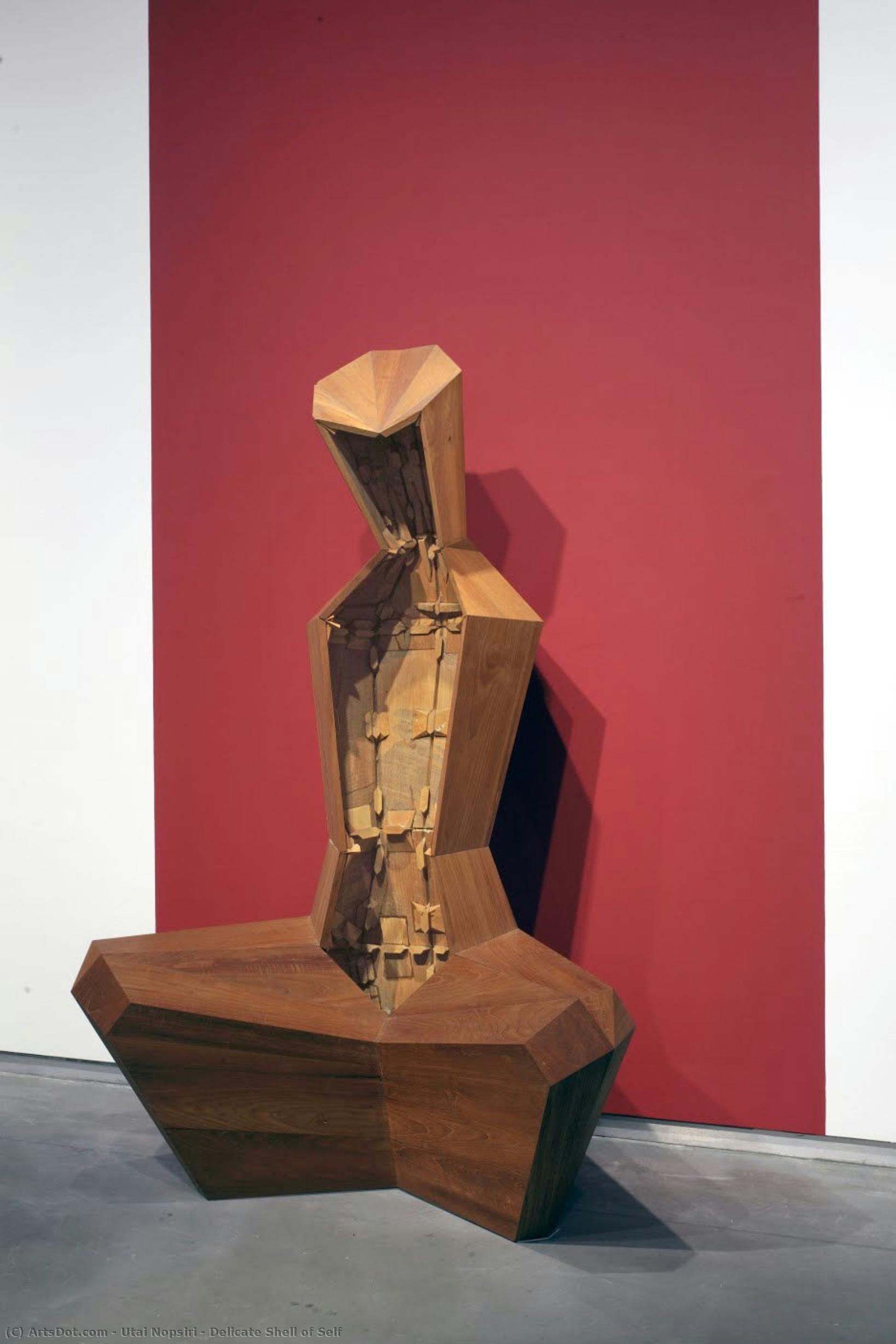
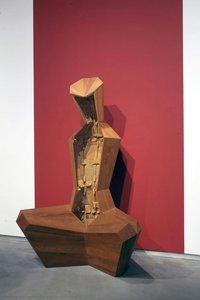
Delicate Shell of Self
 Geometric Abstraction
 2007
2007 235.0 x 153.0 cm
 ILHAM Gallery
 詳細を見る
詳細を見る




































作品のオリジナル比率に合わせた、当店の規定サイズからお選びください。

特定のフレームやスペースに合わせて、ご希望のサイズをご入力いただけます。選択されたサイズが元の画像の比率と異なる場合、アートワークをトリミングするか、手描きで要素を追加して絵画を拡張いたします。デジタルモックアップ を制作し、制作開始前にご確認(承認)をいただきます。
画面上のプレビューは、実際のトリミングや拡張を正確に反映しているものではありません。最終的な構図は、モックアップによってのみ正確にご確認いただけます。
カスタムサイズもご利用いただけますが、元の比率を維持するためには、あらかじめ用意されたリストからサイズを選択することをお勧めいたします。
ご注文後、ArtsDot.com チームより詳細な指示をお送りするとともに、仕上がりイメージ(モックアップ)をご提供いたします。


 ガラスオプションは、110cm未満のサイズでのみご利用いただけます。

Delicate Shell of Self
複製技法
複製画のサイズ
-


合計金額
$ 263
関連作品

アーティストの略歴
The Silent Language of Form: The Artistry of Utai Nopsiri
In the quiet landscapes of Chachoengsabo, Thailand, a profound artistic journey began in 1970, one that would eventually bridge the gap between tangible matter and spiritual void. Utai Nopsiri is not merely a sculptor; he is a philosopher working in wood, an artist whose hands translate the ancient whispers of Buddhist and Taoist thought into physical presence. His early training at Silpakorn University, where he initially focused on the two-dimensional world of painting, provided him with a foundational understanding of composition and light. However, it was his growing fascination with the illusionary effects of dimension, distance, and the very essence of space that drew him toward the three-dimensional realm. This transition marked the birth of a sculptor dedicated to exploring how a solid object can evoke the sensation of emptiness.
Nopsimiri’s creative process is an exercise in patience and reverence, often eschewing modern electrical tools in favor of painstaking manual craftsmanship. He possesses a masterful command over traditional Thai woodworking techniques, frequently utilizing reclaimed materials to breathe new life into forgotten textures. By manipulating the natural grain and subtle curves of wood, he creates minimalist forms that appear deceptively simple yet possess an immense psychological weight. His work is deeply informed by the concept of wu wei—the Taoist principle of effortless action—where the artist seeks to act in harmony with nature rather than imposing his will upon it. This allows his sculptures to emerge as if they were natural extensions of the earth itself, inviting a sense of stillness and quiet contemplation in every viewer.
Emptiness and Essence: Symbolism in Sculpture
At the heart of Nopsiri’s oeuvre lies a profound meditation on the Buddhist concept of Sunyata, or emptiness. His sculptures often serve as physical manifestations of the Heart Sutra’s famous teaching: “Form is emptiness; emptiness is form.” This duality is perhaps most strikingly realized in his celebrated work, Delicate Shell of Self (2007). In this piece, a geometric, solid exterior gives way to a hollow interior, mirroring the human condition—a shell that appears fixed and permanent but contains a self that is fluid, permeable, and ultimately impermanent. Through such works, Nopsiri challenges the observer to look beyond the surface of reality and contemplate the true nature of existence.
The symbolism within his minimalist structures extends far beyond mere aesthetics; it is an invitation to Zen-like mindfulness. Each curve and precise edge is designed to guide the eye toward a state of meditative focus. His sculptures do not demand attention through grandeur or complexity; instead, they command respect through their ability to foster inner peace. By stripping away the superfluous, Nopsiri leaves behind only the essential, creating a dialogue between the viewer and the void that transcends cultural and linguistic boundaries.
Recognition and Artistic Legacy
Nopsiri’s rise within the contemporary art world has been marked by significant accolades and meaningful international dialogues. His ability to synthesize Eastern spiritualism with Western minimalist sensibilities has led to fruitful collaborations with internationally acclaimed artists such as Simryn Gill and Yee I-lann. These interactions have helped position his work within a global context, proving that the themes of perception and impermanence are universal. His exhibition “Only Appearance” at the 100 Tonson Gallery served as a pivotal moment, solidifying his reputation as a visionary capable of conveying complex spiritual concepts through stripped-back, elegant forms.
His contributions to the Thai art scene have been recognized by prestigious institutions, including:
- Third Prize in Sculpture at the 51st National Exhibition of Art in Bangkok (2005).
- Second Prize and the Krung Thai Bank Award at the 52nd National Exhibition of Art in Bangkok (2006).
Today, residing in Nakhon Pathom, Utai Nopsiri continues to refine his craft, remaining a steadfast guardian of spiritual depth in an increasingly loud and chaotic world. His legacy is found not just in the physical wood he shapes, but in the moments of profound silence and self-reflection he inspires in all who encounter his work.
Utai Nopsiri
1970 - , Thailand
基本情報
- Artistic Movement Or Style: Contemporary Thai Art; Zen Buddhism Sculpture
- Artists Or Movements Influenced By This Artist:
- Simryn Gill
- Yee I-lann
- Date Of Birth: 1970
- Full Name: Utai Nopsiri
- Nationality: Thai
- Notable Artworks: ['Delicate Shell of Self']
- Place Of Birth: Chachoengsabo, Thailand
関連記事

Bronze Sculptures That Defined Art History | ArtsDot
Journey through art history with our Top 10 bronze sculptures! Explore masterpieces by Rodin, Michelangelo & more. Discover stories behind iconic statues and find museum-quality reproductions for your home decor at ArtsDot.com.

The Enduring Form: Exploring Themes & Techniques in Sculpture Across Historical Periods
Explore the rich history of sculpture from ancient masterpieces to contemporary innovations. Discover key techniques, influential artists & investment potential for discerning art collectors.

The Enduring Form: Sculpture Across History, Technique & Emotional Resonance
Explore the rich history of sculpture with ArtsDot. Discover key techniques, influential artists & investment potential for discerning collectors. Expert insights into valuing and collecting timeless masterpieces.

Bronze Age to Modern Masters: 10 Sculptures That Redefined Art | ArtsDot
Journey through art history with 10 legendary bronze sculptures – from Michelangelo's David to Rodin’s Thinker. Explore the stories, techniques & timeless beauty of these masterpieces. Find museum-quality reproductions & elevate your home decor on ArtsDot.com.
The Enduring Allure of Marble in Art History: From Classical Sculpture to Modern Abstraction
Explore the captivating history of marble sculpture from ancient Greece to modern art. Discover renowned artists like Canova & Michelangelo, carving techniques, and investment insights at ArtsDot.