 プレビュー
プレビュー
 シェアする
シェアする シェアする
シェアする
 詳細を見る
詳細を見る

 ダウンロード
 似ている作品
 X線調査
X線調査 スライドショー
 統計情報
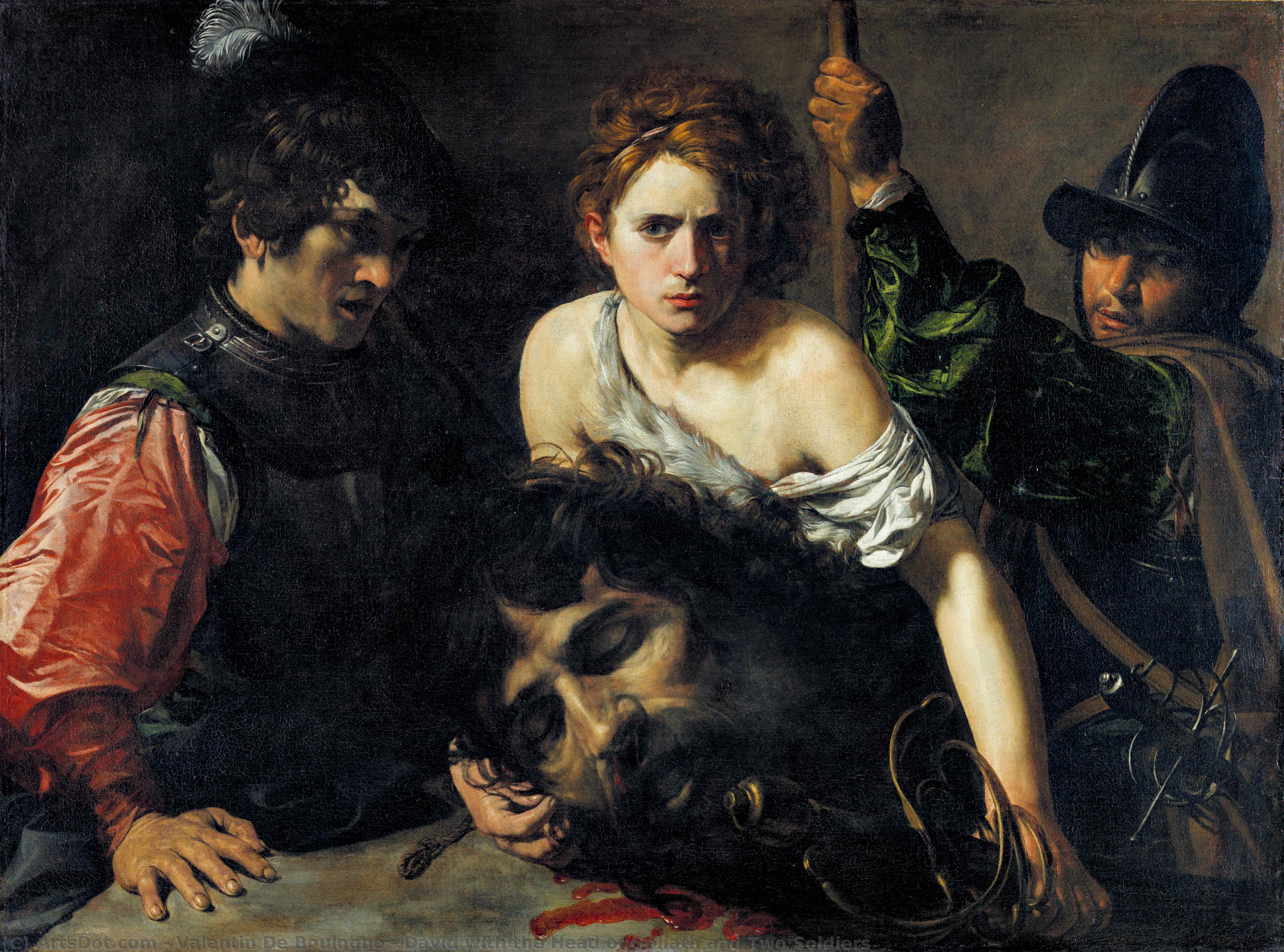
統計情報David with the Head of Goliath and Two Soldiers
 Oil On Canvas
- WallArt
- Baroque
 1620
1620- Renaissance
 99.0 x 134.0 cm
 テイスセン・ボルネミスザ美術館
 詳細を見る
詳細を見る
ジークレー/アートプリント
迅速な制作と多彩な仕上げオプションを備えた、ミュージアムクオリティのジークレーまたはキャンバスプリント。 ( 手描きの絵画を購入 デジタル画像販売へ切り替え)




P118B $10

P118H $10

P118W $10

P438Z $10

P508JH $12

P508YH $12

P805H $10

P805Z $10

P919BZ $10

P919G $10

P919XJ $10

P959ZH $10

P968JZ $12

W106C $8

W218G $10

W218JH $8

W218Y $10

W307PJ $10

W316G $10

W316PJ $8

W316Y $10

W398PJ $8

W4111J $10

W500HY $15

W500JH $15

W692G $12

W849H $8

W940BG $15

W953PJ $8




作品のオリジナル比率に合わせた、当店の規定サイズからお選びください。

特定のフレームやスペースに合わせて、ご自身でサイズを指定することも可能です。選択されたサイズが元の画像の比率と一致しない場合、作品をトリミングするか、鏡面反射または単色での塗りつぶしによって画像を拡張いたします。制作を開始する前に、ご確認用のデジタルモックアップをお送りいたします。
画面上のプレビューには、実際のトリミングや拡張は反映されませんのでご注意ください。最終的な構図を正確に確認できるのは、モックアップのみとなります。
カスタムサイズも承っておりますが、元の比率を維持するためには、あらかじめ用意されたリストからサイズを選択することをお勧めいたします。


 ガラスオプションは、110cm未満のサイズでのみご利用いただけます。

David with the Head of Goliath and Two Soldiers
ジークレー/アートプリント
複製画のサイズ
-


合計金額
$ 62
Valentin de Boulogne's David with the Head of Goliath and Two Soldiers: A Baroque Masterpiece
Valentin de Boulogne’s “David with the Head of Goliath and Two Soldiers,” painted between 1620 and 1622, is a profoundly moving work that exemplifies the dramatic intensity and psychological depth characteristic of the Baroque period. This oil on canvas, measuring 99 x 134 cm, currently residing in the Museo Thyssen-Bornemisza in Madrid, Spain, offers a visceral encounter with a biblical narrative rendered through masterful technique and an unwavering commitment to realism – a realism heavily influenced by the revolutionary approach of Caravaggio.
- Caravaggism's Shadow: De Boulogne’s artistic lineage is inextricably linked to that of Caravaggio. Like his Italian predecessor, he embraced tenebrism—the dramatic use of light and dark—to sculpt form and evoke emotion. The painting’s stark contrasts, particularly the brilliant illumination focused on David and Goliath’s head, create a palpable sense of tension and immediacy, drawing the viewer directly into the scene's brutal climax.
- Compositional Drama: The composition itself is meticulously constructed to heighten the emotional impact. David, positioned centrally with the severed head of Goliath at his feet, dominates the canvas. The two soldiers flanking him—likely attendants or witnesses—add layers of complexity and reinforce the narrative’s sense of aftermath and consequence. Their postures are subtly charged with emotion, reflecting the gravity of the victory.
Symbolism and Narrative Resonance
Beyond a simple depiction of a biblical event, “David with the Head of Goliath and Two Soldiers” is rich in symbolic meaning. The painting’s core message revolves around courage, triumph over adversity, and the burden of victory. David's youthful determination contrasted against the lifeless head of the giant speaks to the cost of heroism – a sobering reflection on violence and its consequences. The inclusion of the two soldiers underscores the importance of support and fellowship in achieving success, while also hinting at the potential for corruption or moral compromise that can accompany power.
- The Red Cloak: David’s vibrant red cloak is a deliberate focal point, drawing the eye and symbolizing his status as the righteous victor. The color itself carries significant connotations of sacrifice and martyrdom, further amplifying the painting's dramatic effect.
- Goliath’s Head: The meticulously rendered head of Goliath—closed eyes, open mouth—is not merely a gruesome detail; it represents the vanquished enemy and serves as a potent reminder of human fallibility.
Artistic Technique and Historical Context
De Boulogne's skill in rendering texture and form is remarkable. The rough fabric of David’s cloak, the glistening skin of Goliath’s head, and the weathered armor of the soldiers are all depicted with astonishing realism. This attention to detail reflects the prevailing artistic trends of the early 17th century, a period marked by a renewed interest in classical art and a desire to capture the world as it truly appeared – albeit through a highly stylized lens. The painting’s dark palette—dominated by browns, blacks, and reds—further enhances its dramatic effect and contributes to its overall sense of solemnity.
The work was created during a time of significant political and religious upheaval in Europe, reflecting the anxieties and aspirations of the era. De Boulogne's depiction of David’s victory resonates with themes of faith, justice, and national identity – values that were particularly important to the Catholic Church at the time.
Relevance for Reproduction & Collection
At ArtsDot.com, we are proud to offer a meticulously crafted oil painting reproduction of this iconic Baroque masterpiece. Our skilled artisans employ traditional techniques—including layering and glazing—to faithfully recreate De Boulogne’s original vision, capturing the nuances of light, shadow, and texture with exceptional accuracy. This reproduction is not merely a copy; it's an investment in art history, allowing you to experience the power and beauty of this seminal work firsthand.
関連作品
アーティストの略歴
ローマの影絵師:ヴァランタン・ド・ブローニュの生涯と遺産
17世紀初頭、揺らめく蝋燭の灯火の中で、ヨーロッパ美術のキャンバスには新しい種類のドラマが刻まれようとしていました。その運動の中心にいたのが、ヴァランタン・ド・ブローニュです。彼の筆は、深い闇の中から深遠な感情を呼び起こす稀有な力を備えていました。1590年または1591年頃、フランスのクローミエに生まれたヴァランタンは、顔料と油彩に浸された人生を歩む運命にありました。画家であった父と叔父という芸術家の一族に生まれ、幼少期から光と形のメカニズムについて親密な教育を受けたのです。その根源はフランスの地にしっかりと張られていましたが、彼の精神はローマの活気に満ちた、騒乱の街へと向かう運命にありました。そこで彼は、やがてバロック時代で最も人々を魅了する人物の一人となるのです。
ヴァランタンのキャリアの軌跡は、習熟への飽くなき追求によって形作られました。それはパリの規律あるアトリエから、イタリアの反逆的な核心部へと彼を導きました。高名なシモン・ヴーの下での初期の修行は、解剖学的な正確さと古典的な遠近法に対する厳格な支配力を彼に植え付けました。しかし、フランスで学んだアカデミックな精密さをもってしても、ヨーロッパを席巻し始めていた新興の自然主義を抑え込むことはできませんでした。1620年頃にローマに到着したとき、彼は単に既存の芸術シーンを観察するにとどまりませんでした。彼はそこに身を投じ、外国人芸術家たちの騒がしく、しばしば無秩序な集団であるバン・ヴェウヘルスに参加したのです。このコミュニティの中で、彼は「イナマロート(恋人)」という愛称で呼ばれるようになりました。それは、仲間の芸術的な苦闘と、ローマの生活がもたらす感覚的な悦びの両方に対して、彼がいかに情熱的に関わっていたかの証でした。
テネブリズムの極致とカラヴァッジョ的ドラマ
ヴァランタン・ド・ブローニュの作品を理解することは、テネブリズムという言語を理解することに他なりません。彼はカラヴァッジョの遺産の深遠な継承者であり、光と闇の極端な対比を用いる技法を取り入れ、それを洗練させることで、演劇的な切迫感を生み出しました。彼の手にかかれば、たった一つの突き刺すような光源は、単に主題を照らすだけではありません。それは、抗いがたい虚無の中から人物を彫り出し、あらゆる場面の心理的な緊張を高めるのです。このキアロスクリュー(明暗法)の習熟により、彼は日常的な瞬間を記念碑的なドラマへと変貌させることができました。音楽家の静かな情熱を描くときも、殉教者の暴力的なまでの神聖さを描くときも、ヴァランタンは影を単なる「光の不在」としてではなく、魂に重くのしかかる物理的な存在として用いたのです。
彼のレパートリーは驚くほど多様で、親密な風俗画から壮大な宗教画まで多岐にわたります。彼は、当時の生活の生々しく、地に足のついた現実を捉えることに特に成功しており、しばしば次のような主題を描きました。
- 兵士と音楽家:『リュート奏者』や『トランプとサイコロで遊ぶ兵士たち』といった作品は、磨かれた甲冑の光沢から弦楽器の柔らかな響きに至るまで、質感を描き出す彼の卓越した能力を示しています。
- 聖書の物語:『モーセ』のような作品において、彼は古典的な壮大さを利用して古代の預言者に命を吹き込み、歴史的な重みと劇的なリアリズムを融合させました。
バロック時代に刻まれた永遠の足跡
ヴァランタン・ド・ブローニュの重要性は、その技術的な卓越性をはるかに超えています。彼はフランスのアカデミックな伝統と、イタリアの革命的な精神を繋ぐ架け橋でした。バルベリーニ家やフランチェスコ・バルベリーニ枢卿といった有力なパトロンから名声ある依頼を獲得した事実は、彼がローマ社会の最高層において確固たる地位を築いていたことを物語っています。バルトロメオ・マンフレーディの作品からインスピレーションを得ていた時期であっても、ヴァランタンは独自の声を保ち続けました。それは、人間の条件と、過ぎ去りゆく時間の儚さに対して、比類なき感受性を持つ声でした。
彼の生涯は、41歳という若さで1632年に断たれるという悲劇的なものでしたが、その「影の絵画」が与えた衝撃は消えることがありません。彼は、見る者に「闇がいかにして光を定義するか」を思い起こさせる、畏怖とインスピレーションに満たされた作品群を遺しました。彼のキャンバスを通じて、私たちは人類の勝利と苦難を、光と影が織りなす永遠で劇的なダンスの中に目撃することになります。暗闇の中に美を見出そうとするあらゆる筆致の中に、彼の遺産は生き続けており、「ル・ヴァランタン」の名は美術史の殿堂において、永遠に語り継がれていくことでしょう。
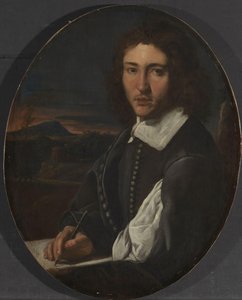
ヴァランタン・ド・ブローニュ
1591 - 1632 , フランス
基本情報
- Artistic Movement Or Style: テネブリズム
- Artists Or Movements Influenced By This Artist:
- ジョルジュ・ド・ラトゥール
- ポール・セザンヌ
- Artists Who Influenced This Artist:
- シモン・ヴーエ
- カラヴァッジョ
- Date Of Birth: 1590年頃
- Full Name: ヴァランタン・ド・ブローニュ
- Nationality: フランス人
- Notable Artworks:
- 兵士のいる占い師
- コンサート
- モーセ
- Place Of Birth: クールミエ、フランス
関連記事

The Visceral Stage: Exploring Dramatic Narratives & Emotional Intensity in Baroque Art
Explore the dramatic world of Baroque art! Discover iconic masters like Caravaggio & Rembrandt, their techniques, and the movement's lasting impact. Expert insights for collectors & enthusiasts at ArtsDot.
Caravaggio's Revolutionary Realism: A Study of Light, Shadow, and the Human Condition
Explore the revolutionary realism of Caravaggio! Discover his mastery of light & shadow (tenebrism), dramatic religious scenes, and lasting influence on Baroque art history. A comprehensive guide for art enthusiasts.

バロック美術を極めた至宝:時代を彩る10大名作の世界
バロック美術の華!カラヴァッジョ、ベルニーニら巨匠が創り上げた10大名作を徹底解剖。ドラマチックな色彩と豪華絢爛の世界観に触れ、至宝のアートプリントで空間を彩ろう。ArtsDot.comで美術館品質の複製と洗練されたインテリアを見つけましょう!

ゴヤ傑作25選:スペインの魂を揺さぶる、深遠な芸術の世界 | ArtsDot
ゴヤ傑作25選:ロマン主義を代表するスペインの巨匠、フランシスコ・デ・ゴヤの世界へ。黒衣の女からマハまで、魂を揺さぶる絵画の物語と技法を紐解きます。ArtsDotで高品質なアートレプリカを見つけ、インテリアに深みと風格を。今すぐコレクションをご覧ください。