

 プレビュー
プレビュー
 プリントを購入
 シェアする
シェアする シェアする
シェアする
 詳細を見る
詳細を見る

 ダウンロード
 似ている作品
 X線調査
X線調査 スライドショー
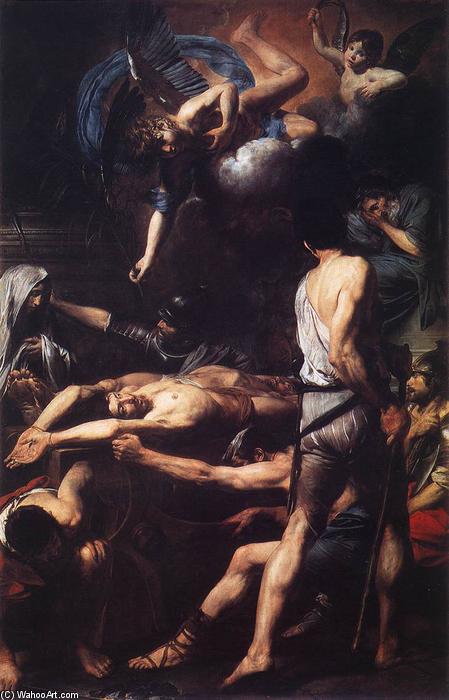
Martyrdom of St Processus and St Martinian
 Oil On Canvas
- WallArt
- Baroque
 1629
1629 308.0 x 165.0 cm
 ピナコテカ
ピナコテカ
 詳細を見る
詳細を見る




P118B $10

P118H $10

P118W $10

P438Z $10

P508JH $12

P508YH $12

P805H $10

P805Z $10

P919BZ $10

P919G $10

P919XJ $10

P959ZH $10

P968JZ $12

W106C $8

W218G $10

W218JH $8

W218Y $10

W307PJ $10

W316G $10

W316PJ $8

W316Y $10

W398PJ $8

W4111J $10

W500HY $15

W500JH $15

W692G $12

W849H $8

W940BG $15

W953PJ $8




作品のオリジナル比率に合わせた、当店の規定サイズからお選びください。

特定のフレームやスペースに合わせて、ご希望のサイズをご入力いただけます。選択されたサイズが元の画像の比率と異なる場合、アートワークをトリミングするか、手描きで要素を追加して絵画を拡張いたします。デジタルモックアップ を制作し、制作開始前にご確認(承認)をいただきます。
画面上のプレビューは、実際のトリミングや拡張を正確に反映しているものではありません。最終的な構図は、モックアップによってのみ正確にご確認いただけます。
カスタムサイズもご利用いただけますが、元の比率を維持するためには、あらかじめ用意されたリストからサイズを選択することをお勧めいたします。
ご注文後、ArtsDot.com チームより詳細な指示をお送りするとともに、仕上がりイメージ(モックアップ)をご提供いたします。


 ガラスオプションは、110cm未満のサイズでのみご利用いただけます。

Martyrdom of St Processus and St Martinian
複製技法
複製画のサイズ
-


合計金額
$ 263
作品解説
A Drama of Faith: The Martyrdom of Saints Processus and Martinian
Valentin de Boulogne’s “Martyrdom of St. Processus and St. Martinian,” painted in 1629, isn't merely a religious scene; it’s a visceral embodiment of faith tested by brutal adversity. Emerging from the heart of the Baroque period, this monumental canvas transports us to a moment of profound sacrifice, capturing not just the physical torment but also the unwavering spiritual strength of two Roman saints. The painting pulsates with an arresting intensity – a carefully orchestrated dance of light and shadow that immediately draws the viewer into its dramatic narrative.
At first glance, the composition appears chaotic, yet it’s meticulously balanced. The figures are arranged within a shallow space, creating a sense of claustrophobia and immediacy. The central focus is undeniably the two martyrs, Processus and Martinian, caught in the throes of their ordeal. Processus, clad in crimson robes, fiercely resists his captors, his body contorted in a desperate struggle against the restraints. His face, etched with pain and defiance, speaks volumes about his unwavering commitment to his beliefs. Martinian, similarly bound, raises his hands in a gesture of supplication or perhaps quiet acceptance – a subtle contrast that highlights their individual responses to impending death.
The Caravaggist Influence: Light, Shadow, and Dramatic Realism
Valentin de Boulogne’s artistic lineage is inextricably linked to the revolutionary style pioneered by Michelangelo Merisi da Caravaggio. Like his predecessor, Valentin masterfully employs *tenebrism*, a technique characterized by stark contrasts between light and dark. A single, powerful beam of illumination cuts through the scene, highlighting the key figures and casting the surrounding figures in deep shadow. This dramatic lighting not only intensifies the emotional impact but also serves to emphasize the physicality of the martyrs’ suffering – every muscle strained, every vein pulsing with agony.
The artist's attention to anatomical detail is equally remarkable. Each figure is rendered with a startling realism, capturing the textures of skin, cloth, and metal. The rough-hewn ropes binding Processus are meticulously depicted, while the folds of Martinian’s robe ripple with movement. This commitment to naturalism was groundbreaking for its time, pushing the boundaries of religious painting and elevating it to a level of unprecedented emotional intensity.
A Historical Context: Rome in the Age of Persecution
To fully appreciate “Martyrdom of St. Processus and St. Martinian,” one must consider the historical context in which it was created – 17th-century Rome, a city rife with political intrigue, religious fervor, and relentless persecution. The Catholic Church was actively combating Protestantism, and countless Christians were being martyred for their faith. The painting serves as a potent reminder of this turbulent era, depicting the ultimate sacrifice made in defense of one’s beliefs.
Interestingly, the commission for this altarpiece reflects a deliberate engagement with contemporary artistic trends. The artist modified his style to suit the situation, incorporating elements from Poussin's "Capture of Jerusalem" which was previously commissioned for the same altar. This collaboration highlights the dynamic exchange of ideas within the Roman art world and demonstrates Valentin’s willingness to adapt his technique to meet the demands of a discerning patron.
Symbolism and Emotional Resonance: A Testament to Faith
Beyond its technical brilliance, “Martyrdom of St. Processus and St. Martinian” is rich in symbolism. The scene itself represents the core tenets of Christian faith – courage, resilience, and unwavering devotion. The martyrs’ willingness to face death rather than renounce their beliefs speaks volumes about the power of conviction. The statue of Hercules, looming in the background, serves as a subtle reminder of the earthly forces arrayed against them—a visual representation of paganism versus Christianity.
Ultimately, this painting transcends its historical and religious context to offer a timeless meditation on human suffering and spiritual fortitude. It’s a work that continues to resonate with viewers today, prompting reflection on the meaning of sacrifice, faith, and the enduring power of the human spirit. Reproductions capture only a fraction of the original's dramatic intensity, but they remain a compelling window into this extraordinary masterpiece.
関連作品
アーティストの略歴
ローマの影絵師:ヴァランタン・ド・ブローニュの生涯と遺産
17世紀初頭、揺らめく蝋燭の灯火の中で、ヨーロッパ美術のキャンバスには新しい種類のドラマが刻まれようとしていました。その運動の中心にいたのが、ヴァランタン・ド・ブローニュです。彼の筆は、深い闇の中から深遠な感情を呼び起こす稀有な力を備えていました。1590年または1591年頃、フランスのクローミエに生まれたヴァランタンは、顔料と油彩に浸された人生を歩む運命にありました。画家であった父と叔父という芸術家の一族に生まれ、幼少期から光と形のメカニズムについて親密な教育を受けたのです。その根源はフランスの地にしっかりと張られていましたが、彼の精神はローマの活気に満ちた、騒乱の街へと向かう運命にありました。そこで彼は、やがてバロック時代で最も人々を魅了する人物の一人となるのです。
ヴァランタンのキャリアの軌跡は、習熟への飽くなき追求によって形作られました。それはパリの規律あるアトリエから、イタリアの反逆的な核心部へと彼を導きました。高名なシモン・ヴーの下での初期の修行は、解剖学的な正確さと古典的な遠近法に対する厳格な支配力を彼に植え付けました。しかし、フランスで学んだアカデミックな精密さをもってしても、ヨーロッパを席巻し始めていた新興の自然主義を抑え込むことはできませんでした。1620年頃にローマに到着したとき、彼は単に既存の芸術シーンを観察するにとどまりませんでした。彼はそこに身を投じ、外国人芸術家たちの騒がしく、しばしば無秩序な集団であるバン・ヴェウヘルスに参加したのです。このコミュニティの中で、彼は「イナマロート(恋人)」という愛称で呼ばれるようになりました。それは、仲間の芸術的な苦闘と、ローマの生活がもたらす感覚的な悦びの両方に対して、彼がいかに情熱的に関わっていたかの証でした。
テネブリズムの極致とカラヴァッジョ的ドラマ
ヴァランタン・ド・ブローニュの作品を理解することは、テネブリズムという言語を理解することに他なりません。彼はカラヴァッジョの遺産の深遠な継承者であり、光と闇の極端な対比を用いる技法を取り入れ、それを洗練させることで、演劇的な切迫感を生み出しました。彼の手にかかれば、たった一つの突き刺すような光源は、単に主題を照らすだけではありません。それは、抗いがたい虚無の中から人物を彫り出し、あらゆる場面の心理的な緊張を高めるのです。このキアロスクリュー(明暗法)の習熟により、彼は日常的な瞬間を記念碑的なドラマへと変貌させることができました。音楽家の静かな情熱を描くときも、殉教者の暴力的なまでの神聖さを描くときも、ヴァランタンは影を単なる「光の不在」としてではなく、魂に重くのしかかる物理的な存在として用いたのです。
彼のレパートリーは驚くほど多様で、親密な風俗画から壮大な宗教画まで多岐にわたります。彼は、当時の生活の生々しく、地に足のついた現実を捉えることに特に成功しており、しばしば次のような主題を描きました。
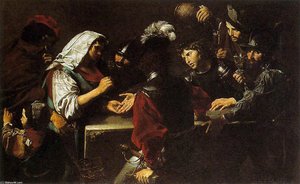
- 兵士と音楽家:『リュート奏者』や『トランプとサイコロで遊ぶ兵士たち』といった作品は、磨かれた甲冑の光沢から弦楽器の柔らかな響きに至るまで、質感を描き出す彼の卓越した能力を示しています。
- 聖書の物語:『モーセ』のような作品において、彼は古典的な壮大さを利用して古代の預言者に命を吹き込み、歴史的な重みと劇的なリアリズムを融合させました。
バロック時代に刻まれた永遠の足跡
ヴァランタン・ド・ブローニュの重要性は、その技術的な卓越性をはるかに超えています。彼はフランスのアカデミックな伝統と、イタリアの革命的な精神を繋ぐ架け橋でした。バルベリーニ家やフランチェスコ・バルベリーニ枢卿といった有力なパトロンから名声ある依頼を獲得した事実は、彼がローマ社会の最高層において確固たる地位を築いていたことを物語っています。バルトロメオ・マンフレーディの作品からインスピレーションを得ていた時期であっても、ヴァランタンは独自の声を保ち続けました。それは、人間の条件と、過ぎ去りゆく時間の儚さに対して、比類なき感受性を持つ声でした。
彼の生涯は、41歳という若さで1632年に断たれるという悲劇的なものでしたが、その「影の絵画」が与えた衝撃は消えることがありません。彼は、見る者に「闇がいかにして光を定義するか」を思い起こさせる、畏怖とインスピレーションに満たされた作品群を遺しました。彼のキャンバスを通じて、私たちは人類の勝利と苦難を、光と影が織りなす永遠で劇的なダンスの中に目撃することになります。暗闇の中に美を見出そうとするあらゆる筆致の中に、彼の遺産は生き続けており、「ル・ヴァランタン」の名は美術史の殿堂において、永遠に語り継がれていくことでしょう。
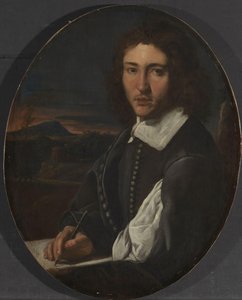
ヴァランタン・ド・ブローニュ
1591 - 1632 , フランス
基本情報
- Artistic Movement Or Style: テネブリズム
- Artists Or Movements Influenced By This Artist:
- ジョルジュ・ド・ラトゥール
- ポール・セザンヌ
- Artists Who Influenced This Artist:
- シモン・ヴーエ
- カラヴァッジョ
- Date Of Birth: 1590年頃
- Full Name: ヴァランタン・ド・ブローニュ
- Nationality: フランス人
- Notable Artworks:
- 兵士のいる占い師
- コンサート
- モーセ
- Place Of Birth: クールミエ、フランス
関連記事

ゴヤ傑作25選:スペインの魂を揺さぶる、深遠な芸術の世界 | ArtsDot
ゴヤ傑作25選:ロマン主義を代表するスペインの巨匠、フランシスコ・デ・ゴヤの世界へ。黒衣の女からマハまで、魂を揺さぶる絵画の物語と技法を紐解きます。ArtsDotで高品質なアートレプリカを見つけ、インテリアに深みと風格を。今すぐコレクションをご覧ください。

About Us
Discover our story! We bring world-class art into your life through expert curation, personalized creations, and free previews. Trusted by individuals and businesses since 2000.
エル・グレコの傑作25選:魂を揺さぶる宗教画と芸術の深淵 | ArtsDot
エル・グレコの傑作25選:魂を揺さぶる宗教画の世界へ。スペイン絵画の巨匠、マニエリスム様式と Toledo の光彩を紐解きます。ArtsDot.com で名画のアートプリントや複製画をお楽しみください。コレクションはこちら →
Georges de La Tour: Luminosity, Spirituality & Realism in Baroque Painting
Discover the captivating world of Georges de La Tour, a Baroque master renowned for his dramatic chiaroscuro & spiritual realism. Explore key works, influences, and his remarkable rediscovery. Learn more at ArtsDot.
Pieter de Hooch: Illuminating Dutch Domestic Life & Golden Age Charm
Explore the captivating world of Pieter de Hooch, a master of Dutch Golden Age painting. Discover his innovative use of light, intimate domestic scenes, and lasting influence on art history. Learn more at ArtsDot.

