

 プレビュー
プレビュー
 シェアする
シェアする シェアする
シェアする
 詳細を見る
詳細を見る

 ダウンロード
 似ている作品
 X線調査
X線調査 スライドショー
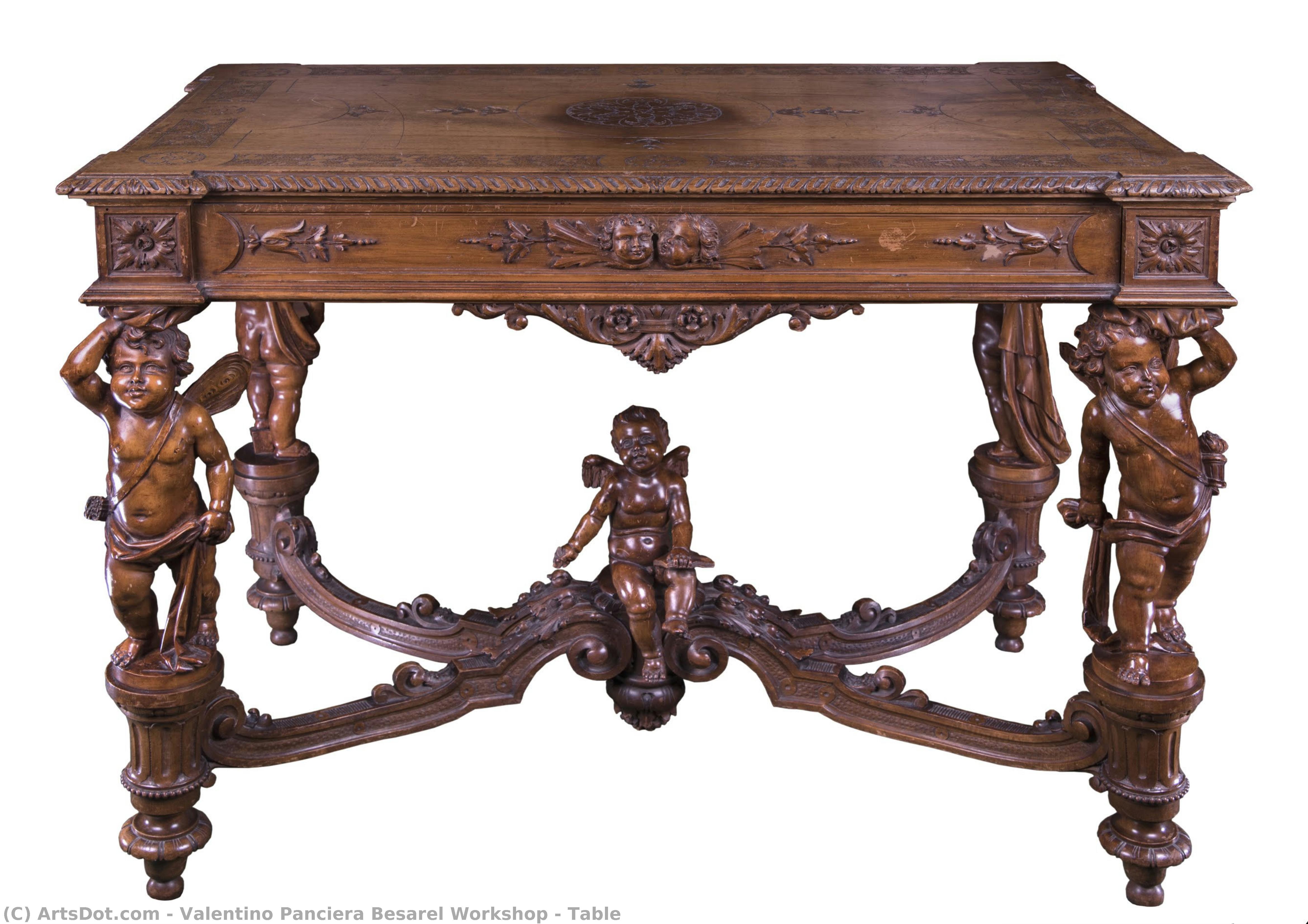
Table


 詳細を見る
詳細を見る
ジークレー/アートプリント
迅速な制作と多彩な仕上げオプションを備えた、ミュージアムクオリティのジークレーまたはキャンバスプリント。 ( 手描きの絵画を購入 画像を購入)




































作品のオリジナル比率に合わせた、当店の規定サイズからお選びください。

特定のフレームやスペースに合わせて、ご自身でサイズを指定することも可能です。選択されたサイズが元の画像の比率と一致しない場合、作品をトリミングするか、鏡面反射または単色での塗りつぶしによって画像を拡張いたします。制作を開始する前に、ご確認用のデジタルモックアップをお送りいたします。
画面上のプレビューには、実際のトリミングや拡張は反映されませんのでご注意ください。最終的な構図を正確に確認できるのは、モックアップのみとなります。
カスタムサイズも承っておりますが、元の比率を維持するためには、あらかじめ用意されたリストからサイズを選択することをお勧めいたします。


 ガラスオプションは、110cm未満のサイズでのみご利用いただけます。

Table
ジークレー/アートプリント
複製画のサイズ
-


合計金額
$ 62
関連作品




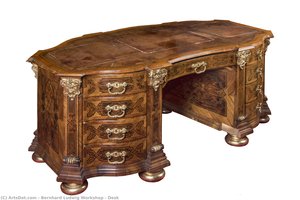
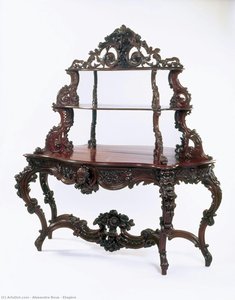
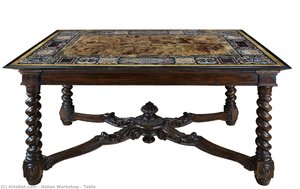
アーティストの略歴
Early Life and Artistic Roots in the Venetian Alps
Valentino Panciera Besarel, born in Valzoldana, Italy, in 1829, emerged from a lineage steeped in wood carving tradition yet burdened by poverty. His father and grandfather were recognized artisans, but young Valentino’s path wasn't immediately assured. The rugged beauty of the Venetian Alps profoundly shaped his early sensibility, instilling a deep appreciation for natural forms and textures that would later characterize his sculptures. He initially pursued formal training at the Academy of Fine Arts in Venice, though conflicts with his father—stemming from differing artistic approaches—prompted him to seek broader inspiration elsewhere. Florence became a crucial destination, where he immersed himself in the masterpieces of the Renaissance, absorbing the principles of classical proportion and anatomical accuracy that would become foundational to his style.The Rise of an Intagliatore: Technique and Early Recognition
Besarel distinguished himself as an *intagliatore*, a skilled carver of intricate relief sculptures, primarily in wood but also working with other materials. His talent quickly became apparent, blending the rustic heritage of his upbringing with the refined techniques he acquired through study. He wasn’t merely replicating forms; he was breathing life into them, imbuing each piece with a sense of dynamic movement and emotional depth. This unique approach garnered him early recognition at national exhibitions, most notably the Florence National Exhibition in 1861 and Milan in 1881. However, it was his participation in the Universal Exhibition in Vienna in 1873 and Paris in 1878 that catapulted him to international acclaim. These events showcased his exceptional skill to a wider audience, establishing him as a leading figure in the neo-Baroque Venetian revival.Patronage and the Flourishing Workshop
The accolades received at Vienna and Paris opened doors to an elite clientele. Besarel’s workshop on the Grand Canal transformed from a modest studio into a thriving factory, catering to the tastes of European nobility. He enjoyed the patronage of Edward, the Prince of Wales, along with grand dukes and members of the Italian royal family, including Princess Margherita of Savoy. This period marked a significant turning point in his career, allowing him to expand his operations and refine his artistic vision. The demand for his work fueled innovation, as he explored increasingly complex compositions and intricate details. His sculptures weren’t simply decorative objects; they were statements of wealth, status, and refined taste—symbols of the opulent era in which he flourished.Artistic Style and Influences
Besarel's style is characterized by a remarkable fusion of Baroque exuberance and Renaissance precision. He drew heavily from the legacy of Andrea Brustolon (1662-1732), a celebrated Venetian sculptor known for his dynamic wood carvings, but infused his work with a newfound sense of realism and emotional nuance. His sculptures often depict mythological scenes, allegorical figures, and portraits, rendered with meticulous attention to detail and a dramatic flair. The influence of classical art is evident in the idealized forms and balanced compositions, while the Baroque tradition manifests in the swirling draperies, expressive gestures, and overall sense of theatricality. He masterfully captured light and shadow, creating sculptures that seemed to come alive before the viewer’s eyes.Legacy and Historical Significance
Valentino Panciera Besarel died in Venice in 1902, leaving behind a rich artistic legacy. His work represents a pivotal moment in Venetian sculpture, bridging the gap between traditional craftsmanship and modern aesthetic sensibilities. He revitalized the art of *intaglio*, elevating it to new heights of technical skill and artistic expression. His sculptures continue to be admired for their intricate detail, emotional depth, and historical significance, offering a glimpse into the opulent world of 19th-century European aristocracy. Today, his pieces are sought after by collectors and museums alike, ensuring that his artistry will endure for generations to come.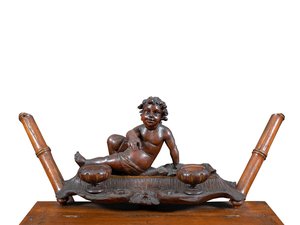
valentino panciera besarel workshop
1829 - 1902 , Italy
基本情報
- Artistic Movement Or Style: Sculpture, Relief carving
- Date Of Birth: 1829
- Date Of Death: 1902
- Full Name: Valentino Panciera Besarel
- Nationality: Italian
- Place Of Birth: Valzoldana, Italy