 プレビュー
プレビュー
 プリントを購入
 シェアする
シェアする シェアする
シェアする
 詳細を見る
詳細を見る

 ダウンロード
 似ている作品
 X線調査
X線調査 スライドショー
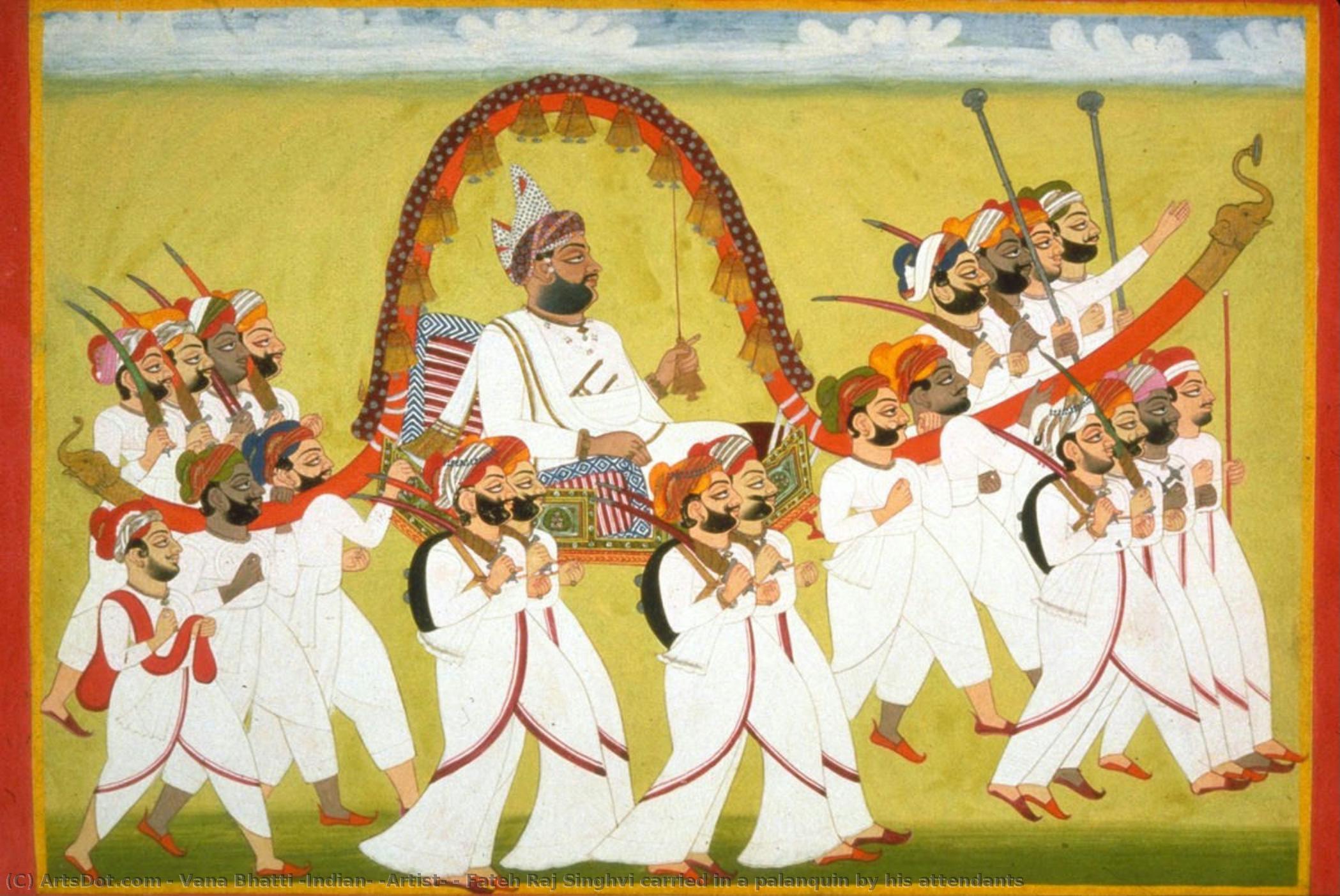
Fateh Raj Singhvi carried in a palanquin by his attendants

 詳細を見る
詳細を見る
An Indian master of traditional portraiture known for capturing the grandeur of the Jodhpur court in works like Fateh Raj Singhvi carried in a palanquin by his attendants, inviting you to discover a lost era of royal splendor.




































標準サイズ
オーダーメイド
CM
INCH
作品のオリジナル比率に合わせた、当店の規定サイズからお選びください。
Loading sizes...

幅
高さ
特定のフレームやスペースに合わせて、ご希望のサイズをご入力いただけます。選択されたサイズが元の画像の比率と異なる場合、アートワークをトリミングするか、手描きで要素を追加して絵画を拡張いたします。デジタルモックアップ を制作し、制作開始前にご確認(承認)をいただきます。
画面上のプレビューは、実際のトリミングや拡張を正確に反映しているものではありません。最終的な構図は、モックアップによってのみ正確にご確認いただけます。
カスタムサイズもご利用いただけますが、元の比率を維持するためには、あらかじめ用意されたリストからサイズを選択することをお勧めいたします。
カスタマイズの例:顔をお客様の写真に置き換える、ペットを追加する(例:猫を犬に変更)、背景に隠れたメッセージを入れる、背景の風景や要素を変更するなど。
ご注文後、ArtsDot.com チームより詳細な指示をお送りするとともに、仕上がりイメージ(モックアップ)をご提供いたします。
ご注文後、ArtsDot.com チームより詳細な指示をお送りするとともに、仕上がりイメージ(モックアップ)をご提供いたします。


 ガラスオプションは、110cm未満のサイズでのみご利用いただけます。

Fateh Raj Singhvi carried in a palanquin by his attendants
複製技法
複製画のサイズ
-


合計金額
$ 263
Before the Age of Profile Pictures: Indian Portraiture A portrait, typically an image of an individual showing a likeness, conveys information about who they are, or perhaps, how they want to be seen. Portraits combine aspects of the “real” and the observed with the idealized and the imaginary, to make for powerful messages about one’s identity and self-image. Before the twentieth century, portraits in India were mainly of kings, politicians, or important teachers—people whose skills, achievements, or contributions were considered worthy of memorializing. It was a high privilege to have one’s portrait made as it required resources to acquire the artistic talent and expensive materials. Numerous portraits of Indian rulers and noblemen survive from after the 1700s. They were included in dynastic or family histories, exchanged as personal and diplomatic gifts, and seen in public and private settings. Through an artist’s eye—and conveyed by clothing, accessories, and settings— portraits emphasized an individual’s character, abilities, status, and role in society. Today, with the easy access to smart phones and social media, portraits as selfies and profile pictures proliferate in ways not seen before. They have become democratized in many respects, as each person can independently control the message and circulate it widely and quickly without the mediation of an artist’s interpretation. Yet, like the paintings on view here, ideas about who we are and what we want others to see about us remain key features of the art of the selfie. , A high-ranking minister at the Jodhpur royal court, Fateh Raj Singhvi is seen here traveling with his impressive entourage. He is the unmistakable focus of the painting: his crowned and seated figure is the largest in size; it is positioned at the center of the image and framed by the palanquin canopy. He is well protected by his private army and his arrival is announced by standard-bearers. Such symbols and protocols are established conventions for Indian rulers. But here, a visual association is made between the power and privileges of royalty and Fateh Raj—who was a minister and not a king. An inscription on this painting’s reverse gives the name of Fateh Raj, and the rendering of his face, although stylized, suggests his distinctive features, giving the portrait a specificity.