 プレビュー
プレビュー
 シェアする
シェアする シェアする
シェアする
 詳細を見る
詳細を見る

 ダウンロード
 似ている作品
 X線調査
X線調査 スライドショー
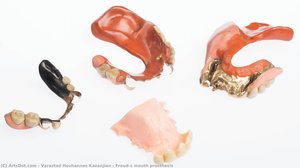
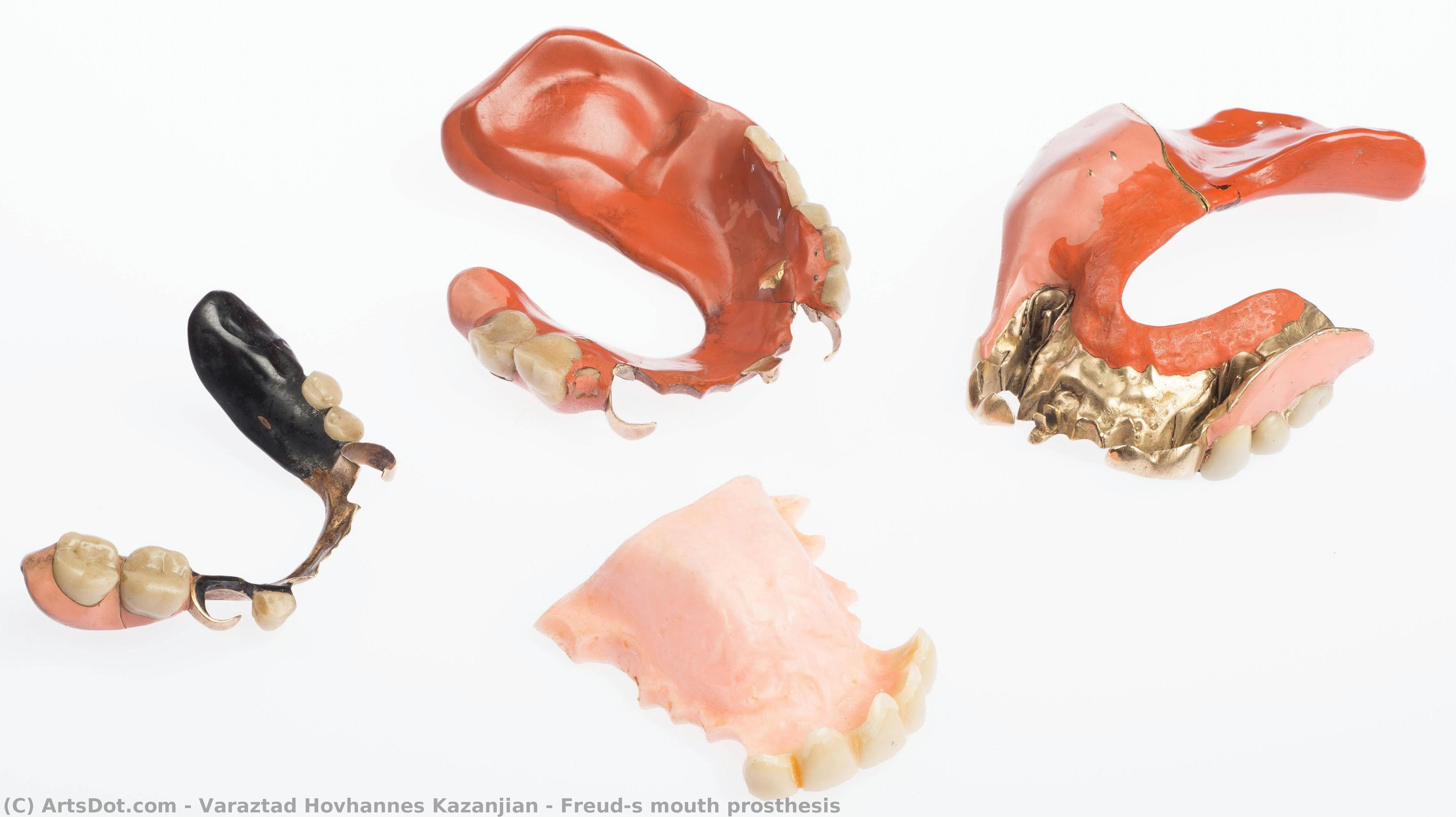
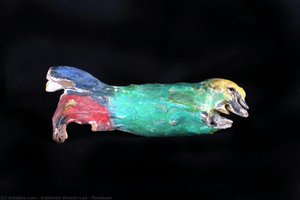
フレイドの口腔プロテーゼ


 詳細を見る
詳細を見る
ジークレー/アートプリント
迅速な制作と多彩な仕上げオプションを備えた、ミュージアムクオリティのジークレーまたはキャンバスプリント。 ( 手描きの絵画を購入 画像を購入)




P118B $10

P118H $10

P118W $10

P438Z $10

P508JH $12

P508YH $12

P805H $10

P805Z $10

P919BZ $10

P919G $10

P919XJ $10

P959ZH $10

P968JZ $12

W106C $8

W218G $10

W218JH $8

W218Y $10

W307PJ $10

W316G $10

W316PJ $8

W316Y $10

W398PJ $8

W4111J $10

W500HY $15

W500JH $15

W692G $12

W849H $8

W940BG $15

W953PJ $8




作品のオリジナル比率に合わせた、当店の規定サイズからお選びください。

特定のフレームやスペースに合わせて、ご自身でサイズを指定することも可能です。選択されたサイズが元の画像の比率と一致しない場合、作品をトリミングするか、鏡面反射または単色での塗りつぶしによって画像を拡張いたします。制作を開始する前に、ご確認用のデジタルモックアップをお送りいたします。
画面上のプレビューには、実際のトリミングや拡張は反映されませんのでご注意ください。最終的な構図を正確に確認できるのは、モックアップのみとなります。
カスタムサイズも承っておりますが、元の比率を維持するためには、あらかじめ用意されたリストからサイズを選択することをお勧めいたします。


 ガラスオプションは、110cm未満のサイズでのみご利用いただけます。

フレイドの口腔プロテーゼ
ジークレー/アートプリント
複製画のサイズ
-


合計金額
$ 62
作品詳細説明
弗雷德的口腔義齒:醫學美學的創新與藝術表現
弗雷德的口腔義齒,這幅畫作由美國醫生和雕塑家瓦拉扎德·霍萬內斯·卡贊堅創作於1931年,現藏於倫敦弗雷德博物館。這件作品以柔軟材料繪製而成,呈現了牙齒豐富的口腔義齒圖像,成為醫學美學領域的一顆璀璨明星。卡贊堅醫生不僅是一位傑出的外科醫生,更是一位對人類面部藝術造型具有深刻理解和獨到見解的藝術家,他的創作風格與當時的醫療發展趨勢完美融合。- 畫作主題: 這幅畫作以口腔義齒為主要視覺焦點,捕捉了弗雷德醫生在癌症治療過程中經歷的痛苦與希望。義齒不僅僅是醫學上的輔助工具,更象征著對生命和健康的堅定追求。卡贊堅醫生巧妙地將這種醫療主題與藝術表現形式結合起來,創造出令人印象深刻的作品。
- 藝術風格: 卡贊堅醫生採用了極為精細的雕塑技巧,以柔軟材料呈現口腔義齒的複雜結構和質感。這種獨特的藝術風格反映了他對材料科學的深入研究以及對藝術造型的卓越能力。畫作的畫面呈現出令人驚嘆的真實感和視覺震撼力。
- 繪畫技術: 卡贊堅醫生運用了傳統的繪畫技法,注重細節的刻畫和色彩的豐富運用。他以精湛的技巧將口腔義齒的每一個牙齒都栩栩如生地呈現出來,使觀者仿佛置身於醫療現場,感受到了藝術與科學的完美融合。
- 歷史背景: 卡贊堅醫生在第一世界大戰時期積極參與軍事服務,並在法國醫院進行了創新手術技術的研究和應用。這段經歷不僅豐富了他的醫學知識,也為他創作提供了深刻的人生體驗和靈感來源。畫作的誕生與當時的醫療發展趨勢息息相關,反映了人類對健康和美貌的永恆追求。
- 藝術情感: 卡贊堅醫生作品所傳達的情感是希望與痛苦的交織,是對生命力量的讚頌以及對醫學科學的敬畏。畫作不僅僅是一幅視覺傑作,更是一種精神上的啟示,鼓勵人們勇敢面對挑戰,追求健康和美麗的生活。
関連作品



アーティストの略歴
The Sculptor of Scars: Varaztad Kazanjian and the Dawn of Plastic Surgery
Varaztad Hovhannes Kazanjian, a name largely absent from mainstream art history yet profoundly influential in the realm of medical aesthetics, was born in 1879 amidst the turmoil of Ottoman Armenia. His early life, marked by displacement and hardship, instilled within him a resilience and an almost surgical precision – qualities that would ultimately define his extraordinary career as both a surgeon and a sculptor of the human face. Kazanjian’s journey began not with scalpels and sutures, but with the delicate craft of wire-making in a Massachusetts factory, a skill that unknowingly honed the dexterity he would later wield with revolutionary results on the battlefields of World War I. This formative experience, demanding an intimate understanding of materials and their manipulation, laid the groundwork for his groundbreaking approach to facial reconstruction – an approach that fundamentally shifted the perception of what was possible in treating severe injuries.From Battlefield to Breakthrough: The Trauma of the Great War
Kazanjian’s military service during World War I proved to be a crucible where his nascent talents truly ignited. Stationed with the Harvard Medical Corps in France, he confronted a horrifying reality – soldiers ravaged by shrapnel wounds, their faces irrevocably altered and often deemed beyond repair. Existing surgical techniques were rudimentary, offering little hope for restoring dignity or functionality. Witnessing this widespread suffering, Kazanjian embarked on a radical experiment: to not simply mend the damage, but to sculpt anew. He meticulously studied the anatomy of the face, understanding that each scar told a story of trauma and loss. Rather than attempting to erase these marks – which he believed robbed individuals of their identity – he embraced them as integral parts of the healing process, skillfully integrating them into a cohesive and aesthetically pleasing whole. His innovative use of wire and plaster casts allowed him to reshape shattered bones and reconstruct lost tissue with an unprecedented level of detail and precision. This wasn’t merely repair; it was restoration—a testament to the human spirit's capacity for renewal.The Art of Reconstruction: A Sculptural Approach
Kazanjian’s methods transcended mere surgical procedure; they were fundamentally sculptural. He approached each patient’s face as a three-dimensional canvas, meticulously analyzing the contours and proportions to create a harmonious balance. His work wasn't about creating an identical copy of the original face—it was about crafting a new one that reflected strength, resilience, and dignity. He famously stated, “Do it just right,” emphasizing his commitment to achieving not merely functional restoration but also aesthetic beauty. This philosophy led him to develop techniques for reconstructing noses, cheeks, and jaws with an artistry previously unseen in the field of surgery. His meticulous documentation of these procedures—over 150 journal articles detailing his methods—established a legacy that continues to inform plastic surgeons today. The influence of this approach can be seen in his later work, particularly his detailed plaster casts which served as models for subsequent reconstructions.Beyond the Battlefield: Legacy and Influence
Kazanjian’s contributions extended far beyond the immediate exigencies of World War I. Following the conflict, he returned to Harvard Medical School, becoming the first Professor of Plastic Surgery – a pivotal moment in establishing this discipline as a recognized medical specialty. He authored foundational textbooks on plastic surgery, solidifying his position as a pioneer and mentor. His work wasn’t confined to academic circles; he treated prominent figures like Sigmund Freud, further cementing his reputation as a master craftsman. The “Freud’s mouth prosthesis,” now housed at the Freud Museum in London, stands as a poignant reminder of this unique collaboration—a testament to Kazanjian's ability to translate artistic vision into tangible medical innovation. While often overshadowed by later developments in plastic surgery, Varaztad Kazanjian deserves recognition as the true founder of modern facial reconstruction, a sculptor of scars who transformed trauma into triumph and redefined the boundaries of what is possible through the art of healing. His legacy lives on not just in the techniques he pioneered but also in the enduring spirit of hope and renewal that his work embodies.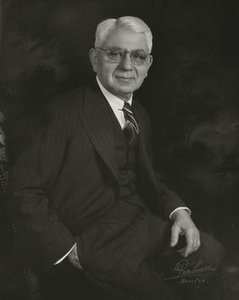
varaztad hovhannes kazanjian
1879 - 1974 , Armenia
基本情報
- Artistic Movement Or Style: Plastic Surgery
- Artists Or Movements Influenced By This Artist: ['Modern Plastic Surgery']
- Artists Who Influenced This Artist: ['John M. Converse']
- Date Of Birth: March 18, 1879
- Date Of Death: October 19, 1974
- Full Name: Varaztad H. Kazanjian
- Nationality: Armenian American
- Notable Artworks: ['Freud’s mouth prosthesis']
- Place Of Birth: Erzincan, Ottoman Empire
関連記事

Bronze Sculptures That Defined Art History | ArtsDot
Journey through art history with our Top 10 bronze sculptures! Explore masterpieces by Rodin, Michelangelo & more. Discover stories behind iconic statues and find museum-quality reproductions for your home decor at ArtsDot.com.

The Enduring Form: Exploring Themes & Techniques in Sculpture Across Historical Periods
Explore the rich history of sculpture from ancient masterpieces to contemporary innovations. Discover key techniques, influential artists & investment potential for discerning art collectors.

The Enduring Form: Sculpture Across History, Technique & Emotional Resonance
Explore the rich history of sculpture with ArtsDot. Discover key techniques, influential artists & investment potential for discerning collectors. Expert insights into valuing and collecting timeless masterpieces.

Bronze Age to Modern Masters: 10 Sculptures That Redefined Art | ArtsDot
Journey through art history with 10 legendary bronze sculptures – from Michelangelo's David to Rodin’s Thinker. Explore the stories, techniques & timeless beauty of these masterpieces. Find museum-quality reproductions & elevate your home decor on ArtsDot.com.
青銅彫刻の永続的遺産:歴史、技法、そして現代における解釈
青銅彫刻の歴史、技法、現代における解釈を専門家が解説。古代から現代までの貴重な作品群を深く理解し、コレクションや投資に役立つ情報を提供します。美術品鑑定、修復についてもご紹介。