

 プレビュー
プレビュー
 シェアする
シェアする シェアする
シェアする
 詳細を見る
詳細を見る

 ダウンロード
 似ている作品
 X線調査
X線調査 スライドショー
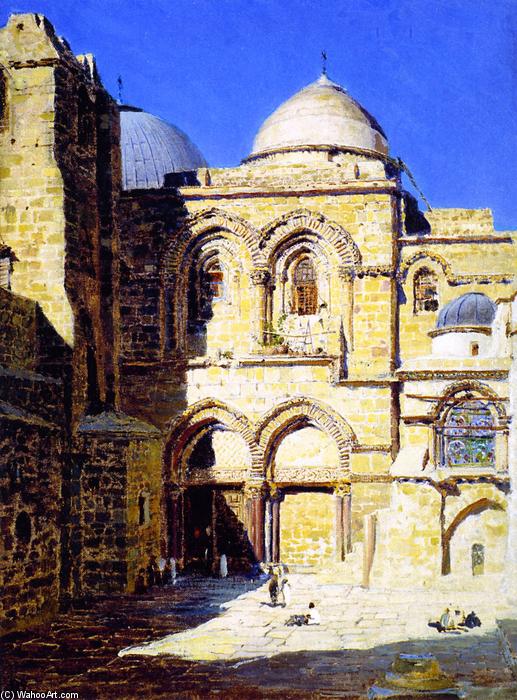
Façade of the Church of the Holy Sepulcher


 詳細を見る
詳細を見る
ジークレー/アートプリント
迅速な制作と多彩な仕上げオプションを備えた、ミュージアムクオリティのジークレーまたはキャンバスプリント。 ( 手描きの絵画を購入 画像を購入)




P118B $10

P118H $10

P118W $10

P438Z $10

P508JH $12

P508YH $12

P805H $10

P805Z $10

P919BZ $10

P919G $10

P919XJ $10

P959ZH $10

P968JZ $12

W106C $8

W218G $10

W218JH $8

W218Y $10

W307PJ $10

W316G $10

W316PJ $8

W316Y $10

W398PJ $8

W4111J $10

W500HY $15

W500JH $15

W692G $12

W849H $8

W940BG $15

W953PJ $8




作品のオリジナル比率に合わせた、当店の規定サイズからお選びください。

特定のフレームやスペースに合わせて、ご自身でサイズを指定することも可能です。選択されたサイズが元の画像の比率と一致しない場合、作品をトリミングするか、鏡面反射または単色での塗りつぶしによって画像を拡張いたします。制作を開始する前に、ご確認用のデジタルモックアップをお送りいたします。
画面上のプレビューには、実際のトリミングや拡張は反映されませんのでご注意ください。最終的な構図を正確に確認できるのは、モックアップのみとなります。
カスタムサイズも承っておりますが、元の比率を維持するためには、あらかじめ用意されたリストからサイズを選択することをお勧めいたします。


 ガラスオプションは、110cm未満のサイズでのみご利用いただけます。

Façade of the Church of the Holy Sepulcher
ジークレー/アートプリント
複製画のサイズ
-


合計金額
$ 62
Façade of the Church of the Holy Sepulcher – A Vision of Faith and Antiquity
The artwork, titled “Façade of the Church of the Holy Sepulcher,” is a monumental oil painting by Vasily Dmitrievich Polenov completed in 1882. It stands as a testament to the Peredvizhniki movement’s commitment to capturing the grandeur of Russian history and spirituality through meticulous observation and artistic interpretation—a pursuit driven by a profound belief that art could elevate human consciousness. More than just a depiction of architectural form, Polenov's canvas embodies a complex tapestry of influences reflecting both European Orientalist painting conventions and the artist’s deeply held convictions about beauty and moral purpose.Subject Matter & Composition
The painting portrays the imposing façade of the Church of the Holy Sepulcher in Sopron, Hungary—a building renowned for its architectural fusion of Gothic and Baroque styles. Polenov skillfully captures the solemn atmosphere of the site, presenting a panoramic view emphasizing the church’s towering height and structural solidity. Vertical lines dominate the composition, directing the viewer's gaze upwards towards the central dome, symbolizing aspiration and divine majesty. Figures—likely worshippers—are subtly integrated into the foreground, providing scale and grounding the monumental architectural scene within human experience. This deliberate arrangement underscores the importance of faith and tradition amidst the backdrop of European artistic exploration.Style & Technique – Echoes of Orientalism
Polenov’s approach aligns closely with the stylistic hallmarks of Orientalist painting prevalent during his era—a genre characterized by an idealized portrayal of exotic locales and cultures. However, unlike many of its contemporaries, Polenov eschewed mere decorative embellishment, prioritizing accuracy in architectural detail and textural representation. The artist employed a technique rooted in meticulous brushwork, layering pigments to achieve remarkable depth and luminosity. Visible strokes mimic the rough surface of stone—particularly evident in the weathered walls—creating an immersive sensory experience for the viewer. Careful attention was paid to lighting, casting dramatic shadows that accentuate the building’s contours and imbue it with warmth, mirroring the spiritual radiance he sought to convey.Historical Context & Symbolism
Created during a period of significant intellectual ferment within Russia—marked by debates surrounding social reform and artistic autonomy—Polenov's painting reflects the Peredvizhniki movement’s broader ambition: to elevate art beyond mere aesthetic contemplation. The Church of the Holy Sepulcher itself holds immense religious significance, representing Christ’s tomb and commemorating the central event of Christian faith. Polenov’s depiction serves as a visual meditation on history, spirituality, and cultural heritage—a celebration of enduring architectural grandeur and its capacity to inspire reverence and contemplation.Emotional Impact & Artistic Legacy
Ultimately, “Façade of the Holy Sepulcher” transcends mere representation; it communicates an overwhelming sense of awe and solemn beauty. Polenov’s masterful technique captures not only the physical appearance of the church but also its spiritual essence—a testament to his conviction that art possesses transformative power. Like many works by the Knight of Beauty, this painting continues to resonate with audiences today, reminding us of the enduring allure of classical forms and the profound connection between art and human emotion. Its meticulous detail and evocative atmosphere solidify Polenov’s place as a pivotal figure in Russian landscape painting and a champion of artistic idealism—a legacy that persists through reproductions like those offered by ArtsDot.com.関連作品

アーティストの略歴
美の騎士:ワシーリー・ポレノフの生涯とヴィジョン
ワシーリー・ドミトリエヴィチ・ポレノフ(1844–1927)は、ロシアの風景画、そして芸術的自由と社会改革を掲げた写実主義者集団「ペレドヴィジュニキ(移動派)」における金字塔とも言える存在です。しばしば「美の騎士」と称えられたポレプリノフは、ヨーロッパ的な芸術的感性とロシア文化に深く根ざした精神を併せ持っていました。彼の描く世界において、芸術は単なる審美的な愉悦のためだけではなく、人々の幸福と道徳的な高揚を積極的に育むためのものだったのです。「芸術は幸福と喜びを促進すべきである」という彼の雄弁な言葉は、まさにこの運動の核心を象徴しています。抑圧に立ち向かう進歩的な思想家たちが活発に議論を交わした、知的情熱に満ちた時代に育まれた彼の揺るぎない信念は、芸術が持つ変革の力を信じ続け、今なお多くの芸術家たちにインスピレーションを与え続けています。
サンクトペテルブルクに生まれたポレノフは、芸術的伝統が息づく裕福な家庭に育ちました。父ドミトリ・ポレノフは、著名な考古学者であり書誌学者でもありました。ギリシャへの画期的な遠征を行った父の足跡は、若きワシーリーをカール・ブリューロフのような影響力のある芸術家たちへと導くことになります。このような家庭環境により、彼は幼少期から学びと芸術的探求への情熱を育みました。また、母マリア・アレクセエヴナ・ポレノヴァ自身も画家であり肖像画家であったことは、当時のロシアに浸透していた芸術文化を象徴しています。彼女の回想録には、民主主義、進歩、教育、そして専制政治への抵抗が議論された1860年代のロシアにおける、知的熱狂の様相が鮮やかに描き出されています。
光の習熟と抒情的写実主義
ポレノフの芸術的発展を特徴づけているのは、ロシア・アカデミーでの厳格な訓練と、ヨーロッパの風景画伝統が持つ光に満ちた大気的な質感を融合させる類まれな能力です。彼の作品は単なる写実的な記録を超え、抒情的写動主義という領域へと昇華されています。彼は風景の中を移ろう繊細な光の変化を捉える天賦の才を持っており、その情景に静謐さと精神的な深みを与えました。これは彼の聖書連作において最も顕著であり、聖なる物語を遠い伝説としてではなく、人間同士の繋がりと神の恩寵が息づく、生きた瞬間として描き出しました。
その卓越した技術は、東洋の緻密な建築研究から、陽光が降り注ぐロシア田園地帯の牧歌的な景色に至るまで、多様な様式的領域を横断することを可能にしました。彼の代表的な作品には以下のようなものがあります:
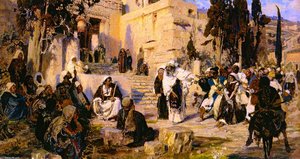
- キリストと罪人: 1886年の傑作であり、息をのむようなビザンチン様式の優雅さを備え、柔らかな光と深い感情を通じて信仰の輝かしいヴィジョンを提示しています。
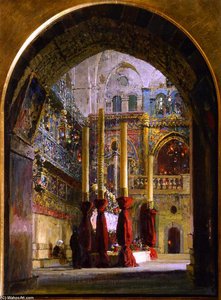
- 聖墳墓教会連作: 教会内部やファサードの研究を通じて、ポレノフはビザンチン建築へのオリエンタリズム的な関心を示し、温かみのある色彩を用いて、瞑想的で静かな雰囲気を作り上げました。
- 風景研究: 自然の「情緒」を捉える能力により、単なる景色を自然界の美に対する深い瞑想へと変容させました。
遺産と歴史的意義
ポレノフがロシア美術界に与えた影響は、個々のキャンバスを超え、構造的かつ文化的なものでした。ペレドヴィジュニキ(移動派)の一員として、彼はロシア美術の焦点を、アカデミーの硬直した貴族的な枠組みから、より大衆的で社会意識の高い写実主義へとシフトさせる一助となりました。しかし、社会闘争の過酷さのみに焦点を当てた同時代の他の画家たちとは異なり、ポレエノフは人間存在の本質の中に永遠の美を見出そうと努めました。彼の邸宅であるポレノヴォは、単なる住居以上のものとなりました。それは芸術と文化の聖域となり、「美は人間の魂にとって根本的な必需品である」という彼の生涯にわたる信念を体現する場所となったのです。
彼の歴史的な意義は、この繊細な均衡の中に存在します。彼は希望を捨て去ることを拒んだ写実主義者であり、同時に近代的な印象派の光を受け入れた伝統主義者でもありました。自らの遺産である考古学的な豊かさと、未来を見据えたヒューマニズムの理想を織り交ぜることで、ワシーリー・ポレノフは「美の騎士」としての名を美術史に刻み込みました。そして、創造性の究極の目的とは、存在の喜びを照らし出すことであるということを、世代を超えて私たちに伝え続けているのです。
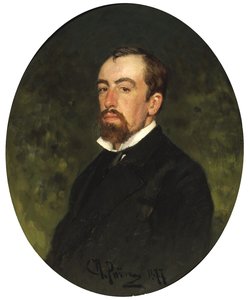
ワシーリー・ポレノフ
1844 - 1927 , ロシア
基本情報
- Artistic Movement Or Style: ペレドヴィジュニキ(巡洋展覧会派)
- Artists Or Movements Influenced By This Artist: ['ヨーロッパ絵画']
- Artists Who Influenced This Artist:
- カール・ブリューロフ
- ロマン・クズミン
- Date Of Birth: 1844年6月1日
- Date Of Death: 1927年7月18日
- Full Name: ワシーリー・ドミトリエヴィチ・ポレノフ
- Nationality: ロシア
- Notable Artworks:
- 街並み
- ティベリウスのユダヤ人
- 画家イリヤ・レーピンの肖像
- Place Of Birth: ロシア、サンクトペテルブルク
関連記事
Vasily Polenov: A Pioneer of Landscape Impressionism & Russian National Identity
Explore the captivating landscapes of Vasily Polenov, a pivotal figure in Russian art history. Discover his lyrical realism, biblical series & influence on Impressionism. Learn about the 'Knight of Beauty' and his enduring legacy.
Ivan Bilibin: A Synthesis of Folklore, Modernism & National Identity in Russian Illustration
Explore the enchanting world of Ivan Bilibin, a master Russian illustrator who synthesized folklore, Art Nouveau & national identity. Discover his iconic fairy tale illustrations and legacy with ArtsDot.
Victor Vasnetsov: Myth, Nationalism & the Revival of Russian Fairy Tale Painting
Explore the captivating world of Victor Vasnetsov, a co-founder of Russian folklorist painting. Discover his iconic works, influence on national identity, and lasting legacy in this expert guide.
Vladimir Makovsky: Realism, Social Commentary & Russian Life in Late 19th-Century Painting
Explore the captivating world of Vladimir Makovsky, a leading Russian realist painter. Discover his insightful depictions of 19th-century life, social commentary & legacy with ArtsDot.
Discover Russian Realism: Soulful Masterpieces and the Timeless Spirit of the Peredvizhniki for Your Modern Home
Elevate your home with the soulful beauty of Russian Realism. Discover exquisite hand-painted reproductions of Peredvizhniki masterpieces, from lyrical landscapes to profound portraits, curated to bring historical depth and timeless elegance to your modern interior design.

