

 プレビュー
プレビュー
 プリントを購入
 シェアする
シェアする シェアする
シェアする
 詳細を見る
詳細を見る

 ダウンロード
 似ている作品
 X線調査
X線調査 スライドショー
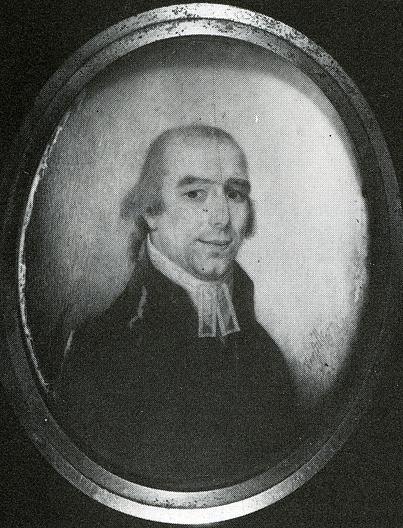
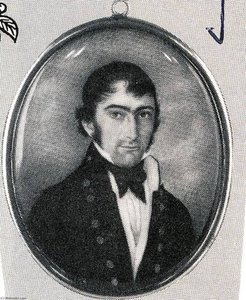
John Clarke, Rev (1755 1798), (painting)

 詳細を見る
詳細を見る
オンラインプレビューをはるかに凌ぐ、高解像度で鮮明なデジタル画像をご購入いただけます。
各ファイルは、社内の専門家が高度なツールと熟練した手作業によるレタッチを用いて、細心の注意を払って準備されています。すべての画像において、卓越した鮮明度、正確な色彩再現性、そして繊細なディテールを保証いたします。
最終ファイルは、プロフェッショナルな編集・印刷環境ですぐにご利用いただけるよう最適化された状態で、72時間以内にメールにてお届けいたします。これは、一流のデザインスタジオ、出版社、ギャラリーから信頼されているものと同等の品質です。
デジタル画像のご注文に付随する特典
高品質なデジタル画像配信を、確かな品質で。
ArtsDot.com を選ぶことは、単に画像を手に入れることではありません。それは、プロの手によって精密に仕上げられ、満足保証が付いた高品質なデジタルアートワークを受け取ることを意味します。ご注文いただいた際に自動的に付随する内容は、以下の通りです:

メールですぐにお届け
ご注文から72時間以内に、高解像度のデジタル画像ファイルがメールでお手元に届きます。すぐにそのままご利用いただけます。

AI技術で最適化されたデジタルファイル
お客様の作品は、高度なAIツールと専門家による手作業の編集を組み合わせてプロフェッショナルに最適化されており、細部のディテール、鮮明さ、そして正確な色再現性を最大限に引き出しています。

一生涯無料の再送サービス
ファイルを誤って削除したり、紛失してしまったりしましたか?ご安心ください。いつでも無料で再送いたします。

輸入手数料は一切かかりません
関税や手数料、配送料を気にすることなく、お気に入りのアートワークをすぐにお楽しみいただけます。デジタルダウンロードは常に免税です。

色彩再現の保証
プロ仕様のツールとカラーマネジメント技術を用いることで、デジタル画像が元の色を最大限に忠実に再現することを保証いたします。

100日間満足保証
ご購入いただいたデジタル画像にご満足いただけない場合は、100日以内であれば、理由を問わず修正または100%の返金対応をさせていただきます。

100% 返金保証
ご満足いただけない場合は、デジタルファイルを受け取ってから100日以内であれば、理由を問わず全額返金いたします。

まとめ買い割引
3枚購入で10%OFF - 5枚購入で15%OFF - 10枚以上購入で20%OFF。クリエイティブなプロジェクト、ギャラリー、エージェンシーに最適です。
関連作品



作家の略歴
William Verstille: A Bostonian Master of the Rococo and Neoclassical Eras
The world of early American art often focuses on grand narratives – the arrival of European settlers, the establishment of colonial institutions, and the subsequent rise of national identity. Yet, within this broader context lies a rich tapestry of individual artistic voices, quietly shaping the visual landscape of a nascent nation. Among these figures stands William Verstille (c. 1757 – 1803), an American painter whose elegant watercolor portraits offer a rare and intimate glimpse into the refined world of Boston’s elite during the Rococo and Neoclassical periods. His work, now housed in prestigious collections across America and Europe, reveals a mastery of technique combined with a subtle sensitivity to character and atmosphere – a testament to his dedication and artistic vision.
Verstille's early life remains somewhat shrouded in mystery, though it’s believed he was born in Connecticut. He received his initial training under his father, Louis Vigée, a noted pastelist who operated within the established guild system of artists in Boston. This grounding in traditional techniques provided a solid foundation for his later work, while exposure to the artistic practices of the time undoubtedly influenced his style. Crucially, Verstille’s career intersected with that of Élisabeth Louise Vigée Le Brun, a prominent French painter who became a close friend and confidante. Her influence is evident in Verstille's refined brushwork, delicate color palettes, and focus on capturing subtle expressions – qualities she herself championed.
Verstille’s artistic output primarily revolved around portraiture, a genre particularly popular among the American gentry of his era. He produced numerous portraits of prominent figures – merchants, lawyers, doctors, and members of Boston's social elite. These weren’t merely formal representations; Verstille skillfully captured the personalities of his subjects, revealing their individual character through nuanced details in their attire, expressions, and poses. His ability to convey both dignity and warmth made these portraits enduring testaments to the individuals they depicted.
The Delicate Art of Watercolor: Technique and Style
Verstille’s signature style is characterized by his masterful use of watercolor. Unlike the bolder, more dramatic techniques favored by some contemporary painters, Verstille employed a delicate, almost translucent approach. He layered thin washes of color to create subtle gradations of tone and hue, building up depth and luminosity with remarkable precision. This technique allowed him to capture the play of light on fabrics, the shimmer of jewelry, and the fleeting expressions on his subjects’ faces – all rendered with exquisite detail.
His portraits often incorporate elements of both Rococo and Neoclassical styles. The influence of Rococo is evident in the graceful poses, flowing draperies, and delicate color palettes characteristic of the era. However, Verstille tempered this frivolity with a sense of restraint and formality reminiscent of Neoclassicism – a movement that emphasized clarity, order, and idealized beauty. This synthesis created a unique artistic voice, firmly rooted in American sensibilities while drawing inspiration from European traditions.
Furthermore, Verstille’s use of ivory frames for his portraits—a practice common at the time—added to their elegance and sophistication. The combination of delicate watercolor painting and luxurious framing elevated these works to objects of considerable beauty and prestige, reflecting the wealth and status of their subjects.
Notable Works and Legacy
Among Verstille’s most celebrated portraits is a miniature depicting Clarissa Storrs (1795), a captivating example of his skill in capturing delicate features and conveying subtle emotion. The portrait exemplifies his ability to create intimate, almost voyeuristic glimpses into the lives of his subjects. His work also includes several portraits of Solomon Ingraham, another prominent Bostonian figure, showcasing his talent for portraying dignified individuals with an air of quiet authority.
Verstille’s legacy extends beyond his individual works. He played a significant role in establishing portraiture as a respected and valued art form within the American artistic landscape. His success paved the way for future generations of American painters, demonstrating that it was possible to achieve international recognition through dedication, skill, and a commitment to capturing the beauty and character of the human subject. His paintings continue to be studied and admired today, offering valuable insights into the social and cultural history of early America.
Connections to Élisabeth Vigée Le Brun
The relationship between William Verstille and Élisabeth Vigée Le Brun was a pivotal element in his career. Le Brun’s influence on Verstille's artistic style is undeniable, particularly in the refinement of his brushwork and color palette. The two artists maintained a close friendship, exchanging letters and sharing ideas about technique and composition. It’s believed that Verstille even traveled to Paris during Le Brun’s exile after the French Revolution, offering her support and assistance.
Furthermore, both artists shared a similar approach to portraiture – a focus on capturing not just physical likeness but also the personality and character of their subjects. Le Brun's emphasis on psychological insight undoubtedly informed Verstille's own work, contributing to the depth and complexity of his portraits. The connection between these two remarkable painters provides a fascinating glimpse into the artistic networks that connected Europe and America during the late 18th and early 19th centuries.
verstille
1755 - 1803
プロフィール概要
- Artistic Movement Or Style: Rococo/Neoclassical
- Artists Or Movements Influenced By This Artist: ['Vigée Le Brun']
- Artists Who Influenced This Artist:
- Joshua Reynolds
- Dutch Masters
- Date Of Birth: 16 April 1755
- Date Of Death: 30 March 1842
- Full Name: Élisabeth Louise Vigée Le Brun
- Nationality: French
- Notable Artworks:
- Marie Antoinette portrait
- Self-portrait in a Straw Hat
- Lady Hamilton portrait
- Place Of Birth: Paris, France