

 プレビュー
プレビュー
 プリントを購入
 シェアする
シェアする シェアする
シェアする
 詳細を見る
詳細を見る

 ダウンロード
 似ている作品
 X線調査
X線調査 スライドショー
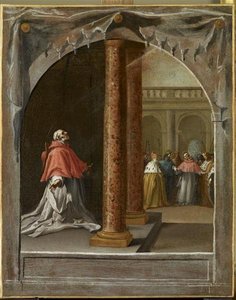
Mort de saint Bruno


 詳細を見る
詳細を見る




P118B $10

P118H $10

P118W $10

P438Z $10

P508JH $12

P508YH $12

P805H $10

P805Z $10

P919BZ $10

P919G $10

P919XJ $10

P959ZH $10

P968JZ $12

W106C $8

W218G $10

W218JH $8

W218Y $10

W307PJ $10

W316G $10

W316PJ $8

W316Y $10

W398PJ $8

W4111J $10

W500HY $15

W500JH $15

W692G $12

W849H $8

W940BG $15

W953PJ $8




作品のオリジナル比率に合わせた、当店の規定サイズからお選びください。

特定のフレームやスペースに合わせて、ご希望のサイズをご入力いただけます。選択されたサイズが元の画像の比率と異なる場合、アートワークをトリミングするか、手描きで要素を追加して絵画を拡張いたします。デジタルモックアップ を制作し、制作開始前にご確認(承認)をいただきます。
画面上のプレビューは、実際のトリミングや拡張を正確に反映しているものではありません。最終的な構図は、モックアップによってのみ正確にご確認いただけます。
カスタムサイズもご利用いただけますが、元の比率を維持するためには、あらかじめ用意されたリストからサイズを選択することをお勧めいたします。
ご注文後、ArtsDot.com チームより詳細な指示をお送りするとともに、仕上がりイメージ(モックアップ)をご提供いたします。


 ガラスオプションは、110cm未満のサイズでのみご利用いただけます。

Mort de saint Bruno
複製技法
複製画のサイズ
-


合計金額
$ 388
作品解説
Vicente Carducho’s “Mort de Saint Bruno”: A Baroque Drama of Faith and Mortality
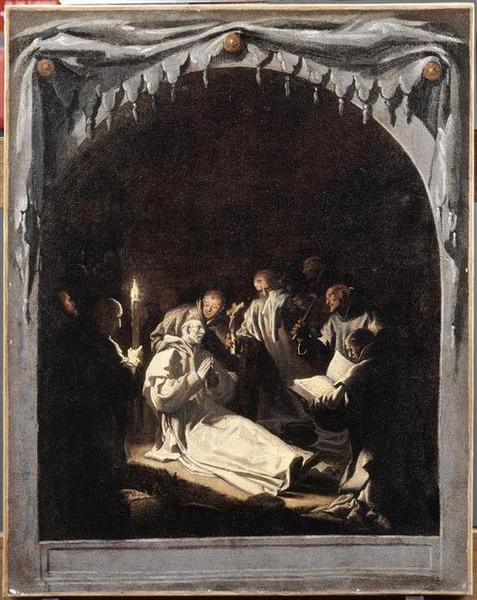
“Mort de Saint Bruno,” painted by Vicente Carducho in the early 17th century, is not merely a depiction of death; it's a profound meditation on faith, devotion, and the acceptance of fate rendered with the dramatic intensity characteristic of Spanish Baroque art. The painting, currently housed at the Louvre Museum in Paris, offers a glimpse into a pivotal moment in the life of Saint Bruno of Pontefract, founder of the Carthusian Order, and invites viewers to contemplate the solemn beauty of his final moments.
Carducho’s composition immediately establishes a sense of theatrical grandeur. The scene unfolds within a dimly lit chamber, dominated by a central pyramidal structure anchored by the figure of Saint Bruno himself. He lies serenely in repose, clad in monastic robes, his face exhibiting an expression of profound peace rather than anguish. Around him, a group of monks – some in mourning, others offering prayers – swirl with a restrained energy, their gestures conveying both grief and reverence. The use of a heavy curtain draped across the upper portion of the canvas serves to isolate this intimate scene, creating a sense of theatrical enclosure and drawing our focus entirely onto the central drama.
A Symphony of Light and Shadow: Technique and Style
The painting’s power resides significantly in Carducho's masterful manipulation of light and shadow – a hallmark of the Baroque style. He employs *chiaroscuro* with exquisite precision, bathing Saint Bruno’s face in a soft, ethereal glow while casting the surrounding figures and the chamber itself into deep shadows. This dramatic contrast not only highlights the saint’s peaceful countenance but also amplifies the overall mood of solemnity and reverence. The artist's meticulous attention to detail is evident in the rendering of textures – from the smooth fabric of the robes to the rough stone of the chamber walls – adding a remarkable sense of realism to the scene.
Carducho’s technique reveals a deep understanding of oil painting, utilizing layering and glazing to achieve rich colors and subtle gradations. The palette is predominantly dark—browns, grays, and blacks— punctuated by the warm light emanating from a single candle, which serves as a potent symbol of divine grace and hope. The figures are rendered with a naturalism that belies their symbolic significance; they aren’t idealized representations but rather believable human beings experiencing profound emotion.
Symbolism and Spiritual Depth
Beyond its visual impact, “Mort de Saint Bruno” is laden with symbolism. The candle, as previously mentioned, represents divine light and the promise of salvation. The monks' gestures—bowing heads, extending hands in prayer—underscore their devotion and acceptance of the saint’s passing. Saint Bruno himself embodies a quiet dignity and serenity, suggesting an acceptance of his fate that transcends earthly suffering. The setting within a Carthusian monastery further reinforces the painting’s spiritual themes, highlighting the order's commitment to contemplation and service.
The inclusion of the crucifix held by one of the monks is particularly significant. It serves as a visual reminder of Christ’s sacrifice and underscores the connection between Saint Bruno’s death and the broader Christian narrative of redemption. The entire scene, therefore, becomes a powerful meditation on mortality, faith, and the enduring power of spiritual devotion.
Historical Context and Artistic Legacy
Painted during the height of Spanish Baroque art—a period marked by dramatic intensity and emotional expression— “Mort de Saint Bruno” reflects the artistic sensibilities of its time. Carducho’s work stands as a testament to the influence of Italian Renaissance masters, particularly Caravaggio, whose use of *chiaroscuro* profoundly shaped the course of Baroque painting. His commission to decorate the Carthusian monastery at El Paular marked a significant turning point in his career, establishing him as one of Spain’s leading artists.
Today, “Mort de Saint Bruno” remains a captivating masterpiece—a poignant reminder of the beauty and complexity of faith, mortality, and the enduring legacy of Vicente Carducho. Its dramatic composition, masterful technique, and profound symbolism continue to resonate with viewers centuries after its creation, solidifying its place as a cornerstone of Spanish Baroque art.
関連作品


アーティストの略歴
ビセンテ・カルドゥーチョ(1576-1638):スペイン・バロックを牽引した巨匠
ヴィンチェンツォ・カルドゥッチ、より一般的にはビセンテ・カルドゥーチョの名で知られるこの画家は、17世紀のスペイン美術の風景を決定づけた極めて重要なイタリア人画家でした。1576年にイタリアのフィレンツェに生を受け、1638年にスペインのマドリードでその生涯を閉じました。彼の歩んだ軌跡はイタリアとスペインの両国にまたがり、最終的に彼をスペイン・バロック運動における中心的な人物へと押し上げたのです。
黎明期と修練の時代
- ルーツ:カルドゥーチョは、芸術の息吹が満ち溢れるイタリア・フィレンツェの豊かな環境の中で産声を上げました。
- 家族の影響:彼の初期の修行は、同じく画家であった兄バルトロメオ・カルドゥッチによって授けられました。この血縁による結びつきが、彼の芸術的成長における決定的な礎となったのです。
- スペインへの移住:若き日のビセンテは兄の足跡を辿ってマドリードへと移り住みました。当初はバリャドリードで活動していましたが、やがてスペイン王フェリペ2世のもとで、エスコリアル修道院での制作依頼を受けるに至ります。
- 初期の依頼作品:彼は兄と共にフェリペ2世のための絵画プロジェクトに携わり、その後、フェリペ3世の治世下では、新たに再建されたパルド宮殿の装飾にも貢献しました。その初期の傑作として、アキレウスの物語を描いた作品が記憶に刻まれています。
芸術家としての開花と偉大なる業績
- 修道院のフレスコ画:彼のキャリアにおける劇的な転換点は、エル・パウラール修道院の修道士たちから受けた4年間に及ぶ装飾依頼でした。この壮大なプロジェクトにより、聖ブルノの生涯(27点)と殉教者たち(27点)を描いた、歴史的人物による54枚もの大作キャンバスが誕生したのです。
- 王室の庇護:カルドゥーチョはフェリペ4世から多大な支持を受け、プラド美術館に収蔵される今日の名作の数々を生み出しました。これらの作品には、劇的な構図と宗教的テーマに対する彼の卓越した技量が凝縮されています。
- 教育と後進への影響:長年にわたり、カルドゥーチョはマドリードで教師として活動し、次世代のスペイン人画家たちを育みました。その教え子には、ジョヴァンニ・リッチ、ペドロ・オブレゴン、ヴェラ、フランシスコ・コランテスといった、17世紀スペイン派を代表する重要人物たちが名を連ねています。
- 理論的著作:彼は1633年に出版された論文『絵画の卓越性について(Dialogues on Painting)』の著者でもあります。師匠と弟子による対話形式で綴られたこの書物は、当時のスペイン王国の敬虔な精神を反映すると同時に、彼の芸術哲学を深く探求するための貴重な窓となっています。
芸術様式と受けた影響
- バロックの特質:カルドゥーチョの様式は、バロック時代に深く根ざしています。劇的な光の演出、ダイナミックな構図、そして観る者の心を揺さぶる感情的な強烈さが、その特徴です。
- 古典的伝統:彼の著作からは、古典的な芸術理論や対話体という形式に対する、深い敬意と関わりが見て取れます。
- カラヴァッジョへの批判:特筆すべきは、彼がカラヴァッジョとその追随者たちに対して、非常に鋭い批判を展開したことです。彼は彼らが規律に欠け、十分な学習や準備なしに自然主義に頼りすぎていると非難しました。その手法は絵画の未来を損なうものだと危惧していたのです。また、その批判はミケランジェロの様式にも及び、自然を表面的な模倣に留めていると断じました。 ともにも、カラヴァッジョに対して批判的であった一方で、カルドゥーチョの作品には初期のイタリアの巨匠たちからの影響と、紛れもないスペイン独自の感性が共存しています。
歴史的な意義
ビセンテ・カルドゥーチョは、スペイン美術史において極めて重要な地位を占めています。彼はイタリアの技法と現地の伝統を融合させることで、独自の「スペイン・バロック様式」を確立する上で決定的な役割を果たしました。また、教育者としての活動を通じて、自身の芸術的原則を後世へと確実に継承させたのです。カラヴァッジョへの批判には保守的な側面が見え隠れするものの、宗教画への貢献やその理論的著作は、当時の芸術論争を知る上でかけがえのない洞察を与えてくれます。多様な影響を統合し、唯一無二のスペイン・バロック美学へと昇華させたことこそが、カルドゥーチョが遺した真のレガシーなのです。
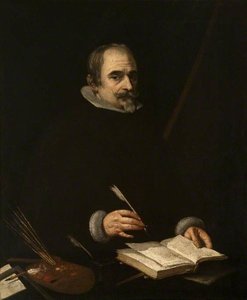
ビセンテ・カルドゥーチョ
1576 - 1638 , イタリア
基本情報
- Artistic Movement Or Style: スペイン・バロック
- Artists Or Movements Influenced By This Artist:
- ジョヴァンニ・リッチ
- ペドロ・オブレゴン
- Artists Who Influenced This Artist:
- ミケランジェロ
- カラヴァッジョ
- Date Of Birth: 1576年
- Date Of Death: 1638年
- Full Name: ビセンテ・カルドゥーチョ
- Nationality: イタリア/スペイン
- Notable Artworks:
- アキレウスの物語
- 聖ルチア
- 聖ブルノとの出会い
- Place Of Birth: イタリア、フィレンツェ
関連記事
Discover the Divine: Inspiring Saint Anthony Artworks to Elevate Your Home Decor
Transform your home with the profound beauty of Saint Anthony artworks. Explore exquisite Baroque reproductions by Murillo and Zurbarán, hand-painted on 100% cotton canvas to bring divine serenity and timeless elegance to your interior design.

The Dramatic Flourish: Exploring the Baroque Movement's Enduring Legacy in Art History
Explore the dramatic world of Baroque art! Discover iconic artists like Caravaggio & Rubens, defining techniques, and its lasting impact on art history. Expert insights for collectors & enthusiasts at ArtsDot.

バロック美術を極めた至宝:時代を彩る10大名作の世界
バロック美術の華!カラヴァッジョ、ベルニーニら巨匠が創り上げた10大名作を徹底解剖。ドラマチックな色彩と豪華絢爛の世界観に触れ、至宝のアートプリントで空間を彩ろう。ArtsDot.comで美術館品質の複製と洗練されたインテリアを見つけましょう!
The Golden Age Reforged: Dramatic Realism & Religious Zeal in Spanish Baroque Art
Explore the dramatic world of Spanish Baroque art! Discover masters like Zurbarán & the powerful influence of religious zeal on painting techniques – a guide for collectors and enthusiasts.
Theatricality & Triumph: Baroque Drama in Painting & Sculpture
Explore the dramatic world of Baroque art! Discover its history, defining characteristics, & lasting influence on painting & sculpture. Expert insights into Caravaggio, Zurbarán, and Bernini – plus high-quality reproductions at ArtsDot.

