

 プレビュー
プレビュー
 シェアする
シェアする シェアする
シェアする
 詳細を見る
詳細を見る

 ダウンロード
 似ている作品
 X線調査
X線調査 スライドショー
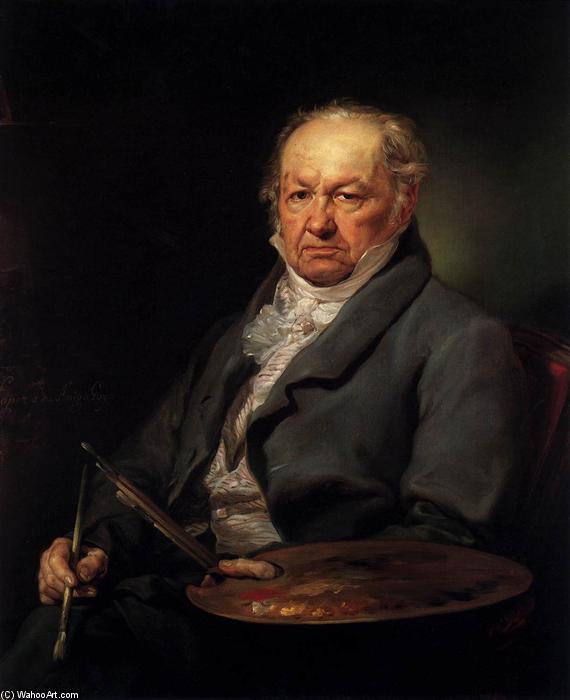
The Painter Francisco de Goya
 Acrylic On Canvas
- WallArt
- Neoclassical Portraiture
 1826
1826 93.0 x 75.0 cm
 プラド美術館
 詳細を見る
詳細を見る
ジークレー/アートプリント
迅速な制作と多彩な仕上げオプションを備えた、ミュージアムクオリティのジークレーまたはキャンバスプリント。 ( 手描きの絵画を購入 画像を購入)




P118B $10

P118H $10

P118W $10

P438Z $10

P508JH $12

P508YH $12

P805H $10

P805Z $10

P919BZ $10

P919G $10

P919XJ $10

P959ZH $10

P968JZ $12

W106C $8

W218G $10

W218JH $8

W218Y $10

W307PJ $10

W316G $10

W316PJ $8

W316Y $10

W398PJ $8

W4111J $10

W500HY $15

W500JH $15

W692G $12

W849H $8

W940BG $15

W953PJ $8




作品のオリジナル比率に合わせた、当店の規定サイズからお選びください。

特定のフレームやスペースに合わせて、ご自身でサイズを指定することも可能です。選択されたサイズが元の画像の比率と一致しない場合、作品をトリミングするか、鏡面反射または単色での塗りつぶしによって画像を拡張いたします。制作を開始する前に、ご確認用のデジタルモックアップをお送りいたします。
画面上のプレビューには、実際のトリミングや拡張は反映されませんのでご注意ください。最終的な構図を正確に確認できるのは、モックアップのみとなります。
カスタムサイズも承っておりますが、元の比率を維持するためには、あらかじめ用意されたリストからサイズを選択することをお勧めいたします。


 ガラスオプションは、110cm未満のサイズでのみご利用いただけます。

The Painter Francisco de Goya
ジークレー/アートプリント
複製画のサイズ
-


合計金額
$ 62
作品詳細説明
A Masterful Study: Vicente López y Portaña’s “The Painter Francisco de Goya”
Vicente López y Portaña's 1826 portrait of Francisco de Goya is more than just a likeness; it’s a profound meditation on the artist’s life, his evolving artistic vision, and the complex realities of his time. Painted during a period of immense personal and political upheaval in Spain – a nation grappling with war, revolution, and the waning influence of the monarchy – the portrait captures Goya not as the celebrated court painter he once was, but as a man wrestling with his legacy, his deafness, and the shadows that increasingly dominated his work. López y Portaña skillfully avoids romanticizing the artist; instead, he presents a figure of quiet dignity, yet subtly imbued with an air of melancholy and introspection.
The composition itself is remarkably restrained. Goya sits in a simple chair, clad in a dark suit – a deliberate choice that emphasizes his age and the weight of experience. His hands, resting on the table before him, are not gesturing dramatically, but rather holding a brush with a quiet intensity. This gesture speaks volumes about his continued dedication to art, even as his hearing diminished and his world darkened. The background is deliberately dark, drawing attention to Goya’s face – a face etched with lines of wisdom, weariness, and perhaps a hint of defiance. López y Portaña's masterful use of light and shadow creates a sense of intimacy, inviting the viewer into a private moment of contemplation.
The Context of a Changing Spain
To fully appreciate this portrait, it’s crucial to understand the historical context in which it was created. Goya had served as court painter for decades, producing grand portraits and elaborate decorations for the Spanish monarchy. However, by 1826, he was largely estranged from the royal court and increasingly disillusioned with the political landscape. The Peninsular War against Napoleon had left Spain devastated, and the subsequent restoration of Ferdinand VII’s absolutist rule ushered in a period of repression and instability. Goya himself suffered greatly during this time, losing his hearing and experiencing profound personal loss.
López y Portaña, a contemporary of Goya's, was acutely aware of these turbulent times. His portrait reflects the anxieties and uncertainties of the era, capturing not only Goya’s physical appearance but also the emotional state of a nation struggling to rebuild itself. The somber palette – dominated by dark browns, grays, and blacks – mirrors the prevailing mood of pessimism and disillusionment.
Technique and Artistic Influence
López y Portaña's technique is characterized by its realism and meticulous attention to detail. He skillfully renders Goya’s features with remarkable accuracy, capturing the nuances of his expression and the texture of his skin. The brushstrokes are smooth and controlled, creating a sense of solidity and permanence. However, López y Portaña doesn’t simply aim for photographic likeness; he imbues the portrait with a subtle emotional depth through his use of light and shadow.
The influence of Velázquez is undeniable in this work. Goya's pose, reminiscent of Velázquez’s self-portrait, suggests a deliberate homage to the great master. López y Portaña also draws upon the conventions of Spanish portraiture, but he departs from traditional formulas by presenting Goya not as an idealized hero, but as a complex and flawed human being. The subtle suggestion of weariness in Goya's eyes hints at the burdens he carries – both personal and national.
Symbolism and Enduring Resonance
Beyond its technical merits, “The Painter Francisco de Goya” is rich in symbolism. The brush in Goya’s hand represents his enduring passion for art, even as his physical and mental faculties declined. The dark background suggests the shadows that have enveloped his life – the loss of his hearing, the horrors of war, and the disillusionment with political power. Yet, despite these challenges, Goya retains a sense of dignity and resilience.
This portrait remains a powerful testament to the enduring legacy of Francisco de Goya. It’s not merely a depiction of an artist; it's a window into the soul of a nation grappling with profound change. Reproductions of this iconic work continue to captivate viewers, offering a glimpse into the mind and heart of one of history’s most influential artists.
関連作品
アーティストの略歴
肖像画に刻まれた生涯:ビセンテ・ロペス・イ・ポルターニャの世界
1772年、スペイン・バレンシアの活気あふれる芸術的土壌に生を受けたビセンテ・ロペス・イ・ポルターニャは、新古典主義とロマン主義という二つの時代を繋ぐ極めて重要な人物としてその名を現しました。クリストバル・ロペス・サンチョルディとマヌエラ・ポルターニャ・ミロという両親は、彼の幼少期から芸術への傾倒を慈しみ育てました。わずか13歳にして、フランシスコ会の修道士アントニオ・デ・ビジャヌエバ神父の指導のもとで正式な修行を開始した彼は、技術的な習熟のみならず、芸術に対する深い規律と敬意をその身に刻み込みました。この揺るぎない基礎は、彼をバレンシアの名高いサン・カルロス・アカデミーへと導き、そこで才能を磨いた彼は、わずか17歳にしてマドリードのサン・フェルナンド王立美術アカデミーへの切望された奨学金を勝ち取ります。これは彼の類まれな才能の証でした。そこでの尊敬を集めるバレンシアの画家マリアーノ・サルバドール・マエジャによる3年間の徒弟修行は、彼の技法をさらに洗練させ、宮廷芸術という複雑で華麗な世界へと彼を誘うこととなったのです。王室の依頼と芸術的隆盛
1794年のバレンシアへの帰還は、彼の学びの終焉ではなく、アカデミーの絵画副校長としての新たな幕開けを意味していました。彼の私生活もまた、職業的な成功とともに花開いていきます。1795年のマリア・ピケールとの結婚により、ベルナルドとルイスという二人の息子を授かりました。息子たちも父の芸術の道を辿りましたが、その成功は限られたものでした。しかし、ロペス・ポルターニャを真に国家的な舞台へと押し上げたのは、1802年の王室の訪問でした。国王カルロス4世は彼の作品に心を奪われ、彼を名誉宮廷画家へと任命しました。この栄誉は、スペインのエリート層からの依頼という扉を次々と開いていったのです。激動の半島戦争を経て、1814年にフェルデン7世の治世が復興すると、ロペス・ポルターニャの地位はさらに高まりました。彼はポルトガルのマリア・イザベラ王妃、そして後のザクセンのマリア・ジョゼファ・アマーリア王妃の公式宮廷画家となり、デッサン教師としての役割も担いました。この地位によって、彼は当時の第一級の芸術家としての地位を不動のものとし、1817年にはサン・フェルナンド王立美術アカデミーの会長に任命されるという輝かしい頂点を迎えます。彼は著名な人物たちの容貌を捉えることで名を馳せ、その卓越した肖像画を通じてスペイン史の重要な一時期を視覚的に記録していったのです。精密さと優雅さが織りなす様式
ロペス・ポルターニャの芸術様式は新古典主義に深く根ざしており、緻密な素描と洗練された審美眼を強調していました。この運動が持つ明晰さと秩序を受け入れながらも、彼はそこにロココ様式の優雅な残照を微かに留めていました。この繊細な均衡こそが、彼の作品を特徴づける要素でした。アントン・ラファエル・メンゲスやアカデミズムの原則から多大なインスピレーションを得た彼は、技術的な熟練と確立された芸術的慣習への忠実さを何よりも優先しました。特筆すべきは、キャリアの後期にヨーロッパ全土を席巻したロマン主義の潮流に対し、彼はそれらに大きく左右されることなく、むしろ既存の様式を磨き上げ、完成させる道を選んだことです。彼の素描や小規模な絵画は、その精緻なディテールと巧みな筆致で特に高く評価されています。同時代の天才フランシスコ・ゴヤのような革命的な独創性には及ばなかったものの、彼の肖像画は単なる外見の類似を超え、被写体の品格や社会的地位までも描き出す驚異的な達成として存在しています。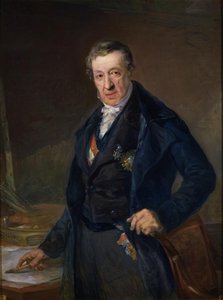
ビセンテ・ロペス・イ・ポルターニャ
1772 - 1850 , スペイン
基本情報
- Artistic Movement Or Style: 新古典主義
- Artists Or Movements Influenced By This Artist: ['マヌエル・アギレ・イ・モンサルベ']
- Artists Who Influenced This Artist:
- アントン・ラファエル・メンクス
- マリアーノ・サルバドール・マエジャ
- Date Of Birth: 1772年9月19日
- Date Of Death: 1850年7月22日
- Full Name: ビセンテ・ロペス・イ・ポルターニャ
- Nationality: スペイン
- Notable Artworks:
- フェルナンド7世の騎馬肖像画
- 三位一体の礼拝
- ゴヤの肖像画
- Place Of Birth: スペイン、バレンシア
関連記事

ゴヤ傑作25選:スペインの魂を揺さぶる、深遠な芸術の世界 | ArtsDot
ゴヤ傑作25選:ロマン主義を代表するスペインの巨匠、フランシスコ・デ・ゴヤの世界へ。黒衣の女からマハまで、魂を揺さぶる絵画の物語と技法を紐解きます。ArtsDotで高品質なアートレプリカを見つけ、インテリアに深みと風格を。今すぐコレクションをご覧ください。

The Golden Age Reforged: Dramatic Realism & Religious Zeal in Spanish Baroque Art
Explore the dramatic world of Spanish Baroque art! Discover masters like Zurbarán & the powerful influence of religious zeal on painting techniques – a guide for collectors and enthusiasts.
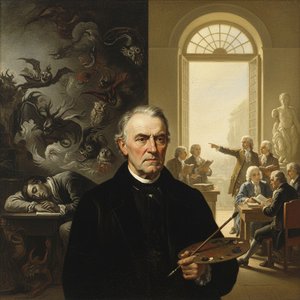
Francisco Goya: Darkness & Enlightenment – A Comprehensive Exploration of the Artist's Life, Works, and Enduring Legacy
Explore the life & works of Francisco Goya, Spain's Romantic master. Discover his evolution from court painter to a visionary chronicler of war and social injustice. A comprehensive guide for art enthusiasts.

The Dramatic Flourish: Exploring the Baroque Movement's Enduring Legacy in Art History
Explore the dramatic world of Baroque art! Discover iconic artists like Caravaggio & Rubens, defining techniques, and its lasting impact on art history. Expert insights for collectors & enthusiasts at ArtsDot.
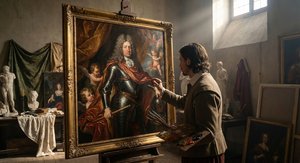
The Grandeur of Baroque Portraiture: Power, Emotion & Artistic Innovation
Explore the grandeur of Baroque portraiture! Discover Rubens, Van Dyck & the masters of 17th-century art. Uncover symbolism, techniques & lasting influence. Expert insights for collectors and enthusiasts.

