

 プレビュー
プレビュー
 プリントを購入
 シェアする
シェアする シェアする
シェアする
 詳細を見る
詳細を見る

 ダウンロード
 似ている作品
 X線調査
X線調査 スライドショー
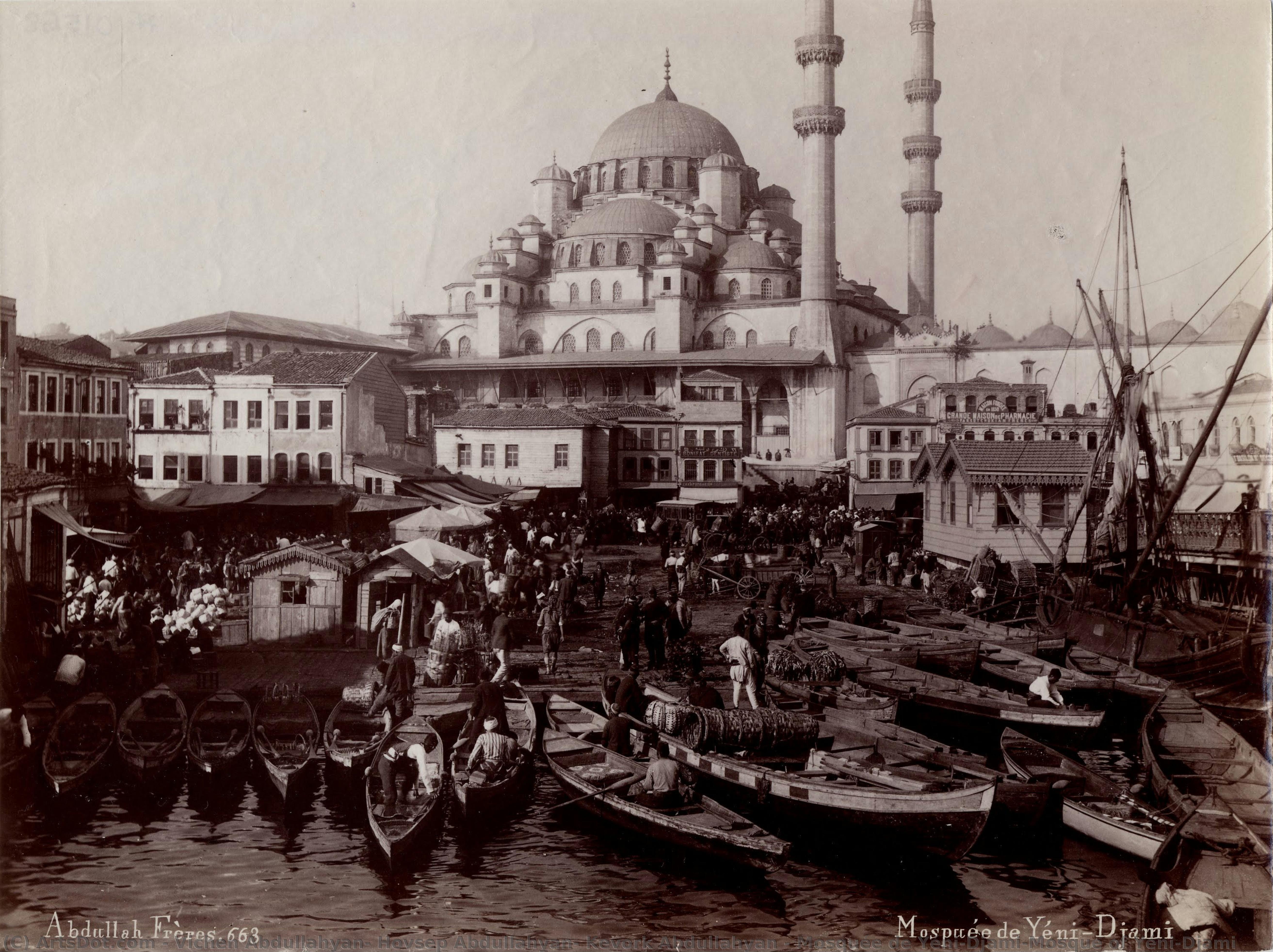
Mosquée de Yéni-Djami/Mosque of Yéni-Djami


 詳細を見る
詳細を見る




































作品のオリジナル比率に合わせた、当店の規定サイズからお選びください。

特定のフレームやスペースに合わせて、ご希望のサイズをご入力いただけます。選択されたサイズが元の画像の比率と異なる場合、アートワークをトリミングするか、手描きで要素を追加して絵画を拡張いたします。デジタルモックアップ を制作し、制作開始前にご確認(承認)をいただきます。
画面上のプレビューは、実際のトリミングや拡張を正確に反映しているものではありません。最終的な構図は、モックアップによってのみ正確にご確認いただけます。
カスタムサイズもご利用いただけますが、元の比率を維持するためには、あらかじめ用意されたリストからサイズを選択することをお勧めいたします。
ご注文後、ArtsDot.com チームより詳細な指示をお送りするとともに、仕上がりイメージ(モックアップ)をご提供いたします。


 ガラスオプションは、110cm未満のサイズでのみご利用いただけます。

Mosquée de Yéni-Djami/Mosque of Yéni-Djami
複製技法
複製画のサイズ
-


合計金額
$ 263
関連作品









アーティストの略歴
The Architects of Visual Memory: The Legacy of Abdullah Frères
In the twilight years of the Ottoman Empire, a period defined by profound cultural shifts and the collision of tradition with modernity, three brothers emerged as the definitive chroniclers of an era. Vichen, Hovsep, and Kevork Abdullahyan—known to history as the Abdullah Frères—did not merely operate a photography studio; they curated the visual identity of a vanishing world. Established in 1858 in the vibrant district of Beyoğlu, Istanbul, their studio became a sanctuary of light and shadow, where the grandeur of the imperial court met the intimate realities of everyday Ottoman life. Their work serves as a breathtaking bridge between the ancient traditions of the East and the burgeoning technological innovations of the West.
The roots of this artistic dynasty were deeply embedded in a legacy of craftsmanship that stretched back generations. Descended from Aleksan Abdullahyan, who had sought refuge in Istanbul centuries earlier, the brothers inherited an entrepreneurial spirit and a meticulous eye for detail. While Vichen began his journey by refining the work of others, it was the collective synergy of the three siblings that propelled them to international fame. Kevork, in particular, brought a refined aesthetic sensibility to the group, having studied art at the prestigious Murad Raphaelian Armenian Academy in Venice. This exposure to European artistic principles allowed the brothers to transcend the role of mere technicians, transforming the Daguerreotype and Calotype processes into a sophisticated medium of high art.
A Lens Focused on Empire and Humanity
The mastery of the Abdullah Frères lay in their ability to navigate the complex social hierarchies of the Ottoman Empire. They were the preferred portraitists for the most powerful figures of the age, earning the prestigious distinction of being the official photographers to the Ottoman court. Their lens captured the formidable presence of Sultans, such as Abdülaziz, with a dignity that commanded respect across borders. Yet, their brilliance was not confined to the gilded halls of palaces; they possessed an equal passion for the panoramic beauty of the landscape and the unvarnable truth of the streets. Through their expeditions to Egypt and Syria, they produced sweeping vistas that introduced the splendor of the Levant to a global audience.
Technically, the brothers were pioneers who embraced the rapid evolution of photographic chemistry. Their studio was a laboratory of innovation, where they mastered the delicate art of light manipulation to produce images of unparalleled clarity and depth. This technical prowess allowed them to achieve several significant milestones:
- Imperial Documentation: Capturing the formal portraits of Sultans and state officials that cemented their status within the imperial hierarchy.
- Geographic Expansion: Conducting photographic journeys through the Middle East, documenting architectural wonders and local dignitaries.
- Artistic Synthesis: Blending the precision of European photographic techniques with the rich, textured aesthetics of Ottoman culture.
An Enduring Historical Significance
The historical significance of the Abdullah Frères extends far beyond the borders of Turkey or the era of the Ottoman Empire. They were, in essence, the first true visual historians of a multicultural society in transition. Their archives provide an irreplaceable window into the 19th century, preserving the faces, fashions, and landscapes that would otherwise have been lost to the tides of time and conflict. By documenting both the monumental and the mundane, they created a comprehensive tapestry of human experience.
Today, the work of Vichen, Hovsep, and Kevork Abdullahyan remains a cornerstone of photographic history. Their ability to capture the soul of a civilization—its dignity, its struggle, and its beauty—ensures that their legacy continues to resonate. As we look upon their portraits, we are not just seeing faces from a bygone era; we are witnessing the profound artistry of three brothers who mastered the light to ensure that the memory of an empire would never truly fade.
基本情報
- Artistic Movement Or Style: Photography
- Artists Or Movements Influenced By This Artist: ['Ottoman Empire']
- Artists Who Influenced This Artist: ['Louis Daguerre']
- Date Of Death: 1902
- Full Name: Vichen Abdullahyan, Hovsep Abdullahyan, Kevork Abdullahyan
- Nationality: Armenian
- Notable Artworks: ['Mosquée de Yéni-Djami']
- Place Of Birth: Turkey

