

 プレビュー
プレビュー
 プリントを購入
 シェアする
シェアする シェアする
シェアする
 詳細を見る
詳細を見る

 ダウンロード
 似ている作品
 X線調査
X線調査 スライドショー
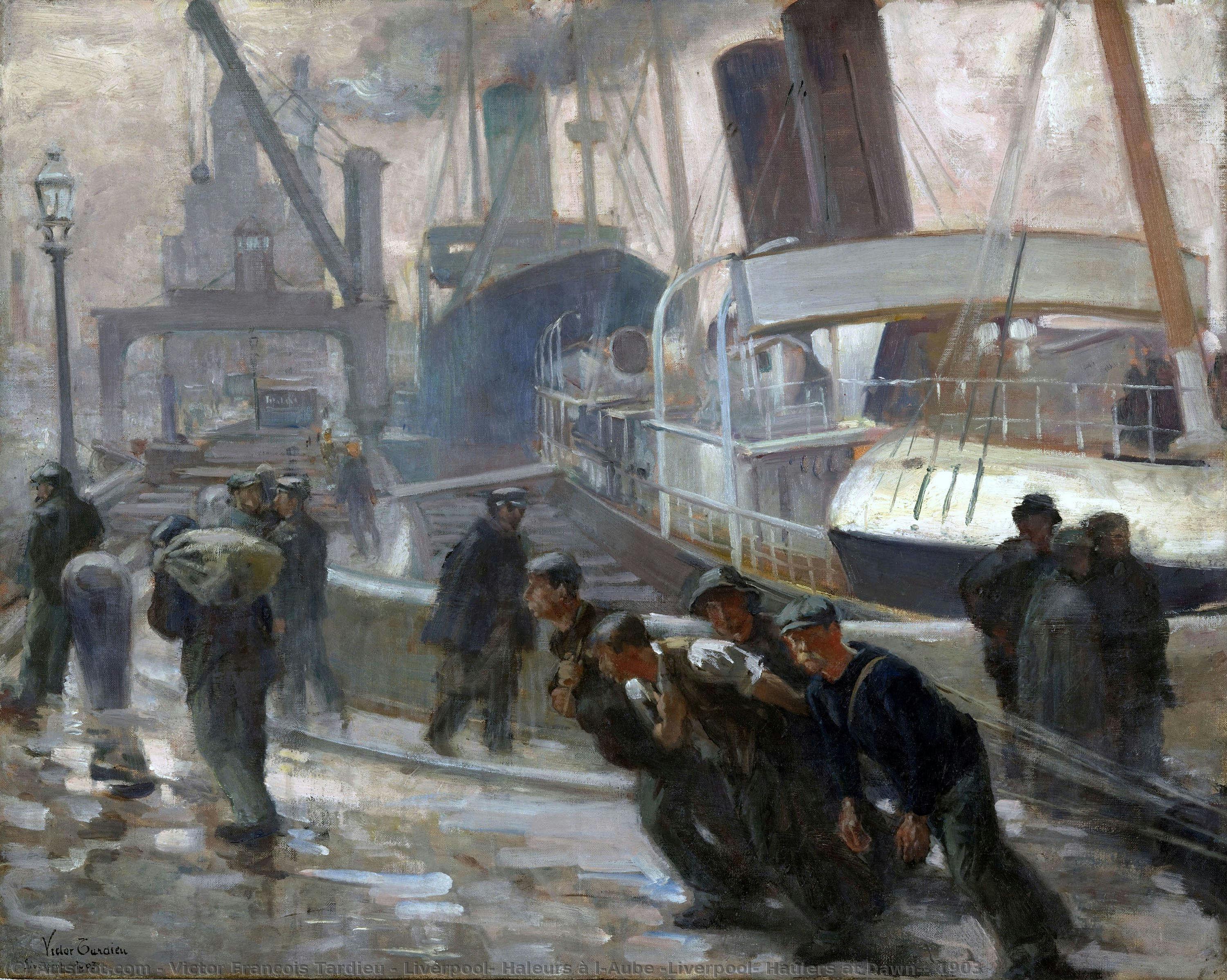
Liverpool, Haleurs à l’Aube (Liverpool: Haulers at Dawn), 1903
 Oil On Canvas
- WallArt
- Contemporary Realism
 19th Century
 61.0 x 76.0 cm
 グラン・パレ
 詳細を見る
詳細を見る




P118B $10

P118H $10

P118W $10

P438Z $10

P508JH $12

P508YH $12

P805H $10

P805Z $10

P919BZ $10

P919G $10

P919XJ $10

P959ZH $10

P968JZ $12

W106C $8

W218G $10

W218JH $8

W218Y $10

W307PJ $10

W316G $10

W316PJ $8

W316Y $10

W398PJ $8

W4111J $10

W500HY $15

W500JH $15

W692G $12

W849H $8

W940BG $15

W953PJ $8




作品のオリジナル比率に合わせた、当店の規定サイズからお選びください。

特定のフレームやスペースに合わせて、ご希望のサイズをご入力いただけます。選択されたサイズが元の画像の比率と異なる場合、アートワークをトリミングするか、手描きで要素を追加して絵画を拡張いたします。デジタルモックアップ を制作し、制作開始前にご確認(承認)をいただきます。
画面上のプレビューは、実際のトリミングや拡張を正確に反映しているものではありません。最終的な構図は、モックアップによってのみ正確にご確認いただけます。
カスタムサイズもご利用いただけますが、元の比率を維持するためには、あらかじめ用意されたリストからサイズを選択することをお勧めいたします。
ご注文後、ArtsDot.com チームより詳細な指示をお送りするとともに、仕上がりイメージ(モックアップ)をご提供いたします。


 ガラスオプションは、110cm未満のサイズでのみご利用いただけます。

Liverpool, Haleurs à l’Aube (Liverpool: Haulers at Dawn), 1903
複製技法
複製画のサイズ
-


合計金額
$ 363
A Dawn of Industry and Toil
In the quiet, mist-shrouded moments before the sun fully claims the sky, Victor Tardieu captures a profound sense of human endurance in Liverpool, Haleurs à l’Aube (Liverpool: Haulers at Dawn). Painted in 1903, this evocative oil on canvas transports the viewer to the bustling Victorian-era docks of England, where the air is thick with the scent of salt, coal, and the heavy weight of manual labor. The scene is not merely a depiction of a port; it is a cinematic window into a bygone era of maritime commerce. As the dawn light begins to pierce through the atmospheric haze, we find ourselves standing on the edge of the wharf, witnessing the rhythmic, grueling choreography of men unloading cargo from massive steamships.
The composition masterfully directs the eye through a landscape of industrial grandeur and human grit. In the foreground, the physical reality of labor is palpable; four men, their skin touched by warm, ruddy hues, strain against heavy ropes to haul loads that remain just out of our sight. This clever use of an off-frame subject creates a sense of immersion, pulling the audience into the very struggle of the workers. Beyond this intimate circle of toil, the silhouettes of other laborers and the towering, angular hulls of liners emerge from the mist. The perspective, slightly flattened in a manner reminiscent of late 19th-century realism, emphasizes the sheer scale of the machinery and the ships that served as the economic engines of the age.
The Mastery of Light and Texture
Tardieu’s technique is a testament to his ability to blend the precision of realism with the atmospheric soul of impressionism. The artist utilizes a palette of muted earth tones—deep greys, weathered whites, and somber browns—interrupted by the sudden, warm glow of light hitting the workers' faces. This interplay of light and shadow, or chiaroscuro, lends a dramatic depth to the scene, highlighting the textures of the rugged clothing and the damp, weathered surfaces of the dockside structures. The brushwork is particularly noteworthy; while some figures are rendered with detailed care, others are mere flickers of paint, suggesting movement and the fleeting nature of a moment captured in time.
For the discerning collector or interior designer, this piece offers more than just visual beauty; it provides a profound emotional resonance. There is a quiet dignity in the way Tardieu portrays his subjects—not as mere statistics of industry, but as heroic figures within a vast, unfolding narrative of progress and perseverance. The painting serves as a powerful focal point for any space, bringing with it an aura of historical weight and a contemplative, soulful energy. Whether placed in a study filled with books or a contemporary living space seeking a touch of classical strength, Liverpool: Haulers at Dawn invites the viewer to pause and reflect on the enduring spirit of human labor amidst the relentless march of time.
関連作品



アーティストの略歴
A Life Between Two Worlds
The story of Victor François Tardieu is one of profound geographical and artistic transition, a narrative that begins in the heart of France and finds its ultimate, enduring resonance in the soul of Indochina. Born on April 30, 1870, to a family of silk merchants in Lyon, Tardieu was destined for a life touched by color and texture from his earliest years. His father, a textile designer who painted delicate floral studies, provided the initial spark of creativity that would eventually lead the young artist to the prestigious École des Beaux-Arts in Lyon. This early foundation in classical training prepared him for the rigorous academic atmosphere of Paris, where he arrived around 1889 to study under masters such as Leon Bonnat and Albert Maignan. These formative years in the French capital instilled in him a mastery of composition and a deep respect for the traditions of the nineteenth-century academy.
However, the trajectory of Tardieu’s life was irrevocably altered by the tides of history and personal destiny. After serving as a soldier during the Great War—enduring the harrowing landscapes of Verdun—he found himself at a crossroads. In 1921, having been awarded the Prix de l’Indochine, a journey intended to last only six months transformed into a lifelong devotion to Southeast Asia. Settling in Hanoi, Tardieu did not merely observe a new culture; he became an architect of its modern artistic identity. His presence in Indochina marked the beginning of a legendary chapter where Western technique met Eastern sensibility, creating a bridge between two vastly different aesthetic worlds.
The Architect of an Artistic Legacy
Tardieu’s most enduring contribution to art history lies not only in his personal canvases but in his visionary role as an educator. In 1925, he was tasked with the creation and direction of the École des Beaux-Arts de l’Indochine in Hanoi. This institution became a crucible for a new generation of Vietnamese masters, as Tardieu sought to harmonize European academic rigor—such as anatomical precision and perspective—with the indigenous traditions of silk painting and lacquer work. His leadership was characterized by a deep passion for nurturing local talent, though the immense administrative weight of directing the school often competed with his own creative output.
As an artist, Tardieu’s oeuvre is remarkably diverse, reflecting the multifaceted environments he inhabited. His repertoire spanned a wide array of subjects and mediums, including:
- Genre Scenes: Lively, animated compositions that captured the rhythm of daily life.
- Portraiture: Intimate studies of figures that utilized light and shadow to convey character.
- Landscape and Marine Works: Urban vistas and seascapes that showcased his ability to capture atmosphere and movement.
- Monumental Art: Grand mural compositions, such as the celebrated "Ages of Life" ceiling paintings, which demonstrated his skill in large-scale decorative works.
- Stained Glass Design: Intricate cartoons for glasswork that merged structural design with luminous color.
Artistic Mastery and Historical Significance
The technique of Victor François Tardieu was rooted in the classical tradition, yet it possessed a fluidity that allowed him to breathe life into his subjects. His work often featured animated compositions, where figures moved through spaces with a natural grace, whether in bustling urban settings or quiet interiors. While his training under Bonnat provided him with a command of realism and form, his time in Indochina introduced a new palette and a sensitivity to the soft, atmospheric light of the tropics. This synthesis allowed him to move seamlessly between the structured world of French academic painting and the more ethereal, evocative qualities found in Southeast Asian aesthetics.
Though his creative output was sometimes overshadowed by his monumental responsibilities as an educator, Tardieu’s historical significance remains unassailable. He stands as a pivotal figure who facilitated the birth of modern Vietnamese fine arts, leaving behind a legacy that transcends borders. When he passed away in Hanoi on June 12, 1937, he left behind more than just a collection of paintings; he left an institutional foundation that allowed an entire nation's artistic voice to flourish. His life remains a testament to the power of cultural exchange and the transformative impact of a single artist dedicated to the cultivation of beauty across continents.
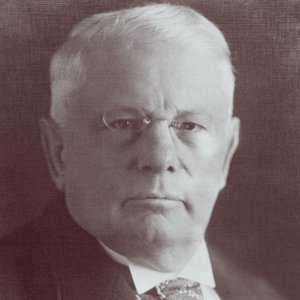
victor françois tardieu
1870 - 1937 , France
基本情報
- Artistic Movement Or Style: Ashcan School
- Artists Or Movements Influenced By This Artist: ['Pierre Auguste Renoir']
- Artists Who Influenced This Artist: ['John LaFarge']
- Date Of Birth: 1870 Philadelphia PA
- Date Of Death: 1938 Westport CT
- Full Name: William Glackens
- Nationality: American
- Notable Artworks:
- Reading from Goethe's Werther
- The Studio Boat
- The Bridge at Argenteuil
- Place Of Birth: Philadelphia PA, USA
関連記事
Industrial Revolution on Canvas: 10 Artworks That Define a Modern Aesthetic
Explore 10 iconic artworks capturing the Industrial Revolution’s grit & beauty. From Monet to Manet, discover realism, impressionism & powerful scenes of urban life. Find museum-quality reproductions for your home at ArtsDot.com.
John Atkinson Grimshaw: Atmospheric Realism & the Victorian Nocturne
Explore the captivating world of John Atkinson Grimshaw, Victorian master of atmospheric nightscapes. Discover his iconic paintings, unique techniques & enduring legacy. Learn about collecting Grimshaw's art today!
The Gritty Muse: Industrial Vibe as Defining Aesthetic in Modern Artwork
Explore the captivating world of industrial aesthetics in modern art. Discover key movements, influential artists & collecting insights at ArtsDot.com – your source for museum-quality reproductions and expert art guidance.
The Refined Aesthetic of Victorian Illustration: A Study in Narrative & Technique
Explore the captivating world of Victorian illustration! Discover Pre-Raphaelite influences, key artists like Rossetti & Stephens, and the era's rich narrative detail. A deep dive for art enthusiasts.
William Powell Frith: Narratives of Victorian Society & the Rise of Realist Painting
Explore the life & works of William Powell Frith, the 'greatest British painter of social scenes.' Discover his iconic Victorian genre paintings and learn about his lasting impact on realist art. Hand-painted reproductions available.

