

 シェアする
シェアする シェアする
シェアする
 詳細を見る
詳細を見る

 ダウンロード
 似ている作品
 スライドショー
 Stats
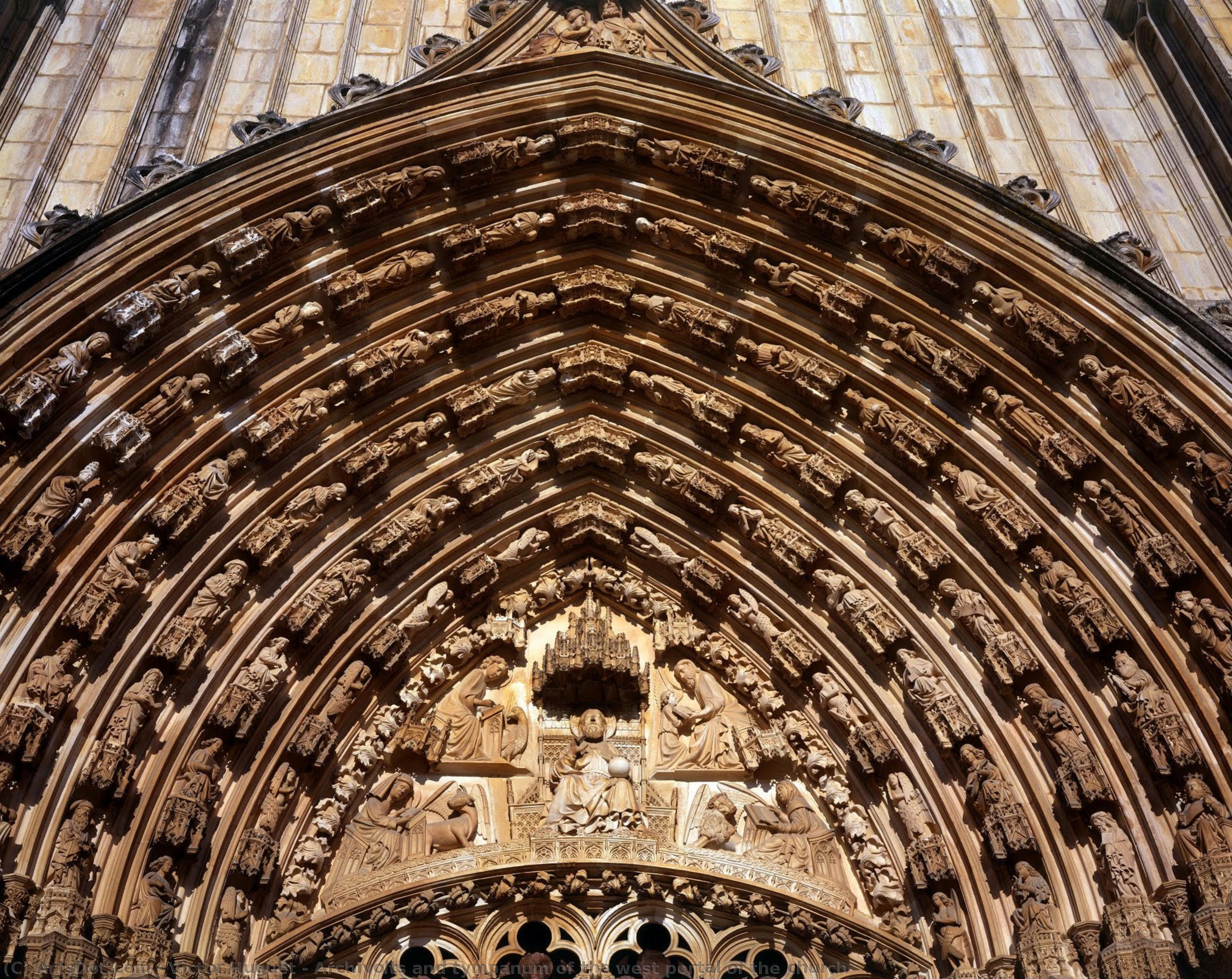
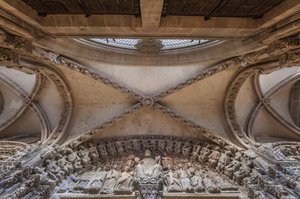
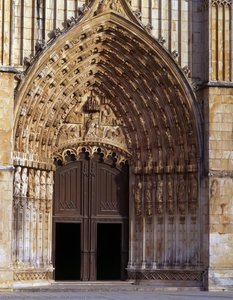
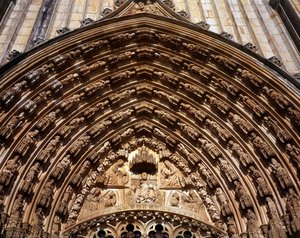
StatsArchivolts and tympanum of the west portal of the church


 詳細を見る
詳細を見る
オンラインプレビューをはるかに凌ぐ、高解像度で鮮明なデジタル画像をご購入いただけます。
各ファイルは、社内の専門家が高度なツールと熟練した手作業によるレタッチを用いて、細心の注意を払って準備されています。すべての画像において、卓越した鮮明度、正確な色彩再現性、そして繊細なディテールを保証いたします。
最終ファイルは、プロフェッショナルな編集・印刷環境ですぐにご利用いただけるよう最適化された状態で、72時間以内にメールにてお届けいたします。これは、一流のデザインスタジオ、出版社、ギャラリーから信頼されているものと同等の品質です。
デジタルアート
個人での鑑賞、印刷、クリエイティブなプロジェクト用に、高解像度ファイルをダウンロードできます。 ( Switch to Print 手描きの絵画を購入)
デジタル画像のご注文に付随する特典
高品質なデジタル画像配信を、確かな品質で。
ArtsDot.com を選ぶことは、単に画像を手に入れることではありません。それは、プロの手によって精密に仕上げられ、満足保証が付いた高品質なデジタルアートワークを受け取ることを意味します。ご注文いただいた際に自動的に付随する内容は、以下の通りです:

メールですぐにお届け
ご注文から72時間以内に、高解像度のデジタル画像ファイルがメールでお手元に届きます。すぐにそのままご利用いただけます。

AI技術で最適化されたデジタルファイル
お客様の作品は、高度なAIツールと専門家による手作業の編集を組み合わせてプロフェッショナルに最適化されており、細部のディテール、鮮明さ、そして正確な色再現性を最大限に引き出しています。

一生涯無料の再送サービス
ファイルを誤って削除したり、紛失してしまったりしましたか?ご安心ください。いつでも無料で再送いたします。

輸入手数料は一切かかりません
関税や手数料、配送料を気にすることなく、お気に入りのアートワークをすぐにお楽しみいただけます。デジタルダウンロードは常に免税です。

色彩再現の保証
プロ仕様のツールとカラーマネジメント技術を用いることで、デジタル画像が元の色を最大限に忠実に再現することを保証いたします。

100日間満足保証
ご購入いただいたデジタル画像にご満足いただけない場合は、100日以内であれば、理由を問わず修正または100%の返金対応をさせていただきます。

100% 返金保証
ご満足いただけない場合は、デジタルファイルを受け取ってから100日以内であれば、理由を問わず全額返金いたします。

まとめ買い割引
3枚購入で10%OFF - 5枚購入で15%OFF - 10枚以上購入で20%OFF。クリエイティブなプロジェクト、ギャラリー、エージェンシーに最適です。
A Portal to the Divine: The Architectural Majesty of the West Portal
In the silent, hallowed corridors of history, few structures command as much reverence as the west portal of this ancient church. Captured in a striking monochrome study, the Archivolts and tympanum serve as more than mere architectural boundaries; they are a profound threshold between the earthly realm and the celestial. The image reveals an intricate dance of stone and shadow, where every carved curve and sculpted figure tells a story of devotion. As one gazes upon the rhythmic patterns of the archivolts—those concentric arches that frame the entrance—one feels the weight of centuries. The meticulous craftsmanship suggests a period where art was not merely decorative but was a vital, breathing language used to communicate the divine mysteries to the faithful.
The composition is a masterclass in texture and depth. Through the lens of high-contrast photography, the stone surfaces emerge with a tactile intensity that invites the viewer to reach out and touch the weathered grain. The statues, positioned strategically throughout the archway, act as silent sentinels. From the figure peering from the upper reaches to the more grounded presence at the base, these sculptural elements create a vertical narrative of spiritual ascent. This interplay of light and dark—the chiaroscuro of stone—emphasizes the deep relief of the carvings, lending a dramatic, almost theatrical quality to the cathedral's facade that remains captivating even in the absence of color.
Symbolism and the Language of Stone
To study this portal is to read a sacred text written in granite and limestone. The tympanum, the semi-circular space nestled within the arch, serves as the focal point for theological storytelling. In such works, every shape and pattern is imbued with intentionality; the geometric precision of the carvings reflects the perceived order of the universe, while the figurative elements provide a human connection to the divine. For the art enthusiast or collector, this piece offers a window into the medieval psyche, where architecture was designed to evoke awe, humility, and a sense of eternal continuity.
The historical context of such a structure, dating back to the mid-15th century, places it at a fascinating crossroads of artistic evolution. It represents an era where the heavy, grounded Romanesque traditions were meeting the more soaring, light-filled aspirations of the Gothic spirit. This tension is palpable in the way the weight of the stone is balanced by the delicate, lace-like intricacy of the ornamentation. For those looking to integrate such a powerful aesthetic into a contemporary interior, this work provides an anchor of historical gravity and sophisticated elegance.
An Inspiration for the Discerning Collector
For interior designers and collectors of fine art reproductions, the Archivolts and tympanum offers a unique opportunity to introduce architectural grandeur into a modern space. A high-quality reproduction of this work does not merely decorate a wall; it transforms a room into a gallery of contemplation. The monochromatic palette makes it an incredibly versatile choice, pairing seamlessly with minimalist, classical, or even industrial decor styles. It brings a sense of permanence and intellectual depth to any setting.
Owning a piece that captures such monumental detail allows one to possess a fragment of the sublime. Whether placed in a quiet study, a grand foyer, or a curated living space, this artwork serves as a conversation piece that transcends time. It invites guests to pause, to look closer at the intricate carvings, and to reflect on the enduring human desire to create beauty that reaches toward the heavens. In every shadow and every carved line, there is an invitation to rediscover the majesty of the past.
関連作品

作家の略歴
The Visionary of Light and Stone: The Life of Victor Huguet
Victor Pierre Huguet, a name that resonates with the quiet majesty of a cathedral’s shadow and the vibrant warmth of an Egyptian sun, was a master of the French Orientalist tradition. Born on May 1, 1835, in the historic town of Le Lude, Huguet’s life unfolded against the backdrop of a France undergoing profound metamorphosis. From the industrial pulse of his early years to the political shifts of the Second French Empire and the Third Republic, his existence was inextricably linked to the changing tides of European history. He was not merely a chronicler of landscapes but a painter who sought to capture the very soul of the places he visited, bridging the gap between the rigorous classical traditions of his training and the burgeoning experimental spirit of modern art.
His artistic foundation was laid in the vibrant atmosphere of Lyon, where the early influences of local masters instilled in him a deep respect for craftsmanship. This period of formative education provided the technical scaffolding upon which he would later build his complex narratives. His journey took him to the École supérieure des beaux-arts de Marseille, where he studied under Émile Loubon. It was here that Huguet began to master the art of landscape painting, learning to capture the grandeur of mountainous vistas and the delicate serenity of rural life with a precision that hinted at his future greatness. This early mastery of light and form would become the hallmark of his later, more exotic explorations.
A Journey Through the Orient and the Crimean Shadows
The true awakening of Huguet’s creative spirit occurred far from the familiar landscapes of France. In 1852, a pivotal voyage to Egypt irrevocably altered his artistic trajectory, introducing him to a world of dazzling light, ancient textures, and cultures that stood in stark contrast to the European tradition. This expedition was not a solitary endeavor; accompanied by Jean-Baptiste Henri Durand-Brager, he witnessed the unfolding drama of the Crimean War through a painterly lens. These experiences infused his work with an ethnographic depth, allowing him to depict the Middle East and North Africa not as mere exotic backdrops, but as living, breathing entities rich with history and dignity.
Upon returning to Paris, Huguet sought further refinement under the legendary Orientalist Eugène Fromentin. This mentorship was crucial, as it allowed him to absorb the nuances of Realism while maintaining a profound sensitivity to emotional expression. By 1859, his talent had earned him simultaneous debuts at the Salon in Marseille and the prestigious Paris Salon, marking his arrival as a significant figure in the art world. His ability to blend the meticulous detail of architectural studies with the atmospheric allure of Eastern scenes created a unique stylistic signature that captivated audiences across Europe.
The Architecture of Devotion and Historical Legacy
Huguet’s oeuvre is characterized by an extraordinary duality: the ability to render the heavy, enduring permanence of stone alongside the ephemeral dance of light. His works often focus on the threshold between the mundane and the sacred. In masterpieces such as West portal of the church, he invites the viewer to stand before a Gothic-inspired archway where every carved archivolt and sculpted figure tells a story of ancient devotion. He possessed a rare gift for making stone appear to breathe, using a sophisticated interplay of light and shadow to create a sense of three-dimensional depth that draws the observer into the hallowed silence of the cathedral interior.
Beyond his architectural studies, Huguet’s legacy is found in his profound respect for the cultural tapestries of the East. Whether depicting the heraldic grandeur of royal coats of arms or the quiet moments of life outside a mosque, his work remains a testament to his insatiable curiosity and empathetic vision. His contributions to the Orientalist movement helped define an era of exploration through art, leaving behind a collection of works that serve as windows into both the physical landscapes and the spiritual essences of a bygone age. Today, his paintings remain vital links to the 19th-century imagination, reminding us of a time when the brush was a primary tool for discovering the unknown.
プロフィール概要
- Artistic Movement Or Style: Orientalism
- Artists Or Movements Influenced By This Artist: ['Romanticism']
- Artists Who Influenced This Artist:
- Eugène Fromentin
- Émile Loubon
- Date Of Birth: May 1, 1835
- Date Of Death: August 16, 1902
- Full Name: Victor Pierre Huguet
- Nationality: French
- Notable Artworks:
- The Noble Ravine
- Arabs Outside the Mosque
- Place Of Birth: Le Lude, France