

 シェアする
シェアする シェアする
シェアする
 詳細を見る
詳細を見る

 ダウンロード
 似ている作品
 スライドショー
 Stats
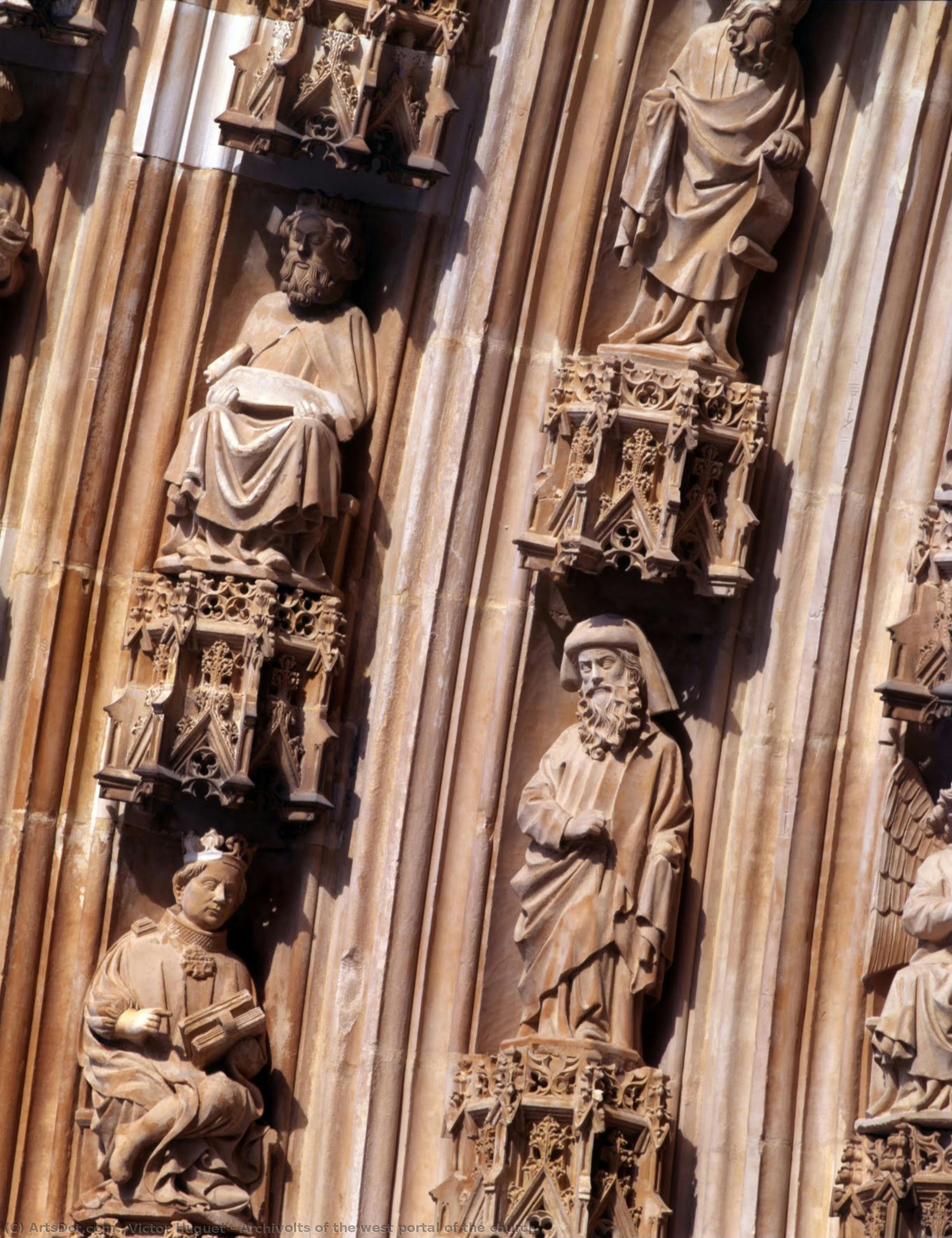
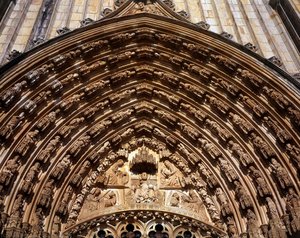
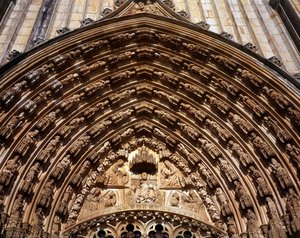
StatsArchivolts of the west portal of the church


 詳細を見る
詳細を見る
手描き油彩複製画
当社のアーティストが、お客様のご希望のサイズと額縁に合わせて、キャンバスに手描きで制作する油彩画です。 ( Switch to Print Switch to Digital Image)




































作品のオリジナル比率に合わせた、当店の規定サイズからお選びください。

特定のフレームやスペースに合わせて、ご希望のサイズをご入力いただけます。選択されたサイズが元の画像の比率と異なる場合、アートワークをトリミングするか、手描きで要素を追加して絵画を拡張いたします。デジタルモックアップ を制作し、制作開始前にご確認(承認)をいただきます。
画面上のプレビューは、実際のトリミングや拡張を正確に反映しているものではありません。最終的な構図は、モックアップによってのみ正確にご確認いただけます。
カスタムサイズもご利用いただけますが、元の比率を維持するためには、あらかじめ用意されたリストからサイズを選択することをお勧めいたします。
ご注文後、ArtsDot.com チームより詳細な指示をお送りするとともに、仕上がりイメージ(モックアップ)をご提供いたします。


 ガラスオプションは、110cm未満のサイズでのみご利用いただけます。

Archivolts of the west portal of the church
複製技法
複製画のサイズ
-


合計金額
$ 263
A Stone Symphony: The Intricate Archivolts of the West Portal
To stand before the west portal of this magnificent church is to witness a silent, stone symphony composed with unparalleled precision. The Archivolts of the west portal serve as more than mere architectural ornamentation; they are a profound narrative carved into the very bones of the structure. As one gazes upward, the eye is immediately ensnared by a rhythmic procession of figures emerging from the limestone. Each archway acts as a celestial frame, housing a meticulously detailed assembly of men and women that seem to breathe within their mineral confines. The texture of the weathered stone lends an organic, ancient soul to the work, where every chisel mark tells a story of devotion and masterful craftsmanship dating back to the mid-15th century.
The composition is a masterclass in medieval storytelling through sculpture. Within these concentric arches, at least thirteen distinct figures populate a sacred hierarchy. Some figures are seated upon ornate thrones, exuding an aura of divine authority, while others lean forward with books clutched to their chests, symbolizing the preservation of wisdom and scripture. The interplay of light and shadow across the deep carvings creates a dynamic movement; as the sun traverses the sky, the expressions on these stone faces shift, lending a hauntingly lifelike quality to the scene. This intricate layering of characters—some in repose, others in active contemplation—creates a sense of a living community frozen in a moment of eternal grace.
The Artistry of Victor Huguet and the Legacy of Detail
While the architectural elements date back to 1440, the enduring legacy of these carvings is often viewed through the lens of historical preservation and the evocative interpretations found in works associated with the era's aesthetic spirit. The craftsmanship displayed here mirrors the meticulous attention to detail that defined the transition between late Gothic traditions and the burgeoning interest in human expression. The use of limestone allows for a soft, almost tactile quality, where the folds of garments and the delicate features of the faces are rendered with a tenderness that belies the hardness of the medium.
For the discerning collector or interior designer, a high-quality reproduction of these archivolts offers more than just a decorative element; it provides a focal point of profound historical depth. Integrating such a piece into a sophisticated space invites a sense of timelessness and architectural grandeur. It serves as a conversation piece that bridges the gap between the medieval sacred and the modern aesthetic, bringing the weight of history and the beauty of classical sculpture into the contemporary home. To possess an image of this portal is to hold a fragment of a lost era, where every carved figure stands as a testament to the eternal human desire to capture the divine in stone.
関連作品

![[彫刻石像、ウクマル聖堂広場] — オクタビオ・メデリン, Archaeological Documentation](/media/artworks/images-thumb/cd/72/cd72ede773e8f67633d88d21707b2444.jpg)
アーティストの略歴
The Visionary of Light and Stone: The Life of Victor Huguet
Victor Pierre Huguet, a name that resonates with the quiet majesty of a cathedral’s shadow and the vibrant warmth of an Egyptian sun, was a master of the French Orientalist tradition. Born on May 1, 1835, in the historic town of Le Lude, Huguet’s life unfolded against the backdrop of a France undergoing profound metamorphosis. From the industrial pulse of his early years to the political shifts of the Second French Empire and the Third Republic, his existence was inextricably linked to the changing tides of European history. He was not merely a chronicler of landscapes but a painter who sought to capture the very soul of the places he visited, bridging the gap between the rigorous classical traditions of his training and the burgeoning experimental spirit of modern art.
His artistic foundation was laid in the vibrant atmosphere of Lyon, where the early influences of local masters instilled in him a deep respect for craftsmanship. This period of formative education provided the technical scaffolding upon which he would later build his complex narratives. His journey took him to the École supérieure des beaux-arts de Marseille, where he studied under Émile Loubon. It was here that Huguet began to master the art of landscape painting, learning to capture the grandeur of mountainous vistas and the delicate serenity of rural life with a precision that hinted at his future greatness. This early mastery of light and form would become the hallmark of his later, more exotic explorations.
A Journey Through the Orient and the Crimean Shadows
The true awakening of Huguet’s creative spirit occurred far from the familiar landscapes of France. In 1852, a pivotal voyage to Egypt irrevocably altered his artistic trajectory, introducing him to a world of dazzling light, ancient textures, and cultures that stood in stark contrast to the European tradition. This expedition was not a solitary endeavor; accompanied by Jean-Baptiste Henri Durand-Brager, he witnessed the unfolding drama of the Crimean War through a painterly lens. These experiences infused his work with an ethnographic depth, allowing him to depict the Middle East and North Africa not as mere exotic backdrops, but as living, breathing entities rich with history and dignity.
Upon returning to Paris, Huguet sought further refinement under the legendary Orientalist Eugène Fromentin. This mentorship was crucial, as it allowed him to absorb the nuances of Realism while maintaining a profound sensitivity to emotional expression. By 1859, his talent had earned him simultaneous debuts at the Salon in Marseille and the prestigious Paris Salon, marking his arrival as a significant figure in the art world. His ability to blend the meticulous detail of architectural studies with the atmospheric allure of Eastern scenes created a unique stylistic signature that captivated audiences across Europe.
The Architecture of Devotion and Historical Legacy
Huguet’s oeuvre is characterized by an extraordinary duality: the ability to render the heavy, enduring permanence of stone alongside the ephemeral dance of light. His works often focus on the threshold between the mundane and the sacred. In masterpieces such as West portal of the church, he invites the viewer to stand before a Gothic-inspired archway where every carved archivolt and sculpted figure tells a story of ancient devotion. He possessed a rare gift for making stone appear to breathe, using a sophisticated interplay of light and shadow to create a sense of three-dimensional depth that draws the observer into the hallowed silence of the cathedral interior.
Beyond his architectural studies, Huguet’s legacy is found in his profound respect for the cultural tapestries of the East. Whether depicting the heraldic grandeur of royal coats of arms or the quiet moments of life outside a mosque, his work remains a testament to his insatiable curiosity and empathetic vision. His contributions to the Orientalist movement helped define an era of exploration through art, leaving behind a collection of works that serve as windows into both the physical landscapes and the spiritual essences of a bygone age. Today, his paintings remain vital links to the 19th-century imagination, reminding us of a time when the brush was a primary tool for discovering the unknown.
基本情報
- Artistic Movement Or Style: Orientalism
- Artists Or Movements Influenced By This Artist: ['Romanticism']
- Artists Who Influenced This Artist:
- Eugène Fromentin
- Émile Loubon
- Date Of Birth: May 1, 1835
- Date Of Death: August 16, 1902
- Full Name: Victor Pierre Huguet
- Nationality: French
- Notable Artworks:
- The Noble Ravine
- Arabs Outside the Mosque
- Place Of Birth: Le Lude, France
関連記事
The Enduring Allure of Marble in Art History: From Classical Sculpture to Modern Abstraction
Explore the captivating history of marble sculpture from ancient Greece to modern art. Discover renowned artists like Canova & Michelangelo, carving techniques, and investment insights at ArtsDot.
The Enduring Form: Sculpture Across History, Technique & Emotional Resonance
Explore the rich history of sculpture with ArtsDot. Discover key techniques, influential artists & investment potential for discerning collectors. Expert insights into valuing and collecting timeless masterpieces.

The Enduring Form: Exploring Themes & Techniques in Sculpture Across Historical Periods
Explore the rich history of sculpture from ancient masterpieces to contemporary innovations. Discover key techniques, influential artists & investment potential for discerning art collectors.

Bronze Age to Modern Masters: 10 Sculptures That Redefined Art | ArtsDot
Journey through art history with 10 legendary bronze sculptures – from Michelangelo's David to Rodin’s Thinker. Explore the stories, techniques & timeless beauty of these masterpieces. Find museum-quality reproductions & elevate your home decor on ArtsDot.com.

Bronze Sculptures That Defined Art History | ArtsDot
Journey through art history with our Top 10 bronze sculptures! Explore masterpieces by Rodin, Michelangelo & more. Discover stories behind iconic statues and find museum-quality reproductions for your home decor at ArtsDot.com.